

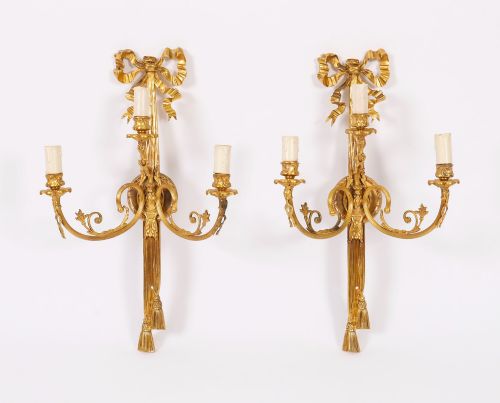
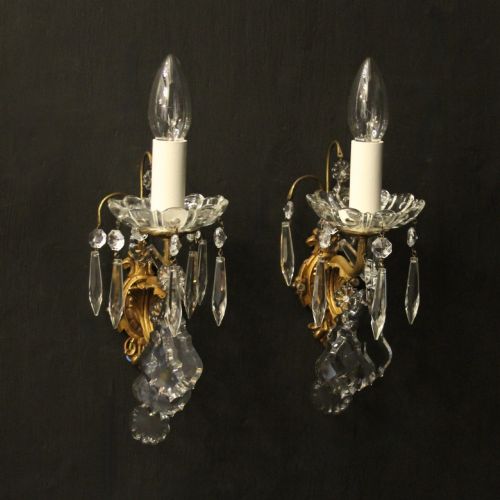
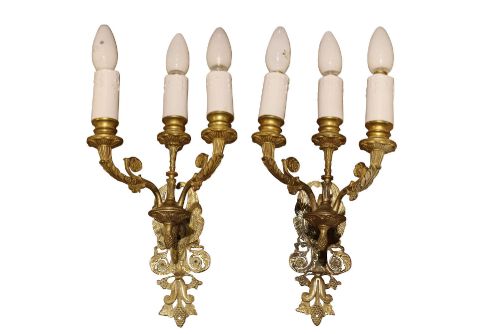
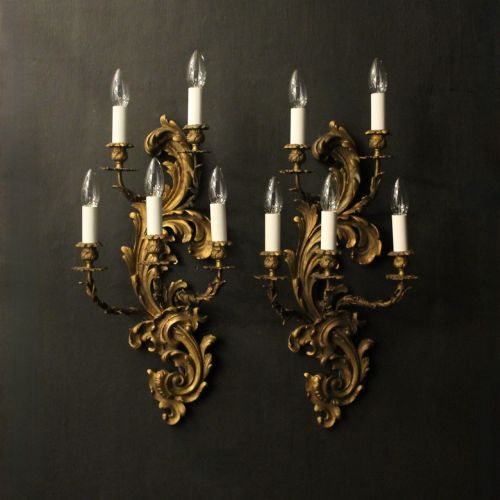
Gilded Wall Lights
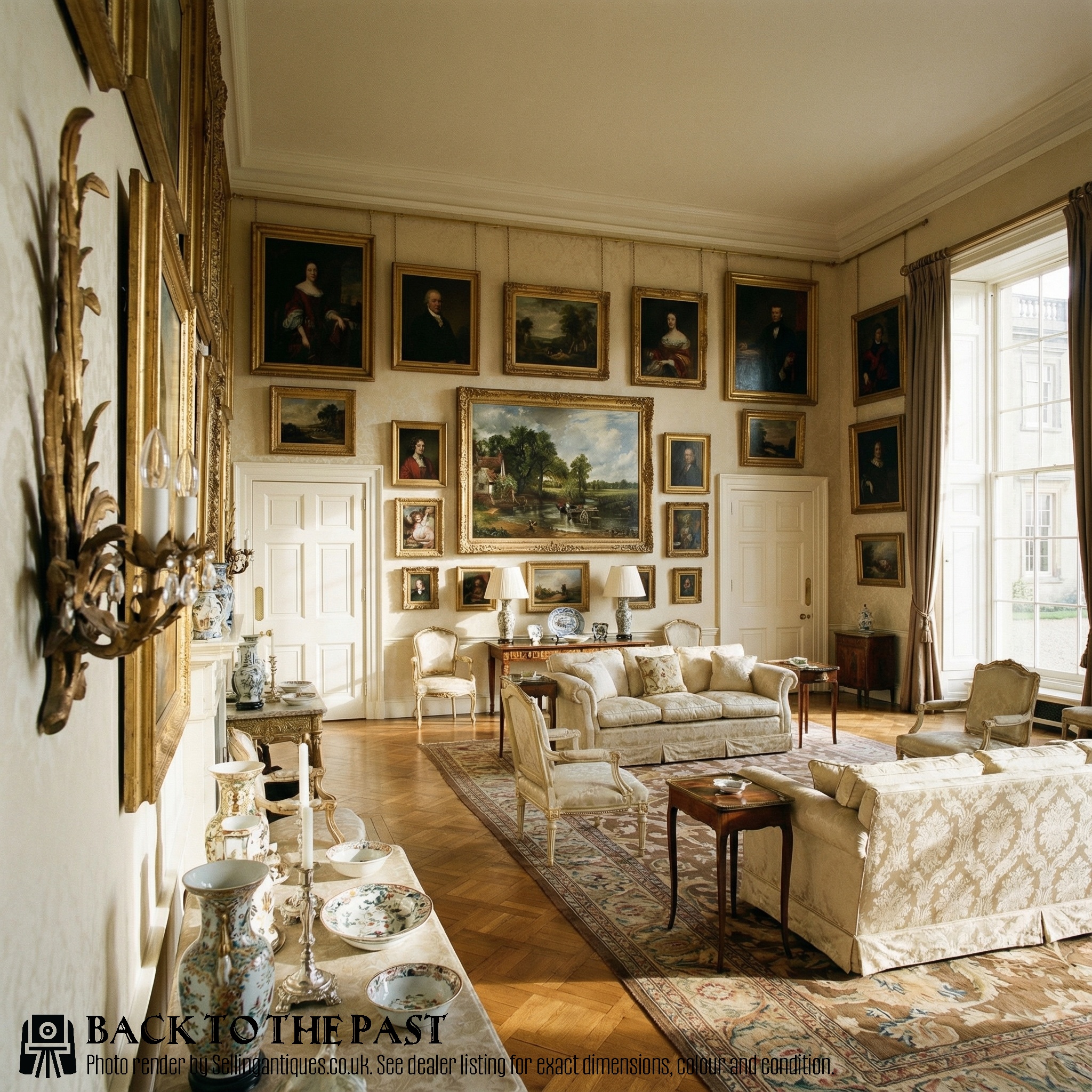
These gilded wall lights bring warmth and reflective brilliance to a room, illuminating spaces with historical character and metallic radiance.
Gilded Wall Lights
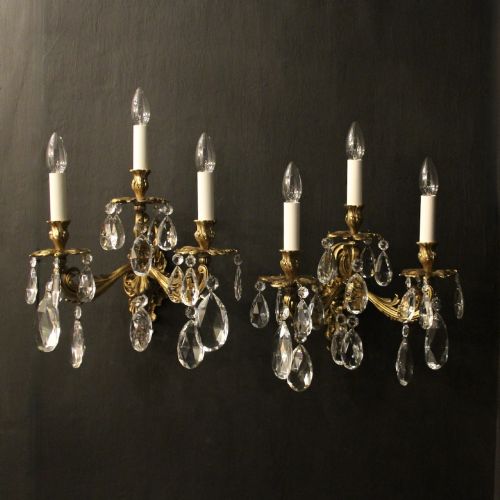
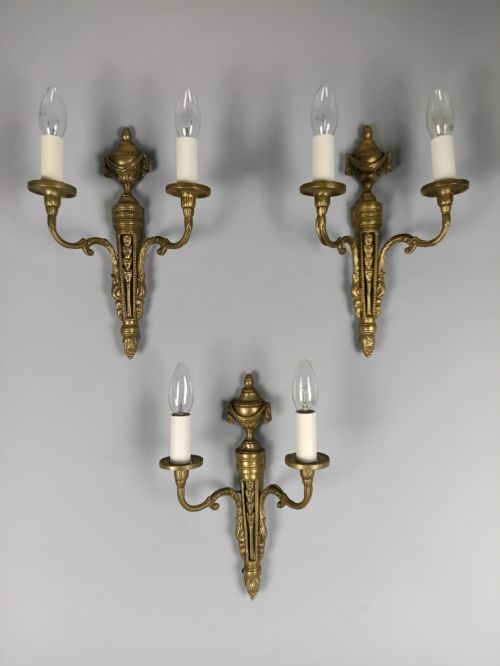
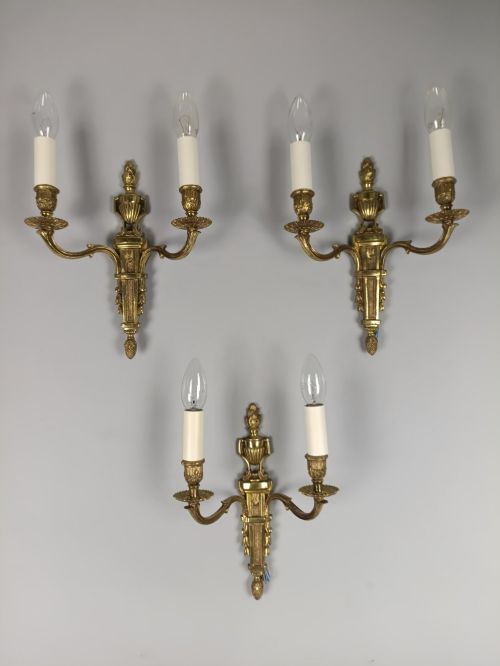
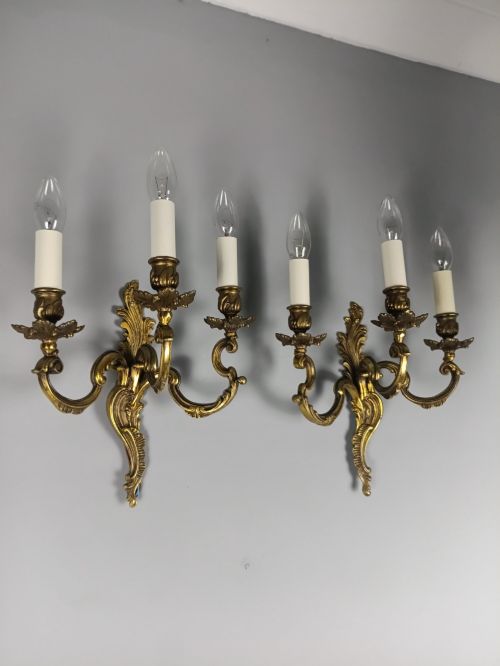
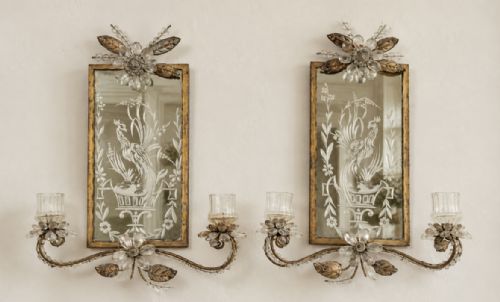
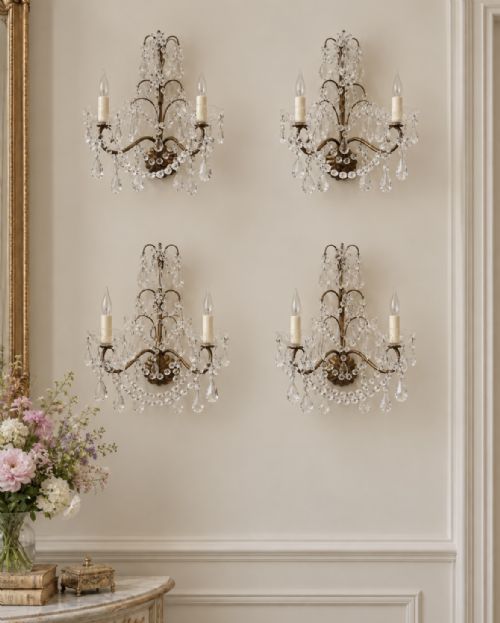
Gilded wall lights encompass wall sconces, girandoles, and mirror-backed fixtures designed to project candlelight or electric illumination across a room. Buyers searching this phrase encounter numerous French pieces dating from the early twentieth century alongside eighteenth and nineteenth-century examples.
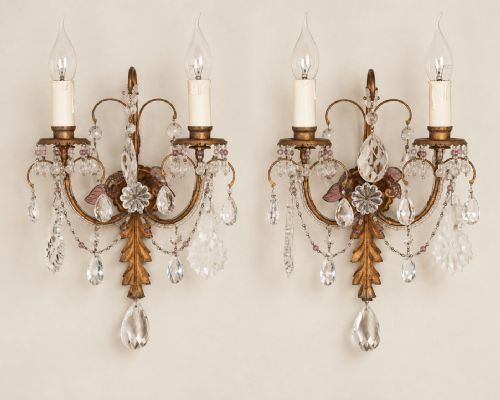
Wooden giltwood carvings and cast metal bodies dominate the inventory, frequently incorporating decorative elements like ribbons, crystals, and cherubs. The objects serve both as functional illumination and as sculptural wall ornaments.
Materials and construction methods
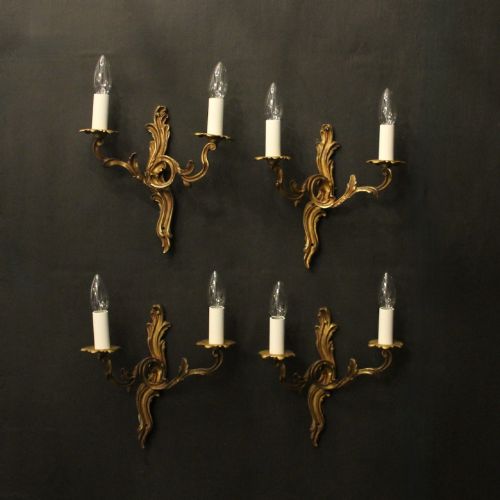
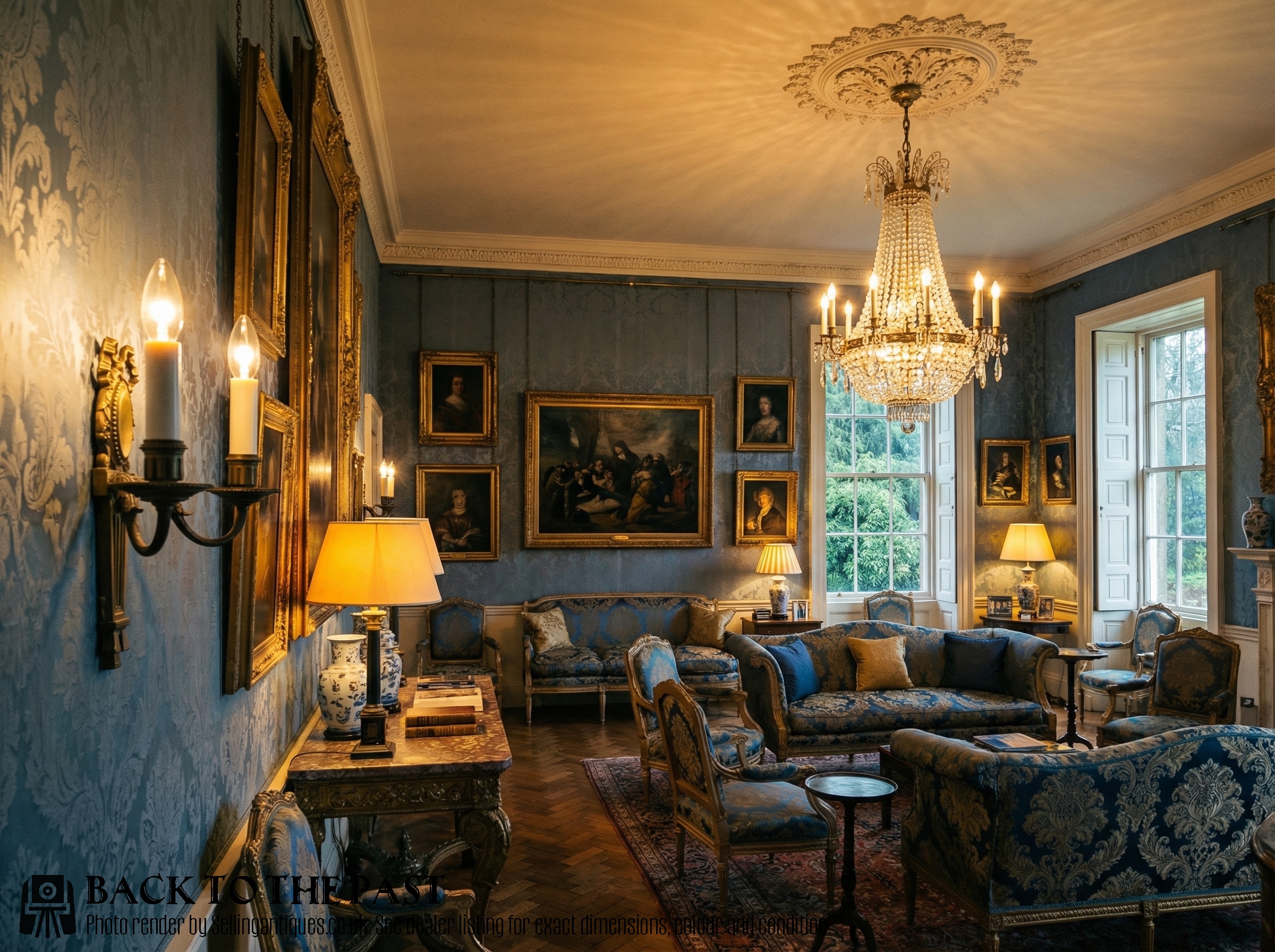
Many fixtures rely on cast bronze, brass, or ormolu, utilising metalworking techniques to create complex arms, backplates, and candle nozzles. Artisans applied thin layers of gold leaf or applied mercury gilding to achieve the characteristic reflective surface.
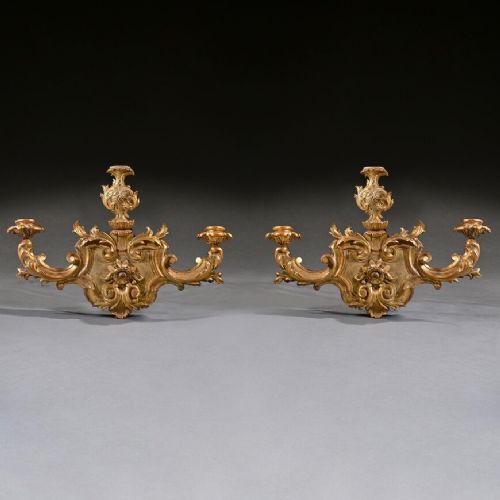
Carved wooden examples employ gesso applied over timber bases before gilding, particularly visible in Italian and English giltwood pieces. Glass components, including Murano elements and hanging crystals, supplement the metallic structures to amplify the play of light.
Gilded Wall Lights Retail Price Guide 2026
Typical asking prices for gilded wall lights among the pieces listed under this phrase on Sellingantiques today, from the lower quarter to the upper quarter. They describe what is for sale here now, not the wider market.
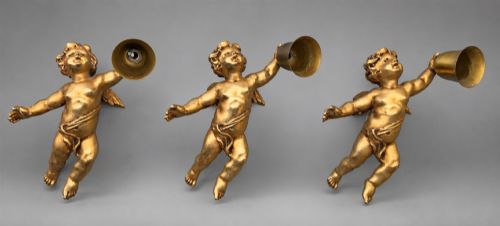
Cherubs occasionally peek out from Italian giltwood frames, keeping a watchful eye on the flickering candlelight below them.
Distinctions in quality and execution
The crispness of the chasing on bronze and brass castings differentiates finer examples from simpler production, where detail can appear softened. Hand-carved wooden frames exhibit varying depths of relief and delicacy in their scrolling foliage and ornamental motifs.
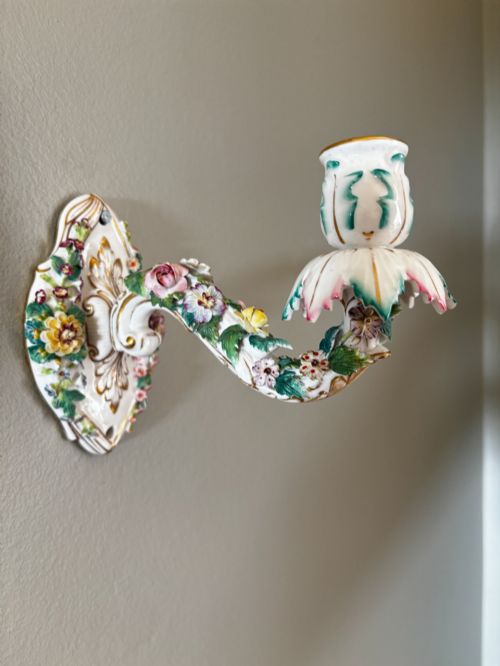
The durability and richness of the original gilding dictate the visual impact of each piece, with superior surfaces retaining their warm metallic depth over centuries. Integrated elements such as hand-cut crystals and painted porcelain additions also elevate the sophistication of individual fixtures.
The Gilded Wall Lights Glossary
- Girandole
- A branched wall light or sconce, frequently incorporating a mirror to multiply the spread of illumination. These pieces often feature carved giltwood frames.
- Ormolu
- Finely chased gilt bronze, widely employed in decorative hardware and lighting fixtures during the eighteenth and nineteenth centuries. The technique involves applying a gold and mercury amalgam to a bronze base.
- Sconce
- A wall-mounted lighting fixture designed to hold candles or electric lamps. They typically project outward from vertical surfaces using single or multiple arms.
- Giltwood
- Timber that has been coated with a thin layer of gold leaf. It is common in decorative frames and wall lights from various European periods.
- Repoussé
- A metalworking technique where the artist hammers the material from the reverse side to form a raised design. This method appears on many decorative backplates.
Gilded Wall Lights: Frequently Asked Questions
How do I install antique wall lights safely?
Many vintage and antique fixtures require rewiring by a qualified electrician to meet modern safety standards before mounting to a wall junction box.
Professionals can adapt internal wiring channels while preserving the historical metalwork and original mounting brackets of the piece.
What is the difference between a sconce and a girandole?
A standard sconce is simply a wall-mounted light fixture designed to hold candles or bulbs, whereas a girandole specifically incorporates a mirrored backplate.
The mirror in a girandole serves to reflect and amplify the light cast into the room.
How should I clean antique gilt surfaces?
Dust these delicate metal and wood surfaces gently with a soft, dry brush to prevent accumulation without disturbing the gold leaf or patina.
Avoid liquid cleaners, abrasives, or harsh chemical solvents, as they strip away historical gilding.
How do I identify a Louis XVI style wall light?
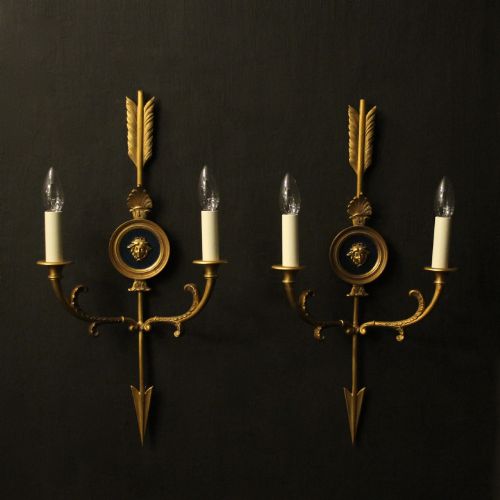
Louis XVI fixtures typically display neoclassical restraint, featuring straight lines, symmetrical geometry, urn motifs, and classical acanthus leaves.
They stand apart from earlier Rococo designs through their emphasis on order and symmetry rather than asymmetrical scrolling.