

Louis XV Sconces
Louis xv sconces bring fluid, asymmetrical curves and warm illumination to a room, offering both historical charm and practical wall lighting.
Louis XV Sconces
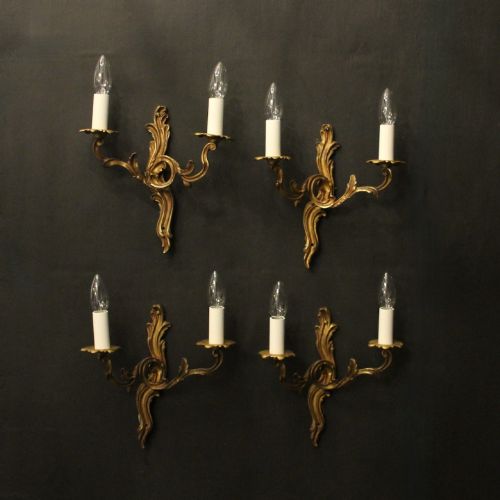
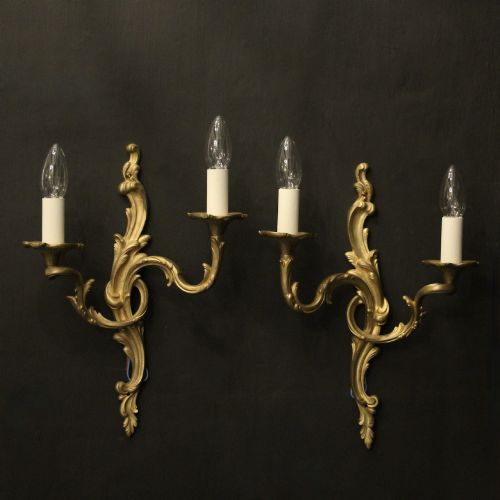
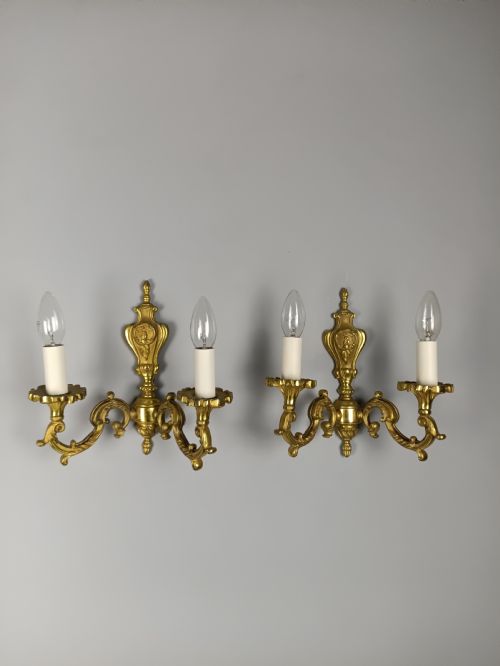
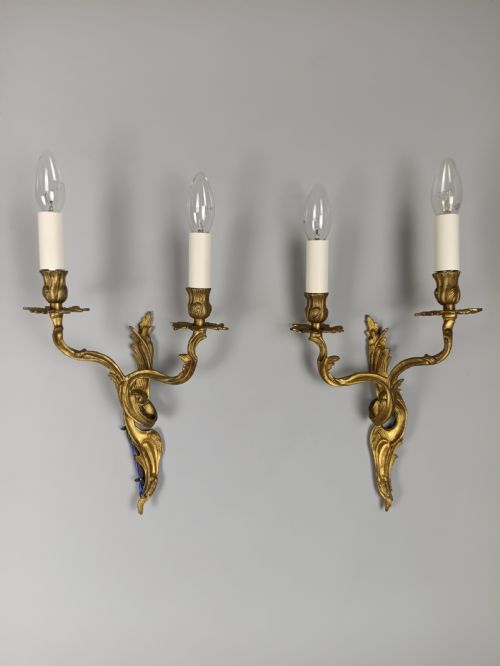
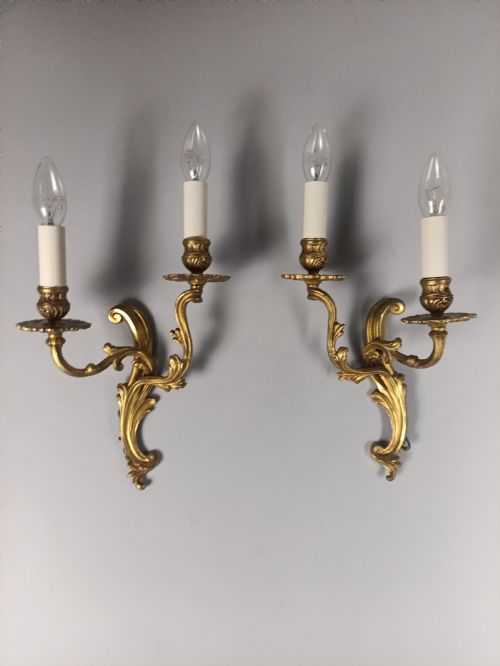
When searching for louis xv sconces, a buyer encounters ornate wall lights that draw heavily upon French Rococo design principles. These fixtures are predominantly French in origin, spanning original eighteenth-century creations through to later revival periods in the nineteenth and twentieth centuries.
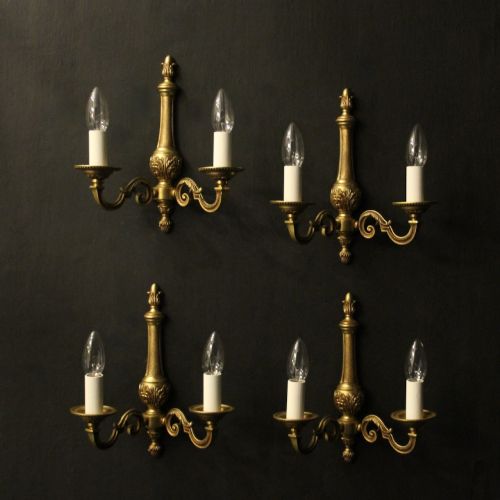
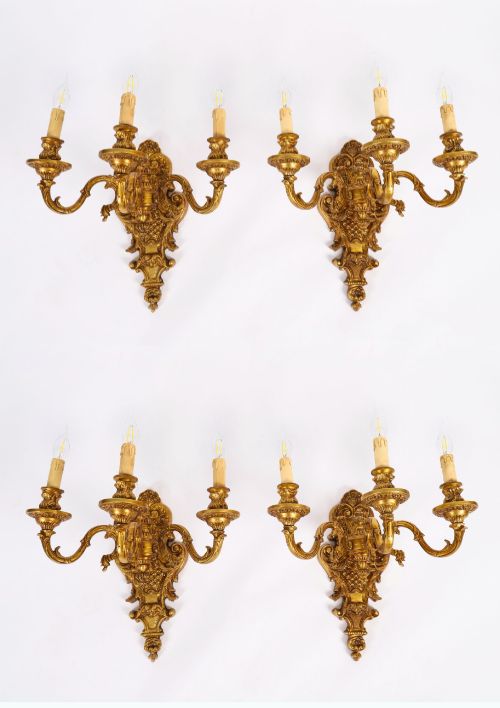
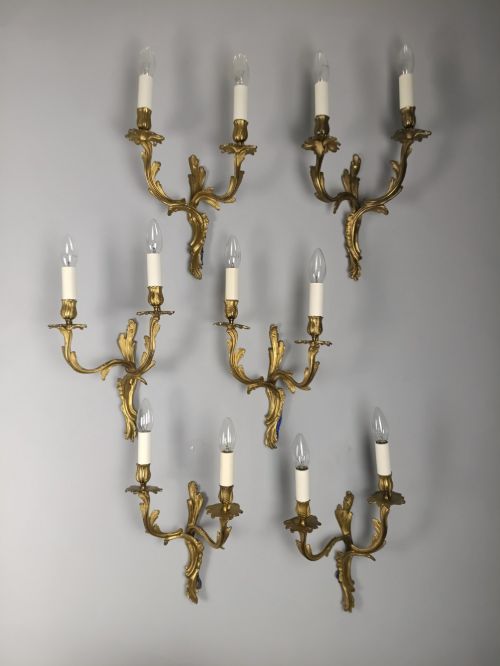
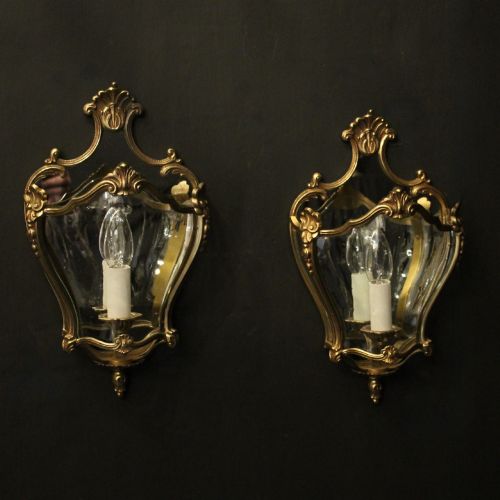
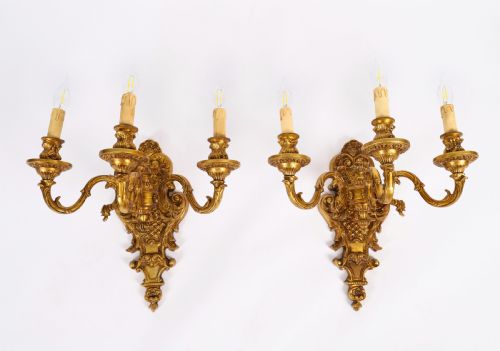
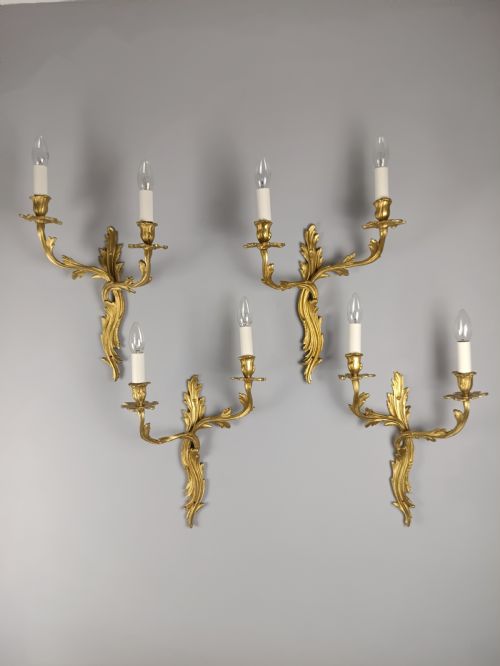
Most examples found on this page date from the early twentieth century, specifically around nineteen thirty, alongside late nineteenth-century interpretations. They typically take the form of twin or triple-branch wall lights, occasionally appearing as single arms, half lanterns, or integrated with wall mirrors.
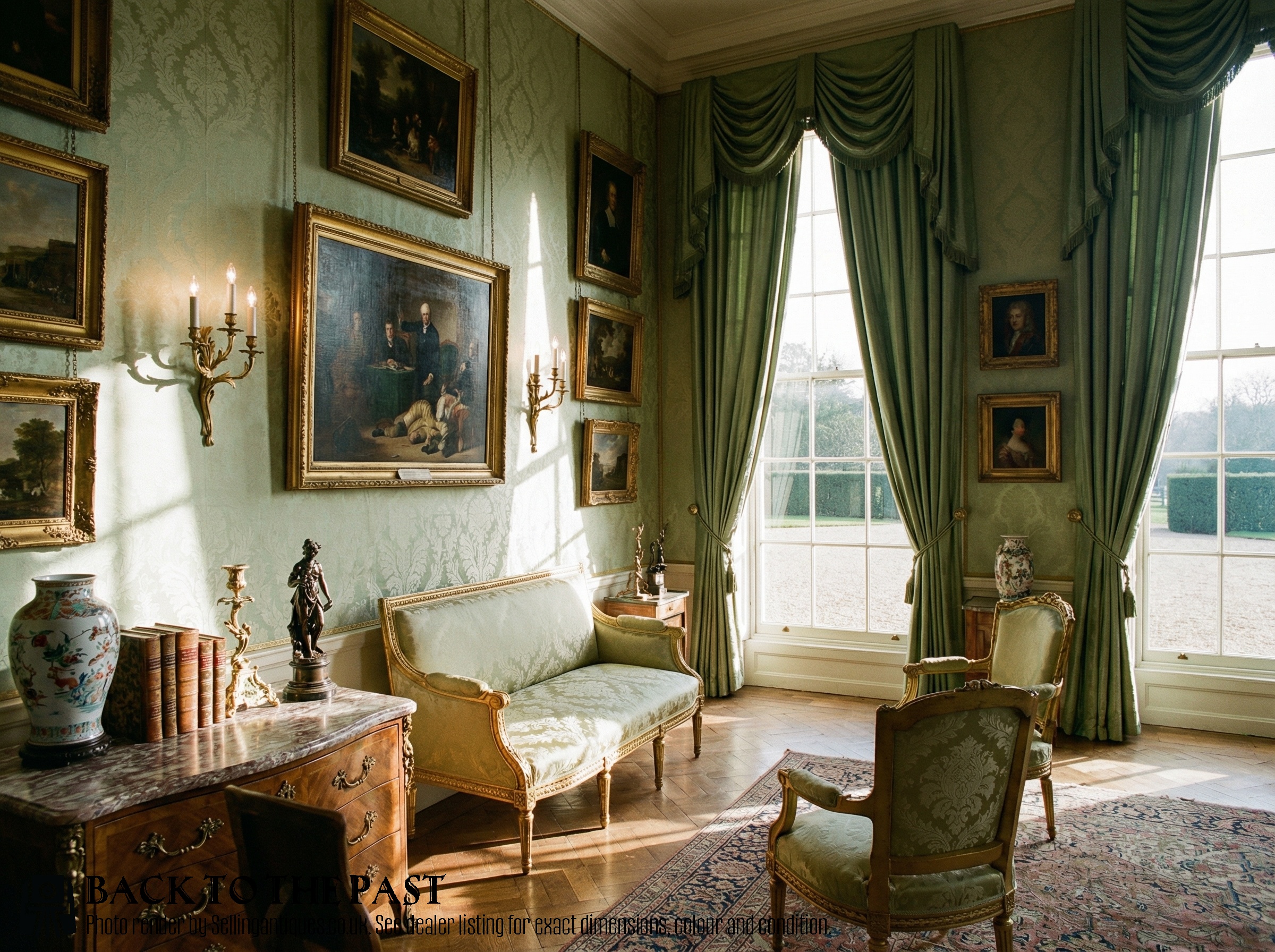
The aesthetic prioritises naturalistic scrolls, asymmetric cartouches, and C-scroll motifs characteristic of the Rococo style. They provide layered accent lighting while serving as sculptural metalwork on panelled or plastered walls.
Materials and Construction
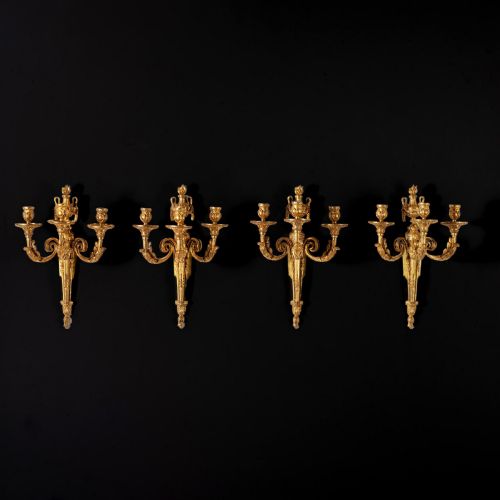
The primary structural materials recorded in these pieces are cast bronze, brass, and gilt metal, often finished with mercury gilding or modern plating to produce an ormulo or gilded surface. Skilled artisans poured molten metal into detailed moulds before chasing the cooled surfaces by hand to sharpen the leaf and scroll motifs.
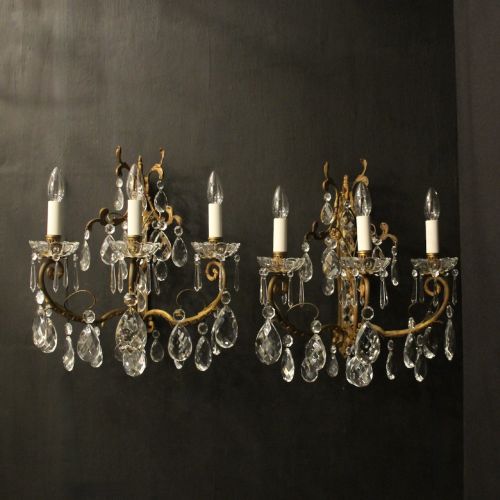
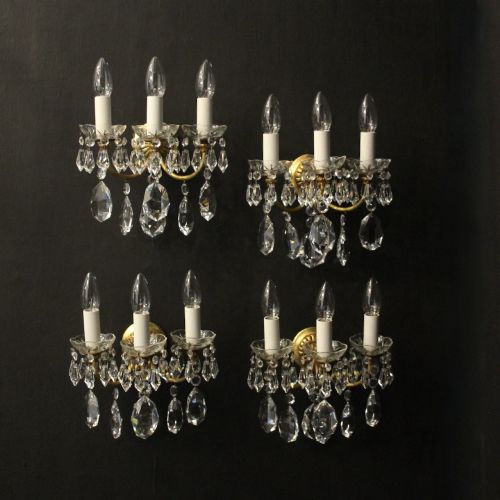
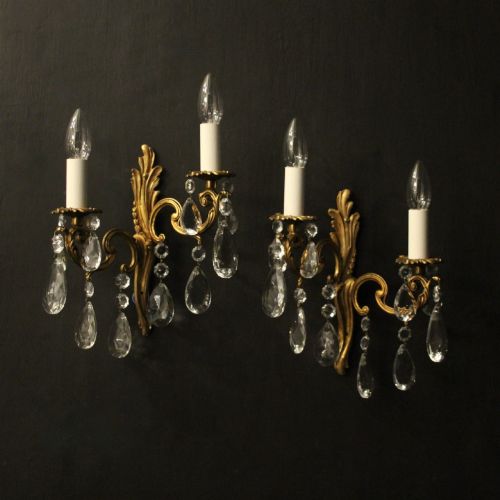
Many items incorporate crystal drops or pendants suspended from the arms to amplify the candlelight or electric illumination. Wiring configurations vary, with numerous vintage pieces updated to modern safety standards while retaining their original cast frames.
Louis XV Sconces Retail Price Guide 2026
Typical asking prices for louis xv sconces among the pieces listed under this phrase on Sellingantiques today, from the lower quarter to the upper quarter. They describe what is for sale here now, not the wider market.
Several sets include tiny hidden screw holes, reminding modern owners of the patient hand-finishing required in period Parisian workshops.
Factors of Quality
The distinction between standard production and superior examples rests on the crispness of the chasing and the depth of the metal casting. Finer pieces exhibit sharp, deeply undercut foliage and organic asymmetry, whereas lesser items rely on softer, shallower surface relief from worn moulds.
The quality of the gilding also dictates the tier of the piece, with durable fire-gilded ormolu maintaining a richer warmth than thinner applied finishes. Furthermore, complete matching sets command greater interest than assembled pairs due to consistency in branch count and casting detail.
Jean Haure
The Louis XV Sconces Glossary
- Ormolu
- Gilt bronze created by applying a mercury and gold amalgam to a bronze base and firing it in a kiln. This technique yields a deep, enduring metallic lustre characteristic of high-end French decorative metalwork.
- Applique
- A wall-mounted lighting fixture attached directly to a vertical surface. In historical contexts, this term is frequently used interchangeably with wall sconce.
- Rococo
- An artistic style originating in France characterised by ornate, asymmetrical scrollwork, plant motifs, and shell-like forms. It forms the primary design vocabulary for louis xv sconces.
- Chasing
- The manual post-casting process of refining metal surfaces with hammers and punches. Artisans use this technique to add texture, clarify details, and eliminate casting flaws.
- C-Scroll
- A curved decorative motif resembling the letter C, commonly utilised in Rococo design to create fluid, dynamic movement along the arms and backplates.
Louis XV Sconces: Frequently Asked Questions
How do I install antique wall sconces?
Most antique wall lights require professional electrical installation to ensure the backplates mount securely to wall studs and wiring meets current standards. Many period pieces are adapted with modern internal wiring while preserving the external historical components.
Positioning depends on ceiling height and room proportions, typically placing the fixtures at eye level to frame mirrors, fireplaces, or architectural doorways effectively.
What is the difference between ormolu and gilt brass?
Ormolu specifically denotes cast bronze finished with a mercury-gilt process that bonds gold to the metal surface. Gilt brass typically involves a brass substrate with electroplated or applied gold-coloured finishes.
Both materials deliver a bright golden appearance, but ormolu generally provides greater weight, sharper cast detail, and superior longevity under gentle maintenance.
Can these sconces use modern light bulbs?
Yes, standard candelabra-base LED bulbs are widely utilised in rewired antique wall lights to replicate the warm glow of historical candles without generating excessive heat. It remains important to verify that the socket wattage aligns with the capacity of the restored internal wiring.
Using low-wattage frosted bulbs also prevents glare when the fixtures feature suspended crystal drops or faceted pendants.
How should I clean gilded metal wall lights?
Dusting the fixtures regularly with a soft, dry microfibre cloth prevents dust accumulation in the recessed scrollwork and chased details. Avoid harsh chemical cleaners, abrasive pads, or metal polishes, as these substances strip away delicate gilt surfaces.
If the metal requires deeper cleaning, a damp cloth with mild soapy water followed by immediate drying is generally sufficient for protected ormolu and brass.