
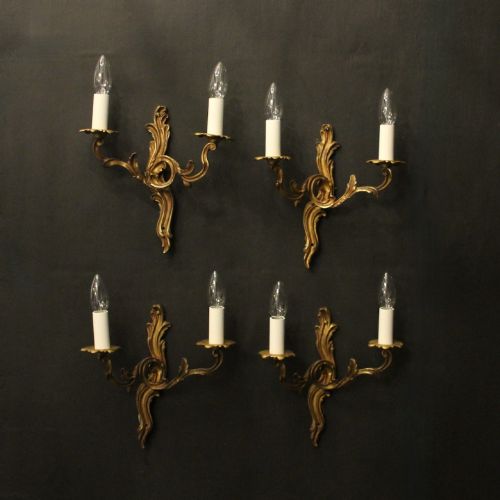

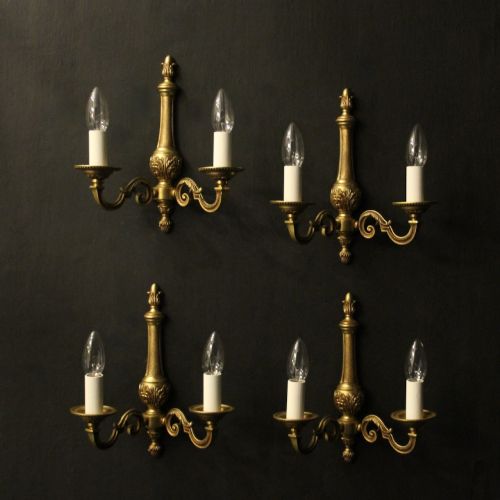
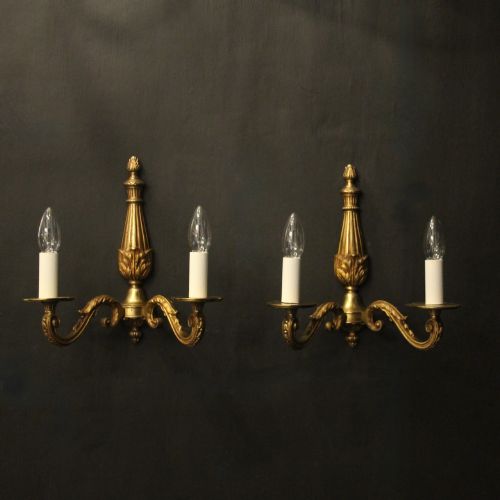
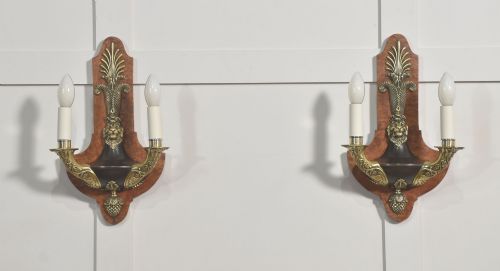
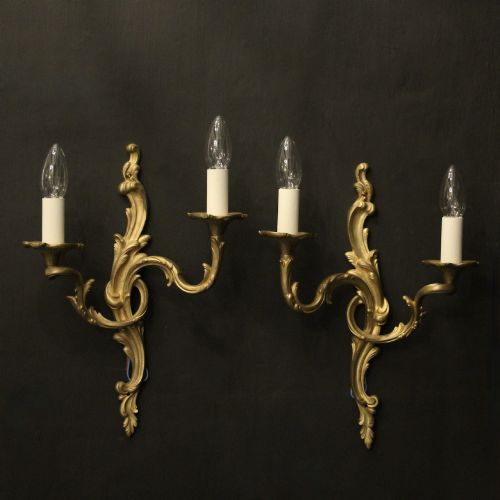
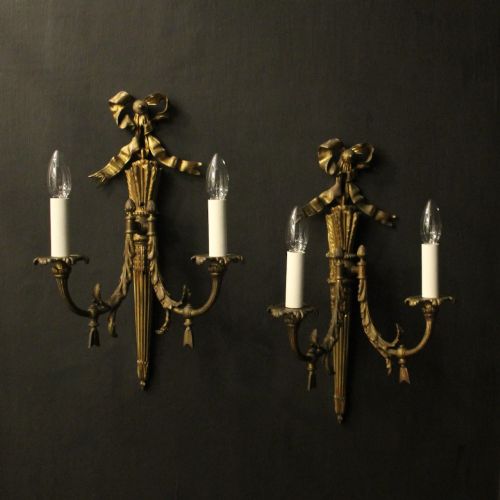
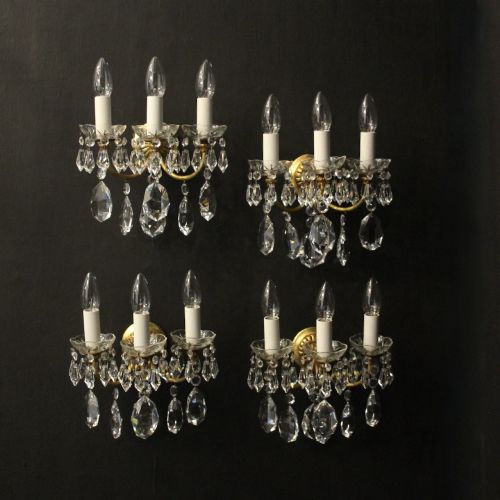
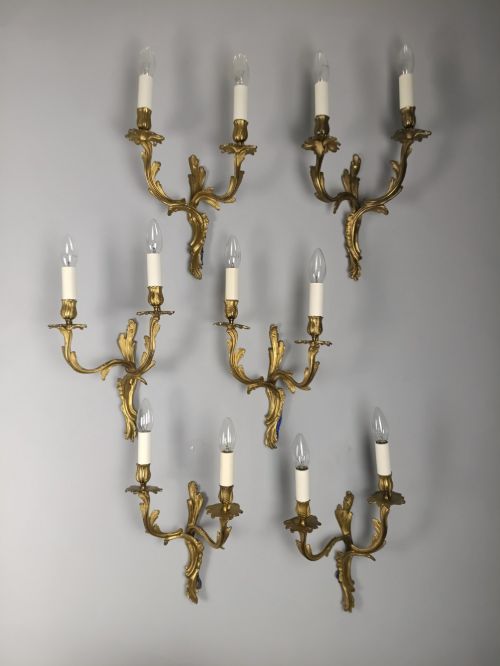
Vintage Brass Appliques
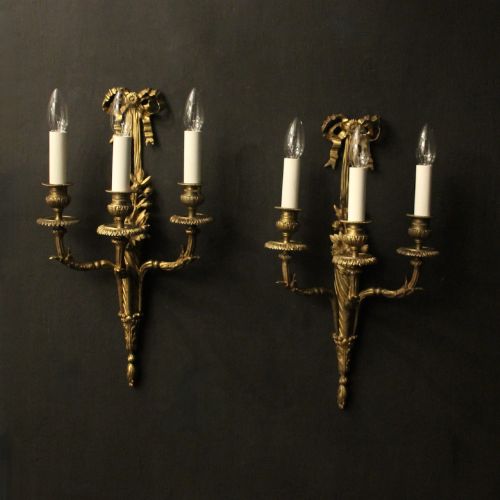
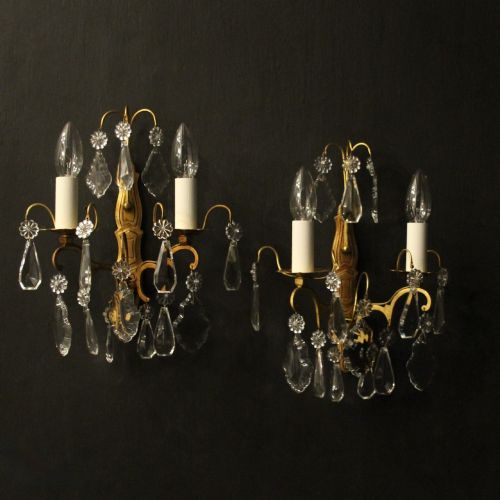
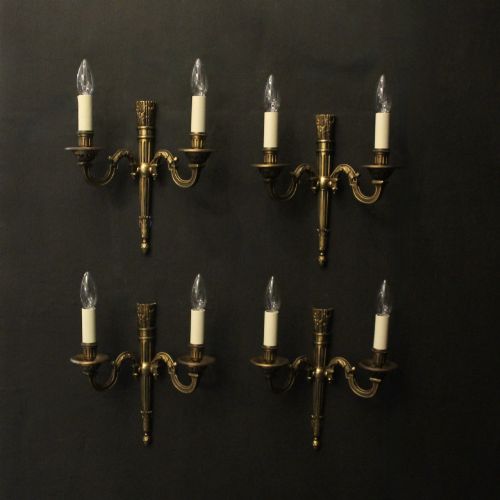
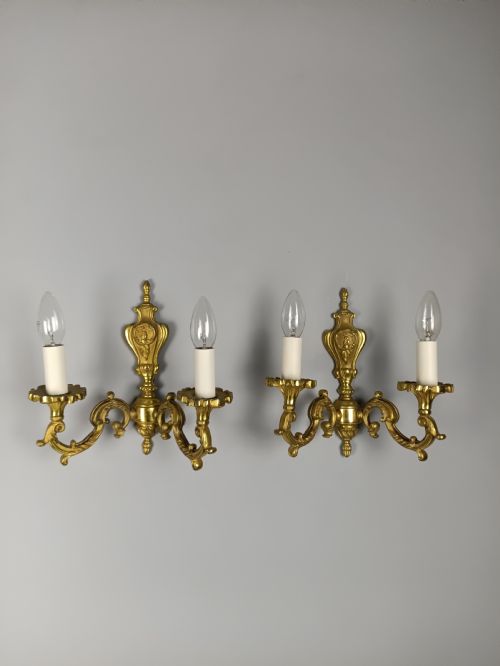
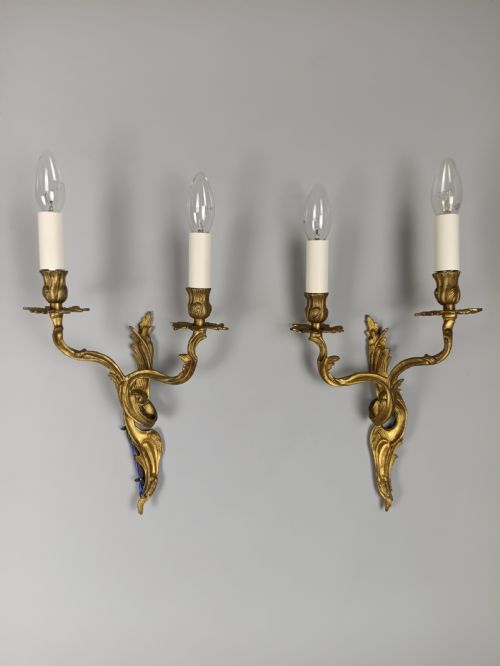
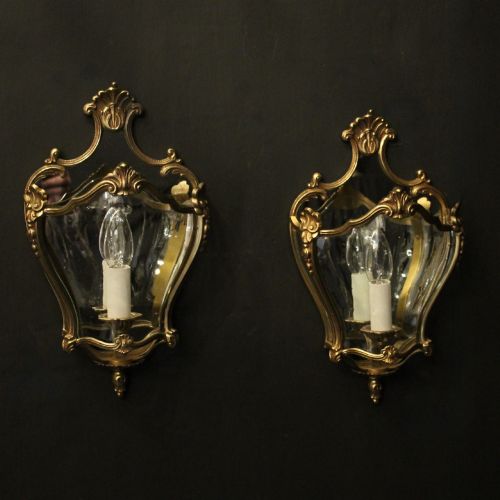
These vintage brass appliques bring period illumination and French decorative flair to interior walls.
What vintage brass appliques are
How vintage brass appliques were made
Metalworkers utilised casting techniques to shape heavy brass and bronze components into elaborate wall lights. Ormolu finishes and gilding were applied to metal surfaces to catch candlelight and early electric illumination.
Enamel and glass elements were integrated into fixtures alongside patinated metalwork. Construction methods relied on mechanical fixings to join structural arms and backplates.
Retail Price Guide 2026
Typical UK retail prices for vintage brass appliques, calculated from the Sellingantiques database of over a million retail prices indexed since 2003. This retail price guide relies exclusively on Sellingantiques data; no external sources or auction records are used, so the figures do not describe the wider market.
Listings feature periods spanning from the Victorian era and Georgian times through to nineteen-thirty Art Deco designs.
What varies in quality
Quality rests in the crispness of the metal casting and the depth of the original gilding or patination. Pieces showing refined chasing on the brass display a higher level of workshop skill than simpler castings.
The integrity of matched pairs and original components elevates a fixture above modified or assembled examples. Heavier gauge metalwork and intact enamel details separate superior decorative lighting from standard commercial output.
The Vintage Brass Appliques Glossary
- Applique
- A wall-mounted decorative light fixture designed to hold candles or electric lamps. These fixtures project illumination outward from vertical surfaces.
- Ormolu
- Gilded bronze or brass used extensively in French decorative arts. The finish provides a bright golden surface that resists tarnish.
- Patina
- The surface ageing and oxidation acquired by metal over decades of exposure. This natural layer indicates genuine age on brass and bronze.
- Empire
- A nineteenth-century neoclassical design style defined by classical symmetry and military motifs. Pieces from this tradition utilise heavy cast metals.
Frequently Asked Questions
How do I install vintage wall appliques?
These fixtures require secure mounting to wall studs or appropriate wall anchors due to their solid metal weight. Professional electrical installation ensures safe connection to modern household wiring.
Position fixtures at eye level or slightly above to create balanced illumination in hallways or reception rooms. Ensure backplates sit flush against the wall surface.
How do I clean antique brass lights?
Dust metal surfaces regularly with a soft, dry cloth to prevent grime accumulation. Avoid harsh chemical cleaners that strip historical patina.
Preserving the aged surface maintains the character developed over decades of existence. Gentle dusting keeps enameled and gilt details intact.
Are these wall lights wired for electricity?
Many period fixtures undergo rewiring to meet current safety standards while retaining their original exterior appearance. Some examples preserve candle-holding configurations for decorative effect.
Check individual listing details regarding current internal wiring status. Consult a qualified electrician before mounting and powering older fixtures.
How do I identify French Empire style?
French Empire lighting incorporates classical motifs such as laurel wreaths, urns, and strict symmetrical lines. These designs reflect Napoleonic taste and heavy bronze construction.
Look for cast metal components finished with gilding or ormolu. The aesthetic emphasises grandeur and architectural presence on the wall.