

Gold Wall Appliques
Gold wall appliques bring period warmth and classical design to a room, offering brass and gilt surfaces that catch the evening light.
What These Gold Wall Appliques Are
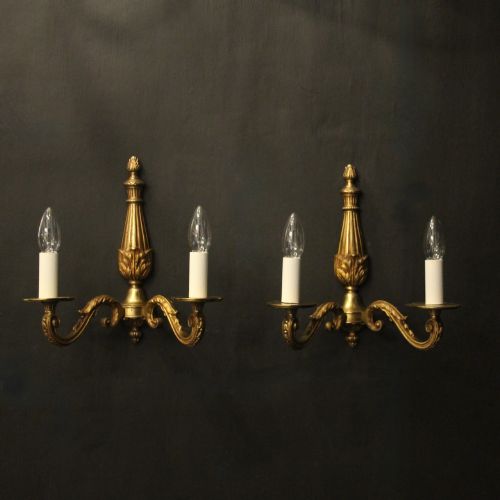
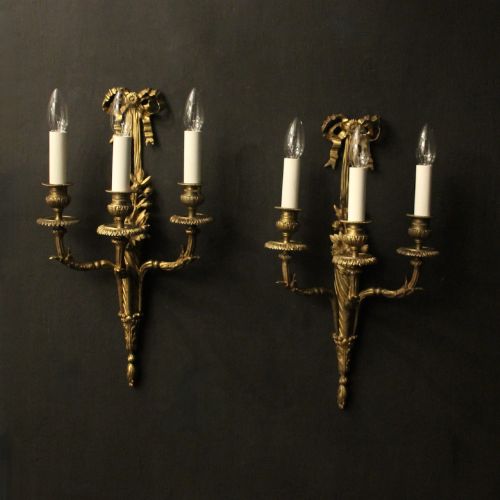
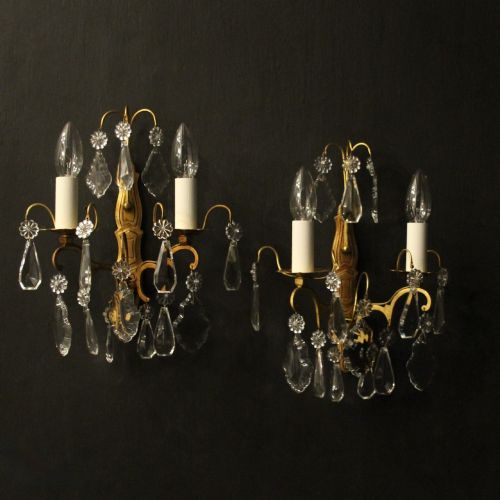
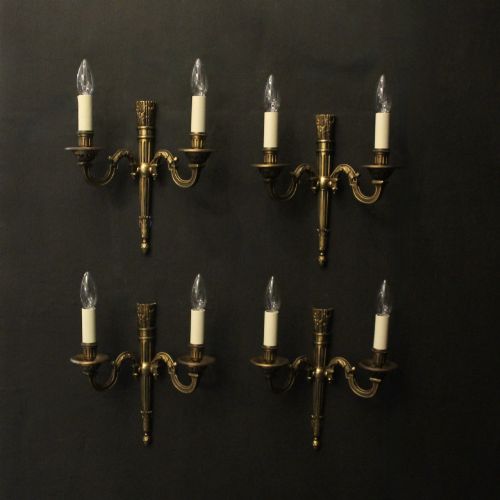
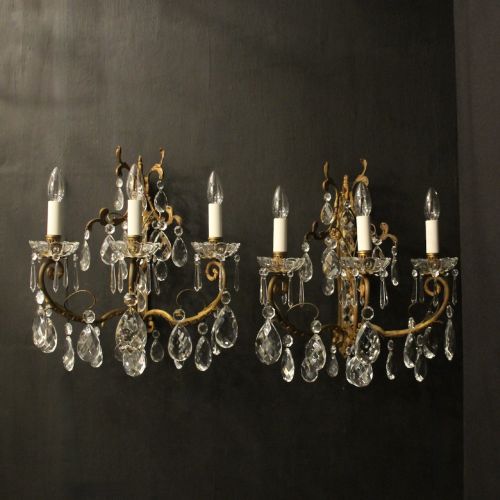
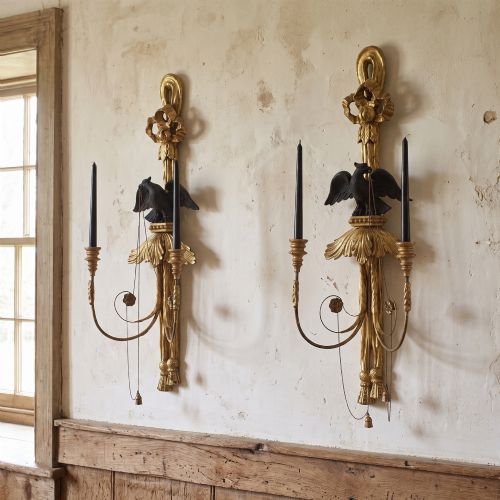
Gold wall appliques encompass wall sconces and wall lights styled after historical periods from Georgian to the nineteen-twenties. These fixtures provide illumination while acting as decorative focal points on interior walls.
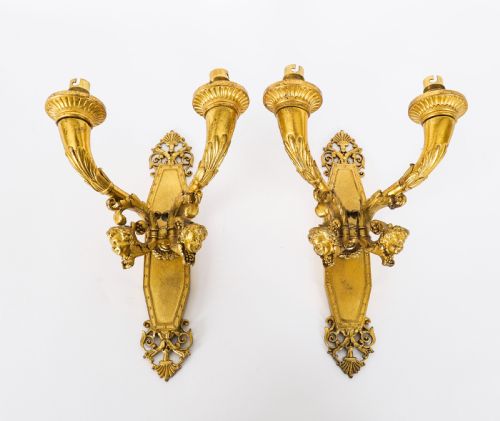
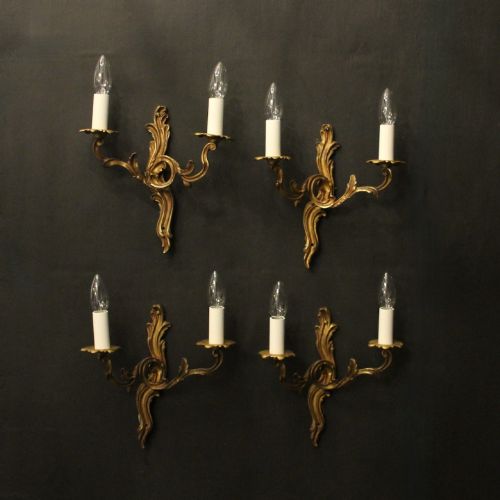
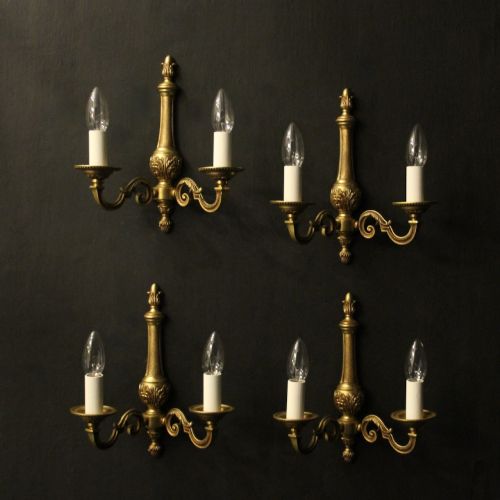
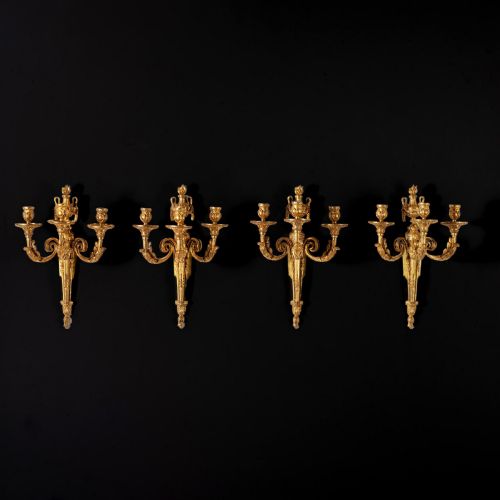
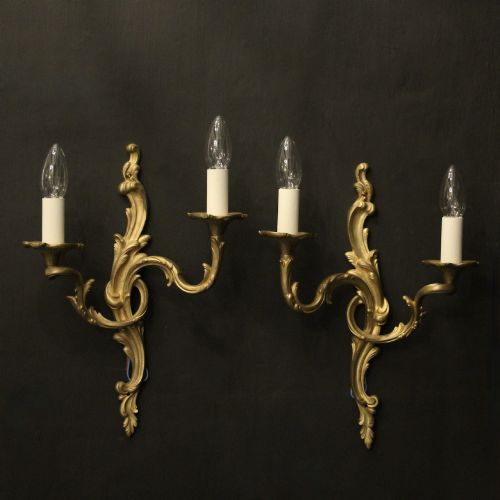
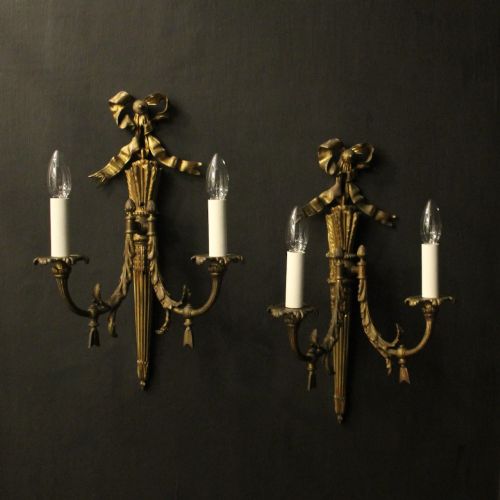
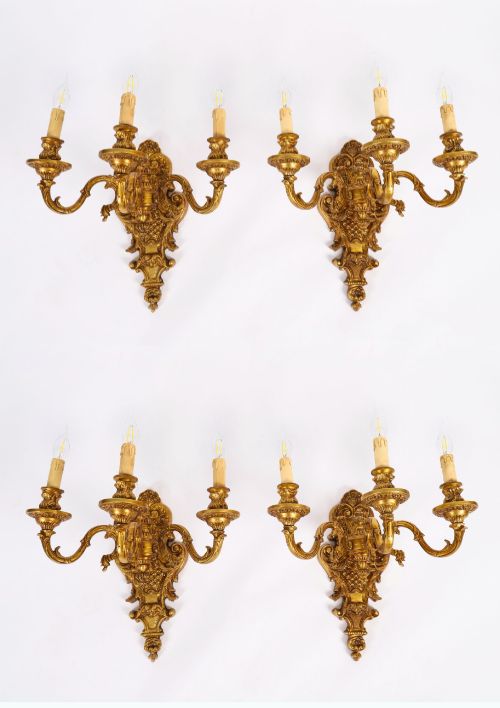
The pieces appearing on this page span several design traditions, including French Neoclassical, Louis XVI, and French Rococo aesthetics. Most examples use brass, cast brass, or gilded bronze to achieve their metallic finish.
How They Were Made
Manufacturing methods rely heavily on cast brass and gilded bronze, shaped into symmetrical arms and backplates. Metalworkers utilised traditional casting techniques to create relief details associated with neoclassical and rococo revival styles.
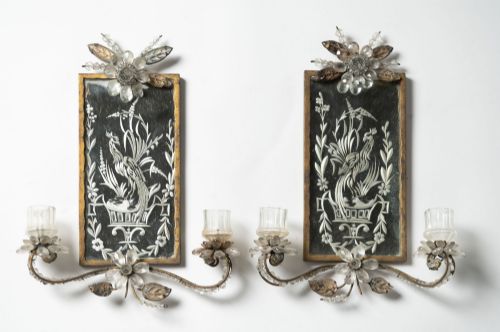
Surfaces receive gilt finishes or applied gilding over base metals such as brass and iron. Frosted glass elements occasionally accompany these metal structures to diffuse the light emitted from the sconce.
Retail Price Guide 2026
Typical UK retail prices for gold wall appliques, calculated from the Sellingantiques database of over a million retail prices indexed since 2003. This retail price guide relies exclusively on Sellingantiques data; no external sources or auction records are used, so the figures do not describe the wider market.
Materials recorded on this page include cast brass, gilded bronze, standard metal, and frosted glass elements.
What Varies in Quality
The distinction between standard and superior pieces lies in the crispness of the cast metal details and the depth of the gilding. Finer examples display sharp acanthus leaves, urns, and floral motifs without the softening typical of secondary casts.
Construction methods also separate the range, with better appliques employing heavy-gauge cast brass or bronze rather than light stamped metal. The structural integrity of the arm joints and the quality of the backplate attachment dictate how securely the fixture hangs.
The Gold Wall Appliques Glossary
- Gilt bronze
- Bronze that has been coated with a layer of gold leaf or gold amalgam. This technique provides a durable metallic sheen characteristic of French decorative objects.
- Wall sconce
- A light fixture fixed to a wall such that it uses the wall for backing and usually throws the light upward and outward. These units often feature multiple candle arms converted to electricity.
- Neoclassical
- A style reviving classical Roman and Greek forms, prevalent in the eighteenth and nineteenth centuries. It relies on symmetry, straight lines, and motifs like urns and swags.
- Cast brass
- An alloy of copper and zinc poured into moulds to create solid decorative components. This method allows for intricate relief work on backplates and arms.
- Louis XVI
- A French design period defined by straight lines, classical proportions, and restrained ornamentation. It contrasts with the earlier, more asymmetrical Rococo style.
Frequently Asked Questions
How do I wire antique wall appliques?
Most older wall appliques require professional rewiring to meet modern electrical safety standards. An electrician can run modern flex through the existing channels without altering the visible metal structure.
Period sconces originally held candles or gas, meaning contemporary installations depend on discreet internal adaptations. Discuss placement with your electrician before mounting to ensure the backplate covers the wall junction box correctly.
Where should I place wall appliques?
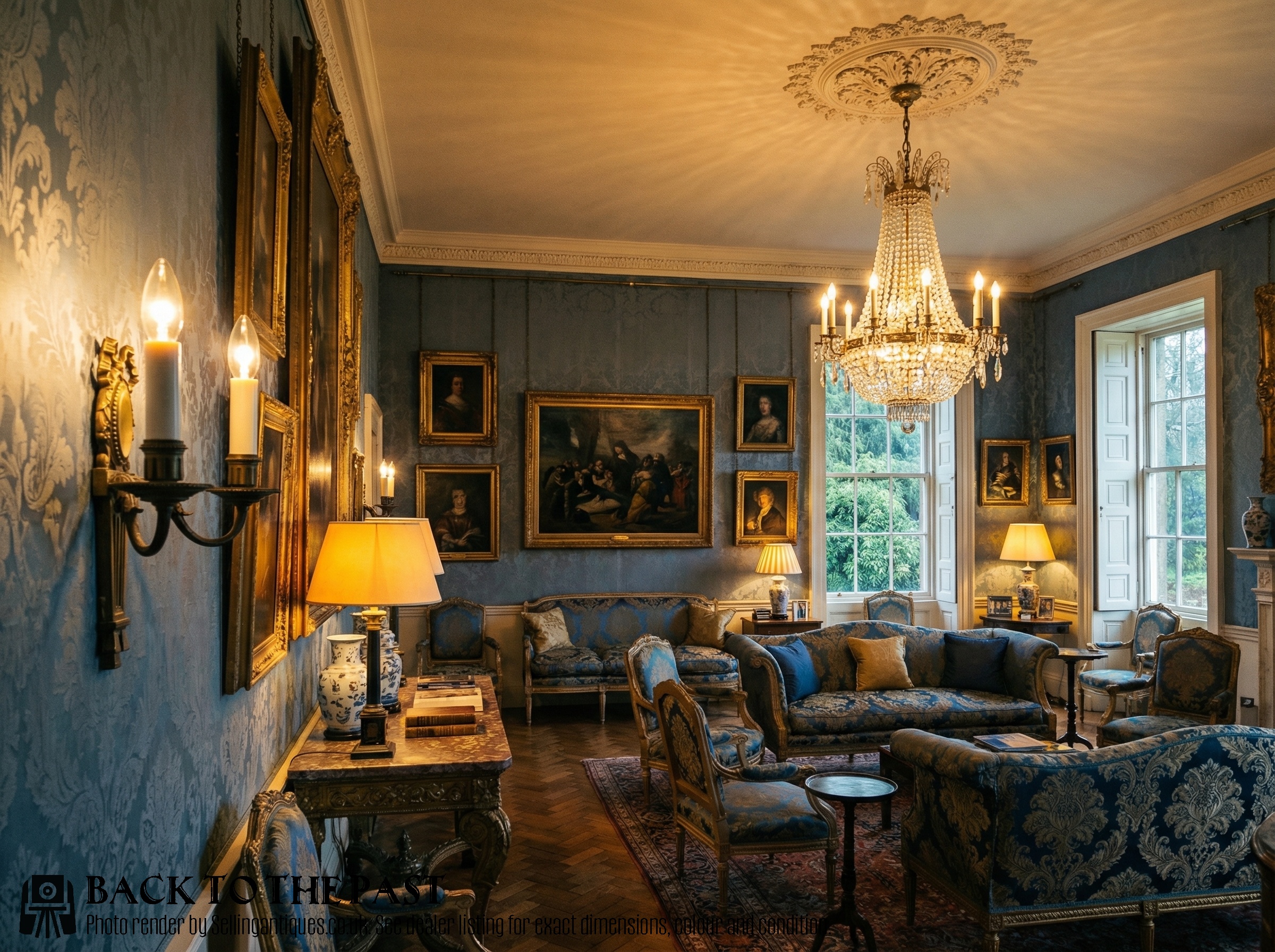
Position wall appliques at eye level, typically around five feet from the floor, to avoid direct glare from the bulbs. They work effectively flanking a fireplace, a large mirror, or framing a doorway.
In dining rooms or hallways, pairing two matching sconces creates balanced ambient illumination. Ensure the scale of the fixture matches the wall space available so the piece does not look lost.
How do I clean gilded bronze?
Dust gilded bronze and brass surfaces gently with a soft, dry cloth to prevent the accumulation of grime. Avoid abrasive cleaners, silver dips, or aggressive polishing, which will strip the thin gold layer from the metal.
If the metal requires more attention, use a mild solution of soapy water on a damp cloth, drying immediately. Preserving the original surface patina maintains both the character and visual depth of the piece.
How do I tell Louis XVI from Rococo appliques?
Louis XVI appliques display straight lines, geometric symmetry, and classical motifs like urns and ribbons. The overall silhouette remains orderly and restrained compared to earlier variations.
French Rococo appliques, by contrast, embrace asymmetry, C-scrolls, and organic leaf forms. The metalwork twists and turns dynamically, avoiding the strict geometry found in later neoclassical designs.