

Edwardian Wall Sconces
Edwardian wall sconces bring period illumination to interiors through brass, copper, and silver plated metalwork.
Edwardian Wall Sconces
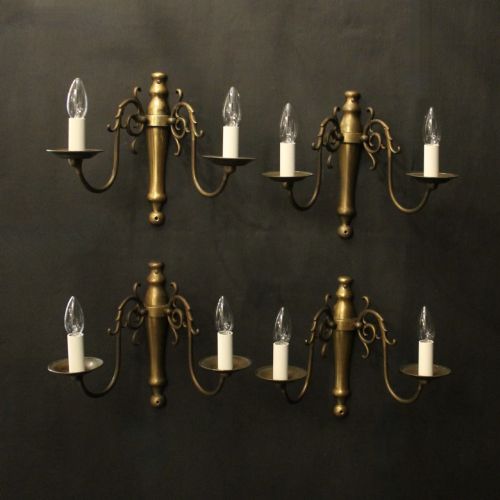
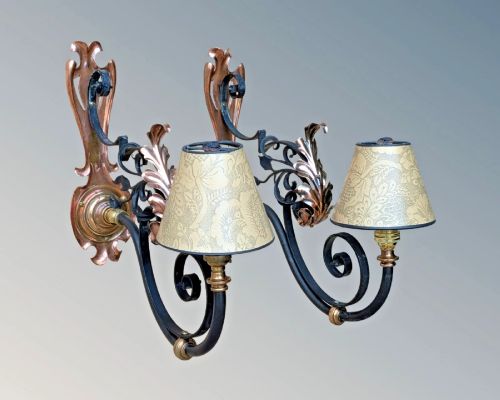
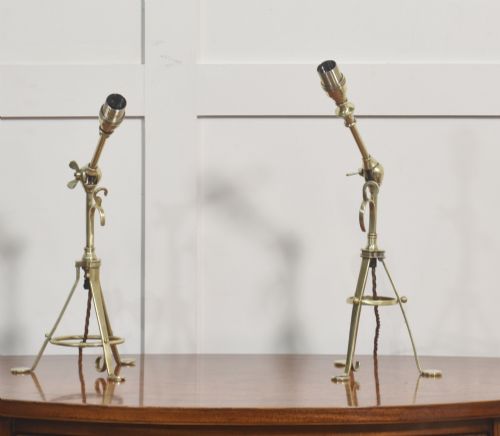
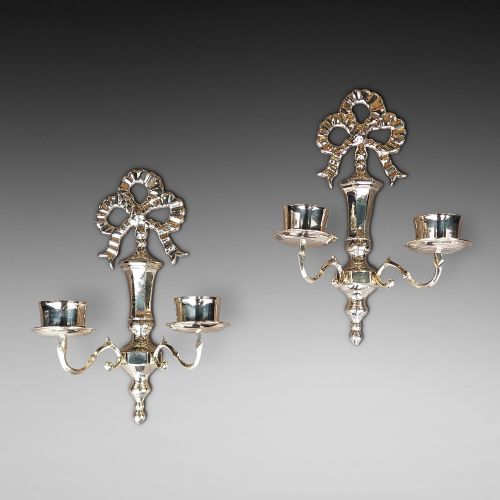
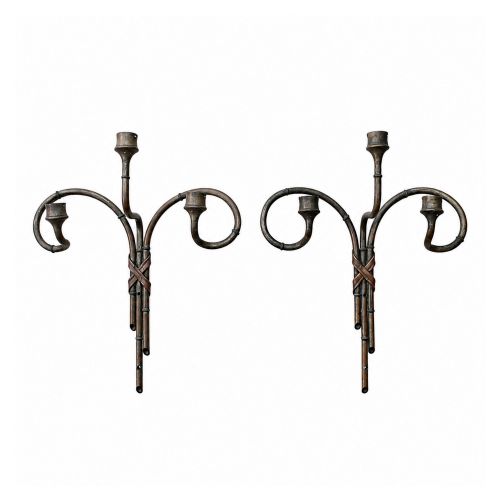
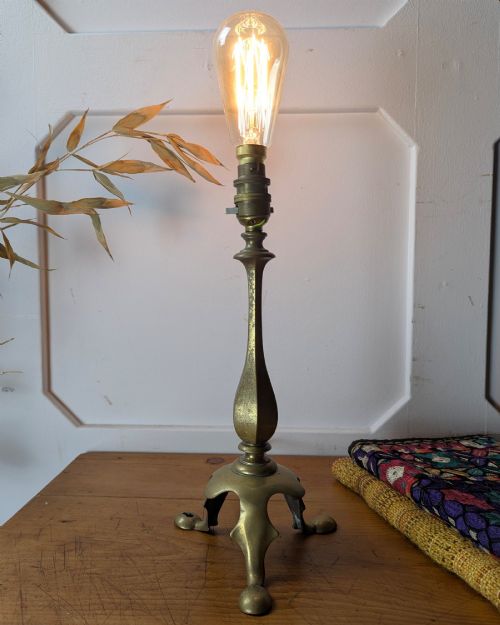
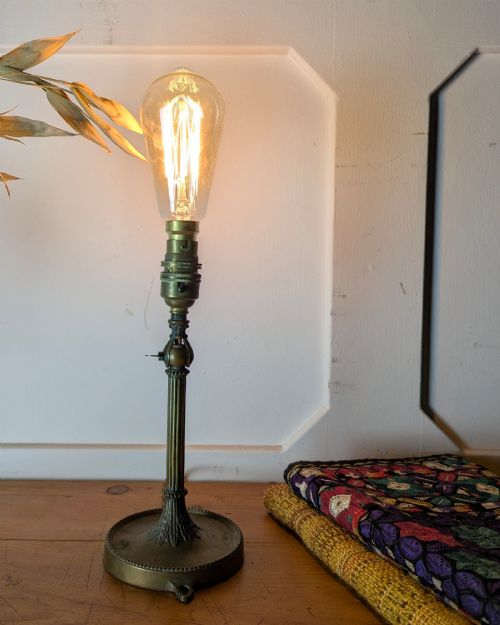
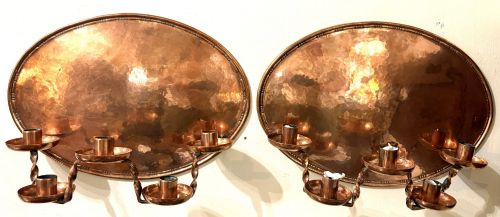
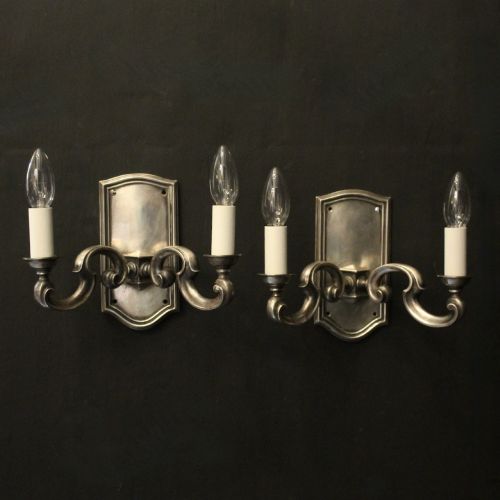
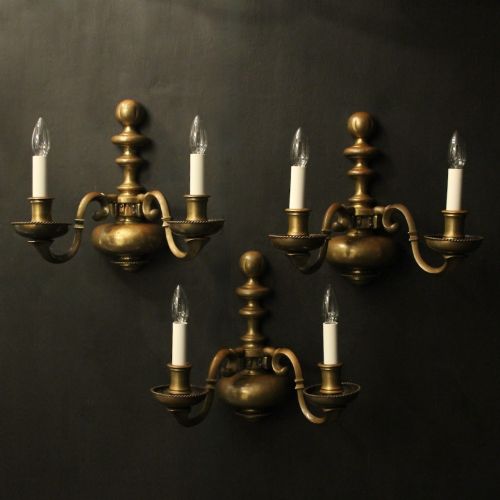
When you search for Edwardian wall sconces, you encounter domestic light fittings intended for candles, gas, or early electricity. The most common examples on this page are brass or copper fixtures dating from the turn of the twentieth century, often found in pairs.
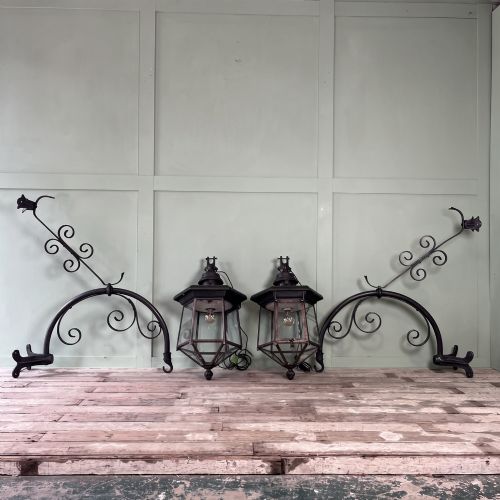
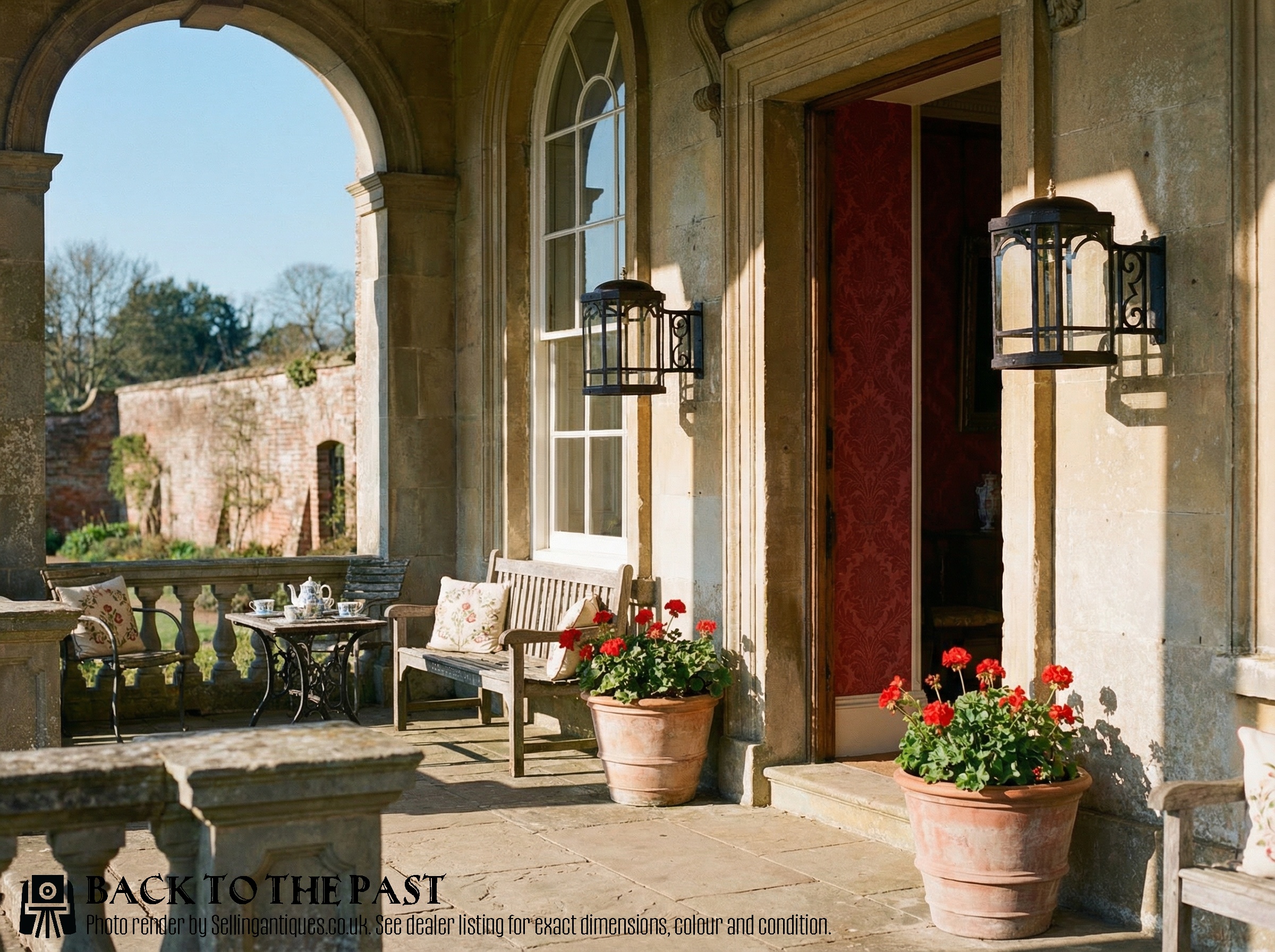
The selection ranges from simple domestic candle brackets to substantial outdoor lanterns and multi-armed fixtures designed for larger rooms. Alongside strictly Edwardian pieces, the inventory includes related items from the Victorian and Arts and Crafts periods.
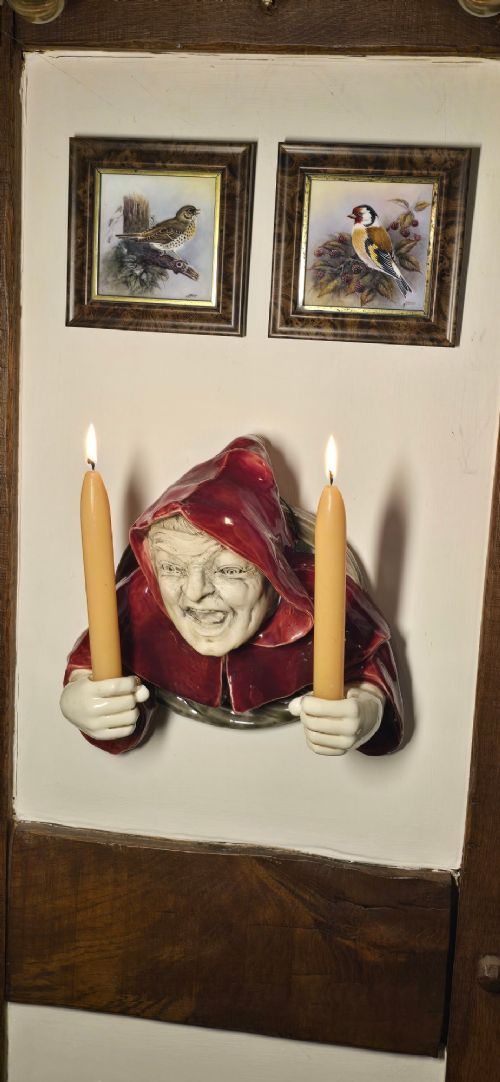
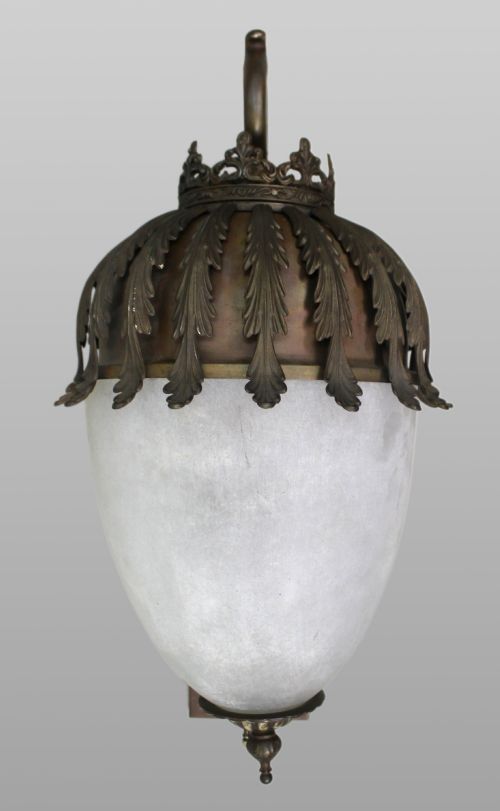
Forms vary from utilitarian coach-house lanterns to ornate neo-classical ormolu and glass wall lights. Many pieces reflect contemporary revivals, including Louis revival designs and Georgian influences.
Materials and construction
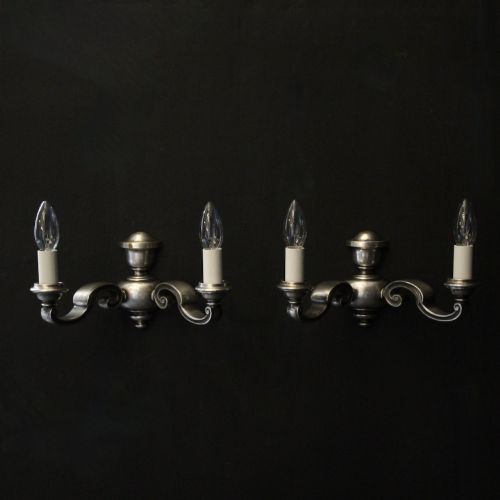
Metal forms the foundation of these pieces, predominantly cast and spun brass, wrought iron, and copper. Silver plating and gilt metal finishes frequently appear on formal reception room lights, while verdigris patination marks outdoor and utility lanterns.
Secondary elements include cut glass, crystal drops, velvet panels, and occasionally carved wood or giltwood. Construction methods combine metal casting, riveting, and hand-beating, particularly evident in Arts and Crafts copper work.
Edwardian Wall Sconces Retail Price Guide 2026
Typical asking prices for edwardian wall sconces among the pieces listed under this phrase on Sellingantiques today, from the lower quarter to the upper quarter. They describe what is for sale here now, not the wider market.
Several heavy iron prison bag lights appear here, proving that even institutional security once required decorative illumination.
Quality differences
The distinction between ordinary and superior pieces rests on the weight of the metal and the crispness of the casting. Substantial brass and bronze components with deep relief ornament indicate better workshop output than thin pressed metal.
Finish and detailing set finer examples apart, such as hand-chased enrichment on ormolu mounts or integrated cast glass components. Original surface patination and completeness of matching sets also determine the standing of individual fixtures.
W.A.S. Benson·REVO Leicester·Liberty
The Edwardian Wall Sconces Glossary
- Ormolu
- Gilded bronze or brass applied to decorative metalwork. This technique creates a rich golden surface finish popular in formal revival lighting.
- Girandole
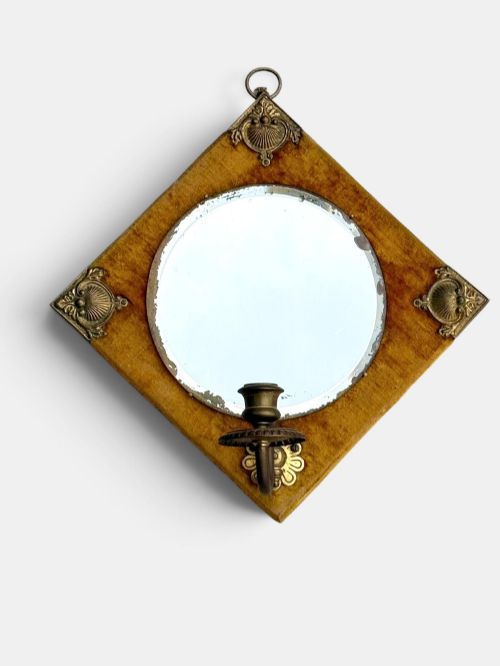
- An ornamental bracket wall light featuring a mirror or reflective backplate. The reflective surface helps amplify the light from candles or early lamps.
- Verdigris
- A green patina formed naturally on copper, brass, or bronze through atmospheric exposure. It frequently coats exterior coach-house lanterns and garden fixtures.
- Gasolier
- A multi-branched lighting fixture originally designed for coal gas. Many surviving examples later underwent conversion to electricity.
- Repoussé
- A metalworking technique where the design is hammered into relief from the reverse side. It appears frequently on Arts and Crafts copper sconces.
Edwardian Wall Sconces: Frequently Asked Questions
How do I wire antique wall sconces?
Most antique wall sconces require rewiring to meet modern safety standards by a qualified electrician. Components can be adapted to take modern lamp holders while preserving the original metal body.
Original backplates often need discreet pattresses or mounting blocks to accommodate contemporary wall wiring and fixing points safely.
Were these lights for gas or electricity?
Many early twentieth-century wall lights were manufactured during the transition period when gas and electric lighting coexisted in homes. Some retained gas keys or burners until later conversion.
Sconces designed for candles often feature drip pans and candle tubes, whereas later twentieth-century variants were built specifically for electrical wiring.
How do I clean brass wall lights?
Dusting with a soft, dry cloth is usually sufficient for regular maintenance of patinated brass surfaces. Avoid abrasive cleaners that strip the historic finish.
If polishing is necessary, use a mild metal cleaner and apply it sparingly around decorative details to preserve the age of the piece.
How do I date Edwardian wall sconces?
Dating relies on stylistic clues, manufacturing techniques, and materials associated with the period between nineteen hundred and nineteen ten. Arts and Crafts motifs and neo-classical revivals provide clear chronological markers.
Maker marks, patent stamps, and the presence of original wiring components or gas fittings also help establish the age of a fixture.