

Vintage Brass Wall Lights
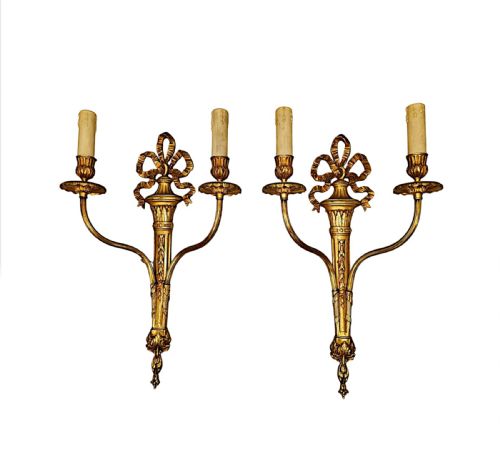
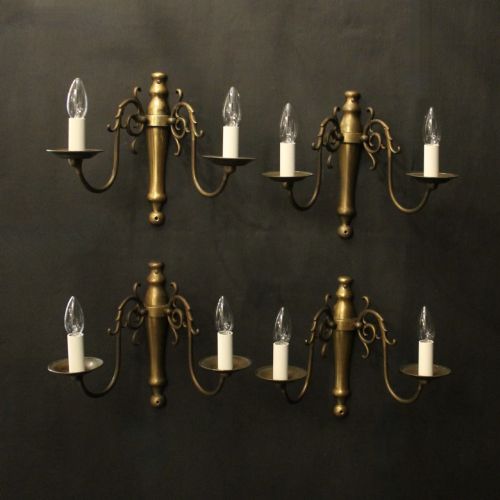
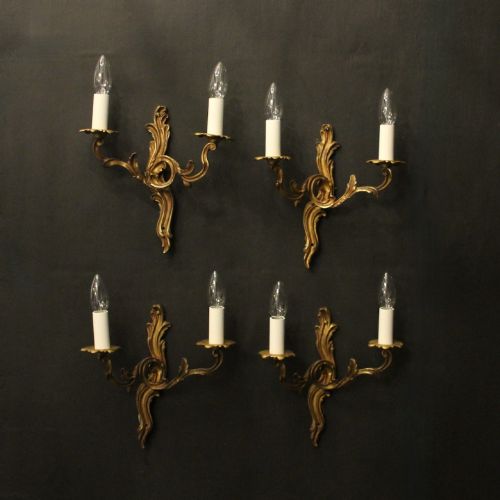
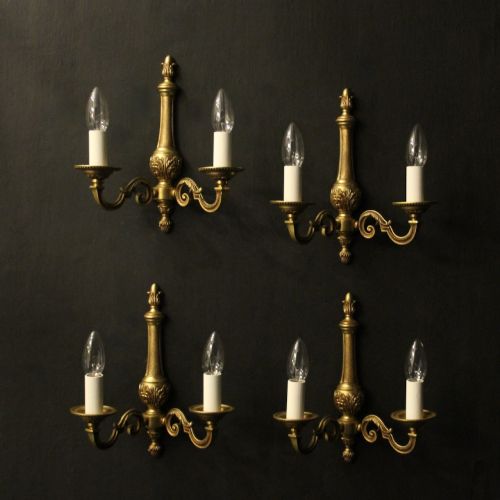
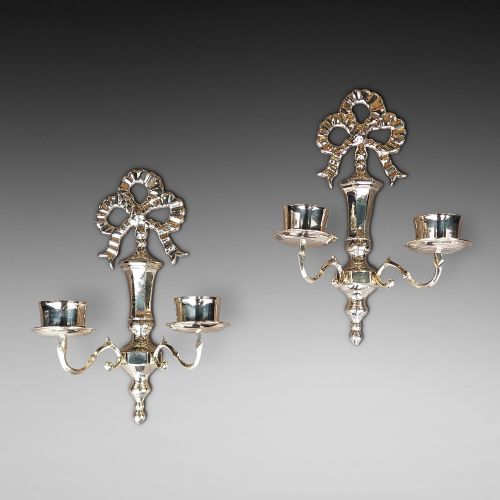
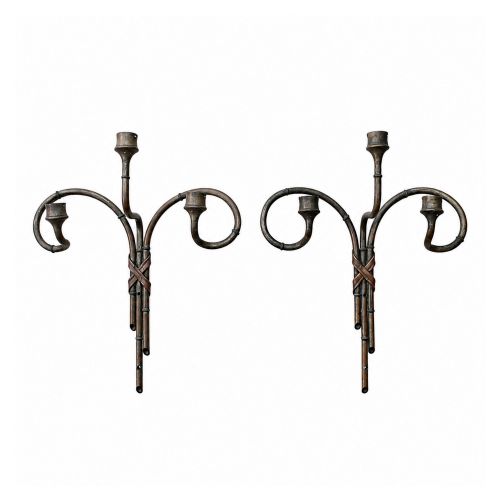
These vintage brass wall lights bring period illumination to interiors, ranging from French Empire sconces to Arts and Crafts designs.

Vintage Brass Wall Lights
These pieces are lighting fixtures designed to mount directly onto vertical surfaces, illuminating rooms with candle or electric power. When searching for vintage brass wall lights, buyers encounter items produced across the nineteenth and twentieth centuries, including the Victorian era, Edwardian period, and the interwar years of the 1920s and 1930s.
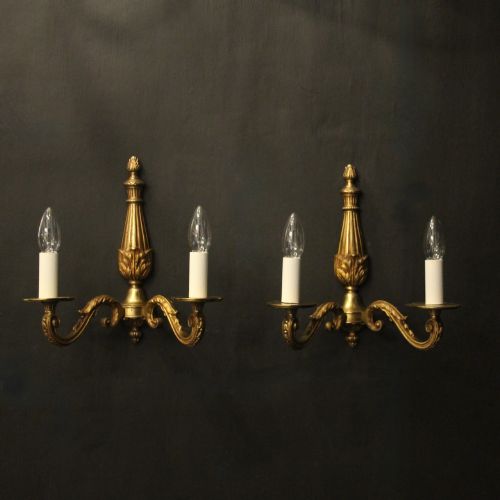
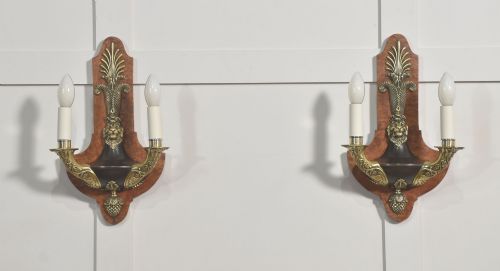
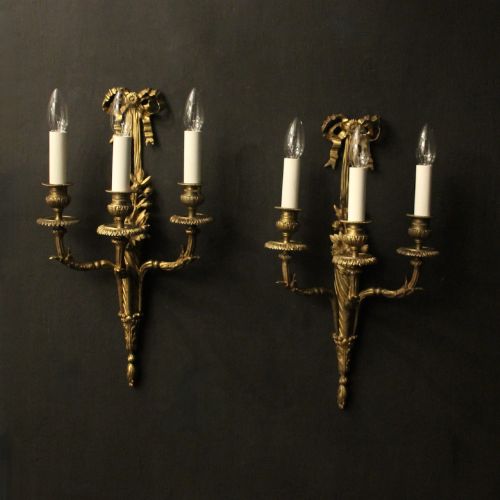
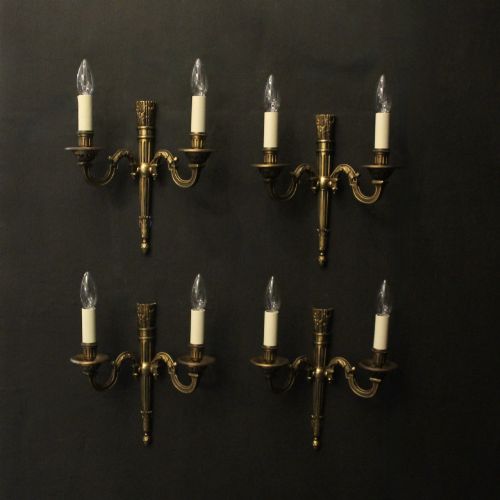
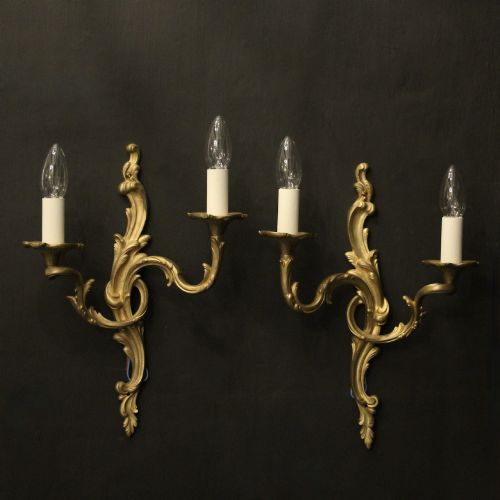
The selection on this page leans heavily toward French production, featuring forms such as twin-arm sconces, half lanterns, and ribbon-tied designs. Alongside these continental items, English and Dutch examples appear, spanning styles from French Rococo and Louis XVI revival to Empire and Arts and Crafts.
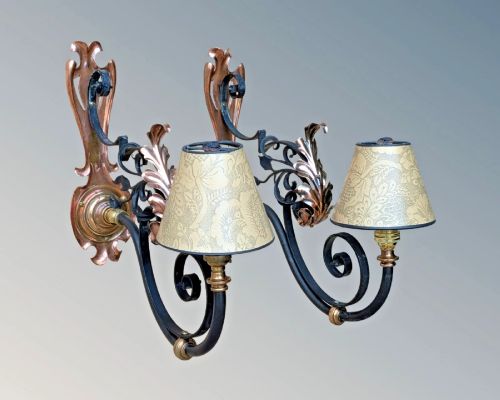
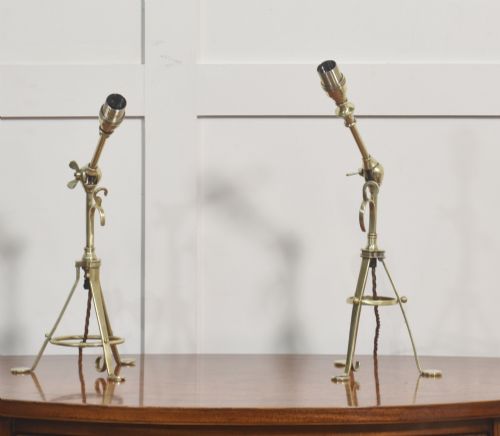
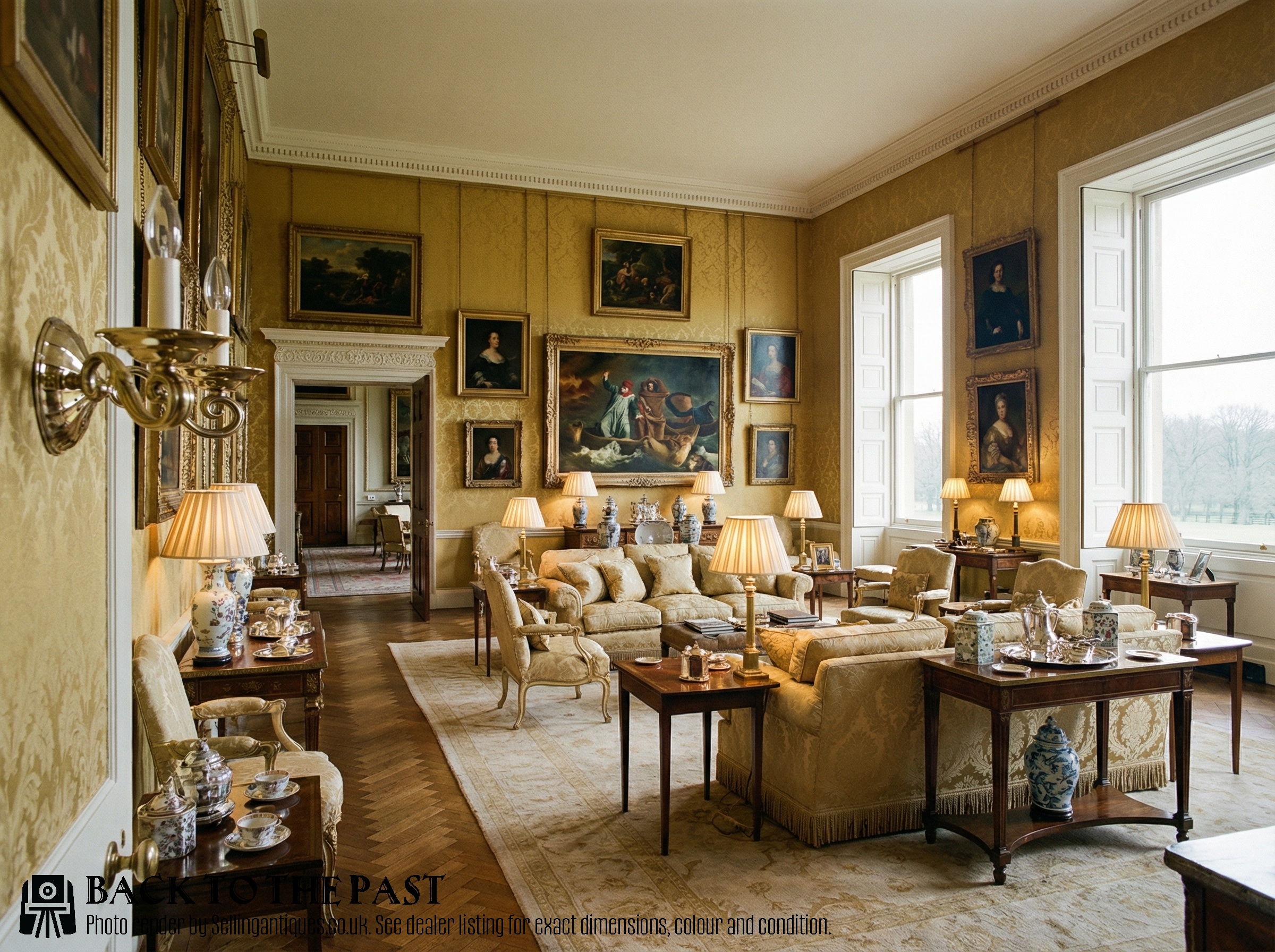
Beyond standard wall lights and wall sconces, the category encompasses related fixtures including wall lanterns, mirror-back sconces, and convertible table lamps. These objects utilise metalwork frames to support multiple candle branches or glass shades, serving functional and decorative roles in hallways, drawing rooms, and studies.
How vintage brass wall lights were made
The manufacturing of these fixtures relies predominantly on brass, metal, gilt brass, and gilt bronze, often complemented by ormolu finishes. Artisans cast these metals into intricate shapes, producing the structural arms, backplates, and decorative motifs that define each style.
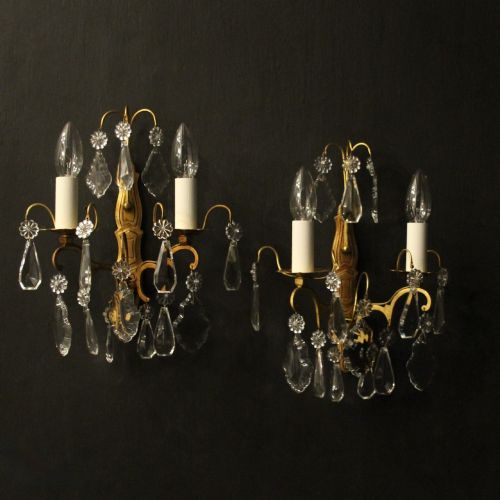
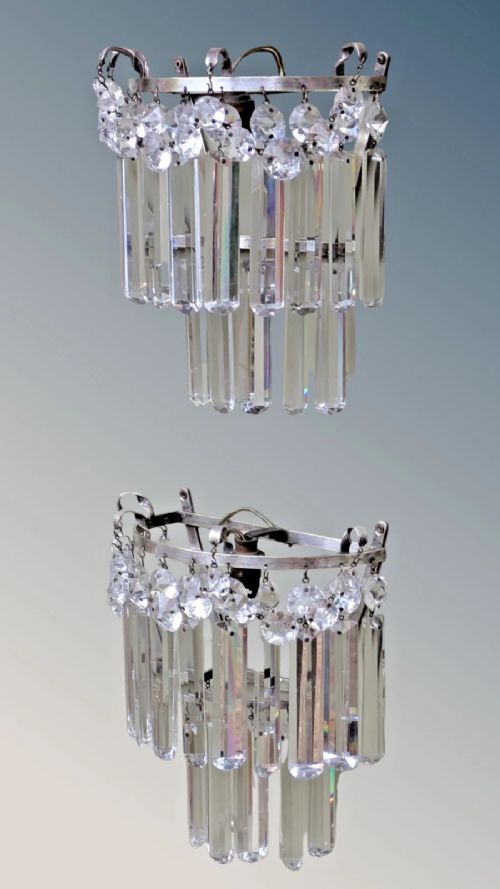
Many items incorporate additional elements such as cut crystal drops, porcelain flowers, glass panels, and wooden components like burr walnut or bamboo. Workshops employed techniques including repoussé work for surface patterning, alongside hand-gilding to apply gold leaf or bronze finishes onto the base metal.
Vintage Brass Wall Lights Retail Price Guide 2026
Typical asking prices for vintage brass wall lights among the pieces listed under this phrase on Sellingantiques today, from the lower quarter to the upper quarter. They describe what is for sale here now, not the wider market.
Listings feature periods spanning from the Victorian era and 1880s through to the 1930s, utilising brass, gilt bronze, crystal, and toleware.
What varies in quality
The distinction between tiers of production lies in the crispness of the metal casting and the depth of the chased detail. Heavier bronze and ormolu mounts display sharper botanical motifs, crisper ribbons, and more defined figurative elements than mass-produced metal alternatives.
Surface finishing plays a primary role in overall standard, with hand-applied gilding and well-preserved patination distinguishing superior examples. Furthermore, the integration of high-grade materials such as cut crystal, Delft ceramic inserts, or fitted mirror plates elevates the execution of the piece.

Casier·W.A.S. Benson·Villeroy & Boch
The Vintage Brass Wall Lights Glossary
- Ormolu
- Gilded bronze, where a gold-mercury amalgam is applied to a bronze base. This technique produces a warm, durable metallic finish found on finer nineteenth-century French lighting.
- Repoussé
- A metalworking method where sheets of brass or copper are hammered from the reverse side to form raised relief designs. It appears frequently on Dutch wall sconces.
- Applique
- A wall-mounted light fixture designed to hold candles or electric lamps, synonymous with a wall sconce. The term derives from French decorative terminology.
- Sconce
- A candle or electric bracket fixed to a wall, often featuring a decorative backplate that reflects light into the room.
- Baluster
- An architectural form shaped like a moulded column or vase, seen in the profiles of specific wall and table lamps.
Vintage Brass Wall Lights: Frequently Asked Questions
How do I install vintage wall lights?
Most vintage wall lights require hardwiring into standard household electrical circuits by a qualified electrician. Bracket fixings on the backplate attach securely to wall studs or pattress boxes.
Heavier bronze and crystal models demand robust wall anchors to support their weight safely. Adjust positioning to complement existing room proportions and furniture placement.
Were these lights originally electrified?
Many items originating from the nineteenth century and early twentieth century were designed for candles before later conversion to electricity. Some pieces incorporate dual-purpose designs or original wiring adapted during the interwar period.
Inspect the internal lampholders and wiring during installation to ensure compliance with modern safety standards. Rewiring preserves the antique metalwork while guaranteeing safe daily operation.
How do I clean gilt brass safely?
Dust the metalwork gently with a soft, dry cloth to remove surface particles without disturbing the finish. Avoid abrasive chemical cleaners or polishes that strip away original gilding and patination.
Glass shades and crystal drops may be removed and washed in warm soapy water before drying thoroughly. Handle gilt bronze and ormolu with care to protect delicate surface details.
What rooms suit twin-arm sconces?
Twin-arm sconces provide balanced ambient illumination suited for hallways, living rooms, and dining spaces. Placing them flanking a mirror or fireplace creates symmetry and enhances light distribution.
Smaller single or twin-arm models fit narrower wall spaces between doorways or windows. Height placement typically positions the light source at eye level for optimal visual impact.