


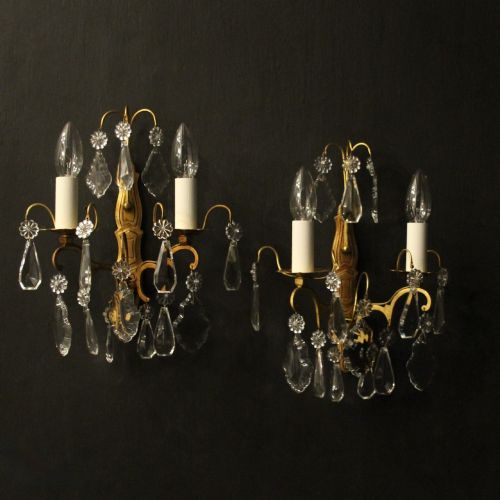
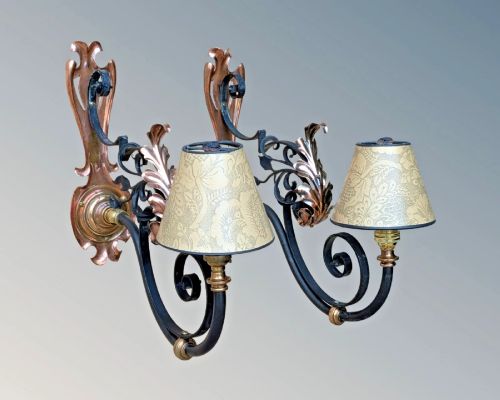
Pair Vintage Wall Lights
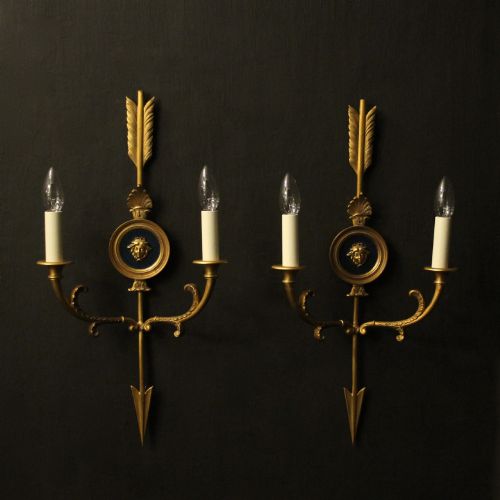
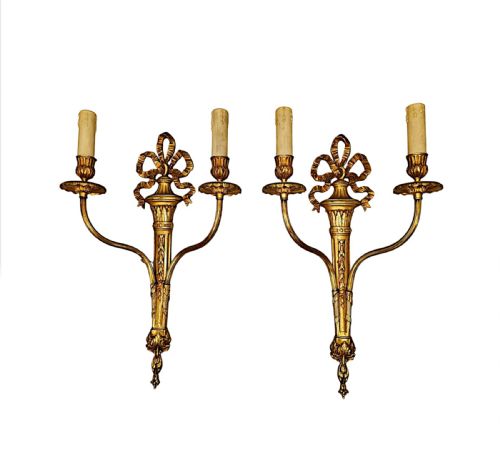
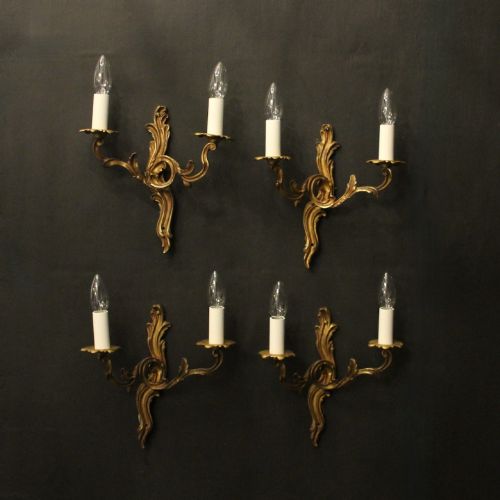
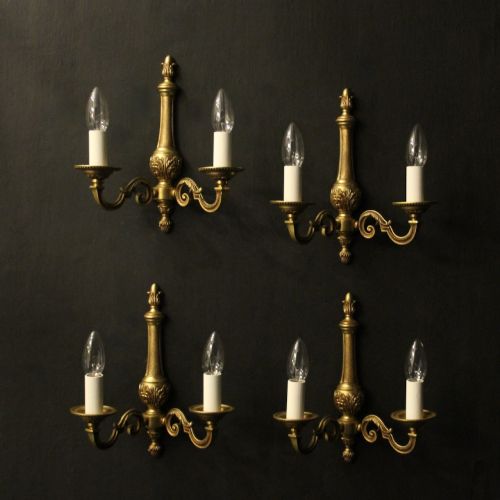
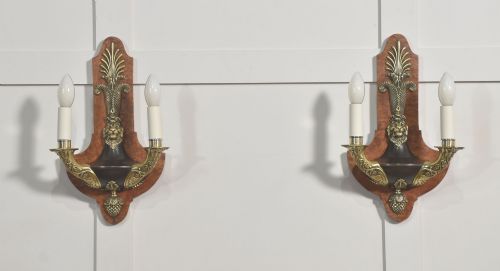
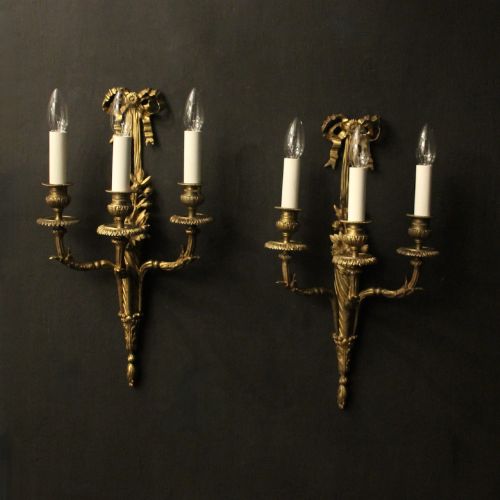
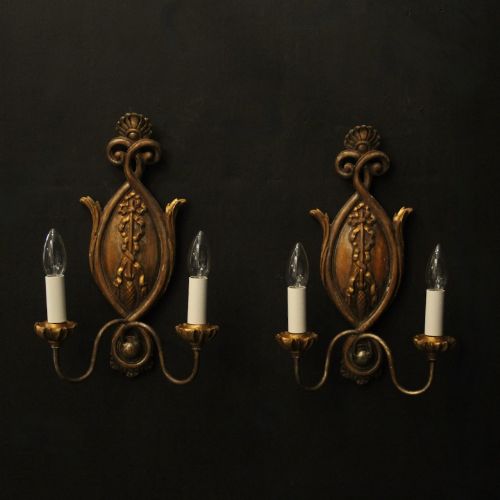
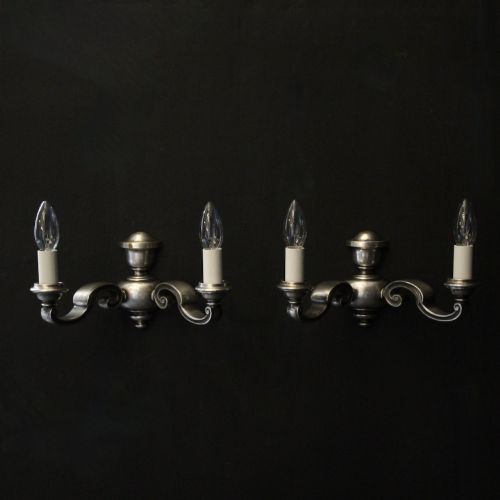
Pair vintage wall lights bring instant symmetry and atmospheric illumination to a room, sourced primarily in French and Florentine styles.
Pair Vintage Wall Lights
When you search for pair vintage wall lights, you encounter matching sets designed to mount directly onto interior walls, providing balanced lighting across a space. The listings show a strong presence of French and Italian pieces originating from the nineteenth and early twentieth centuries.
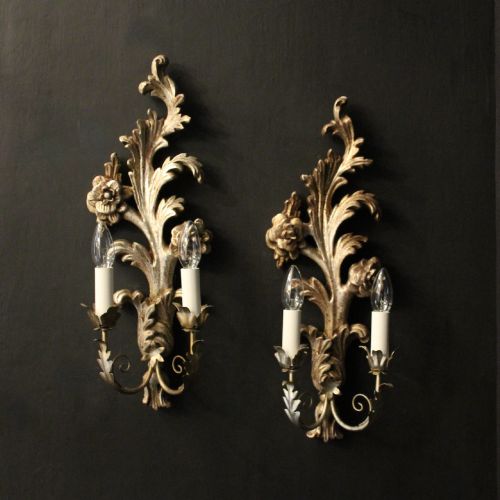
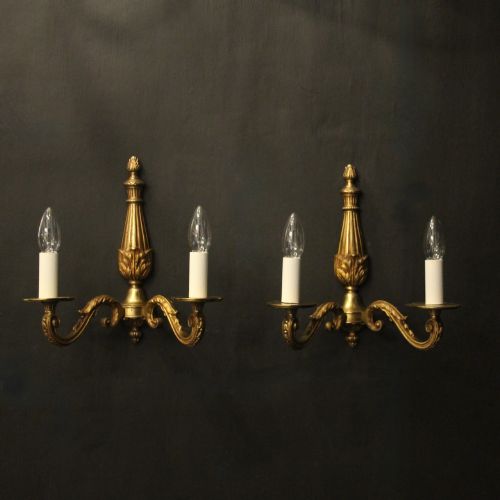
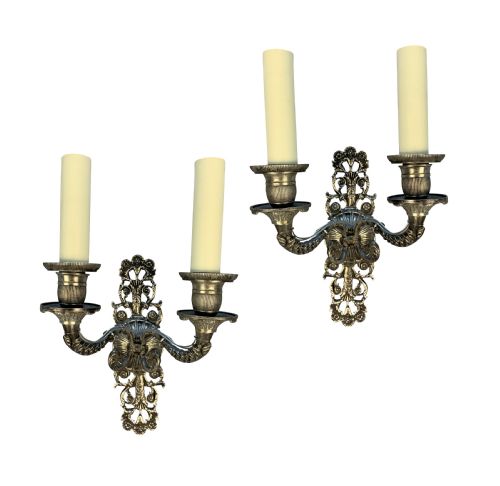
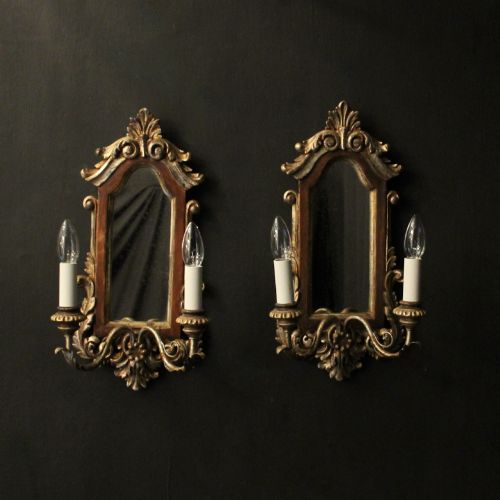
The forms span twin-arm sconces, girandoles with mirror backs, half-lanterns, and ornate candle brackets. French gilt bronze and brass examples dominate the selection, alongside Florentine giltwood and English metal variants.
How they were made
Metalwork forms the backbone of these pieces, utilising cast bronze, brass, copper, and wrought iron shaped into arms, backplates, and lanterns. Gilding, silver plating, and ormolu finishes applied to the metal surfaces create reflective qualities designed to catch candlelight or early electric illumination.
Wood and glass play supporting roles, seen in carved giltwood frames, polychrome painted details, and cut crystal drops. Construction methods rely on traditional casting, joining, and hand-carving techniques appropriate to each period style.
Look closely for hand-painted porcelain flowers nestled among the gilt metal leaves of French cherub sconces.
What varies in quality
The distinction in quality rests upon the crispness of the casting and the depth of the hand-finishing. Pieces with sharply defined acanthus leaves, cherubs, or classical motifs display superior craftsmanship compared to softer, more generalized castings.
Material selection and gilding integrity also separate standard examples from finer works. Heavy bronze and fire-gilded ormolu retain their warmth and detail over generations, whereas lesser plated metals show wear differently.
W.A.S. Benson·REVO Leicester·Maison Baguès·Casier
The Pair Vintage Wall Lights Glossary
- Girandole
- A wall sconce featuring a mirror backplate that reflects and multiplies the light from the candles or bulbs.
- Ormolu
- Finely chased and gilt bronze used extensively in French decorative lighting and furniture.
- Sconce
- A wall-mounted lighting fixture designed to hold candles or electric lamps.
- Toleware
- Lacquered or enamelled metalware, frequently painted in various colours for decorative wall lanterns.
- Giltwood
- Wood carved and covered with a thin layer of gold leaf, common in Florentine wall lights.
Pair Vintage Wall Lights: Frequently Asked Questions
How do I install vintage wall lights?
Most vintage wall lights require professional hardwiring into your electrical system by a qualified electrician, as original internal wiring may not meet current safety standards.
Backplates usually secure to wall brackets or studs, so you must check the weight and mounting points of each fixture before installation.
Can I use modern bulbs in these lights?
Many fixtures accept standard modern bulbs once rewired, though you should check the lampholder size and maximum wattage limitations of the individual piece.
Using low-wattage LED candle bulbs helps replicate the soft glow of original candles while protecting delicate materials from excessive heat.
How do I clean gilded bronze wall lights?
Dust surfaces gently with a soft, dry brush or microfiber cloth to prevent dirt accumulation without disturbing the delicate gilt finish.
Avoid chemical polishes, water, or abrasive cleaners, as these substances strip away gilding and damage original patination permanently.
What is the difference between a sconce and a girandole?
A standard wall sconce consists of a bracket and arms mounted directly to the wall surface for directional illumination.
A girandole incorporates a mirror plate behind the candles or lamps to reflect light outward into the room.
How do I date an antique wall light?
Dating relies on identifying stylistic markers such as French Empire, Art Deco, or Arts and Crafts motifs, alongside manufacturing clues like casting methods and screw types.
Comparing the piece against documented maker signatures or period catalogues helps narrow down the decade of production.