
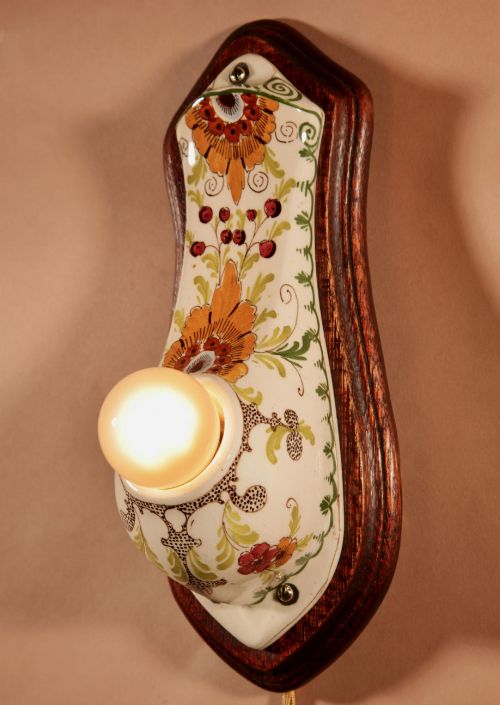


Dutch Art Deco Lighting
Dutch art deco lighting combines robust metalwork and geometric forms, offering striking period character for interiors.
Dutch Art Deco Lighting
When you search for dutch art deco lighting, you enter a domain of sturdy architectural metalwork and warm ceramics rooted in early twentieth-century design. The selection centres on lighting fixtures and candle holders spanning the nineteen hundreds to the nineteen twenties.
You are most likely to encounter table lamps, wall lights, ceiling lights, and pricket candlesticks. These pieces frequently draw upon Amsterdam School aesthetics, blending utilitarian strength with decorative flair.
How they were made
The makers relied heavily on brass, copper, and patinated metal, often working the materials through hand chasing, fretwork, and wrought construction. These metals provide the structural backbone for both hanging centre lights and heavy table lamps.
Alongside metal, selected pieces incorporate ceramic elements such as Delft or Gouda pottery night lights, paired with fabric or wood components like oak. This mix of media gives the lighting its distinctive regional identity.
Some pricket candlesticks are so heavily engineered they could double as medieval weaponry.
What varies in quality
The distinction between standard examples and finer items rests upon the ambition of the metalwork and the presence of signature details. Hand-chased textures and complex fretwork separate ordinary production from superior workshop output.
The choice of materials also dictates standing, with patinated copper and brass combinations or signed ceramic components marking out the more substantial pieces in any gathering.
The Dutch Art Deco Lighting Glossary
- Amsterdam School
- An architectural and design movement originating in the Netherlands, known for rounded brickwork, organic forms, and expressive metal details. It heavily influences the lighting designs of this period.
- Pricket Candlestick
- A candlestick featuring a central spike or pricket rather than a socket to hold the candle in place. This traditional form appears frequently in heavy brass and copper Dutch metalwork.
- Patinated Metal
- Metal surfaces treated to develop a specific aged coloration or finish through chemical or natural means. This finish enhances the texture of copper and brass lighting fixtures.
- Plateel
- A Dutch term generally used for glazed pottery or earthenware. It describes ceramic components found in transitional art nouveau and art deco night lights.
- Centre Light
- A hanging ceiling light designed to illuminate a room from above. These fixtures often feature square brass frames and waterfall glass or fabric elements.
Dutch Art Deco Lighting: Frequently Asked Questions
What defines dutch art deco lighting?
These pieces are defined by their use of heavy brass, copper, and patinated metals shaped into geometric or organic forms. They often reflect the influence of the Amsterdam School.
The designs bridge the gap between late nineteenth-century styles and modern twentieth-century industrial aesthetics, utilising materials like oak, ceramic, and fabric.
How were these lamps used?
They served practical illumination needs in homes and public spaces, ranging from wall-mounted fixtures to large ceiling hanging lamps. Candlesticks provided portable light before widespread electrification.
Many objects also functioned as decorative centrepieces, displaying intricate metalwork and ceramic inserts that enhanced the interior atmosphere.
Can I use original lighting safely?
Original electric fixtures from the early twentieth century often require rewiring to meet modern safety standards. Professional inspection is recommended before connecting them to mains power.
Candlesticks and non-electric items can be used immediately with appropriate candles, while lamps benefit from careful adaptation by a qualified electrician.