



Vintage Copper Sconces
These vintage copper sconces provide atmospheric illumination, combining durable metalwork and period design to anchor an interior or exterior wall.
Vintage Copper Sconces
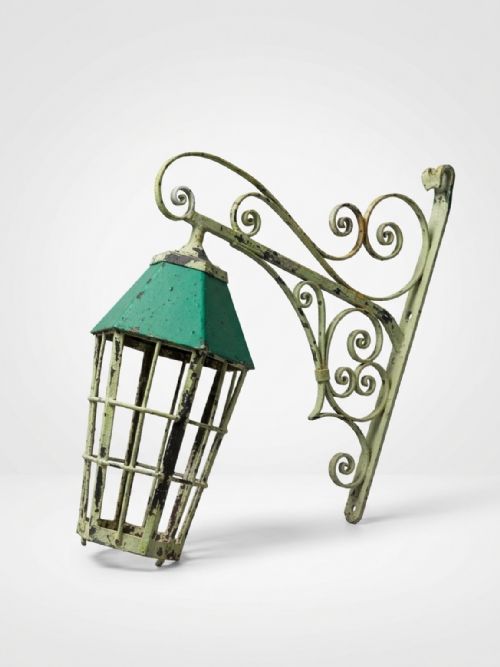
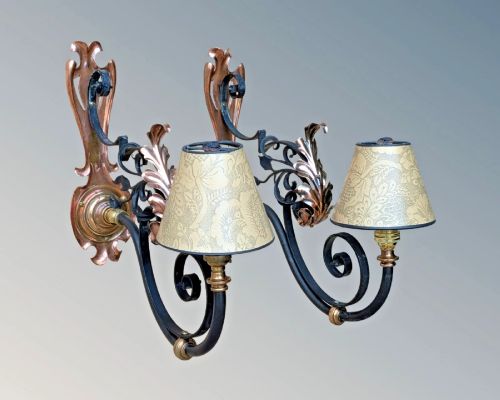
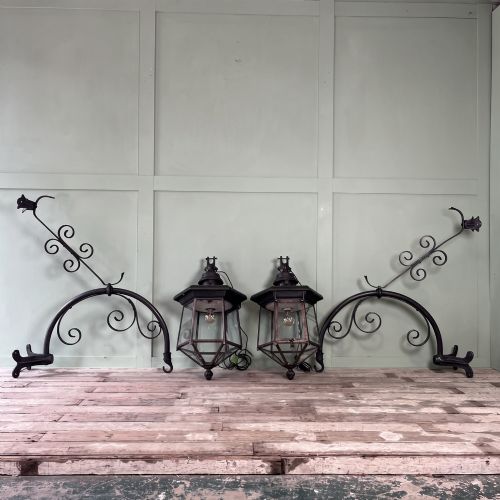
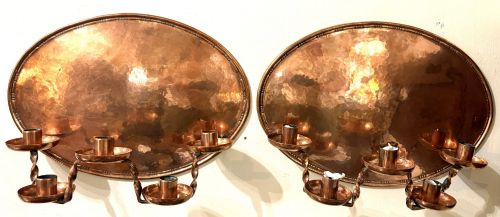
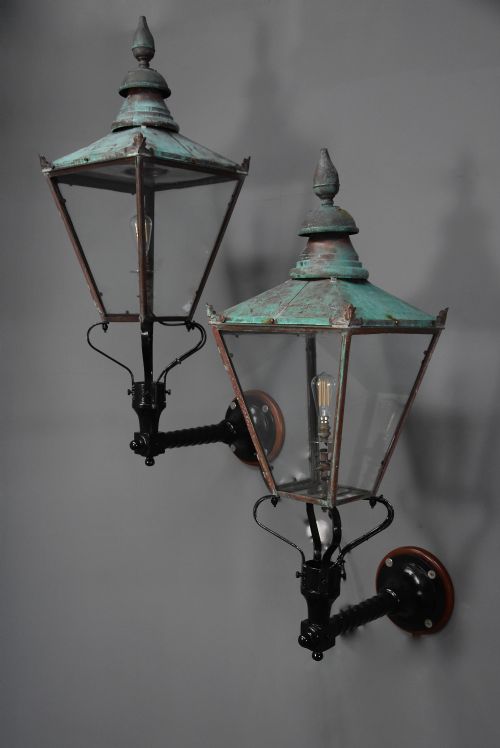
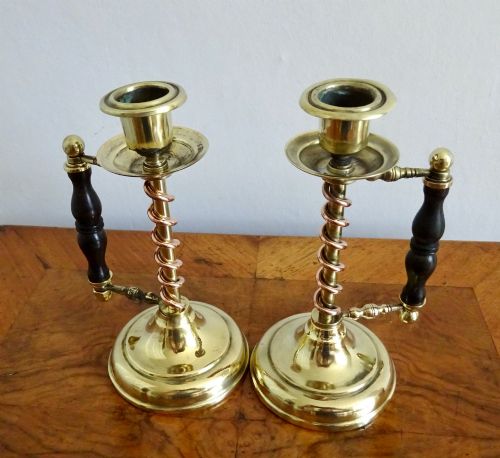
Vintage copper sconces encompass wall-mounted light fittings, lanterns, and candle holders produced across the late nineteenth century through to the mid-twentieth century. Collectors encounter various forms here, ranging from Arts and Crafts wall lights and coach-house lanterns to industrial pieces and French chateau half lanterns.
How they were made
Maker's workshops built these fixtures using sheet and cast copper, often pairing the metal with brass, wrought iron, cast iron, and glass panels. Metalworkers employed hand-chasing, riveting, and soldering techniques to shape structural frames and decorative backplates.
Surfaces received various treatments, including natural weathering that produced verdigris patinas, polished finishes, or protective lacquers. Some lanterns incorporated mixed media elements like wood or fabric shades within interior domestic settings.
Listings feature copper alongside brass, wrought iron, and cast iron across periods spanning the nineteenth century to the mid-twentieth century.
What varies in quality
Construction weight and the substance of the metal separate heavier architectural lanterns and robust Arts and Crafts brackets from lighter domestic adaptations. Substantial gauge copper resists distortion over decades of outdoor or indoor exposure.
Artisanal detail defines superior examples, visible in hand-chased ornamentation, sophisticated spiral twist brackets, and securely glazed panels. The integration of structural ironwork with patinated copper displays the maker's competency.
REVO Leicester
The Vintage Copper Sconces Glossary
- Verdigris
- A green patina formed naturally on copper through atmospheric oxidation over long periods. This chemical layer protects the underlying metal and indicates considerable age.
- Arts and Crafts
- A design movement prioritising handcraftsmanship, simple forms, and visible construction methods over mass-produced industrial ornamentation. Objects from this style often feature hammered copper surfaces and honest joint work.
- Amsterdam School
- An architectural and design style originating in the Netherlands characterised by expressionist forms, brickwork, and organic metal detailing. Sconces in this manner display fluid, sculptural copper manipulation.
- Coach-house lantern
- A sturdy wall-mounted light fixture originally designed to illuminate carriage houses and stables during the nineteenth and early twentieth centuries. These typically combine sheet copper bodies with protective glass panes.
- Hand-chased
- A technique where a metalworker uses hammers and punches to decorate or indent patterns directly onto the front surface of the copper. This process creates low-relief ornamentation unique to each piece.
Vintage Copper Sconces: Frequently Asked Questions
Where should vintage copper sconces be placed?
Exterior wall lanterns suit porches, doorways, and garden walls where weather-resistant copper withstands the elements. Interior spaces benefit from Arts and Crafts or Gothic wall lights positioned beside fireplaces or in hallways.
Pair arrangements work well flanking architectural focal points like entrance doors. Single fixtures suit narrower wall spaces or stairwells requiring targeted illumination.
Are these sconces wired for modern electricity?
Many surviving fixtures have undergone rewiring for contemporary electrical standards during their lifespan. Buyers should inspect the internal wiring setup and consult a qualified electrician before installation.
Some pieces retain original candle holders or oil mechanisms intended for decorative display rather than active electrical use. Conversion depends on the specific wiring channel dimensions of the bracket.
How do I date a copper wall light?
Stylistic indicators provide primary dating clues, such as the distinct geometric motifs of Amsterdam School pieces or the handcrafted aesthetic of Arts and Crafts items. Construction methods, including fastener types and soldering techniques, also point toward specific manufacturing eras.
Patent plaques or maker stamps stamped into the metal framework offer definitive chronological reference points. Comparing bracket designs with known architectural hardware catalogues confirms the period of production.