

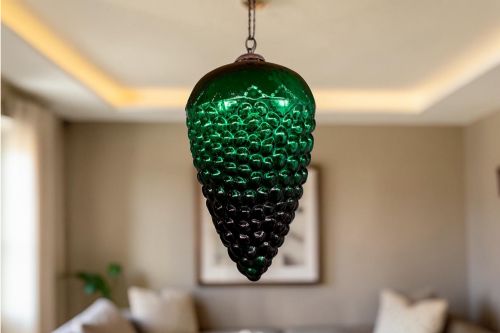
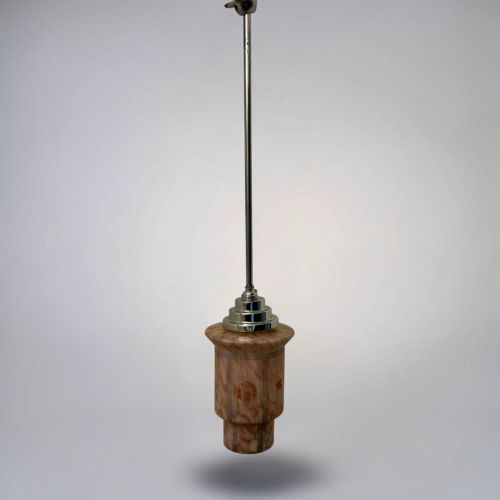
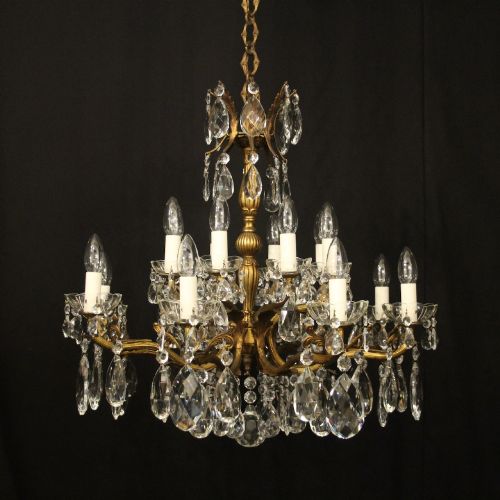
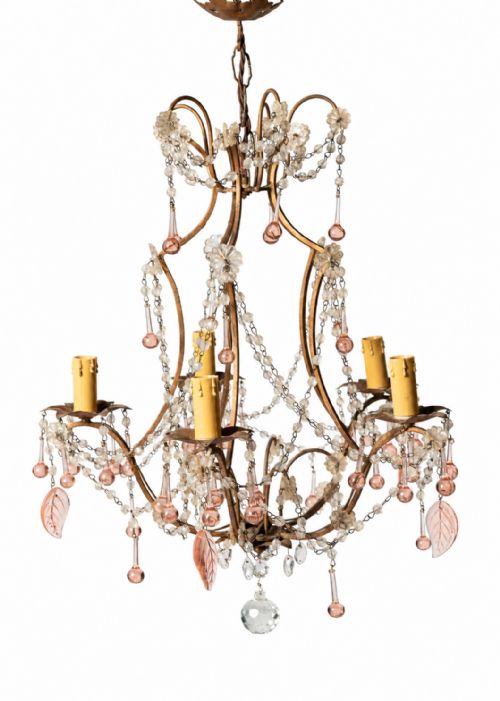
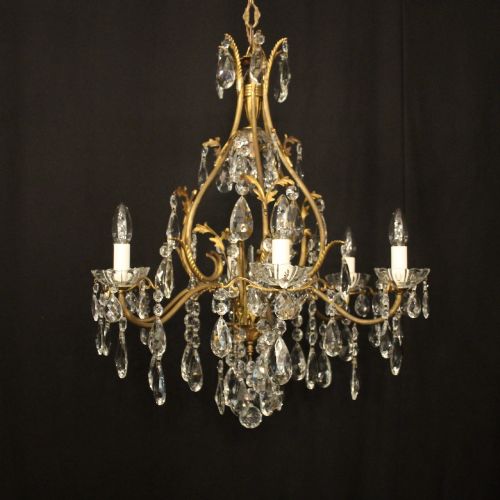
Glass Drop Ceiling Light
A glass drop ceiling light brings gathered brilliance to a room, suspended on brass or gilt metal with a cascade of crystal.
Glass Drop Ceiling Light
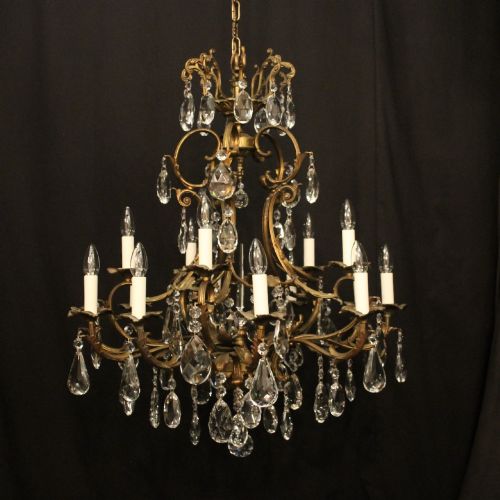
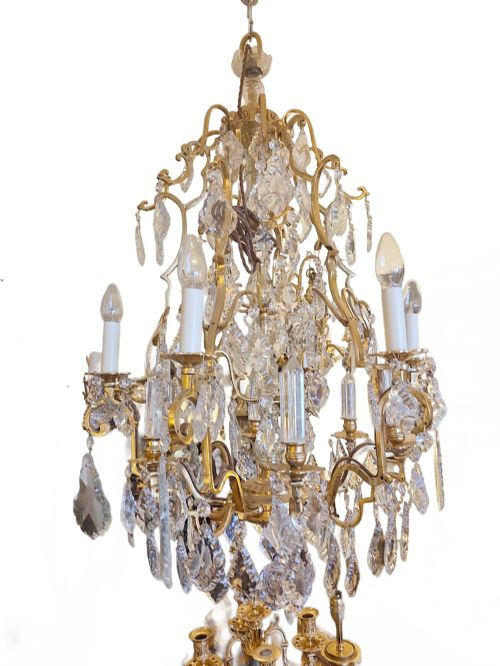
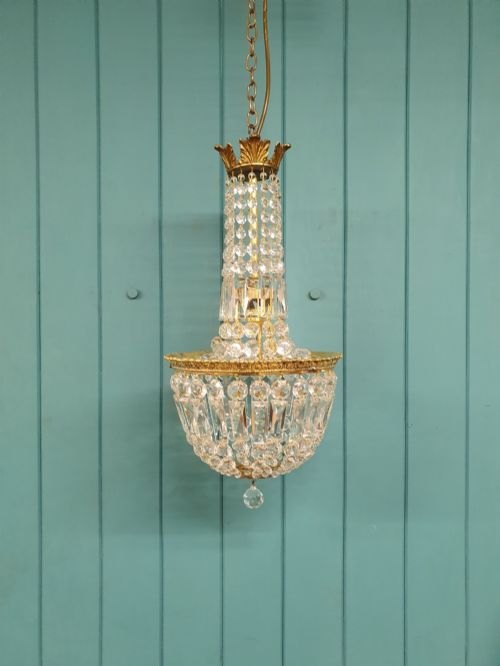
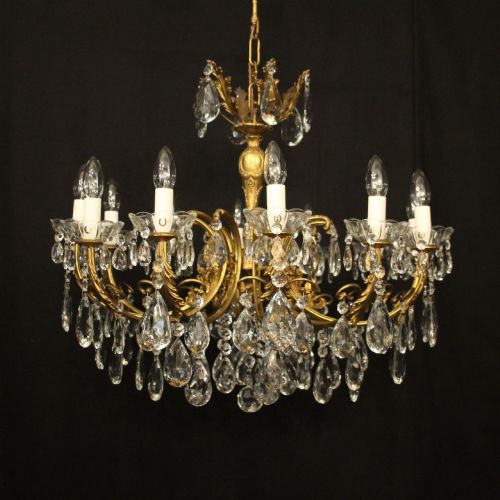
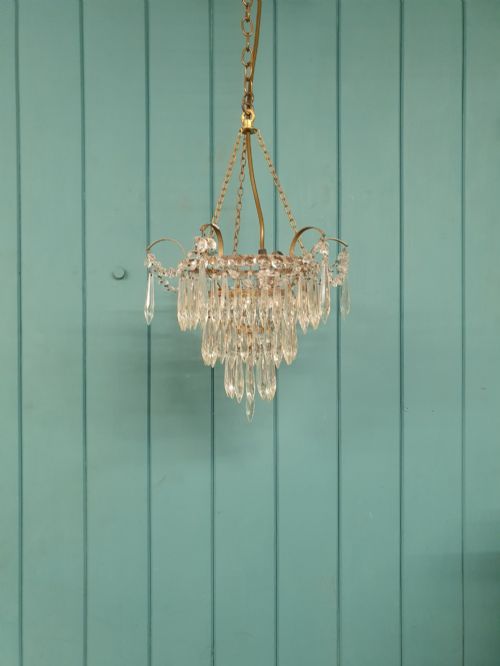
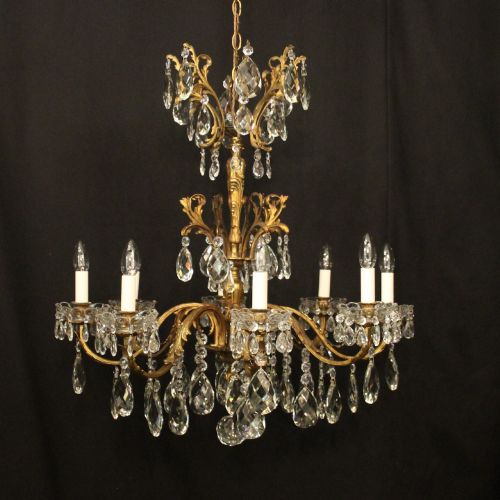
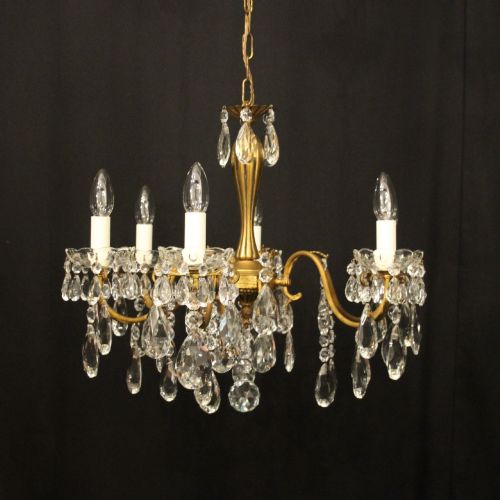
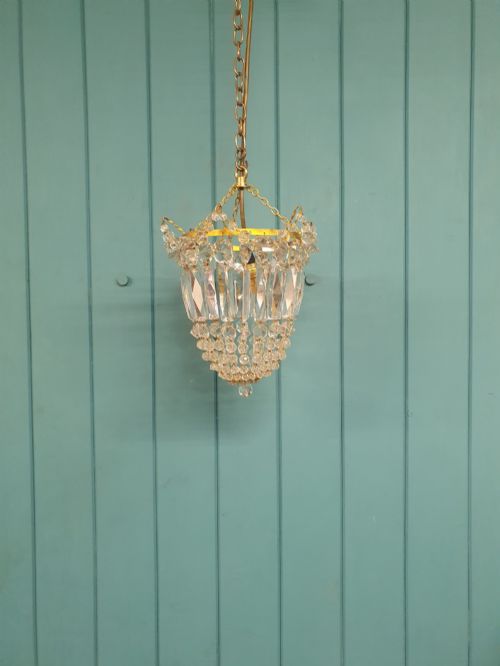
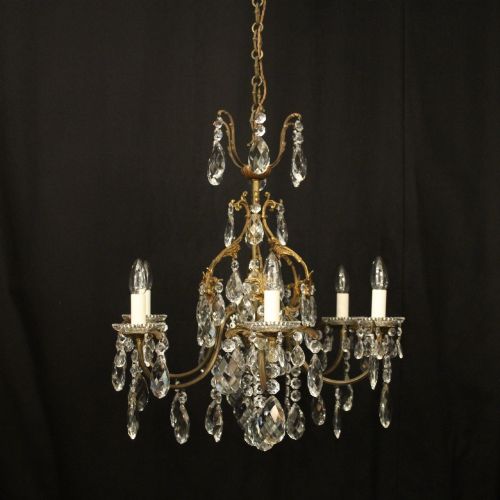
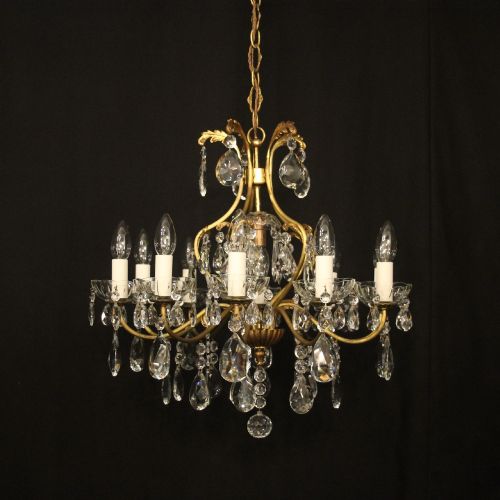
A glass drop ceiling light is typically encountered as a chandelier or pendant light featuring suspended glass lustres, crystals, or prisms. These fixtures span from the nineteenth century through the Edwardian period and the decades leading to 1930, drawing heavily on French Empire, Rococo, and Italian decorative traditions. Buyers will regularly find forms ranging from compact spike and bag chandeliers to large tent and waterfall designs.
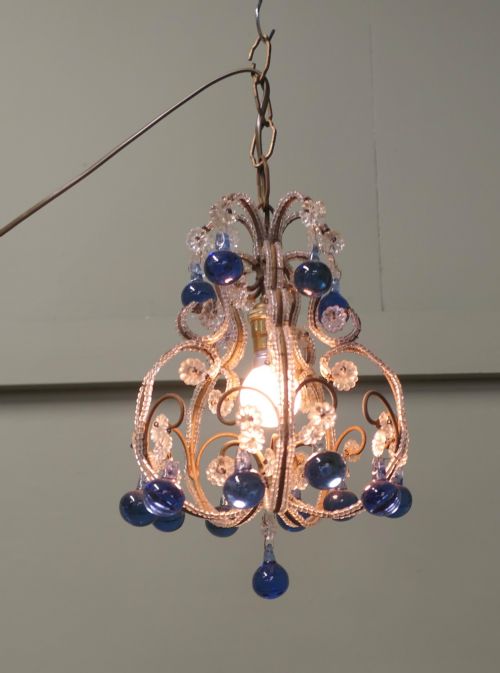
The materials and configurations vary widely across these eras, encompassing everything from single-light pendants to multi-armed structures carrying up to twenty-five lights. Frameworks of brass, gilt bronze, gilt metal, and toleware support intricate arrangements of cut glass and crystal drops. Certain examples incorporate coloured crystals, amethyst glass, or pink Venetian glass to alter the character of the illumination.
Materials and construction
The physical structure relies on metal armatures cast or fabricated from brass, bronze, spelter, or gilt metal to bear the considerable weight of the glass elements. These frames are shaped into cages, baskets, or tiered crowns designed to secure branching candle arms and suspension rings.
Hanging elements consist of cut glass, crystal, and specialised prisms such as coffin prisms and crystal spikes attached via wire loops or pins. These glass components refract light outward, utilising the reflective qualities of lead crystal and cut glass alongside gilded metal surfaces.
Glass Drop Ceiling Light Retail Price Guide 2026
Typical asking prices for glass drop ceiling light among the pieces listed under this phrase on Sellingantiques today, from the lower quarter to the upper quarter. They describe what is for sale here now, not the wider market.
Listings feature brass, gilt bronze, and toleware frames paired with clear, pink Venetian, and amethyst glass drops across Edwardian and 1930s pieces.
Distinctions in quality
Quality rests upon the precision of the metal casting and the clarity and cut of the glass drops rather than mere scale. Superior examples display crisp chasing on gilt bronze or brass frames, alongside hand-cut crystal prisms that retain sharp facets and vibrant optical properties.
The integration of the design also marks the hierarchy of manufacture, where integrated leaf decorations, balanced tier proportions, and complete matching sets of lustres distinguish finer workshop output from simpler utilitarian pendants.
The Glass Drop Ceiling Light Glossary
- Crystal
- High-clarity glass containing lead oxide to increase refractive index and brilliance. It is the primary material used for sparkling drop elements.
- Lustre
- A cut glass or crystal pendant hung from a chandelier to reflect light. These drops appear in various faceted shapes across period lighting.
- Tent and waterfall
- A specific chandelier configuration featuring an upper tent of strings of beads falling to a wider ring, with a waterfall of drops cascading below. This style dominates many French Empire designs.
- Spike chandelier
- A compact hanging light featuring upward-pointing glass spikes or prisms arranged in tiers. These smaller fixtures often measure under a foot in diameter.
- Coffin prism
- A long, flat-backed crystal pendant shaped like a coffin, utilised in early twentieth-century fixtures to catch and disperse light.
Glass Drop Ceiling Light: Frequently Asked Questions
How are these ceiling lights hung safely?
These fixtures require secure anchoring directly into ceiling joists or heavy-duty ceiling roses due to the combined weight of metal frames and glass components. Professional installation ensures the electrical wiring and suspension chains safely bear the load.
Weight distribution matters particularly for larger tent and waterfall chandeliers or multi-branch fixtures dating from the nineteenth and early twentieth centuries. Checking the ceiling structure prevents any strain on older plaster.
What periods do these lights originate from?
The selection spans the nineteenth century, the Edwardian era, and the interwar decades up to 1930. French and Italian workshops produced many of the surviving examples in styles ranging from Empire and Rococo Revival to Art Deco.
Identifying the period involves looking at the casting techniques of the brass or gilt bronze frames and the specific cut of the crystal drops. Edwardian pieces often include compact spike or bag designs, while larger multi-tier formats frequently date from the early decades of the twentieth century.
How do I clean a glass drop chandelier?
Cleaning involves removing dust gently with a soft cloth or specialised dusting wand while the fixture remains suspended. For deeper cleaning, individual glass drops can be detached, washed in lukewarm water with mild soap, and dried thoroughly before rehanging.
Harsh chemical cleaners should be avoided to protect the aged finish of brass, gilt bronze, or gilt metal frames. Maintaining the metal components with dry cloths preserves their patination.
Can I replace missing crystal drops?
Replacement crystal drops and lustres can be matched to existing fixtures by measuring the length, noting the cut style, and observing the attachment method. Finding period-appropriate glass ensures the repaired section blends seamlessly with the original arrangement.
Matching the clarity and facet pattern of cut glass or crystal maintains the visual harmony of tiered or waterfall designs. Dealers often supply period-correct components for restoration.