



Copper Wall Sconce
A copper wall sconce brings warmth and texture to an interior, combining functional illumination with tactile metalwork.

Copper Wall Sconce
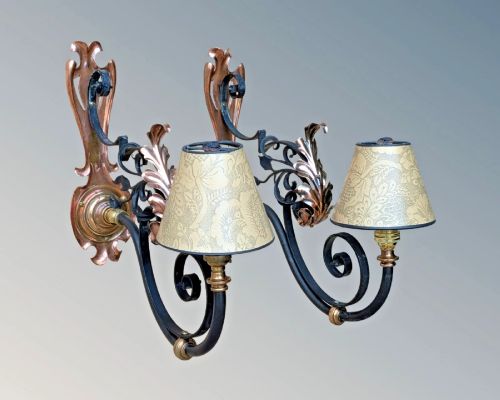
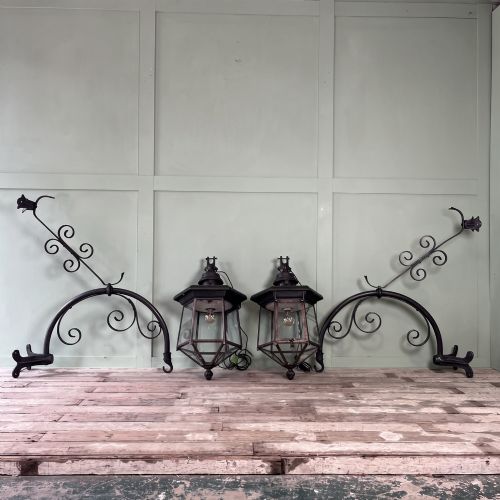
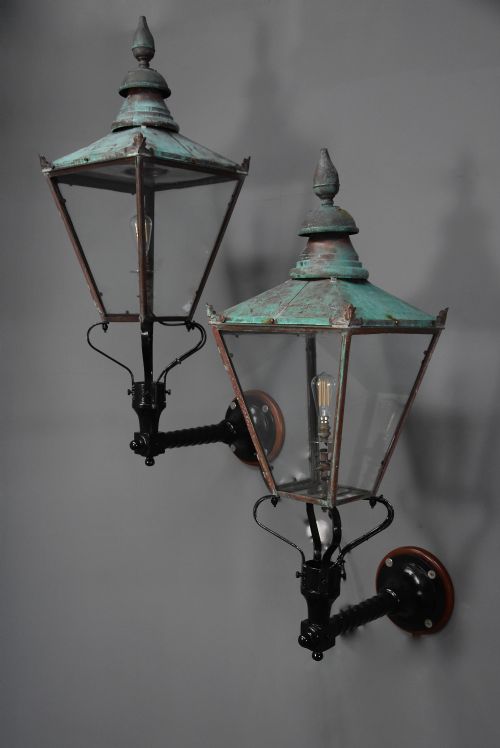
A copper wall sconce is a form of wall-mounted lighting or decorative fitting, appearing frequently in designs from the nineteenth and twentieth centuries. These pieces encompass everything from straightforward wall lights and lanterns to elaborate street lanterns supported on scroll brackets.
The selections available range from sturdy Arts and Crafts creations to neo-classical coach-house lanterns and continental half lanterns. Many examples incorporate mixed materials such as brass, wrought iron, and glass alongside the primary metal.
Dating spans from the nineteenth century through the Edwardian period and into the decades of the nineteen-twenties, thirties, and forties. Buyers will encounter both interior wall lights and robust exterior fixtures intended for porches or coach-houses.
Assessing quality in metalwork
Quality reveals itself in the substance of the metal gauge and the precision of the hand-formed joints rather than surface shine alone. Heavier brackets and robust fixings indicate superior durability, particularly on large outdoor lanterns.
Design execution distinguishes standard production from finer pieces, such as the rhythmic spiral twists on wall brackets or the deliberate handling of patination. The integration of complementary materials, including cast iron and brass mounts, reflects the ambition of the original maker.
One unexpected variant repurposes an old warming pan lid into a copper star wall sconce.
REVO·Ruskin
The Copper Wall Sconce Glossary
- Arts and Crafts
- A design movement prioritising traditional craftsmanship and simple forms. This style often employs hand-beaten copper and exposed fixings.
- Verdigris
- A green patina formed naturally or chemically on copper surfaces over time. It offers a weathered appearance prized in period pieces.
- Coach-house style
- A robust architectural form designed for exterior illumination near carriage entrances. These fittings usually incorporate protective glass and metal hoods.
- Hand-chased
- A technique where metal is worked from the front using hammers and punches to sink or raise decorative patterns. This method adds fine surface detail to the body.
- Amsterdam School
- An early twentieth-century architectural and design movement known for expressive forms and detailed brickwork or metal shaping. Pieces in this style display unconventional silhouettes.
Copper Wall Sconce: Frequently Asked Questions
Where should I hang a copper wall sconce?
These fixtures suit hallways, living rooms, and covered porches where their metallic warmth complements surrounding architectural details. Exterior variants require sheltered outdoor positions to protect their electrical components and patinated surfaces from harsh weather.
Pairing them with matching brackets or placing them beside mirrors enhances their reflective qualities. Consider the mounting height carefully to ensure the light source sits comfortably above eye level.
Are these sconces suitable for outdoor use?
Certain examples, such as coach-house lanterns and street lanterns, were originally built for exterior installation. However, surviving vintage wiring and housing may require professional rewiring or upgrading to meet modern safety standards before outdoor placement.
Examine the construction of the specific piece to determine if it offers adequate weather resistance. Unprotected indoor sconces should remain inside to prevent moisture damage to the copper and internal fittings.
How do I clean patinated copper?
Preserving the original surface is usually preferable to aggressive polishing, as patination and verdigris represent the age and history of the metal. Dusting with a dry microfibre cloth is generally sufficient for regular maintenance.
Avoid abrasive cleaners or chemical polishes that strip away the surface character accumulated over decades. Gentle care ensures the historical finish remains intact for years to come.
How can I date an Arts and Crafts sconce?
Dating relies on observing construction methods, such as hand-riveted joints, visible hammer marks, and the specific composition of the brass and copper elements. Pieces from this movement typically date from the late nineteenth or early twentieth century.
Stylistic cues like heavy strapwork and organic motifs align with the philosophies of the period. Comparing the weight and fixing style against known examples helps narrow down the production era.