


French Wall Lanterns
French wall lanterns bring genuine character to an entrance, combining classical silhouettes with warm metalwork.

French Wall Lanterns
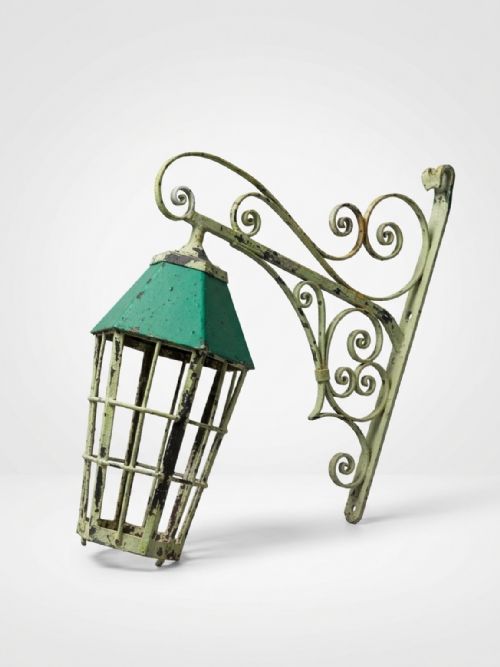
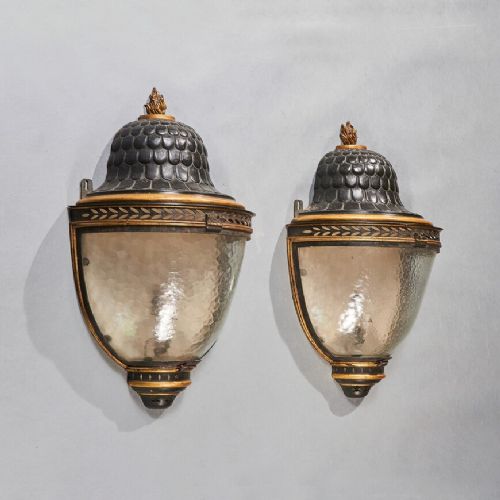
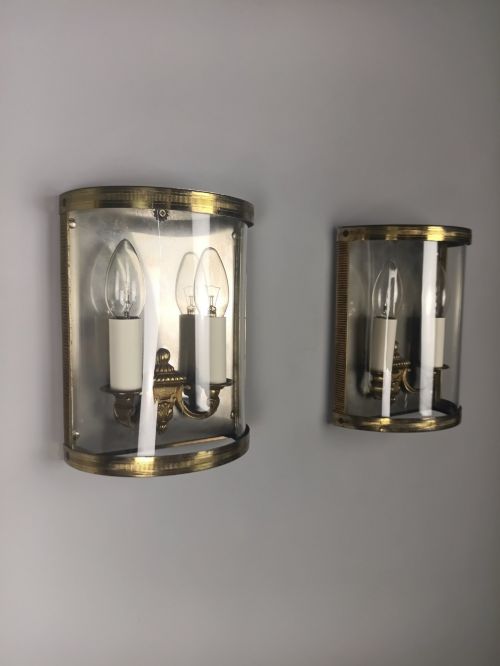
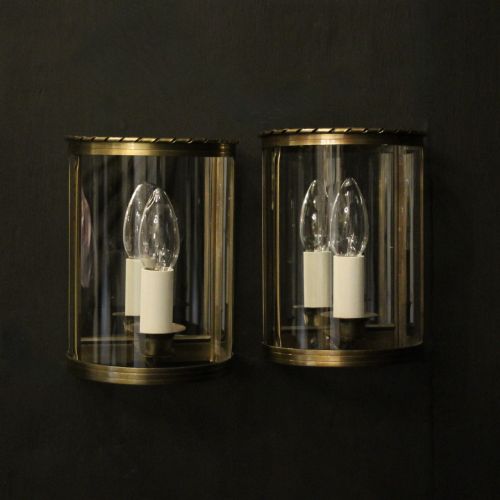
When you search for french wall lanterns, you find exterior and interior lighting fixtures shaped like traditional street or carriage lights designed to mount flat against a wall. The pieces you meet most often on this page take the form of half lanterns, projecting outward while utilising a flat backplate to sit flush.
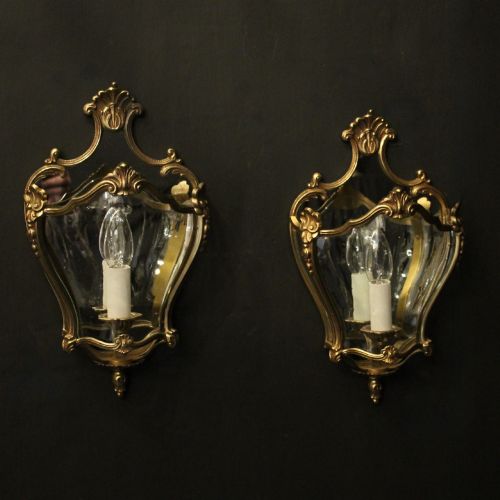
The selections span from nineteenth-century carriage lamps to pieces dated around nineteen thirty and the nineteen hundreds. Styles lean heavily towards French Empire, Louis XV, Neoclassical, and Rococo Revival designs, alongside chateau and traditional aesthetics.
Makers designed these fixtures primarily as pairs, though single lights and sets of four appear across the inventory. They function equally well flanking a doorway or illuminating a hallway, providing direct downward and outward illumination.
How they were made
Craftsmen built these lanterns using durable metals including brass, copper, bronze, and wrought iron. Many examples feature surface embellishments such as parcel gilt metal, gilt brass, and gilded bronze to catch the light.
Glazed panels fitted into the metal frames enclose the light source, protecting bulbs from drafts while diffusing the glow. Tole and toleware components add painted sheet metal elements to specific nineteenth-century designs.
Makers constructed convex glass fronts on numerous half lanterns to project light across a wider angle. Structural joints relied on soldering, riveting, and mechanical fastening to support the weight of the glass and metal assemblies.
Carriage lamps once guided coachmen through dark French country lanes before finding a second life illuminating indoor hallways.
What varies in quality
The distinction between standard production and superior examples lies in the weight of the metal casting and the crispness of the chased details. Heavier gauge brass, bronze, and copper maintain structural integrity and resist distortion over decades of use.
Surface finishes reveal much about the original workshop standards, particularly in the application of gilding and parcel gilt accents. Hand-applied paint on toleware pieces and finely fitted convex glass panels indicate higher manufacturing care.
The French Wall Lanterns Glossary
- Half lantern
- A lighting fixture designed to mount directly against a vertical surface with a flat back. It projects half its volume outward into the room or hallway.
- Convex glass
- Curved glass panes fitted into the lantern frame. This shape disperses light across a broader radius than flat glass panels.
- Parcel gilt
- A surface treatment where parts of an object are gilded with gold leaf while other areas show the underlying metal. This technique highlights specific decorative motifs and mouldings.
French Wall Lanterns: Frequently Asked Questions
Where should I hang a wall lantern?
These fixtures suit entrance halls, stairwells, and flanking exterior doorways where they provide functional illumination and decorative presence. Their flat backs allow them to sit securely against masonry or wood panelling.
Ensure you hang them at an appropriate height to clear foot traffic while casting light across the desired threshold or seating area.
How do I clean brass and bronze fixtures?
Dust the metal and glass panels regularly with a soft, dry cloth to prevent grime buildup in the detailed recesses. Avoid harsh chemical cleaners that can strip historic patinas or damage delicate gilded surfaces.
Gentle wiping preserves the aged character of bronze and brass without compromising the integrity of the original metal finish.
What defines French Empire style?
French Empire design draws inspiration from classical antiquity, featuring restrained symmetry, military motifs, and formal neoclassical proportions. This aesthetic values architectural structure and dignified metalwork over excessive ornamentation.
Pieces from this tradition integrate smoothly into both period interiors and contemporary spaces seeking a touch of historical formality.