

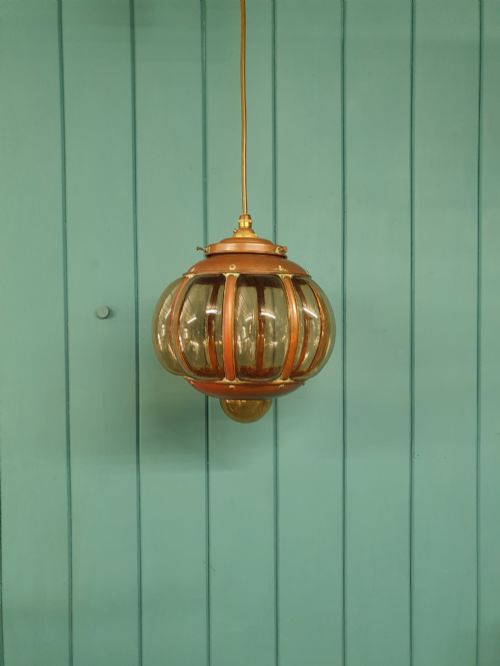
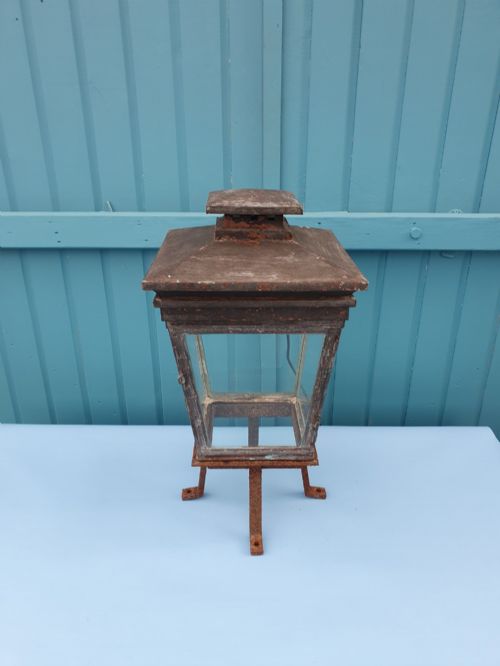

Vintage Copper Lanterns
Vintage copper lanterns bring warmth and architectural presence to gardens, porches and hallways alike.

Vintage Copper Lanterns
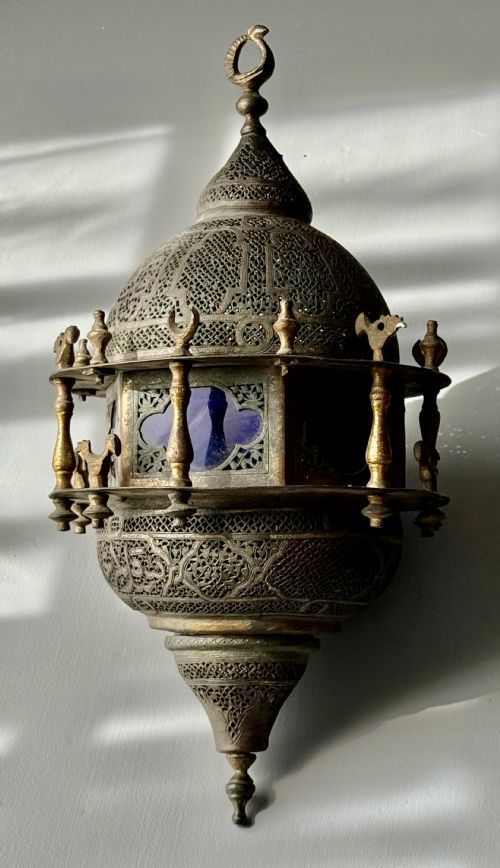
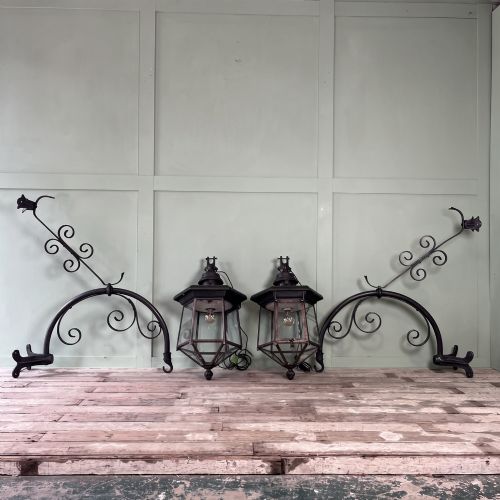
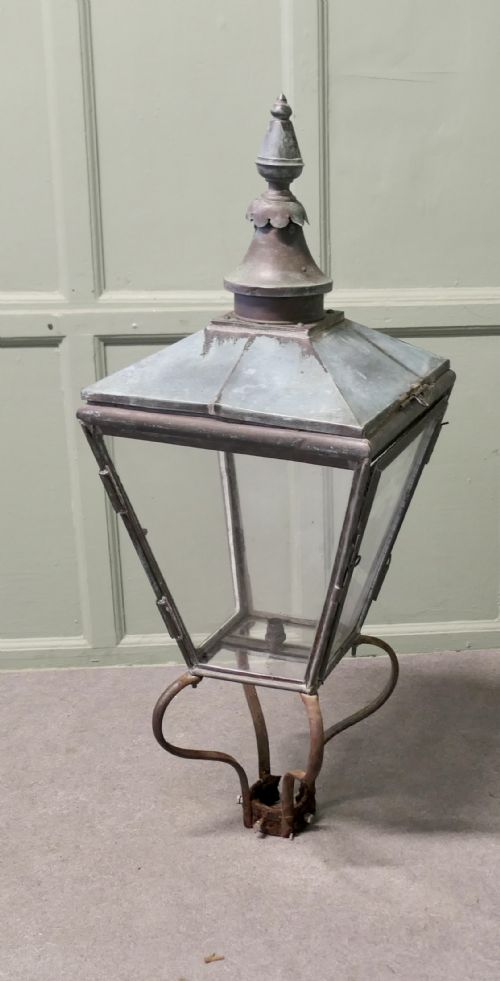
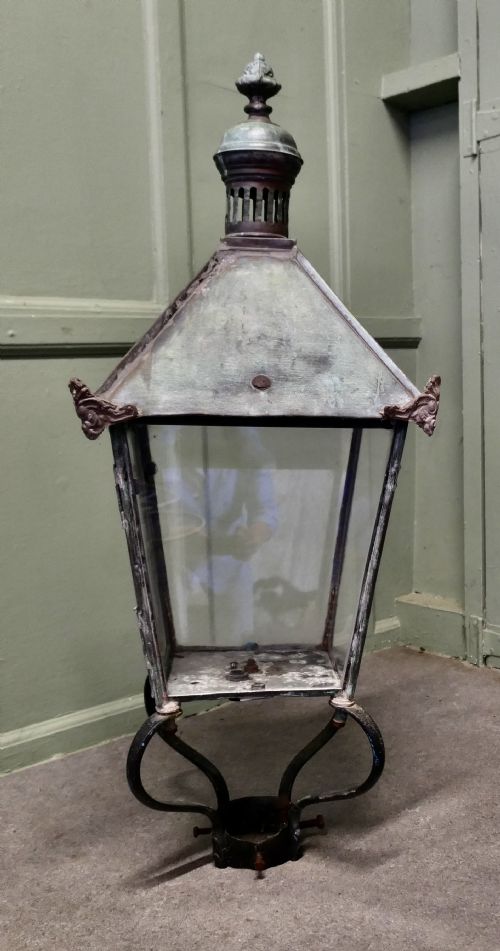
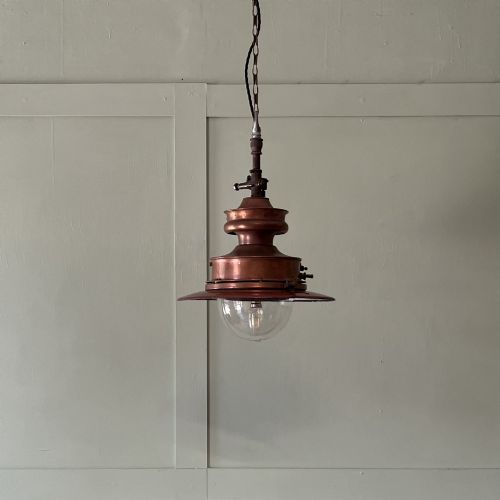
Vintage copper lanterns span utilitarian street lights, railway lamps, nautical fixtures and domestic porch pendants originating from the nineteenth and twentieth centuries. Buyers searching this phrase encounter substantial outdoor lamps, coach-house wall lights and hanging fixtures designed for functional illumination.
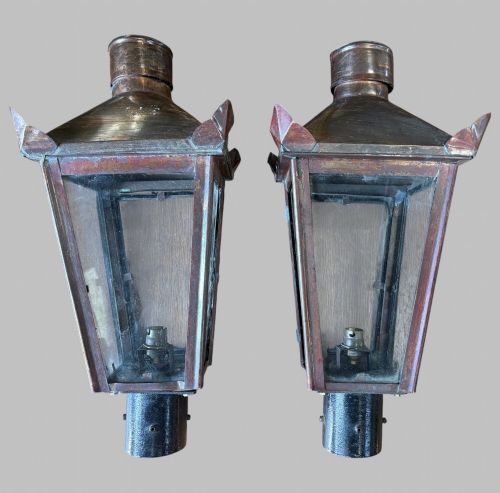
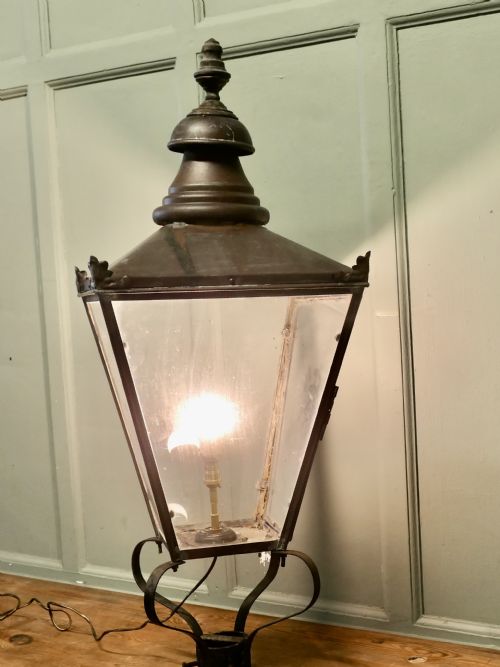
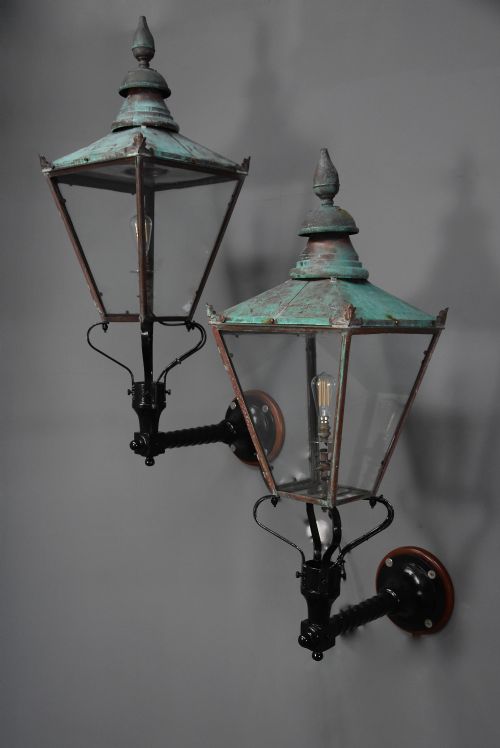
The domestic and municipal pieces on this page emerge from distinct periods including the Victorian and Edwardian eras, alongside later Arts and Crafts and industrial designs. Street lanterns, post lights and wall brackets dominate the selection, often converted from early gas or oil systems to modern electrical wiring.
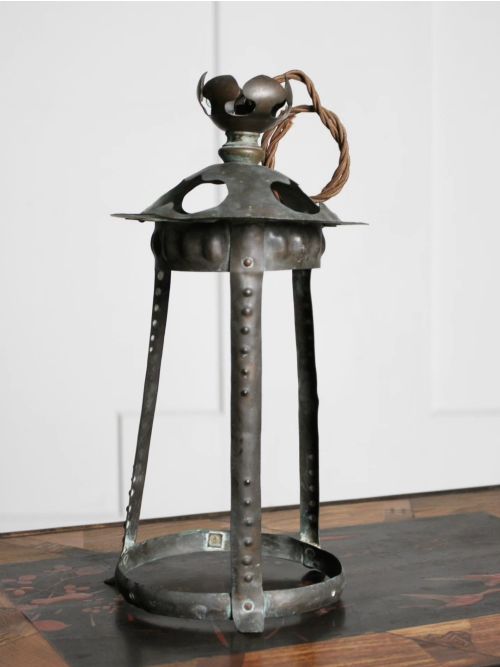
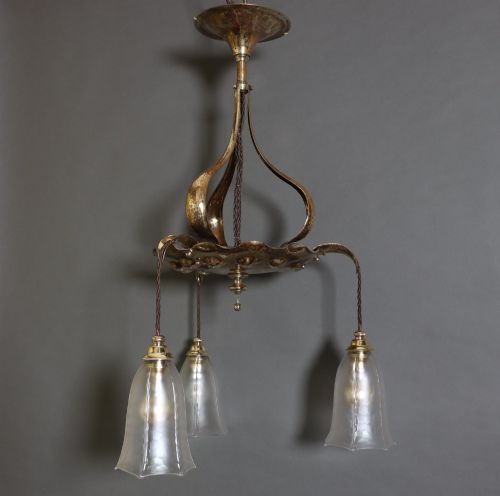
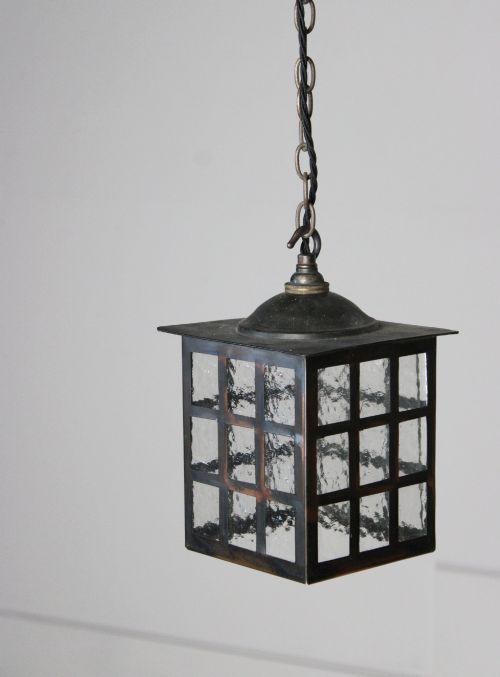
Origins stretch from English workshops to French provincial makers, yielding both grand architectural statements and smaller interior pendants. Street and railway lamps provide heavy utilitarian forms, while Arts and Crafts examples display decorative hand-worked details.
Construction and Materials
Copper sheets form the primary body of these lanterns, frequently joined with brass fittings, iron brackets or cast iron bases to provide structural strength and weight. Glazing relies on thick clear, smoked or quarter-inch glass panes secured within metal frames.
Workshops utilised hand-beating, riveting and soldering techniques to shape sheet copper into octagonal, rounded or tapered profiles. Many surviving examples retain natural verdigris patination resulting from decades of outdoor exposure.
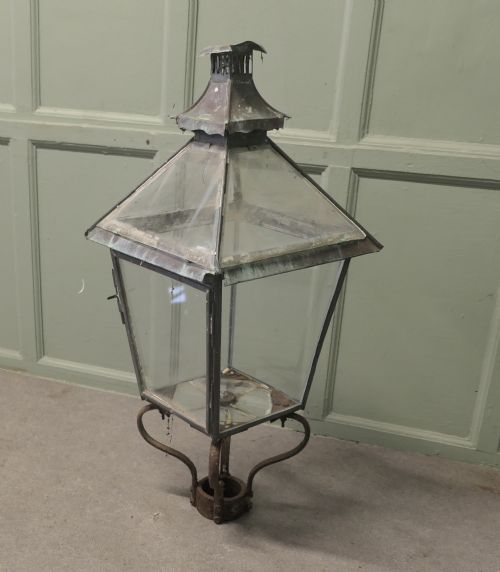
Some heavy street lamps on offer once guided late-night horse-drawn carriages down foggy Victorian roads.
Assessing Quality
Subtlety of proportion and thickness of gauge metal distinguish robust architectural fixtures from lighter domestic adaptations. Heavier copper plates and secure internal framing withstand decades of weathering without structural distortion.
Original glazing integrity and the survival of makers' plates, specialised brackets or distinct surface patination elevate individual pieces. Refined soldered joints and balanced decorative brass elements indicate superior workshop execution.
REVO Leicester·A Foster & Pullen Bradford
The Vintage Copper Lanterns Glossary
- Verdigris
- A green patina formed naturally on copper and brass surfaces through atmospheric oxidation over time. This surface layer provides an aged aesthetic valued by collectors.
- Post lantern
- A large light fixture designed to mount atop a gate pillar, boundary wall or exterior post. These serve as prominent architectural focal points.
- Coach-house lantern
- A wall-mounted light style historically used to illuminate carriage entrances and stable yards. They typically feature flat backs and projecting glass panels.
- Port lantern
- A marine-style navigational lamp originally utilised on vessels, constructed to withstand harsh maritime environments. They incorporate robust brass and copper housings with thick protective glass.
- Arts and Crafts
- A design movement emphasising handcraftsmanship, simple forms and honest materials. Pieces from this tradition often display visible construction details and subdued decoration.
Vintage Copper Lanterns: Frequently Asked Questions
How do I convert an old gas lantern?
Conversion involves running internal electrical wiring through the existing burner assembly or base mount. A qualified electrician adapts the interior socket to take standard modern bulbs while preserving the exterior housing.
Original gas or oil components are typically sealed or removed during the rewiring process to ensure safety and compliance with modern lighting standards.
Can these lanterns go outside?
Many of these pieces originated as street lamps, coach-house lights or railway lanterns built specifically for exterior use. Copper naturally resists deep corrosion, developing a protective verdigris layer when exposed to weather.
Check the IP rating and electrical sealing of converted fixtures before exposing antique wiring or unsealed upper chambers to direct rainfall.
How do I date a copper lantern?
Dating relies on construction methods, fastener types, glass thickness and stylistic cues from periods like the Victorian era or Arts and Crafts movement. Municipal street lamps often bear manufacturer stamps or patent plaques providing specific production eras.
Hand-riveted seams and heavy-gauge copper generally point towards nineteenth or early twentieth-century production, whereas later mid-century pieces utilise standardised stamped components.
What is verdigris and should I clean it?
Verdigris is the green chemical patina that forms on copper surfaces when exposed to moisture and air over decades. Collectors generally prefer to leave this stable surface layer intact because it confirms age and authenticity.
Harsh metal polishes strip away this historical skin and diminish the character of exterior architectural pieces.