

Gold Brass Wall Sconces
Gold brass wall sconces are illuminating metal fixtures designed to mount directly onto vertical surfaces, bringing period character and warm metallic reflection to an interior.
Gold Brass Wall Sconces
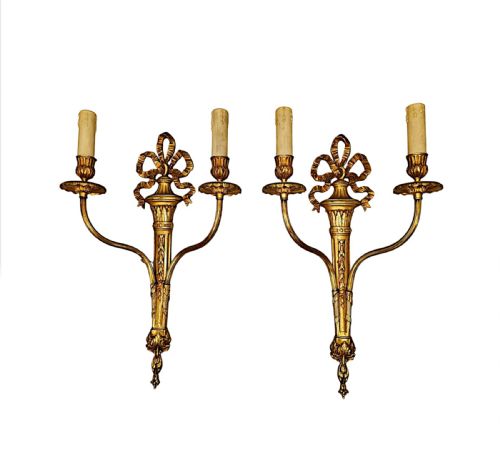
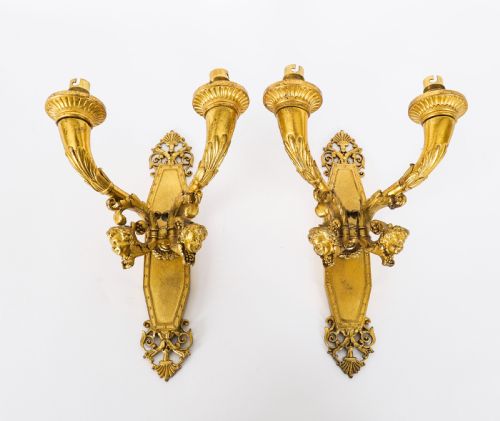
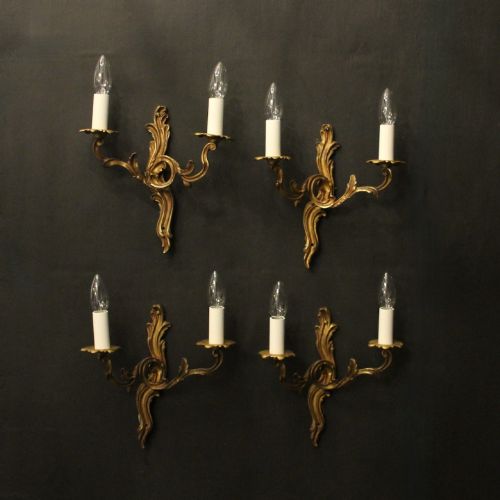
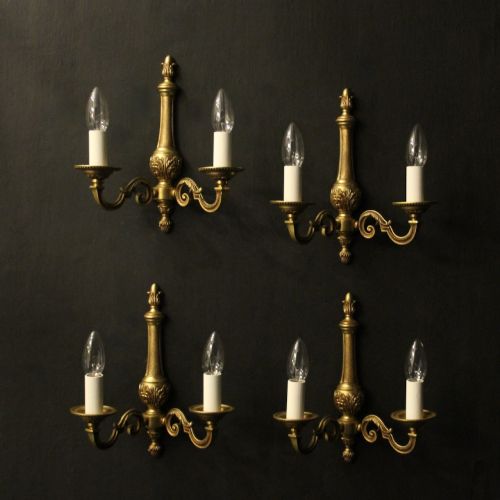
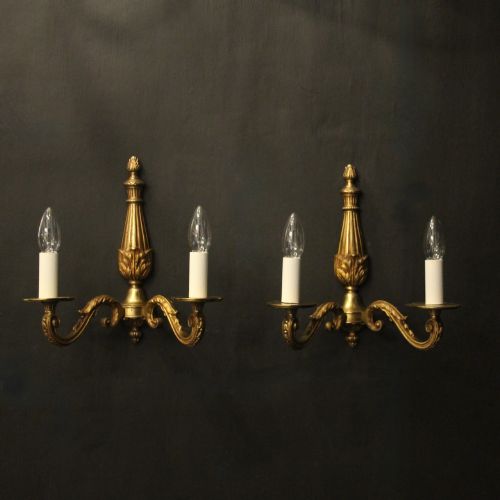
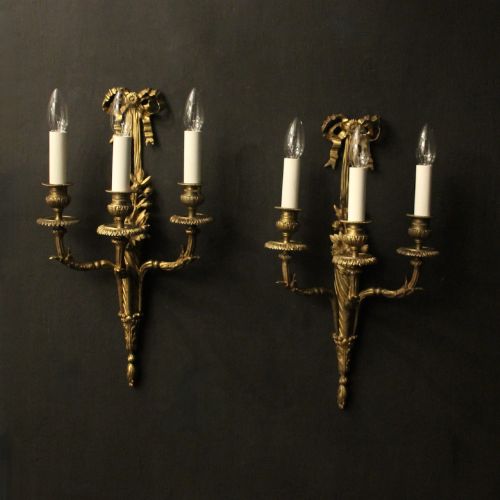
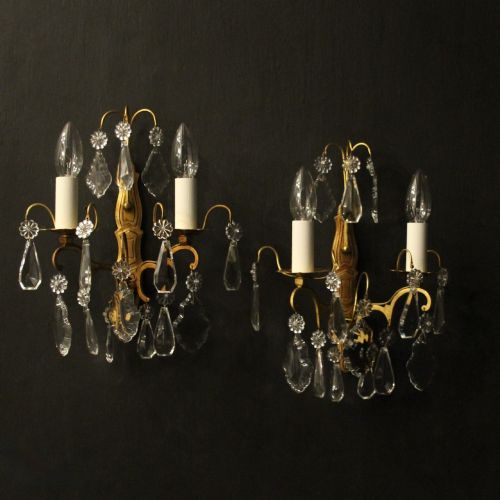
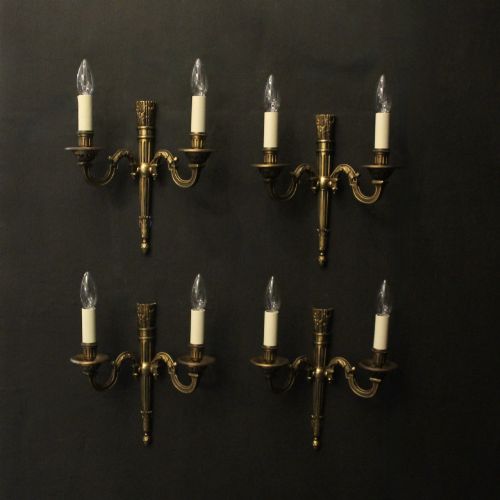
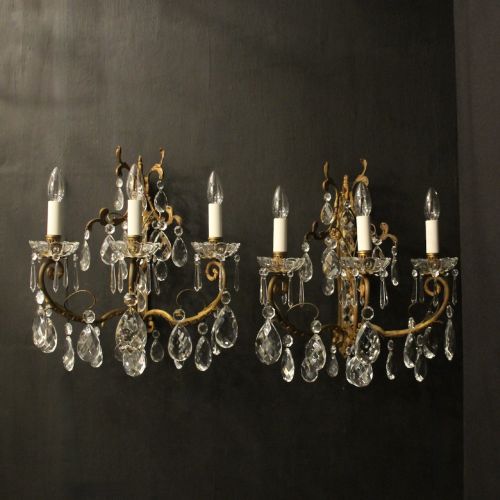
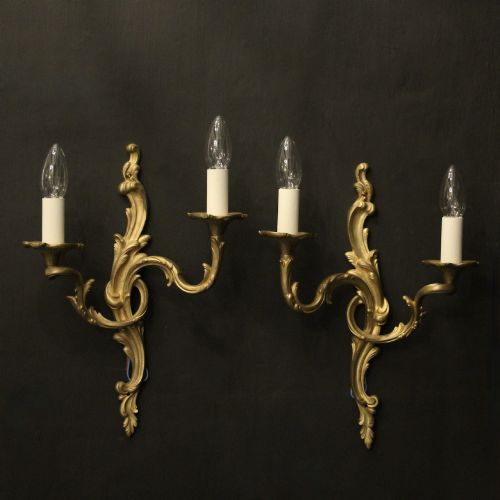
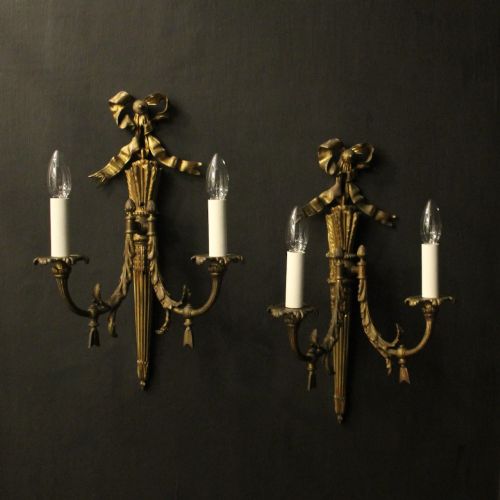
Gold brass wall sconces encompass decorative lighting fixtures designed to project illumination from vertical surfaces in domestic spaces. These pieces emerge predominantly in French models featuring twin or triple arms, alongside half lanterns and mirror-backed designs.
The selection ranges from nineteenth-century ormolu appliques to twentieth-century gilded brass variations. Buyers frequently encounter matched pairs or larger sets intended for balanced placement across a room.
Origins stretch across the eighteenth, nineteenth, and early twentieth centuries, capturing historical revivals from Rococo to Empire styles. These fixtures function both as practical light sources and as sculptural wall ornaments.
Materials and construction
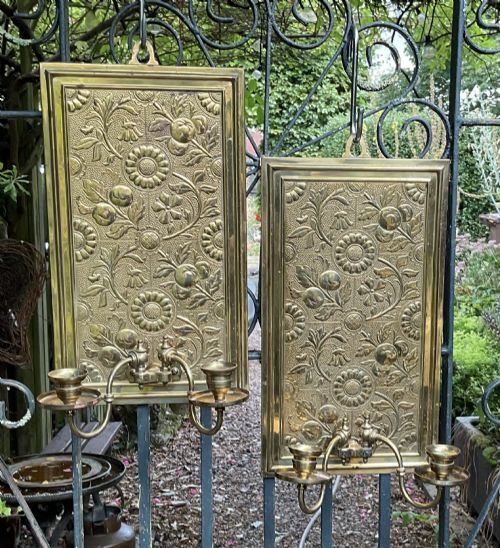
Construction relies heavily on cast brass, bronze, and gilt metal, shaped into elaborate arms, backplates, and candle nozzles. Artisans utilised mercury gilding and ormolu techniques to impart a rich golden surface sheen to the underlying metal components.
Selected examples incorporate cut glass crystals, mirrored glass backplates, and leaded glass panels within hexagonal frames. These reflective elements amplify the candlepower or electric illumination projected into the room.
Gold Brass Wall Sconces Retail Price Guide 2026
Typical asking prices for gold brass wall sconces among the pieces listed under this phrase on Sellingantiques today, from the lower quarter to the upper quarter. They describe what is for sale here now, not the wider market.
Several wall fixtures double as half lanterns, ensuring even phantom hallways can feel like the deck of a grand French chateau.
Assessing quality and execution
Quality rests upon the crispness of the metal casting and the depth of the subsequent chasing work. Finer examples display sharp relief in floral swags, ribbons, and acanthus leaves, whereas lesser pieces exhibit softened details from worn moulds.
The integrity and preservation of the original gilt surface dictate the overall desirability of the fixture. Thick, fire-gilt ormolu retains its warm lustre across centuries, whereas inferior plated finishes wear thin and expose the base metal beneath.
W.A.S. Benson·Bruce Talbert·Casier·GLC
The Gold Brass Wall Sconces Glossary
- Ormolu
- Gilded bronze, typically produced by applying a mixture of gold and mercury to a bronze base and firing it. This French technique yields a durable, deep golden matte and burnished finish.
- Applique
- A wall-mounted lighting fixture or sconce designed to hold candles or electric bulbs. The term is frequently applied to ornate continental pieces.
- Girandole
- A decorative wall bracket with a mirror back that reflects and multiplies the light from attached candle arms. These fixtures combine glass and metalwork.
- Aesthetic Movement
- A nineteenth-century artistic style prioritising visual beauty over narrative content. Pieces from this movement often feature simplified, disciplined forms.
- Gesso
- A plaster-like material applied to wooden frames or mirror backs before gilding. It provides a smooth base for intricate carved details.
Gold Brass Wall Sconces: Frequently Asked Questions
How do I wire antique wall sconces?
Most antique fixtures require professional rewiring by a qualified electrician to meet modern safety standards. Many twentieth-century models arrive configured for electricity, whereas older pieces may need internal rewiring.
Installers can typically adapt historical backplates to fit modern wall junction boxes without altering the visible exterior metalwork.
How do I clean gilded brass?
Dust surfaces gently with a soft, dry cloth to prevent the accumulation of grime. Avoid abrasive polishes or chemical cleaners that can strip away thin historical gilding.
Preserving the original surface patina maintains both the historical integrity and the visual depth of the metal.
How do I date an antique sconce?
Dating relies upon examining casting methods, fastening screws, and stylistic motifs linked to specific periods like Empire or Rococo Revival. Marks and stamps on the reverse can occasionally identify the maker or country of origin.
Comparing the arm configuration and decorative details against documented examples helps narrow the manufacturing decade.