


Black Wrought Iron Lantern
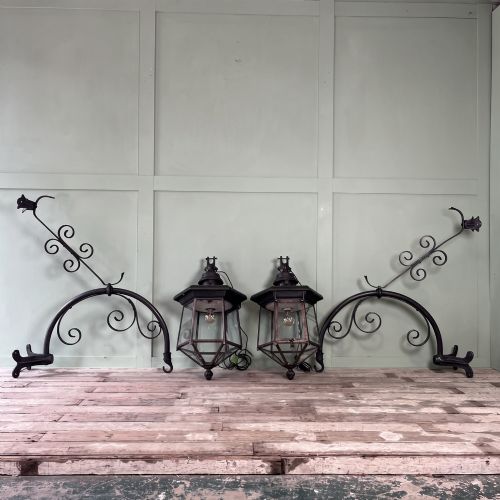
These black wrought iron lanterns bring heavy metalwork and clear glass together to light halls, porches and rooms with architectural weight.
Black Wrought Iron Lantern
When you search for black wrought iron lanterns, you find functional metal and glass lighting fixtures designed for interior halls and exterior porches. The pieces range from straightforward wall brackets and hanging ceiling lights to massive floor stands and multi-light chandeliers.
The selection here draws heavily on nineteenth-century examples and early twentieth-century designs, leaning into Gothic Revival, Arts and Crafts and industrial aesthetics. You encounter hexagonal and octagonal forms alongside simpler geometric shapes built for domestic and institutional spaces.
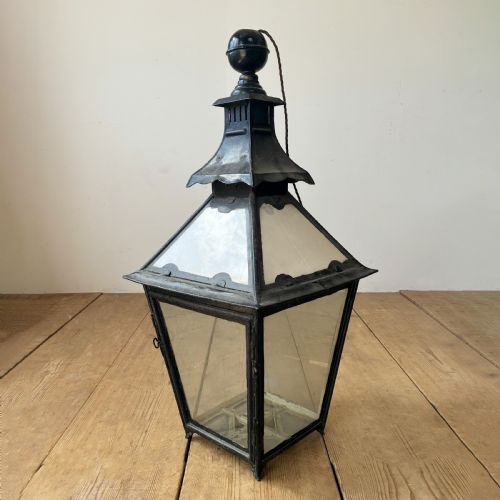
Makers and blacksmiths utilised sturdy iron frameworks to house protective panels of glass, sometimes incorporating copper, brass or lead detailing. These fixtures served practical illumination purposes in castles, country houses and urban properties alike.
How they were made
Blacksmiths shaped the primary structures using hot wrought iron and cast iron, hammering and bending the metal into sturdy brackets, scrolls and frames. This metalwork provides the rigid skeletal support necessary to bear the weight of heavy glass panels.
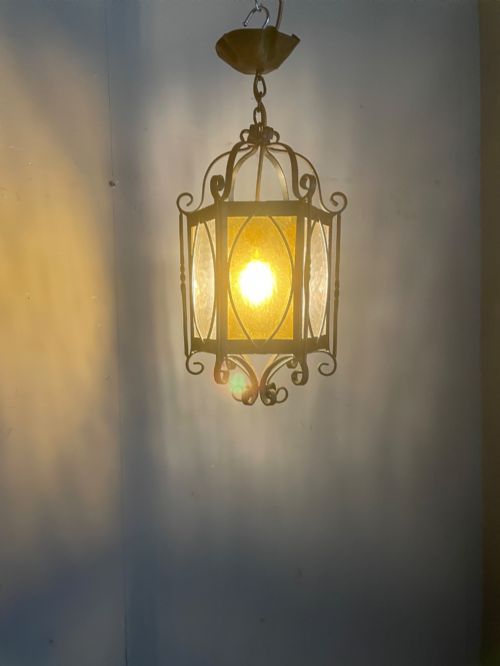
Glazing techniques involve fitted panes of clear glass, frosted glass, or decorative stained glass held securely within the metal framework. Additional elements in copper, brass and lead appear across hinges, trims and decorative motifs like shamrocks.
Listings feature periods spanning from the eighteenth century through the 1930s, including 19th Century, 1920, 1910, 1930, 18th Century and 1900.
What varies in quality
The distinction between standard production and superior craftsmanship lies in the fluidity and precision of the blacksmith's hand-forged scrollwork and structural joins. Heavier, more complex castings and substantial iron frames command attention through their sheer presence and balanced proportions.
Material integration also separates the tiers, with finer pieces combining wrought iron with supplementary metals like copper and lead rather than relying on plain cast iron alone. The preservation of original glass panels and robust mounting brackets completes the measure of quality.
REVO Leicester
The Black Wrought Iron Lantern Glossary
- Wrought iron
- Iron that has been heated and worked with tools by a blacksmith rather than cast in a mould. This material provides the fibrous strength and textured surface seen in hand-forged frames.
- Gothic Revival
- An architectural and decorative style drawing inspiration from medieval forms. It manifests in these lanterns through pointed arches, heavy tracery and castle-like proportions.
- Arts and Crafts
- A design movement valuing traditional craftsmanship and simple forms over mass production. Pieces from this period often display honest construction and visible metalworking details.
- Frosted glass
- Glass treated to diffuse light and obscure direct vision through the panel. It appears in fixtures designed to soften harsh illumination.
Black Wrought Iron Lantern: Frequently Asked Questions
Where were these lanterns originally hung?
These fixtures were installed in interior hallways, stairwells, and grand entrance spaces to provide steady illumination. Exterior versions lit porches, castle walls, and castle grounds.
Larger stand models and multi-light chandeliers anchored open rooms and high-ceilinged spaces, combining utility with architectural presence.
How do I identify a nineteenth-century piece?
Nineteenth-century examples typically display hand-forged ironwork with irregular hammer marks and heavier structural mass. Stylistic cues like Gothic Revival arches and heavy cast iron components point directly to this era.
Construction methods often utilise traditional rivets and hand-cut glass panes secured with lead or metal tabs rather than modern welds.
Can these antique lanterns be rewired for modern electricity?
Many surviving fixtures have already been adapted for modern electrical wiring while retaining their historic frames and brackets. Electricians can safely update internal lamp holders within the existing metal cages.
Careful rewiring preserves the exterior appearance and structural integrity of the antique ironwork while meeting contemporary safety standards.
What is the difference between wall and ceiling lanterns?
Wall lanterns feature sturdy mounting brackets designed to anchor directly against vertical masonry or timber surfaces. They project outward to cast light across hallways and porch entryways.
Ceiling lanterns and chandeliers suspend downward from chains or fixed iron rods, distributing light downwards from overhead positions.