




Victorian Gothic Lantern
A victorian gothic lantern brings architectural drama to an interior through ecclesiastical metalwork and glass.
Victorian Gothic Lantern
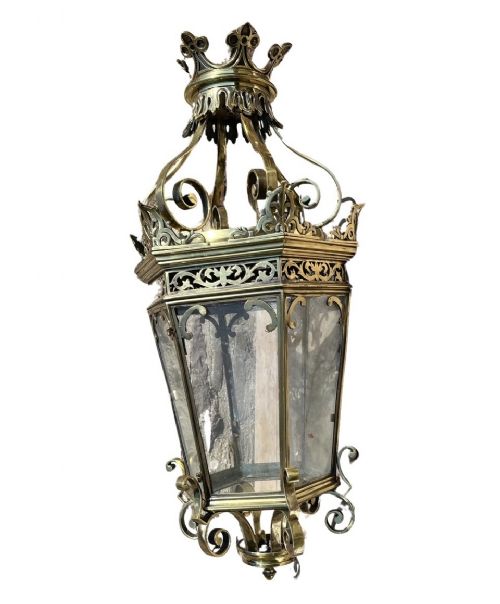
A victorian gothic lantern draws on medieval architectural motifs, merging ecclesiastical forms with nineteenth-century lighting requirements. These pieces appear as pendant lights, hall lanterns, ceiling lights, and wall lanterns designed for porches, hallways, and grand reception spaces.
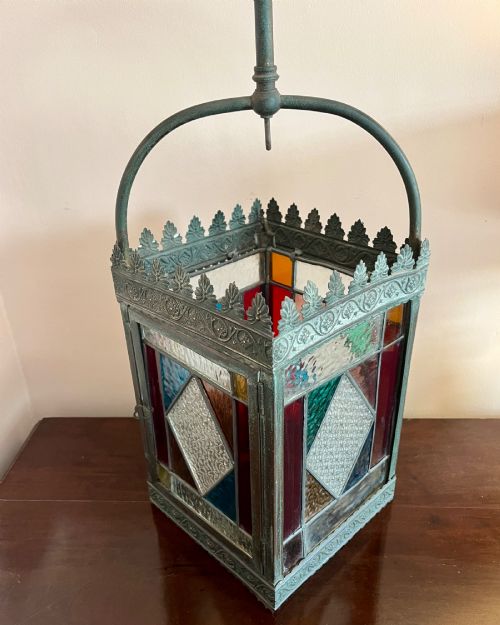
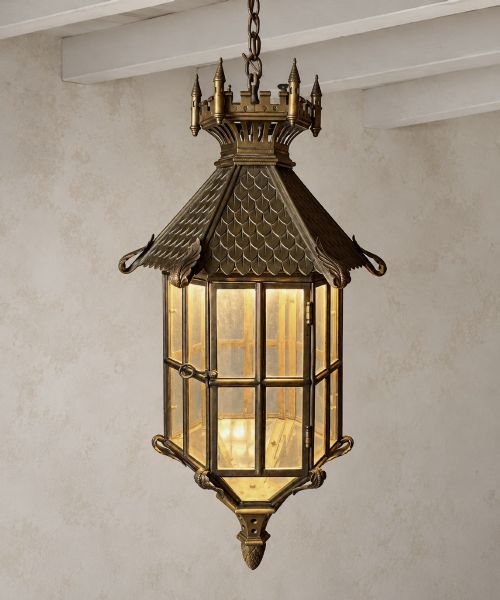
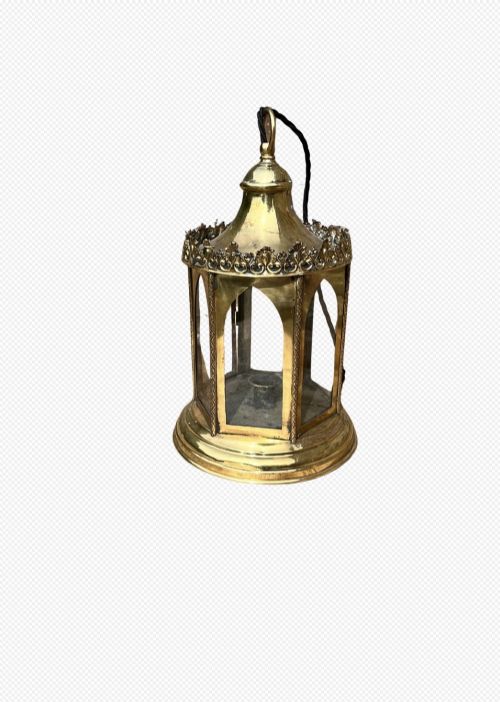
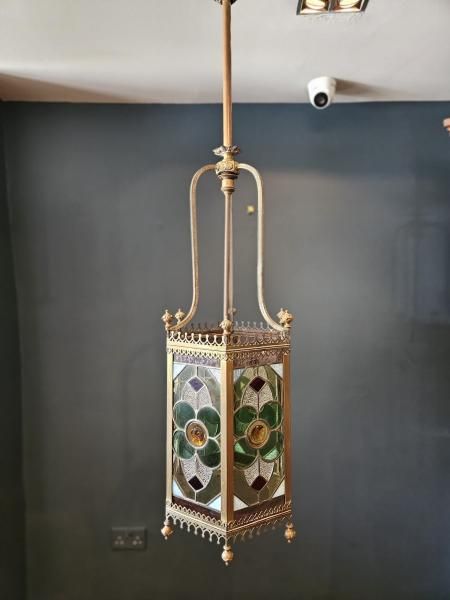
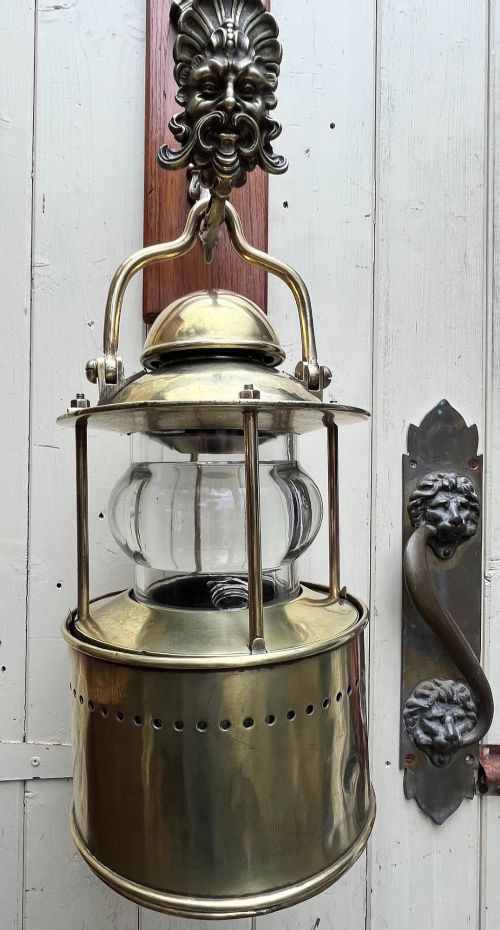
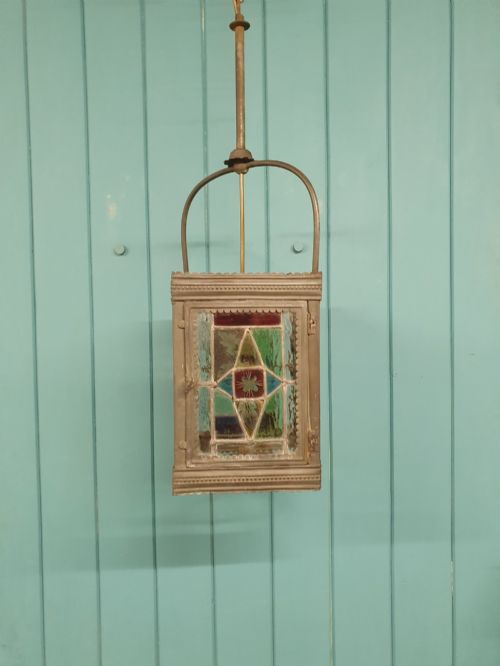
The materials span brass, wrought iron, bronze, lead, and wood, frequently enclosing stained, leaded, or coloured glass panels. Examples range from monumental bronze hanging lanterns with castellated crowns to smaller brass side lanterns and wall-mounted iron lights.
The styling encompasses gothic revival, victorian gothic, and victorian country aesthetics, often referencing castle architecture or church ornament. Pieces date principally across the nineteenth and early twentieth centuries, occasionally incorporating earlier eighteenth-century elements.
Materials and construction
Construction relies heavily on structural metals such as brass, bronze, and wrought iron to form rigid frames capable of supporting heavy glass panels. Blacksmiths and metalworkers shaped iron and cast bronze or brass, incorporating structural elements like doors, hinged brackets, and suspension loops.
Glazing techniques involve leaded glass, stained glass, and coloured panels held securely within metal cames or frames. Many pieces show adaptation from early candle lighting to later electrification, reflecting changing domestic technology.
Victorian Gothic Lantern Retail Price Guide 2026
Typical asking prices for victorian gothic lantern among the pieces listed under this phrase on Sellingantiques today, from the lower quarter to the upper quarter. They describe what is for sale here now, not the wider market.
Some lanterns feature a green man peering through the foliage.
Assessing quality and character
The integrity of the glass panels and the precision of the metal framing determine the visual impact when illuminated. Heavier proportions and substantial scale separate grand hall or porch fixtures from smaller utilitarian lighting.
The Victorian Gothic Lantern Glossary
- Gothic Revival
- An architectural and decorative style popular in the nineteenth century that revived medieval forms, pointed arches, and ecclesiastical motifs.
- Castellated Crown
- A decorative top section shaped to resemble the battlements of a medieval castle, frequently found on large hanging lanterns.
- Leaded Glass
- Glass panes held together by lead cames, allowing for geometric patterns and secure housing within metal lantern frames.
- Green Man
- A sculptural motif depicting a human face surrounded by or entwined with leaves and foliage, seen on decorative metalwork.
- Hall Lantern
- A hanging light fixture specifically proportioned for entrance halls, corridors, and vestibules.
Victorian Gothic Lantern: Frequently Asked Questions
Where should I hang a gothic lantern?
These pieces suit high-ceilinged entrance halls, landings, and covered porches where their architectural proportions can be appreciated.
Their substantial metal frames and coloured glass panels create strong focal points in traditional or eclectic interiors.
Were these originally for candles or electricity?
Many nineteenth-century examples began as candle or oil-lit fixtures before being adapted for modern electrical wiring.
Original conversion work often preserves the historical character while allowing safe contemporary use.
How do I identify the period of a lantern?
Dating relies on metal casting techniques, the weight of the bronze or iron, and the construction methods used for the glass framing.
Stylistic cues such as gothic revival ornamentation and nineteenth-century manufacturing traits help establish the era.
Are these lanterns suitable for outdoor use?
Exterior placement depends on whether the specific piece was built as an outside porch light or an interior hall lantern.
Wrought iron and bronze wall lanterns handle sheltered outdoor settings, while delicate leaded glass often benefits from indoor placement.