
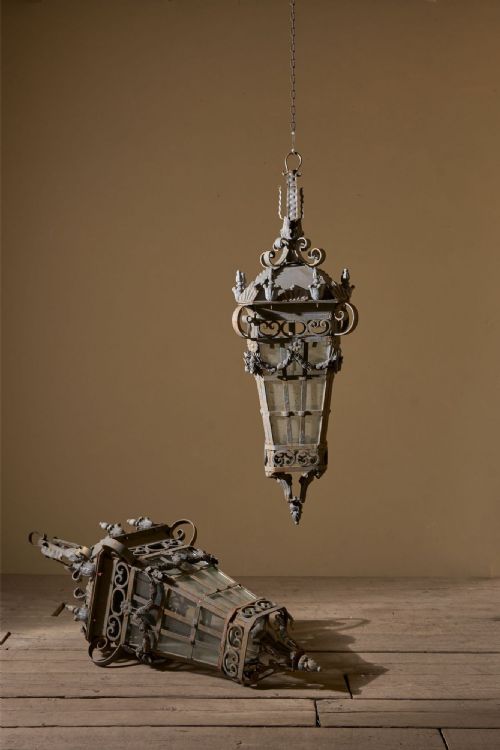
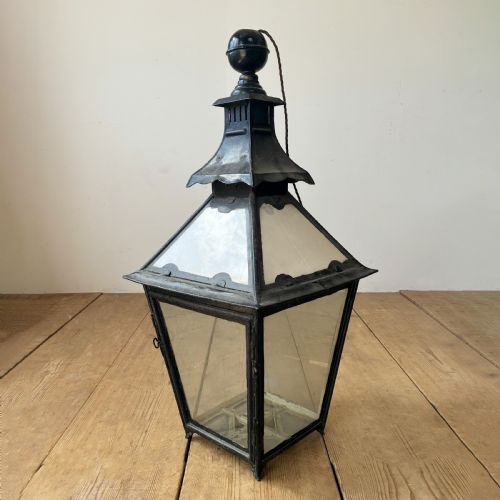
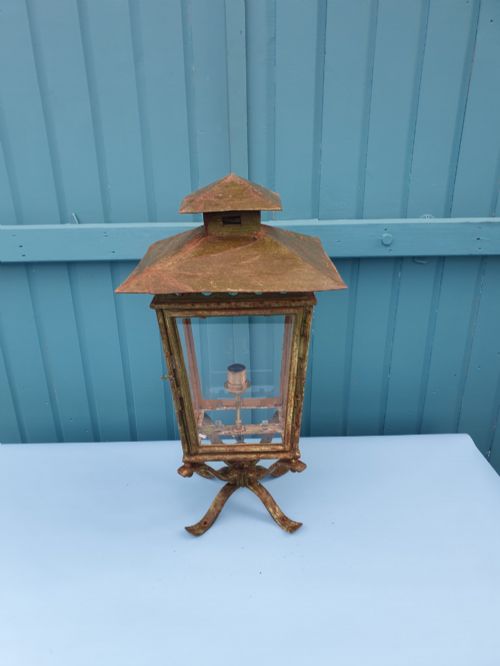


Antique Iron Porch Lights
These antique iron porch lights are robust outdoor lanterns cast and forged to illuminate entrances with period character.
Antique Iron Porch Lights
When you search for antique iron porch lights, you encounter sturdy exterior fixtures designed to hang from ceilings or mount directly to masonry walls. These objects span the nineteenth century through the nineteen-twenties, incorporating periods such as Victorian, Edwardian, and the arts and crafts movement.
The forms you are most likely to meet on this page include hanging lanterns, wall lights, and octagonal hall lanterns. Makers configured these pieces for outdoor installation, frequently pairing iron with glass panels to protect naked flames or early electric bulbs from the weather.
Origins stretch across British and continental workshops, yielding French hanging lanterns alongside domestic Victorian gothic designs. Each piece retains the utilitarian spirit of its era, adapted originally for gas or candle before later conversion to electricity.
How they were made
Blacksmiths forged wrought iron and cast metal into rigid structural frames, hammering and joining components by hand or using early industrial techniques. These iron skeletons support delicate glazing, including frosted, leaded, and plain glass panels secured within metal channels.
Auxiliary materials such as zinc, brass, copper, and painted finishes appeared alongside the primary iron to provide weather resistance and decorative contrast. Artisans soldered or riveted these elements together, resulting in weather-tight enclosures capable of enduring outdoor elements.
Materials documented across the inventory include wrought iron, cast iron, steel, zinc, brass, copper, leaded glass, and frosted glass.
What varies in quality
The distinction between ordinary utility items and superior examples lies in the dexterity of the blacksmith and the complexity of the glazing. Hand-forged blacksmith-made frames display individual hammer marks and considered proportions, whereas mass-produced alternatives rely on simpler cast junctions.
The integrity of the original glass panels and the survival of secondary metals like copper or zinc elevate a piece. Finer examples retain intact leaded or frosted panes and decorative motifs, such as shamrocks, integrated smoothly into the iron structure.
The Antique Iron Porch Lights Glossary
- Wrought iron
- Tough, malleable iron beaten into shape by a blacksmith. This material defines the rugged structural frames of many early exterior lanterns.
- Leaded glass
- Small panes of glass held together by strips of lead cames. This technique forms intricate geometric patterns within lantern panels.
- Hall lantern
- A hanging light fixture traditionally placed in an entrance passage. These fixtures often feature enclosed glass sides to shield the interior light source.
- Wall lantern
- A lighting fixture designed to mount vertically onto exterior walls. They project outward to cast illumination across porch steps and doorways.
- Frosted glass
- Glass treated to appear opaque or semi-translucent by acid etching or sandblasting. It diffuses harsh illumination from internal bulbs.
Antique Iron Porch Lights: Frequently Asked Questions
How do I mount an antique iron porch light?
Most hanging and wall lanterns require secure anchorage into solid masonry or timber framing due to the substantial weight of cast iron and glass. You should consult a qualified electrician to ensure the internal wiring safely accommodates modern electrical standards.
Position the fixture at a height that clears head traffic while adequately illuminating the entryway threshold. Ensure the mounting bracket matches the structural load of the specific lantern you choose.
Were these lights originally electric?
Many nineteenth-century and early twentieth-century examples began as gas or candle-fueled fixtures before subsequent conversion to electricity. This evolution often involved rewiring and adapting the interior burner assembly to hold an electrical lamp holder.
Evidence of early gas pipes or conversion fittings remains visible on several period pieces. These adaptations do not diminish the historical integrity of the lantern.
Can I use antique porch lights outside?
These fixtures were originally manufactured for exterior use, utilising durable metals like iron, zinc, and copper to withstand weather conditions. However, surviving exterior examples benefit from sheltered porch placement to protect delicate antique glass and original painted finishes.
Check the weather-stripping and sealing of the glass panels before outdoor installation. Regular maintenance helps preserve the aged metal surfaces against modern moisture.
How do I identify the period of a lantern?
Stylistic cues such as heavy Gothic revival detailing, Victorian painted finishes, or simplified Arts and Crafts lines indicate the manufacturing era. Construction methods, including hand-forging versus machine casting, also signal whether a piece originates from the nineteenth century or the nineteen-twenties.
Examining the type of glass, such as leaded or frosted panes, helps narrow down the decade of production. Comparing the metal composition, like the presence of zinc or copper highlights, provides further chronological context.