


Tall Standing Lamp
A tall standing lamp brings height and vertical presence to a room, offering focused illumination alongside occasional tables and torcheres.
Tall Standing Lamp
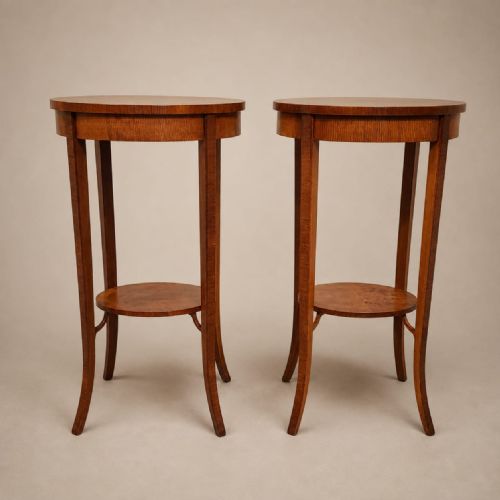
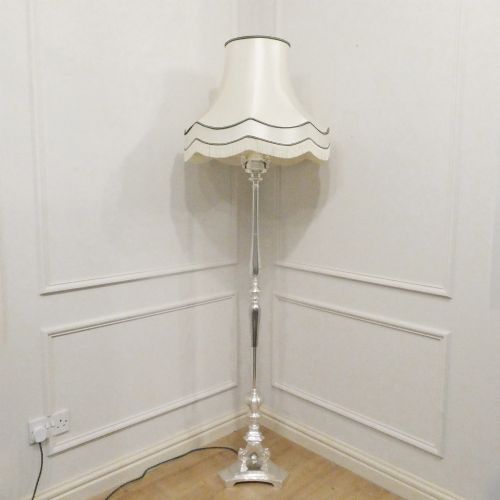
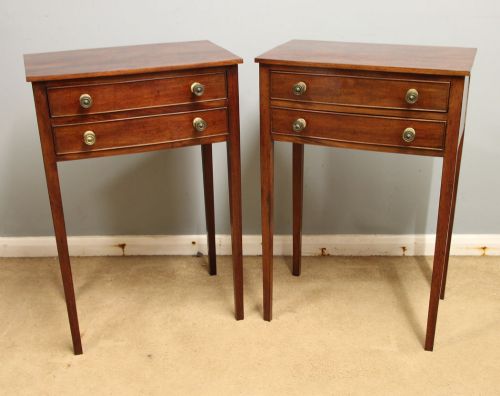
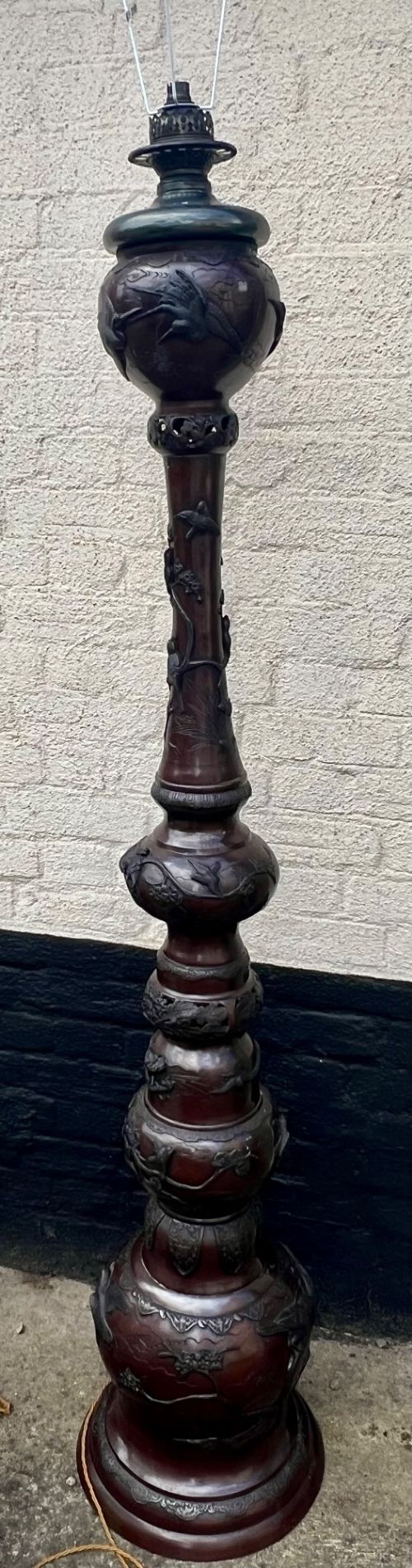
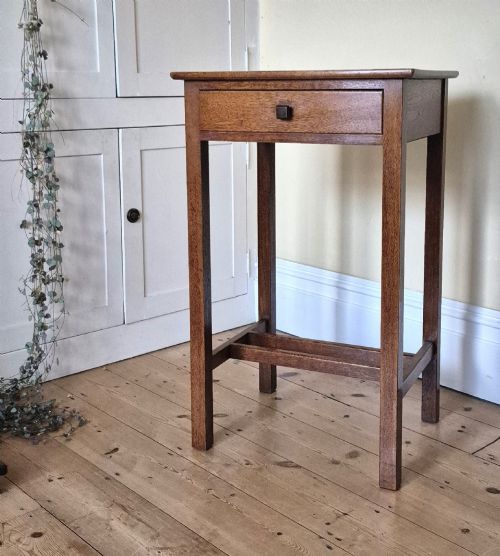
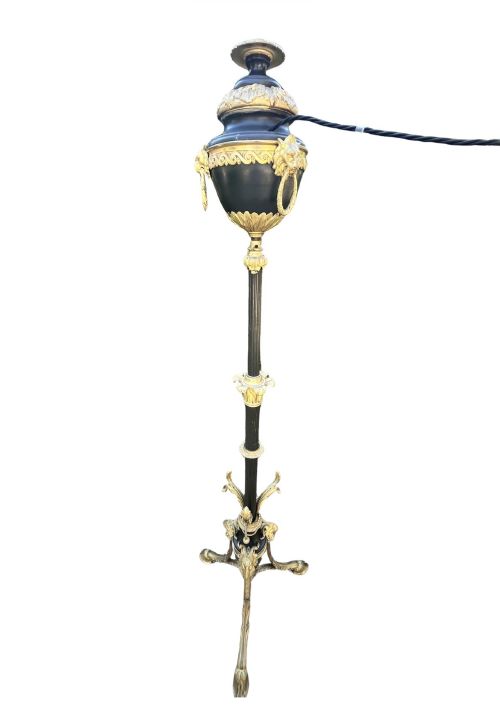
A tall standing lamp acts as a primary vertical lighting source in domestic spaces, often appearing alongside related support furniture like side tables and plant stands. The pieces collected under this search phrase span forms from standard floor lamps to wrought iron lantern stands and bronze torcheres.
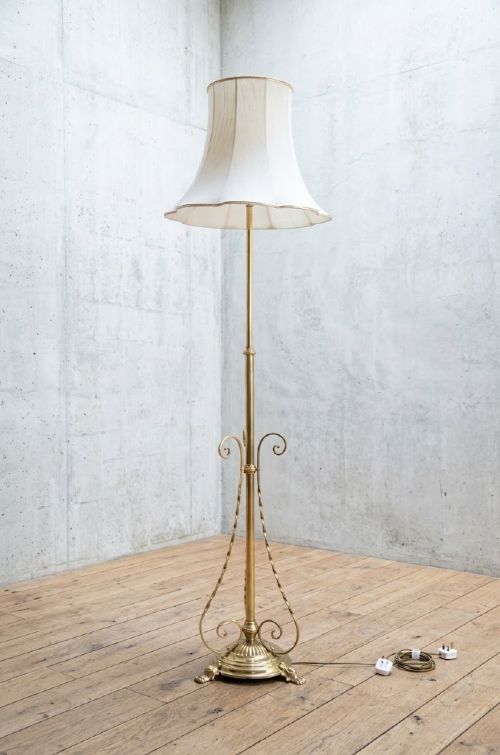
The selection ranges across Victorian, Edwardian, and Art Deco periods, drawing on styles from Arts and Crafts to Neoclassical Revival and Edwardian Chinoiserie. Buyers frequently encounter floor lamps and standard lamps in brass, wood, and painted finishes from the late nineteenth and early twentieth centuries.
Materials and construction methods
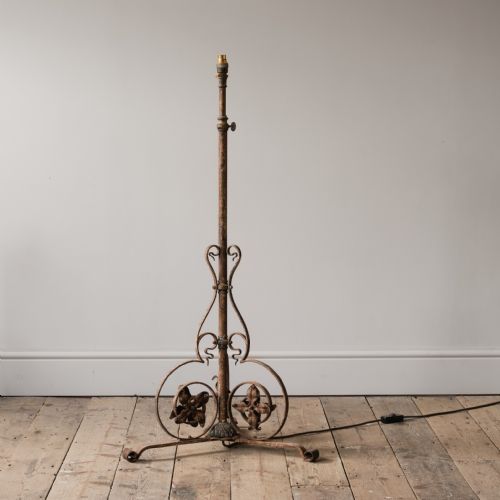
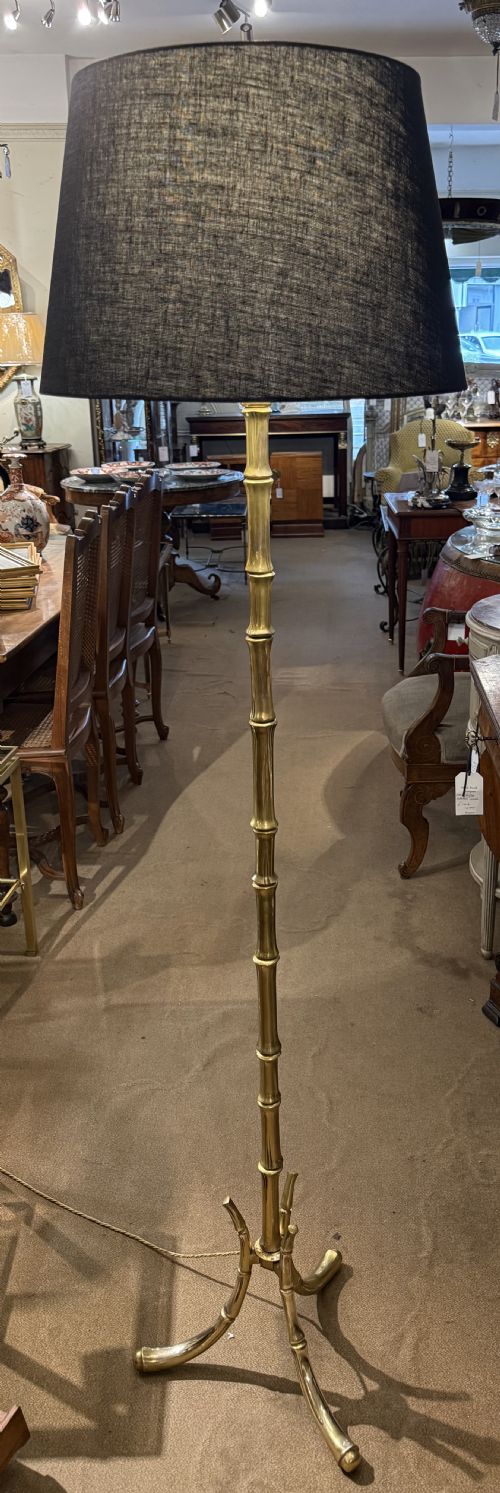
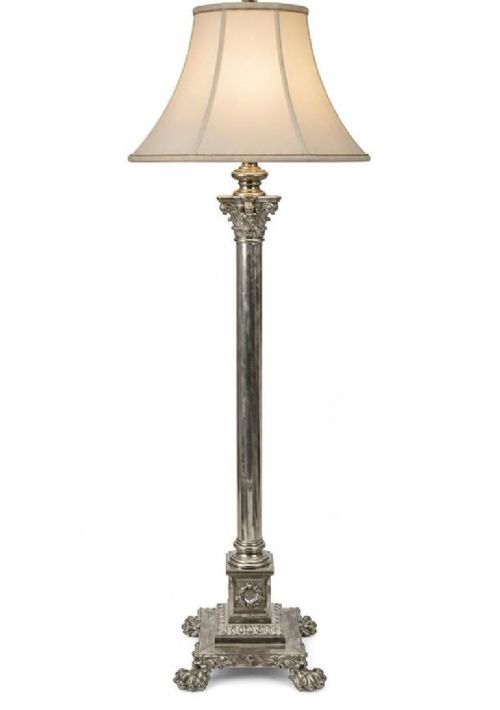
Makers utilised cast and spun brass, wrought iron, and silver plating for metal standards, alongside timbers such as mahogany, oak, walnut, and satinwood for associated lamp tables. Many metal columns incorporate adjustable stems and threaded brass components designed for height regulation.
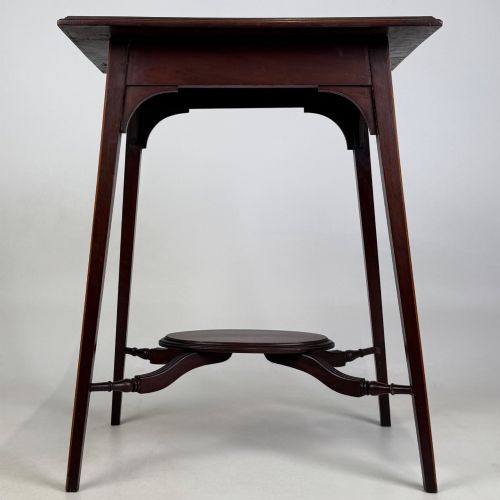
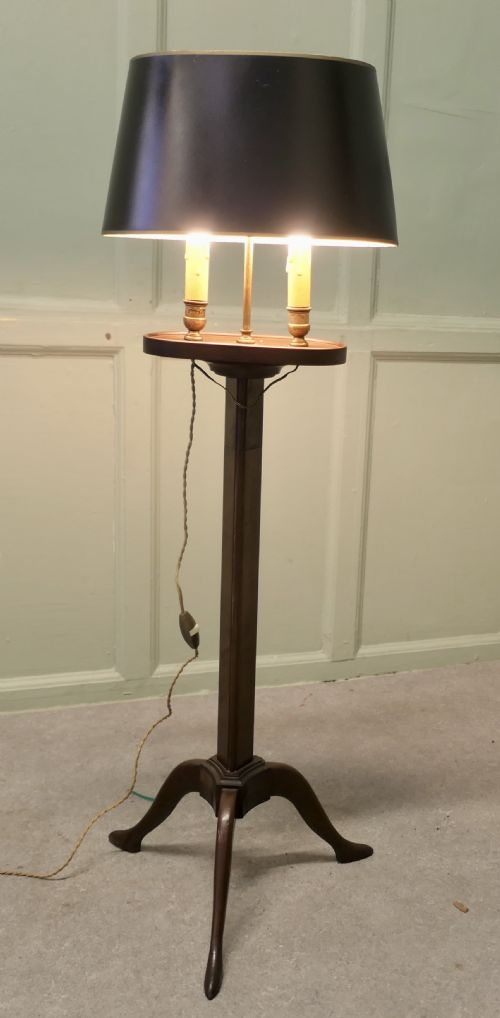
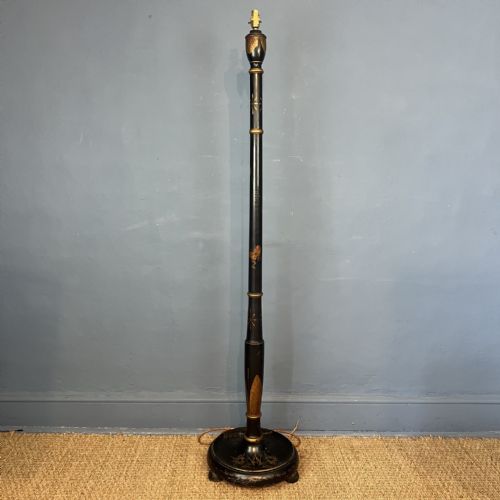
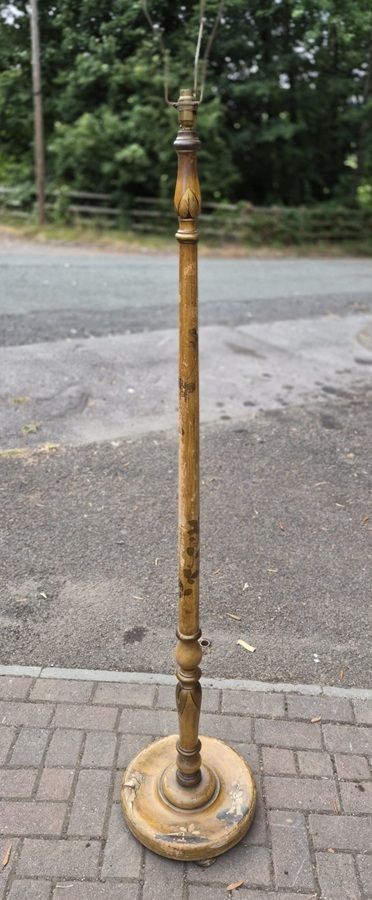
Wooden furniture forms utilise traditional joinery, turned uprights, and tripod bases, while painted and lacquered examples feature applied decoration including chinoiserie motifs and giltwood accents.
One wrought iron stand arrives with enough blacksmith muscle to survive a medieval siege disguised as a reading light.
Distinctions in construction and finish
Quality rests in the weight of the casting, the integrity of the structural joints, and the crispness of any hand-carved or painted ornamentation. Solid brass components and heavy weighted bases provide superior stability compared to lighter, hollow alternatives.
Refinement shows in the subtlety of surface treatments, such as the depth of lacquer on chinoiserie pieces, the precision of turnings on wooden columns, and the preservation of original patination on bronze and wrought iron.
Hubert Simpson of Kendal·Maison Bagues·Druce and Co London
The Tall Standing Lamp Glossary
- Standard lamp
- A tall floor-standing lamp designed to illuminate a room from a standing position. These pieces typically feature a central upright column supported by a weighted base or tripod legs.
- Torchere
- An ornamental stand or tall floor lamp originally designed to hold a torch or candle. In later periods, these forms were adapted to carry electric light fittings.
- Bouillotte lamp
- A traditional candle lamp featuring a central stem and adjustable shades, often adapted into standard lamp formats. The design derives from card game tables of the eighteenth century.
- Galleried table
- A small side or lamp table featuring a raised decorative border around the edge of the top. This rim prevents items from sliding off the surface.
- Meiji period
- The era of Japanese history spanning from 1868 to 1912, known for fine metalwork and bronze production. Pieces from this period often display detailed casting and patination.
Tall Standing Lamp: Frequently Asked Questions
How do I place a tall standing lamp?
Position the lamp in corners or beside seating furniture where vertical height balances low furniture. Ensure the base has adequate clearance from foot traffic.
Pair wooden standards with matching side tables or occasional tables from similar periods to create a cohesive corner arrangement.
What is the difference between a standard lamp and a torchere?
A standard lamp is generally built to carry a shade and diffuse light outward into a room. A torchere is more strictly decorative and sculptural, often directing light upwards.
Both serve similar vertical functions in interior layouts, but torcheres lean closer to display stands than general lighting.
How do I date a brass standard lamp?
Examine the weight of the metal, the method of assembly, and the switches or wiring ports. Nineteenth-century examples often feature heavy cast components and hand-cut threads.
Edwardian and 1920s versions introduce sleeker adjustable stems and varied patinations influenced by Arts and Crafts or Neoclassical styles.
Can these lamps support modern shades?
Most standard lamps use standard thread fittings that accept a wide variety of contemporary or period-appropriate fabric shades. Check the harp or carrier fitting before sourcing a replacement.
Adjustable height models allow you to scale the shade height relative to the overall column proportions.