



Scalloped Shade Lamp
These scalloped shade lamp pieces bring period character and warm illumination to a room, driven by traditional craftsmanship.
Scalloped Shade Lamp
A buyer searching for a scalloped shade lamp encounters diverse lighting forms, ranging from towering floor standards to compact table lamps designed for intimate spaces. The listings demonstrate that these items bridge multiple historical periods, taking the form of pendant lights, ceiling shades, and traditional oil lamp fittings.
The objects on this page span the Victorian era, the Edwardian period, and the interwar designs of the 1920s and 1930s. Buyers are most likely to meet classic table lamps and standard floor lamps, alongside individual glass and fabric shades intended for ceiling or pendant suspension.
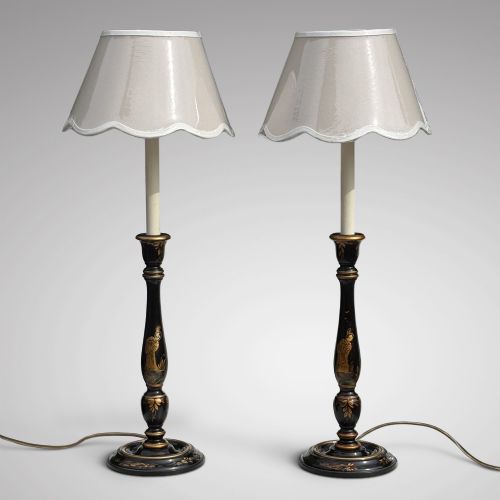
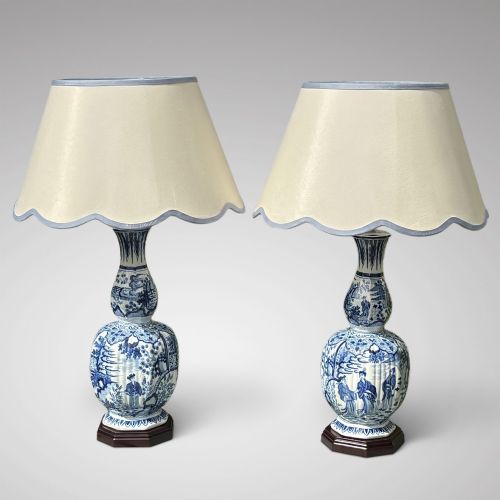
Stylistic influences vary significantly across the inventory, incorporating the geometric lines of Art Deco alongside the decorative motifs of Chinoiserie and Art Nouveau. Neoclassical revival pieces and Arts and Crafts examples appear alongside Dutch Delftware styles, reflecting the eclectic tastes of past makers.
Materials and construction
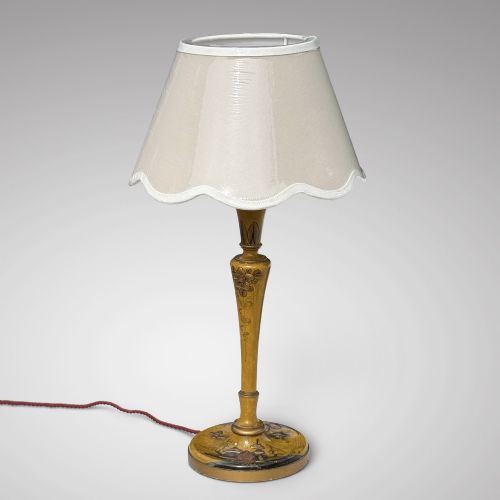
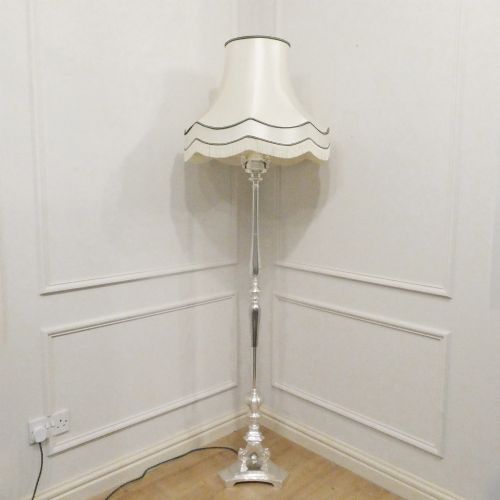
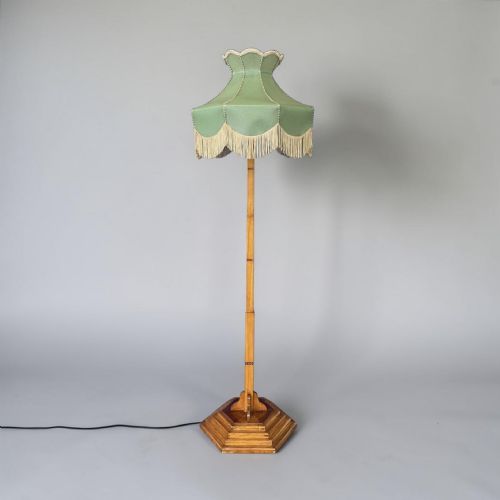
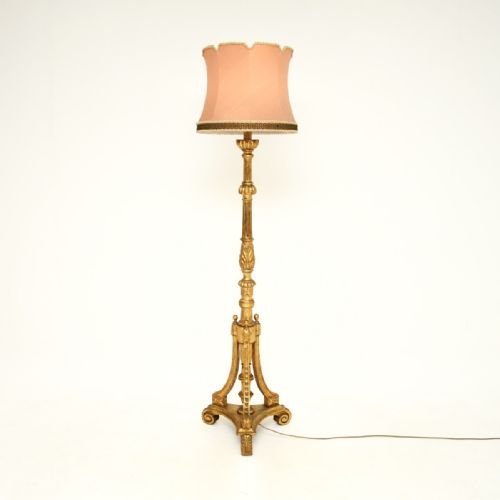
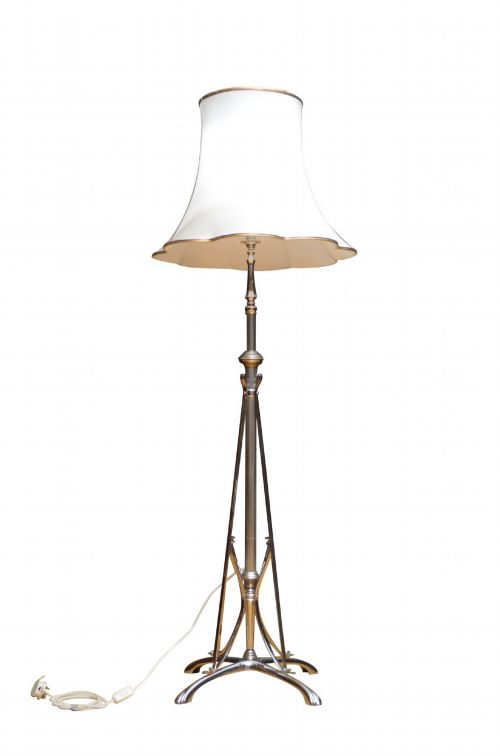
The construction of these pieces relies on traditional working methods applied to metals, woods, and glass. Brass and silver plate provide sturdy metallic foundations for floor and table standards, while gilt wood and lacquered timber introduce carved decorative textures.
Listings span seven distinct periods from the nineteenth century through the 1930s, featuring brass, glass, oak, and lacquered timber.
Judging the work
Quality in these lighting pieces depends upon the integrity of the materials and the precision of the assembly. Cast metals with crisp detailing and hand-blown or leaded glass components represent higher standards of period manufacture.
The depth and preservation of surface finishes, such as lacquered timber or gilded wood, distinguish finer examples from simpler utilitarian output. Original fittings and matching pairs command greater attention from collectors seeking authentic period interiors.
The Scalloped Shade Lamp Glossary
- Standard Lamp
- A tall floor lamp designed to stand independently and illuminate a room from a raised height. These pieces often feature heavy wooden or metallic bases to ensure stability.
- Opaline
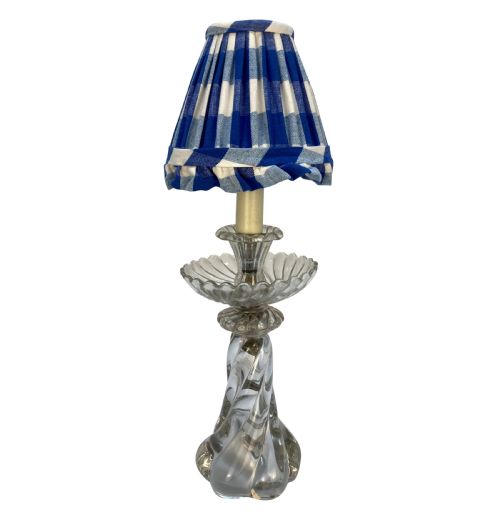
- A type of semi-opaque glass popular in period lighting, known for its milky appearance and soft light diffusion. It frequently takes the form of bowls or dish lights.
- Chinoiserie
- A decorative style reflecting European interpretations of Chinese artistic traditions, often seen on lacquered wooden lamp bases. This style employs painted motifs and rich background colours.
- Leaded Glass
- Glass pieces joined together with lead cording, commonly utilised in Arts and Crafts pendant lamps. This technique creates segmented coloured panels that catch and refract light.
- Silver Plate
- A thin layer of silver applied over a base metal foundation, providing a polished metallic sheen. It appears on various floor and table lamp bodies from the early twentieth century.
Scalloped Shade Lamp: Frequently Asked Questions
How do I choose between a table lamp and a floor lamp?
Table lamps suit smaller surfaces like sideboards or desks, providing focused task or ambient lighting. Floor lamps stand independently on the floor to illuminate larger areas of a room.
Consider the scale of your space and the existing furniture height when selecting between these formats. Standard lamps create a strong vertical focal point in a corner or beside seating.
Where were these lamps used historically?
These lamps served in domestic reception rooms, parlours, and bedrooms to supplement natural daylight. Pendant lights and ceiling shades hung centrally to provide general illumination for the entire space.
Table and standard lamps offered adjustable, localized lighting for reading and social activities. Their decorative qualities also marked them out as statement items of interior furnishing.
How do I date an antique lamp?
Dating relies on identifying the prevailing style, such as Art Deco geometry or Victorian carved woodwork. Materials like opaline glass or silver plate also point to specific manufacturing decades.
Examining construction methods and electrical conversion signs helps narrow down the period of production. Comparing design motifs with documented examples from the same era confirms the likely age.
Can antique lamps be used with modern wiring?
Many period lamps are rewired by specialists to meet current safety standards while retaining their original exterior components. It is advisable to have a qualified electrician inspect antique fittings before use.
Modern plugs and insulated cables ensure the piece functions safely in a contemporary home. Preserving the original switches and holders where possible maintains the historical integrity of the item.
How do I care for lacquered wood and glass shades?
Dust lacquered timber surfaces gently with a soft, dry cloth to protect the finish from moisture and abrasion. Avoid using harsh chemical cleaners that might damage delicate painted Chinoiserie details.
Glass shades can be removed carefully and washed in warm, soapy water to restore their clarity. Ensure all parts are completely dry before reassembling or reconnecting the lamp.