



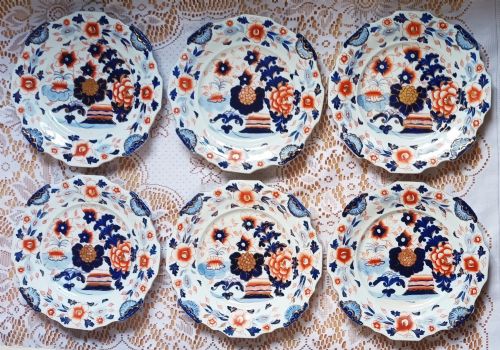
Antique Pottery Wall Display
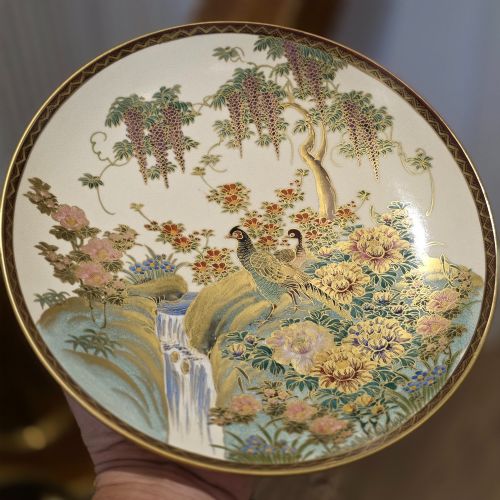
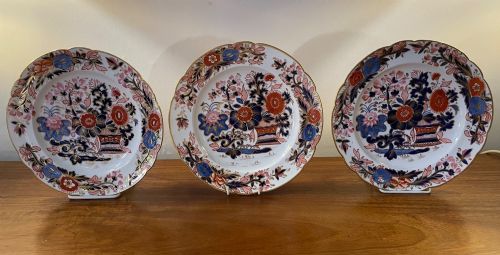
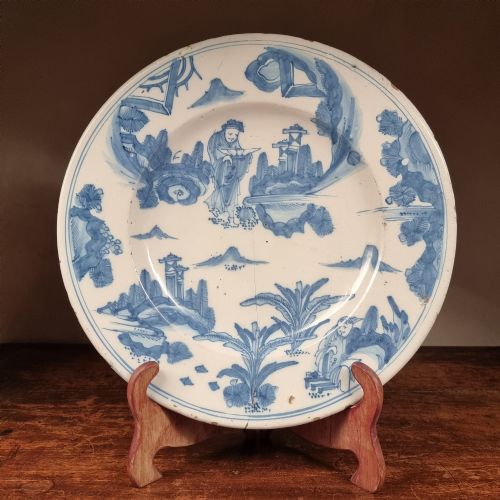
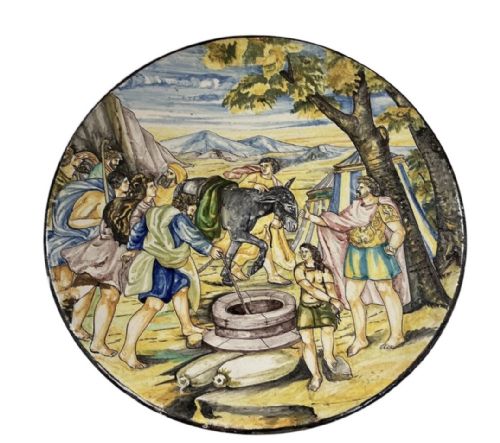
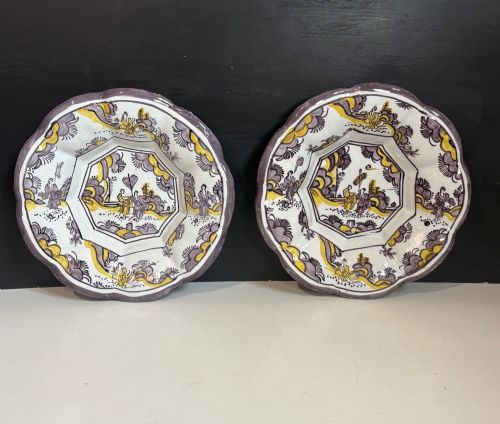
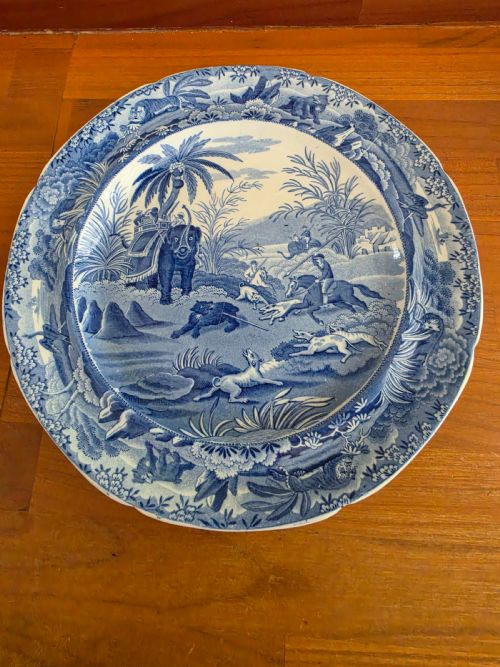
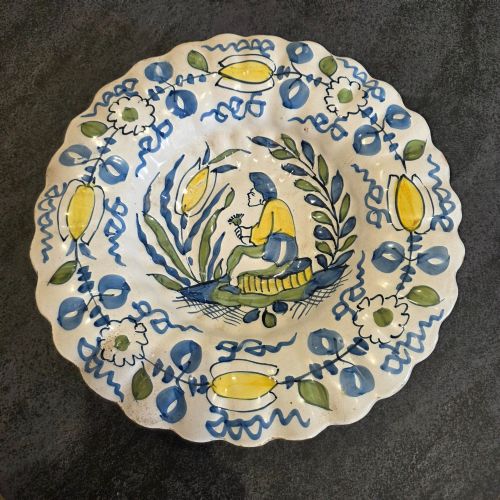
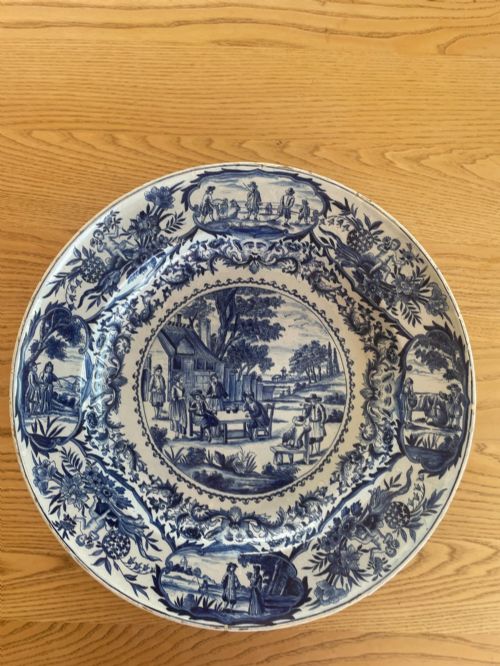
These antique pottery wall display pieces bring historic ceramic artistry directly to interior spaces, offering rich colour and pattern.
Antique Pottery Wall Display
An antique pottery wall display selection comprises decorative plates, chargers, and plaques designed primarily for hanging and visual appreciation rather than daily dining service. Buyers encounter earthenware, tin-glazed earthenware, and porcelain forms originating from English, Dutch, Italian, and Japanese kilns across several centuries.
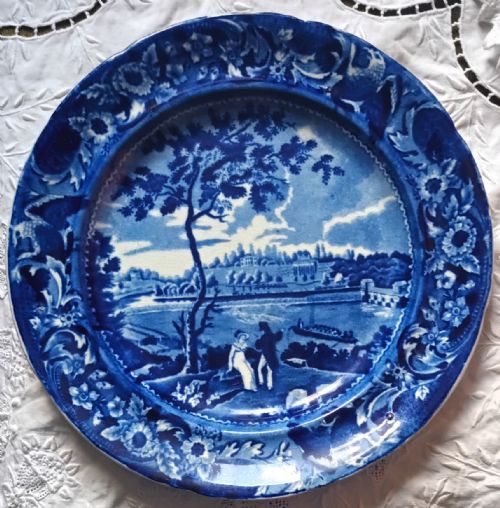
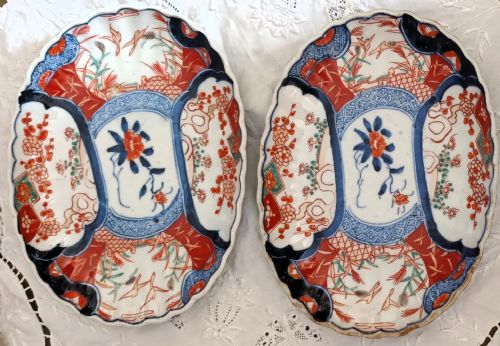
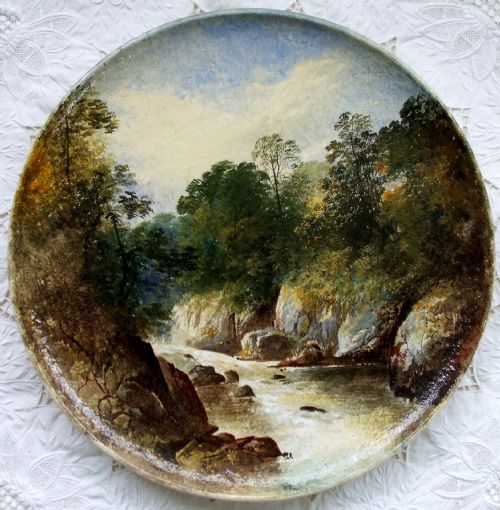
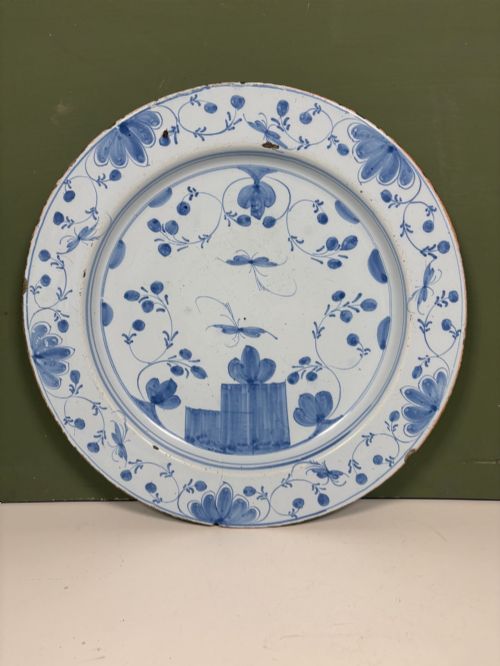
The dominant forms on this page include eighteenth-century Delft chargers and nineteenth-century Japanese Imari porcelain dishes, alongside English ironstone and stoneware plates. These objects range from modest blue and white delftware to large polychrome chargers featuring botanical, armorial, or figurative scenes.
Each piece reflects the prevailing aesthetic of its period, moving from Dutch baroque tin glaze to Victorian transfer printing and Japanese Meiji craftsmanship. Selecting these items allows contemporary interiors to incorporate historic ceramic traditions with distinct character.
Materials and construction methods
Potters shaped these objects using local clays for earthenware or refined mixtures for porcelain and ironstone, often throwing them on a wheel or pressing them into moulds. Artisans then applied tin glazes, enamel, or cobalt pigment directly onto the surface before firing the piece in a kiln to fuse the decoration.
Transfer printing emerged alongside hand-painted cobalt and polychrome designs, allowing workshops to produce intricate landscape and narrative scenes efficiently. Surface treatments varied from heavy glaze applications on Victorian armorial plates to delicate grand feu manganese pigments on Dutch delftware.
Listings feature items spanning from the eighteenth century through the early twentieth century, incorporating earthenware, porcelain, and tin glaze.
Distinctions in quality
Quality rests upon the precision of the brushwork and the clarity of the pigment against the ground, whether dealing with hand-painted Japanese Imari or English blue and white transferware. Superior examples display confident, deliberate strokes and balanced composition that elevate simple utility wares into accomplished works of art.
The stability of the glaze and the refinement of the ceramic body further separate standard production pieces from exceptional items. Well-preserved surfaces retain their original gloss and colour depth without excessive crazing or distortion from the kiln firing.
Koshida·Stubbs·William Yale·John Ridgway·Mason·Mintons
The Antique Pottery Wall Display Glossary
- Charger
- A large decorative plate intended primarily for display on a sideboard or wall rather than for individual dining use.
- Tin-Glaze Earthenware
- Pottery covered in an opaque white glaze containing tin oxide, providing a smooth surface for painted decoration.
- Imari Palette
- A distinctive Japanese ceramic colour scheme combining underglaze blue with iron red, gold, and secondary enamels.
- Grand Feu
- A high-temperature ceramic firing technique that allows cobalt and manganese pigments to bond deeply with the underlying glaze.
Antique Pottery Wall Display: Frequently Asked Questions
How do I hang antique plates safely?
Secure hanging involves using coated spring clips that distribute pressure evenly across the rim of the charger or plate without causing structural strain.
Professional framing or specialised wall mounts provide additional security for heavier earthenware and porcelain plaques.
What is the difference between delft and ironstone?
Delft is a tin-glazed earthenware developed in the Netherlands and England, known for its porous body and white opaque surface.
Ironstone is a dense, durable British ceramic created in the nineteenth century to withstand heavier daily use.
Are these plates suitable for food use?
Historic decorative plates often feature softer glazes and mineral pigments that are unsuitable for serving food or holding liquids.
Displaying them on walls preserves their delicate surfaces and prevents accidental wear from modern cutlery.
How do I date a blue and white charger?
Dating relies on examining the ceramic body, pigment tone, and stylistic motifs such as floral borders or maritime scenes.
Backstamps, painter marks, and manufacturing techniques also help place a piece within a specific century.