




Antique Pottery Tankard
An antique pottery tankard brings heavy earthenware and stoneware drinking vessels into daily service, prized for their stout handles and tactile glazes.

Antique Pottery Tankard
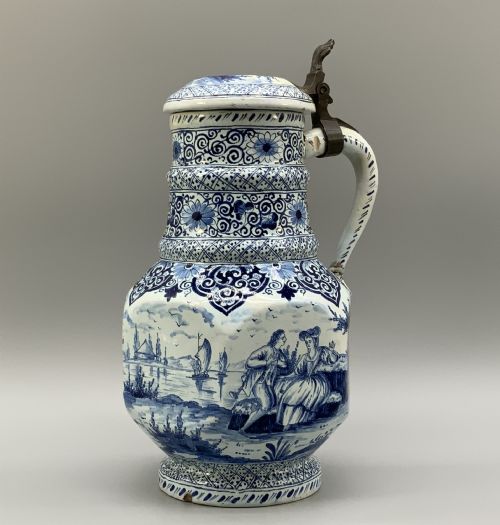
An antique pottery tankard covers drinking vessels designed for ale, beer, and cider across several centuries of ceramic production. You will encounter forms ranging from simple eighteenth-century Westerwald and Dutch Delftware jugs to nineteenth-century Staffordshire pearlware and Doulton Lambeth stoneware.
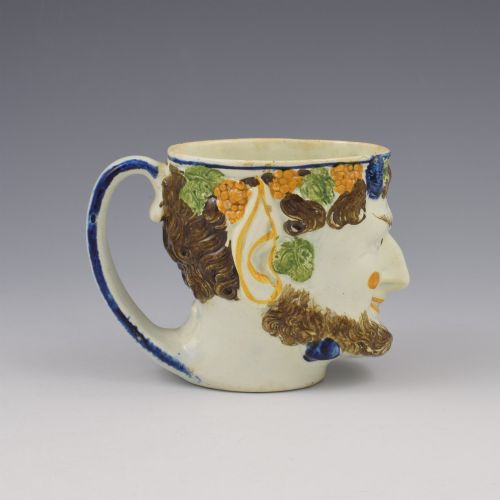
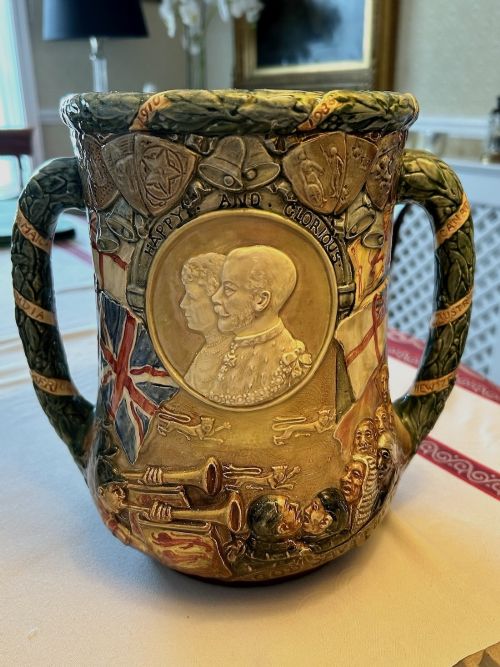
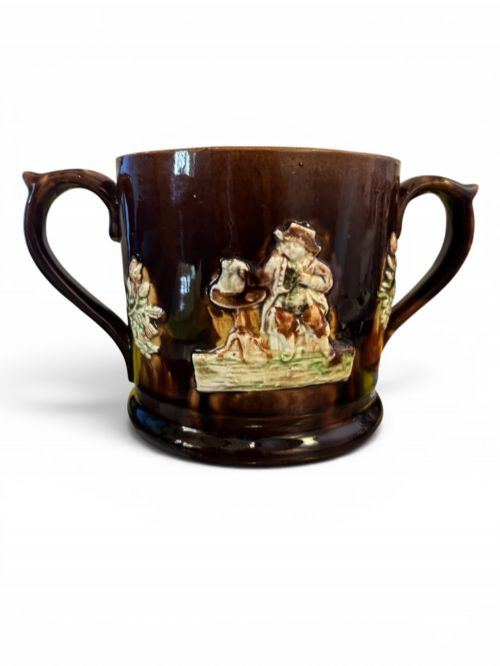
The selection includes specialised vessels such as commemorative loving cups, multi-handled loving cups, and surprise frog mugs featuring moulded creatures hidden inside the base. These pieces span Georgian, Victorian, and later periods, reflecting regional British potting traditions alongside continental and Japanese influences.
Most examples function as single-handle drinking vessels, though two-handled tygs and loving cups also appear frequently. Their utility shifted over time from everyday tavern and household use to commemorative display pieces.
Materials and construction methods
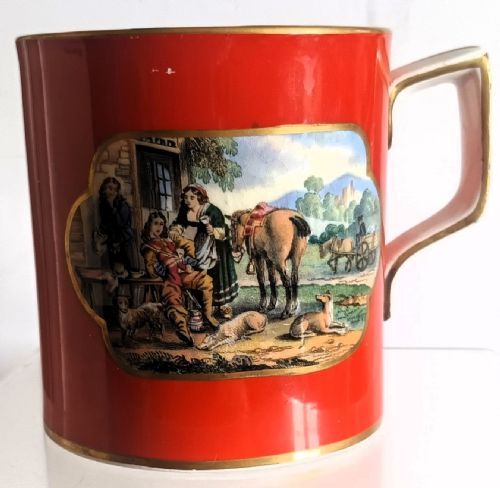
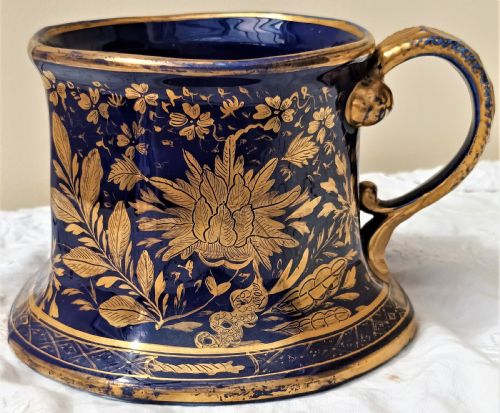
Potters relied primarily on earthenware, pearlware, ironstone, and heavy stoneware bodies to withstand the rigours of holding liquid. Surfaces received salt glazes, tin glazes, or applied hand-painted and transfer-printed decoration, sometimes complemented by pewter or silver-plated lids and rims.
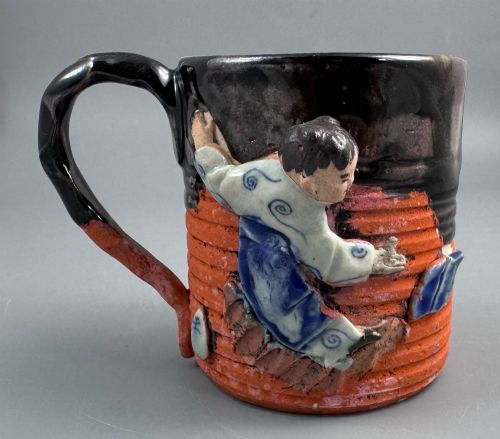
Moulding, throwing on the wheel, and slip-trailing formed the structural shapes, while figures and foliage were frequently applied by hand before firing. Specialised workshops utilised incised decoration and coloured glazes to achieve the varied textures seen on Doulton Lambeth and Sumida Gawa pieces.
Keep your fingers clear when drinking from a frog mug, lest you find an unexpected ceramic amphibian staring back from the depths.
Distinguishing quality in traditional drinking vessels
Quality rests in the crispness of the moulded relief work, the stability of the applied handle, and the richness of the glaze finish. Finer pieces display deliberate control over salt-glaze specking or hand-painted cobalt blue details rather than muddy, indistinct transfers.
The inclusion of precious metal mounts, such as silver rims or pewter lids, elevates the standing of a piece. Maker signatures and school or regimental association marks further separate standard utilitarian production from workshop-certified art pottery.
Royal Doulton·Doulton Lambeth·Mason's·Sarreguemines·Inoue Ryōsai Workshop
The Antique Pottery Tankard Glossary
- Pearlware
- A fine earthenware developed in the late eighteenth century featuring a subtle bluish glaze over a white body. It served as a popular canvas for painted and transfer-printed patterns.
- Stoneware
- A dense, vitreous ceramic fired at high temperatures until non-porous. It provides robust durability for heavy ale pitchers and salt-glazed jugs.
- Tyg
- A traditional English drinking vessel with three or more handles designed to be passed around a company. They often appear in slipware and stoneware from the nineteenth century.
- Frog mug
- A drinking vessel featuring a ceramic frog moulded inside the base to surprise the drinker as the liquid lowers. These novelty pieces frequently date from the eighteenth and nineteenth centuries.
- Westerwald
- A German ceramic production centre known for grey stoneware decorated in cobalt blue. Pieces from this region were widely exported to Britain.
Antique Pottery Tankard: Frequently Asked Questions
What is a frog mug used for?
A frog mug served as a drinking vessel for ale or beer designed to play a practical joke on the drinker. As the liquid drained, a moulded ceramic frog would appear near the bottom.
These novelty mugs were popular in taverns during the eighteenth and nineteenth centuries. Some examples also included hidden newts or spitting mechanisms to amuse companions.
How do I tell stoneware from earthenware?
Stoneware is fired at much higher temperatures until the clay vitrifies and becomes completely non-porous, even without a glaze. Earthenware remains more porous and requires a surface glaze to hold liquids effectively.
In practical terms, antique stoneware tankards feel heavier, denser, and more resilient than standard earthenware mugs.
What is a loving cup?
A loving cup is a large drinking vessel traditionally fitted with two or more handles so it could be held by multiple people. They were passed among guests at banquets, weddings, and community gatherings.
Many surviving examples are commemorative pieces decorated for royal jubilees or local events using pearlware or transfer-printed earthenware.
Why do some tankards have metal lids?
Metal lids made of pewter or silverplate were added to keep insects and debris out of ale and beer. They also helped contain the frothy head of the beverage during communal drinking.
These fitted lids are frequently found on eighteenth-century German and Dutch vessels as well as British jugs from the Georgian period.