





Antique Pottery Display Dish
An antique pottery display dish brings centuries of ceramic artistry into your home, offering bold patterns and rich historical character.
Antique Pottery Display Dish
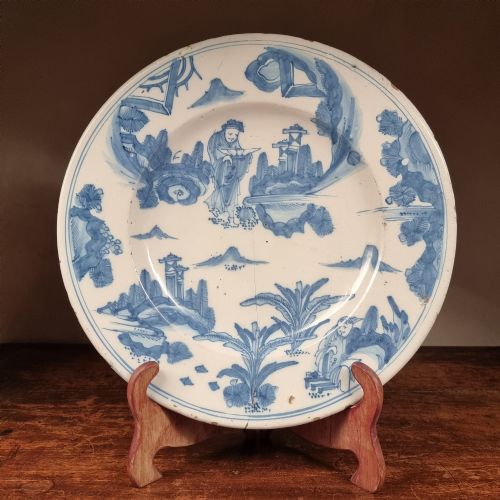
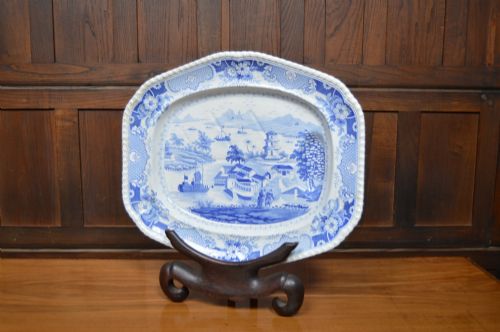
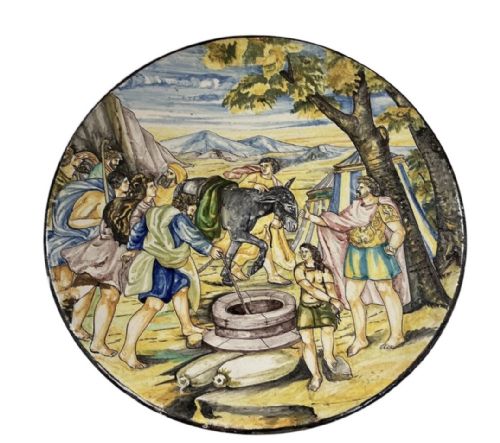
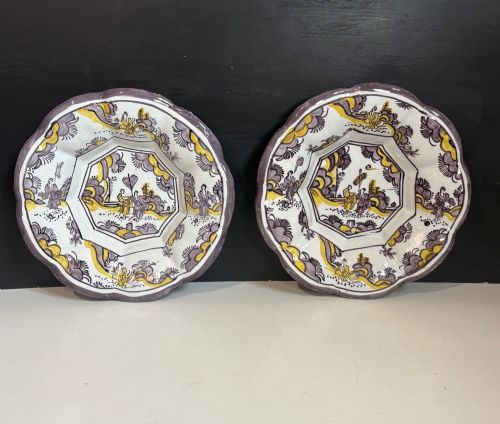
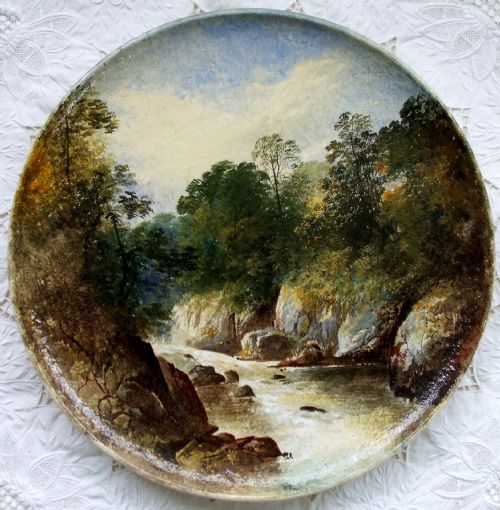
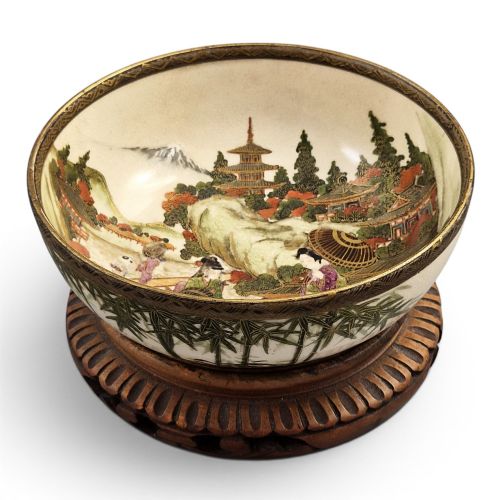
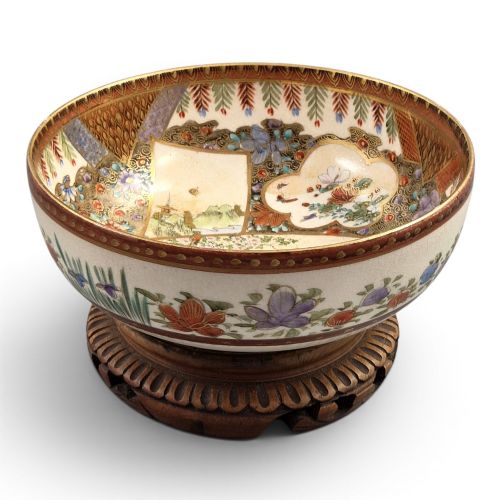
When you search for an antique pottery display dish, you encounter a diverse selection of decorative plates, chargers, bowls, and plaques spanning multiple centuries and continents.
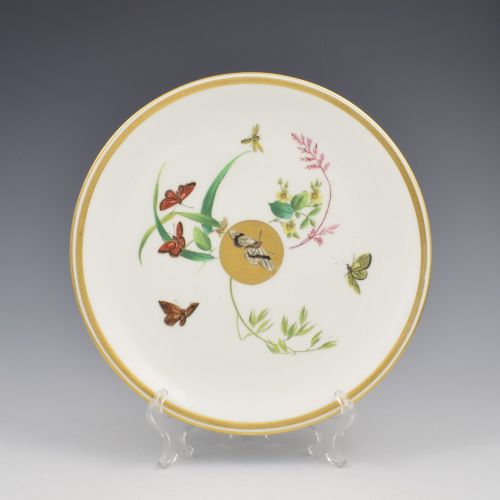
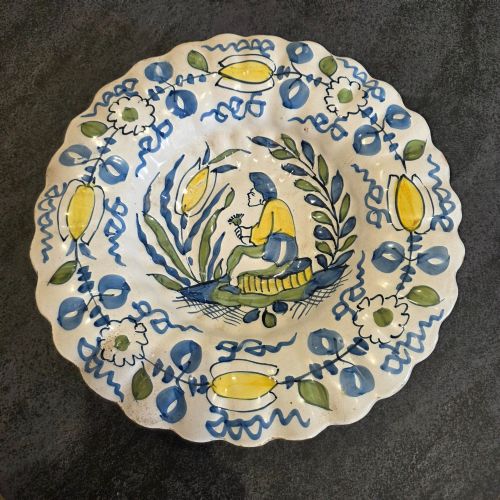
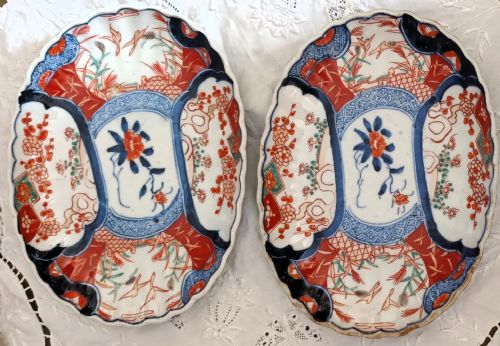
The most common forms on this page include large tin-glazed earthenware chargers from European potteries and intricate blue-and-white or polychrome porcelain plates from Japan.
Pieces range from early Islamic buffware bowls and 18th-century English and Dutch delftware to Victorian transferware and high-fired art pottery from the 1930s.
Materials and Construction
Potters shaped these objects using earthenware, stoneware, or porcelain, applying glazes such as tin glaze, enamel, or lustre to seal the clay and provide a smooth ground for painting.
Decoration involved hand-painting with blue-and-white or polychrome pigments, transfer printing, or adding delicate applications of gold leaf.
Firing took place in traditional kilns, achieving varying degrees of vitrification depending on whether the piece is low-fired earthenware or high-fired ceramic.
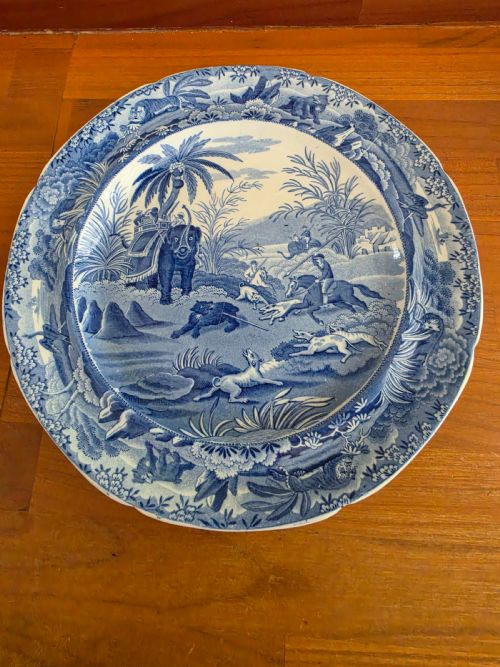
Several plates on this page record dramatic historical moments, including a Spode plate dedicated specifically to the death of a bear.
Assessing Quality and Execution
The sophistication of the hand-painted or transfer-printed design dictates the visual appeal, with crisp brushwork and balanced compositions setting finer works apart from simpler productions.
Glaze stability and the richness of polychrome enamel or gold leaf application reveal the technical skill involved in the firing and finishing processes.
The clarity of the ceramic body and the historical integrity of the piece heavily influence its standing among comparable examples.
Koshida·Minton·Spode·William Yale·Gyokkō·Kozan·Wedgwood·John Ridgway·William Adams
The Antique Pottery Display Dish Glossary
- Charger
- A large decorative plate or dish, typically intended for display on a wall or sideboard rather than for practical dining use. These substantial pieces provide a wide surface area for detailed narrative or floral painting.
- Tin Glaze
- An opaque white ceramic glaze containing tin oxide, used extensively on European earthenware from the seventeenth century onward. It creates a smooth, absorbent background ideal for cobalt blue or polychrome painting.
- Imari
- A style of Japanese porcelain decorated in underglaze blue, iron red, and gold, named after the port from which it was exported to Europe. Collectors prize its vibrant palette and densely patterned surfaces.
- Lustre
- A type of ceramic glaze that imparts a metallic or iridescent sheen through a specialised reduction firing process. Wedgwood and earlier Middle Eastern potteries utilised this technique to catch the light.
- Transferware
- Pottery decorated by applying a printed design from an engraved copper plate onto the ceramic surface via tissue paper. This method allowed intricate topographical or pictorial scenes to be replicated consistently in blue or other monochrome colours.
Antique Pottery Display Dish: Frequently Asked Questions
How were antique chargers displayed originally?
Large chargers were traditionally arranged on dresser shelves or hung on walls to demonstrate the wealth and taste of the household. Their generous diameters made them focal points in dining rooms and halls.
Today, modern wall hangers or sturdy plate stands allow you to display these heavy ceramic pieces safely in domestic interiors.
What is the difference between delft and majolica?
Delft generally refers to tin-glazed earthenware produced in England, Holland, or Ireland, typically featuring blue-and-white or polychrome tin glazes inspired by Chinese porcelain or local tastes. Maiolica describes the equivalent Italian tin-glazed earthenware tradition dating back to the Renaissance.
Both utilise a similar opaque white glaze foundation, but their regional painting styles and colour palettes reflect distinct artistic origins.
Can I use these antique dishes for food?
Antique pottery display dishes are intended strictly for decorative appreciation and historical collection. The glazes on older earthenwares and soft-paste ceramics can be porous or susceptible to damage from modern acidic foods and detergents.
Enjoying these items visually preserves their fragile surfaces and historical glazes for the future.
How do I date an antique ceramic plate?
Dating relies on examining the characteristics of the ceramic body, the formulation of the glaze, and the style of the painted or transfer-printed decoration. Potter's marks, impressed factory stamps, and stylistic cues like Victorian Aesthetic motifs or Japanese Meiji signatures offer precise clues.
Comparing the manufacturing technique against known historical periods helps narrow down the decade of production.