

Antique Portrait Bust
An antique portrait bust captures personality in solid form, offering a tangible connection to historical figures, classical heroes and forgotten citizens alike.

Antique Portrait Bust
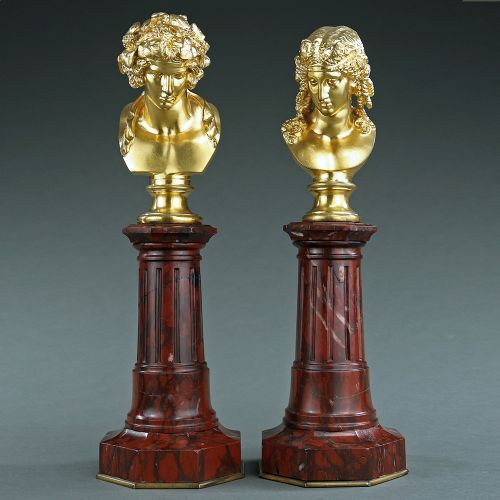
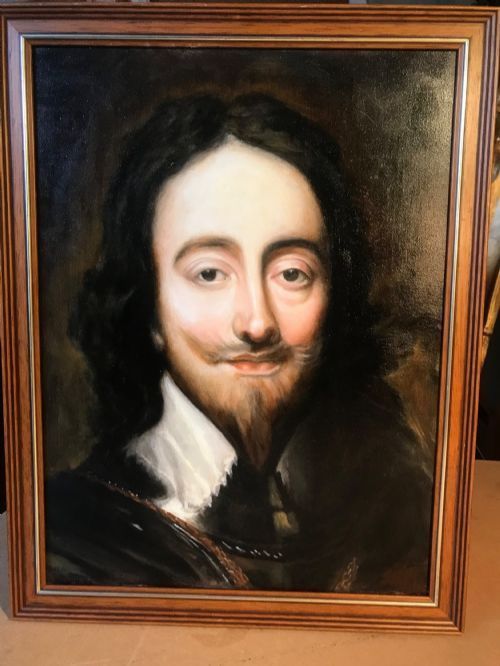
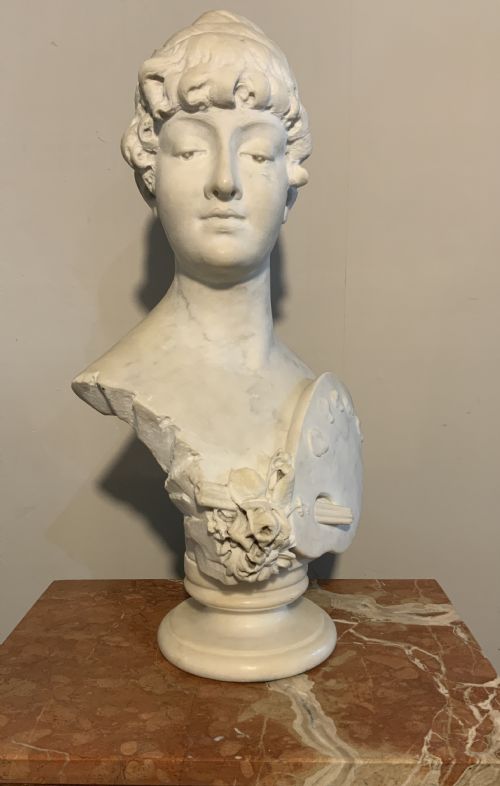
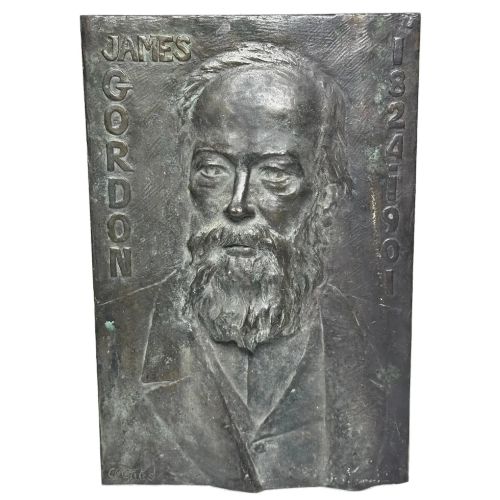
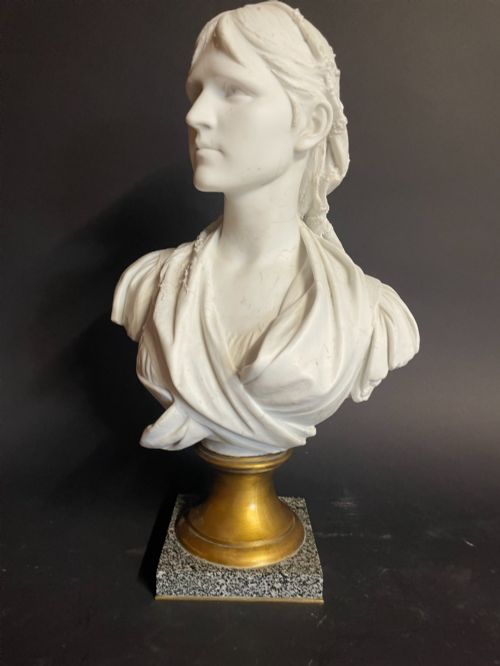
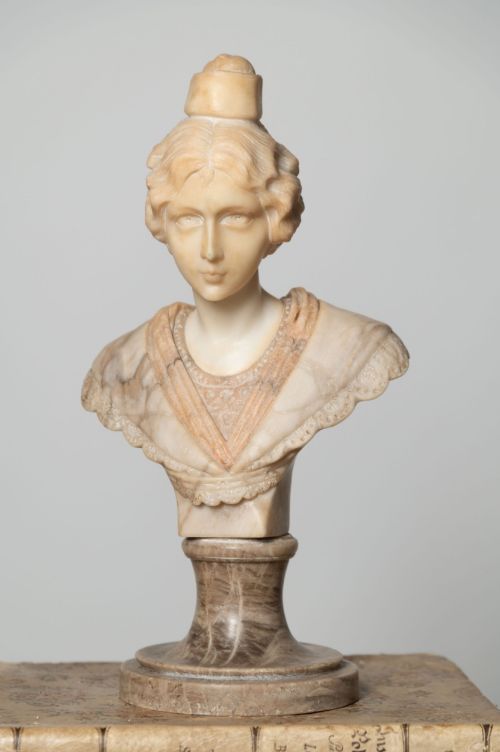
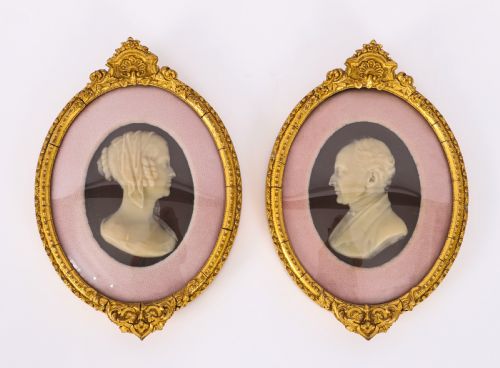
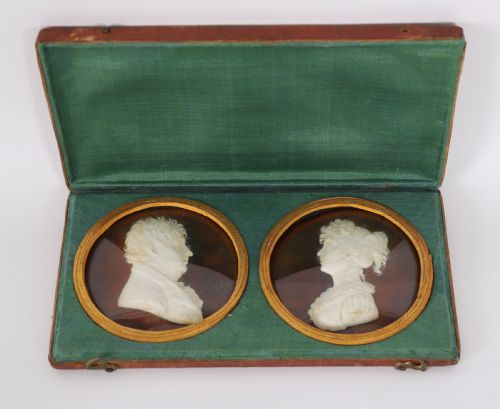
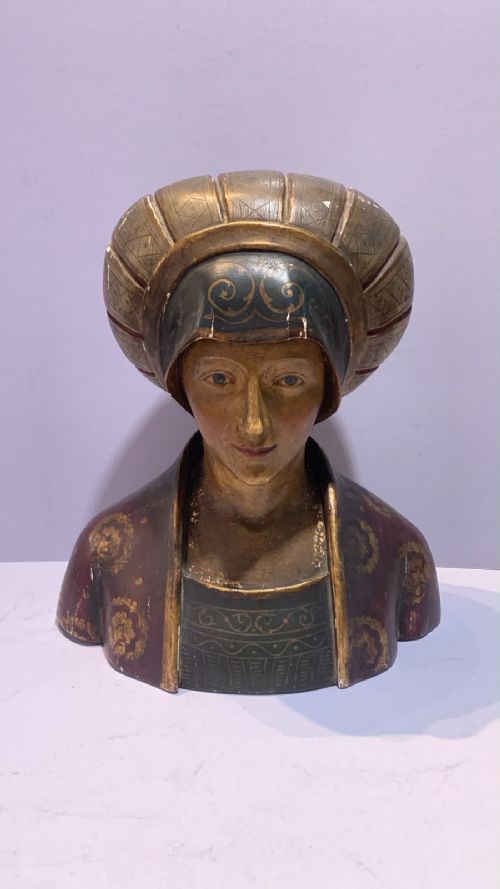
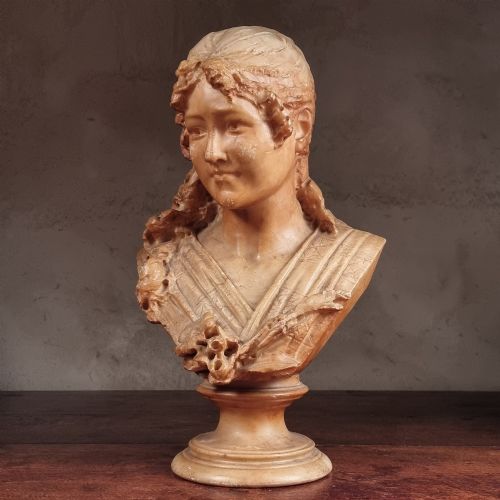
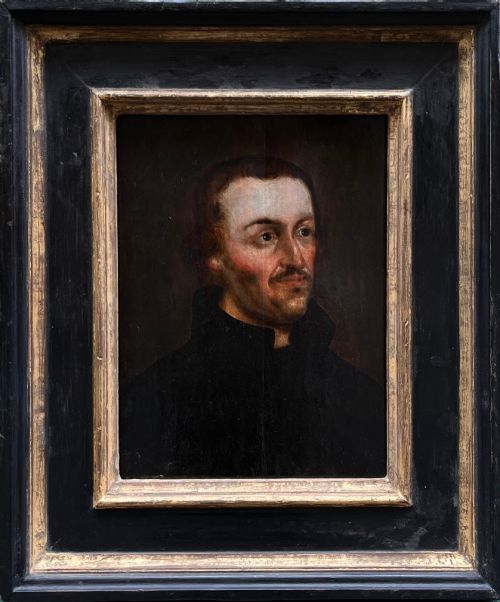
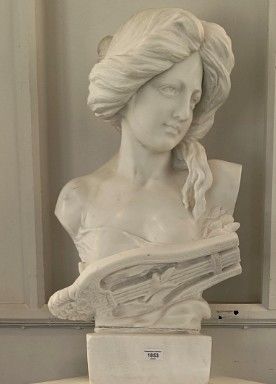
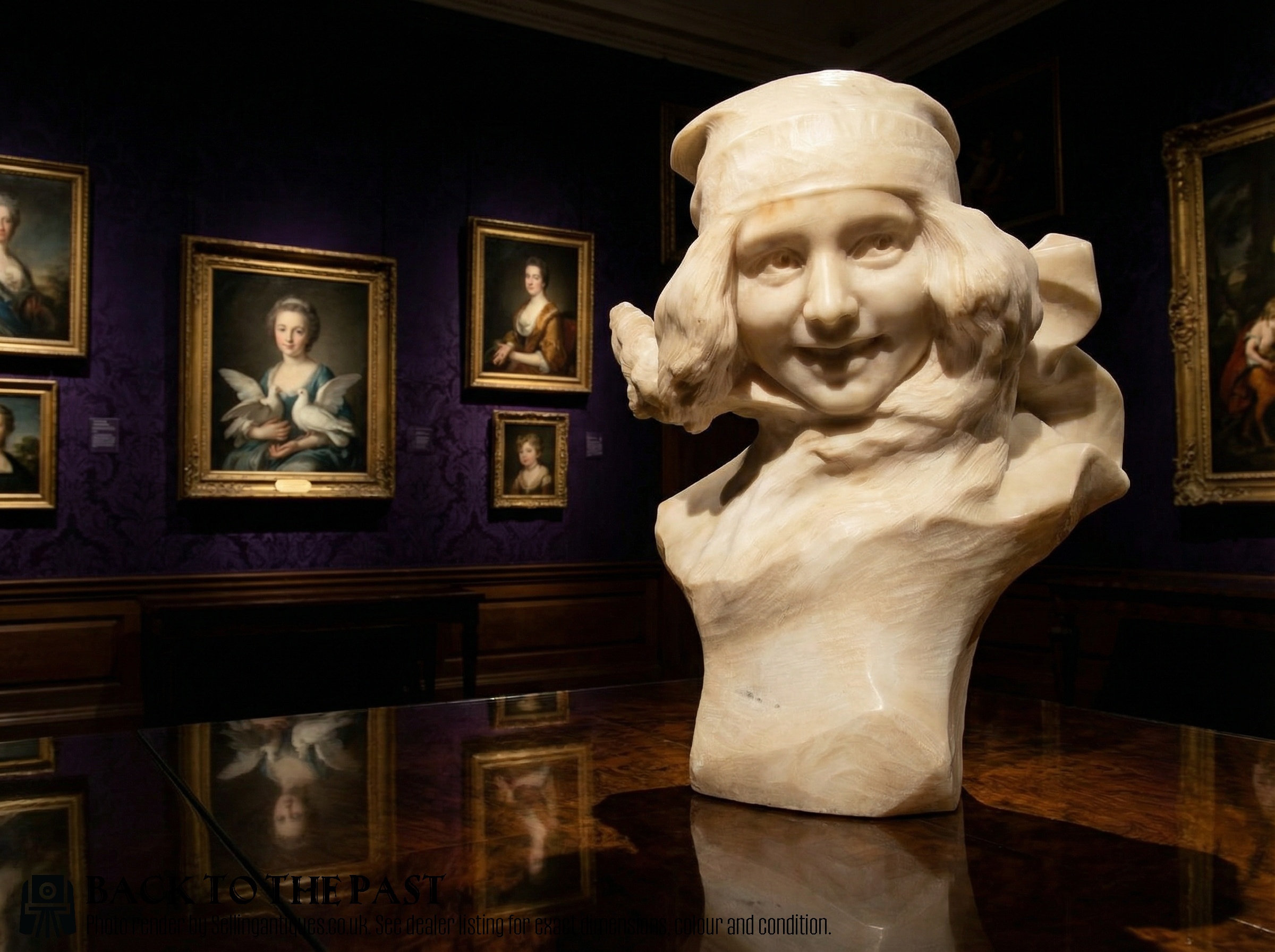
An antique portrait bust represents a human head and shoulders, sculpted or cast to immortalise a specific individual, mythological character or classical type.
The versions most frequently met on this page originate in the nineteenth century, spanning Grand Tour souvenirs, neoclassical deities and civic portraiture.
Makers ranged from accomplished European foundries to academic sculptors working in marble, bronze, alabaster and plaster.
How They Were Made
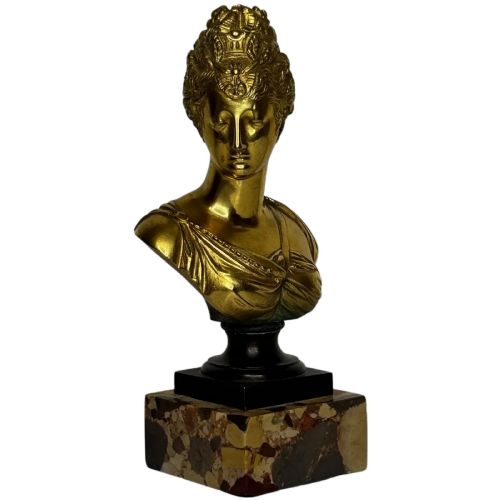
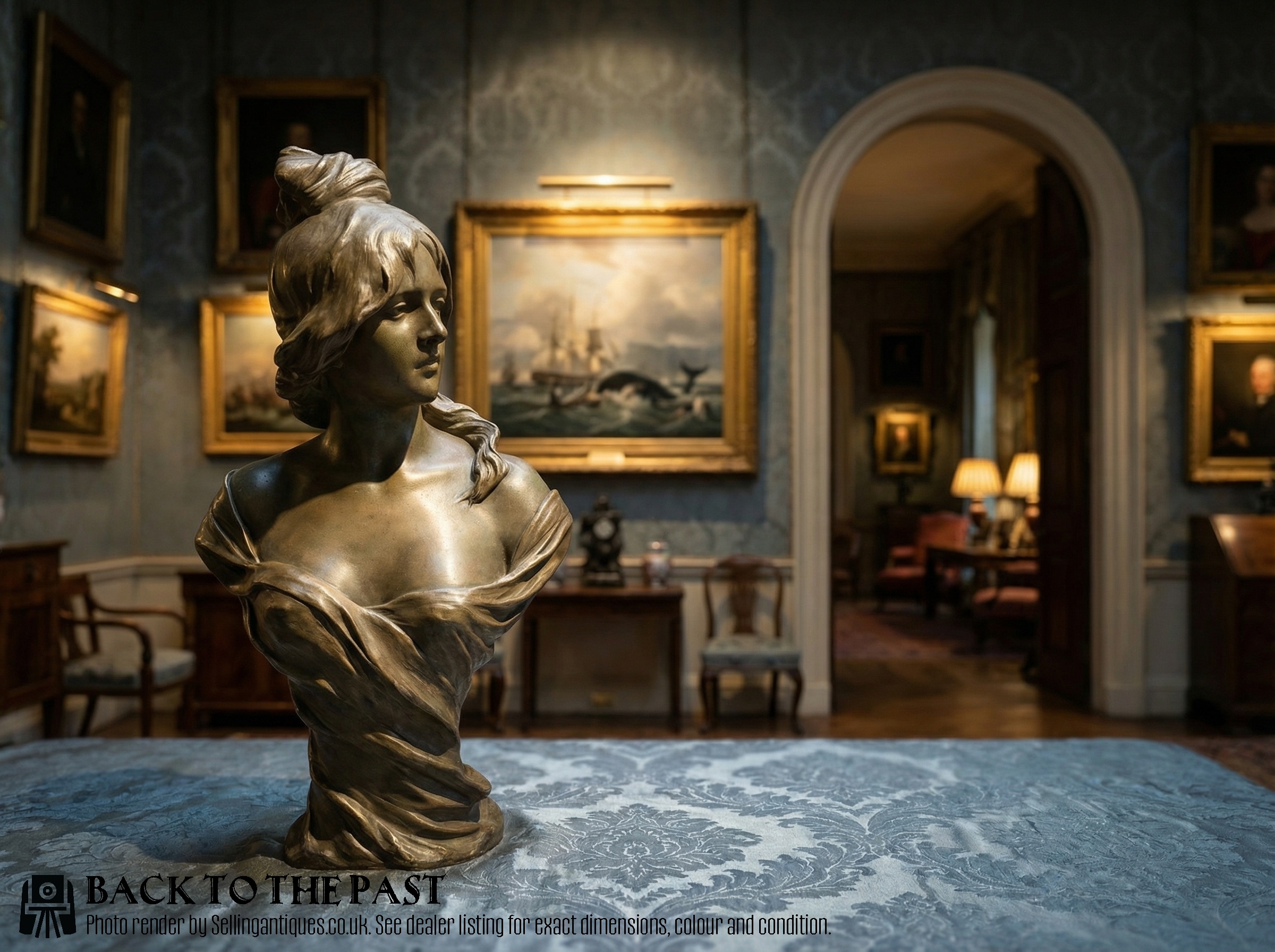
Foundries utilised the lost-wax method to cast bronze and gilt-bronze, capturing fine hair, drapery and expression before chasing the metal surface by hand.
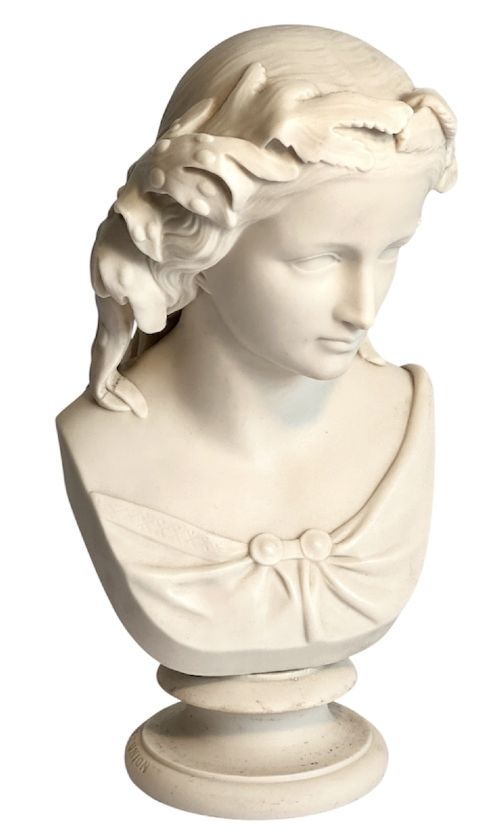
Plaster and Parian ware provided more accessible moulding mediums, allowing workshops to replicate classical subjects and contemporary notables for domestic interiors.
Antique Portrait Bust Retail Price Guide 2026
Typical asking prices for portrait bust among the pieces listed under this phrase on Sellingantiques today, from the lower quarter to the upper quarter. They describe what is for sale here now, not the wider market.
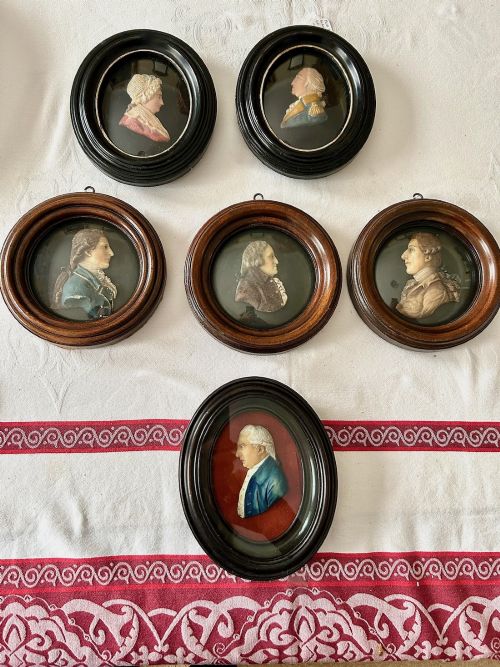
Several Roman emperors and eighteenth-century philosophers keep a watchful, silent vigil over modern living rooms from these high-shelf perches.
What Varies in Quality
The distinction between a standard workshop piece and a masterwork lies in the sensitivity of the carving and the fidelity of the expression.
Superior bronzes display crisp chasing and careful patination, whereas lesser examples show softened details and uniform factory finishes.
In marble and alabaster, quality reveals itself in the treatment of translucency, drapery folds and the precise anatomical structure of the face.
Emmanuel Villanis·Affortunato Gory·Raffaelo Monti·George Henry Paulin·J Francis
The Antique Portrait Bust Glossary
- Grand Tour
- A cultural journey undertaken by wealthy young Europeans through France and Italy to collect classical art and antiquities. These travels spurred the production of reduced-scale bronzes and marble portrait busts.
- Parian Ware
- A fine-grained, unglazed white porcelain developed in Victorian Britain to imitate carved marble. It gained popularity for reproducing classical and literary bust portraits.
- Patina
- The surface sheen and colour acquired by bronze and metal through age and handling, or applied artificially by the foundry. Connoisseurs value a rich, undisturbed surface.
- Intaglio
- A gem or metal plate with a design incised into the flat surface, often mounted in series to record historical portrait busts in relief.
- Neoclassical
- A revival of classical Greek and Roman aesthetic principles in Western art spanning the eighteenth and nineteenth centuries. It heavily influenced the subjects and austere forms of portrait sculpture.
Antique Portrait Bust: Frequently Asked Questions
Where were antique bust sculptures displayed?
In nineteenth-century homes, these sculptures sat prominently upon library shelves, mantelpieces and dedicated pedestals in studies or entrance halls. They signified the owner's classical education and refined literary tastes.
Today, they function well in similar domestic settings, anchoring a bookshelf display or adding architectural weight to a modern interior scheme.
How do I distinguish bronze from bronzed metal?
True bronze is a heavy alloy of copper and tin that shows a cold touch and develops a natural oxidation over time. Bronzed metal or spelter relies on a surface coating applied over a softer, less dense base metal.
Examining the underside or areas of wear often reveals the lighter, greyish base metal beneath a flaking finish.
How should I clean a marble portrait bust?
Marble requires gentle dusting with a soft, dry cloth to prevent airborne dirt from settling into the porous stone. Avoid chemical cleaners, oils or excessive water, which can stain or etch the polished surface.
Stubborn grime on unpolished areas sometimes calls for professional restoration rather than DIY intervention.