
Antique Porcelain Stand
When searching for an antique porcelain stand, collectors discover items ranging from eighteenth-century teapot bases to nineteenth-century jardiniere pedestals that elevate ceramics in domestic interiors.
Antique Porcelain Stand
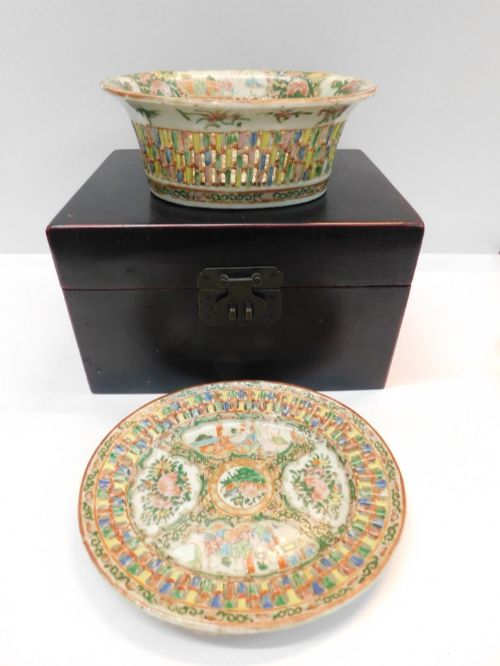
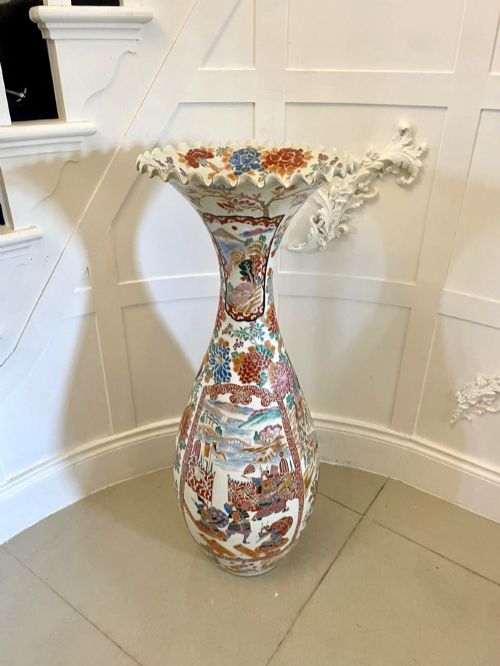
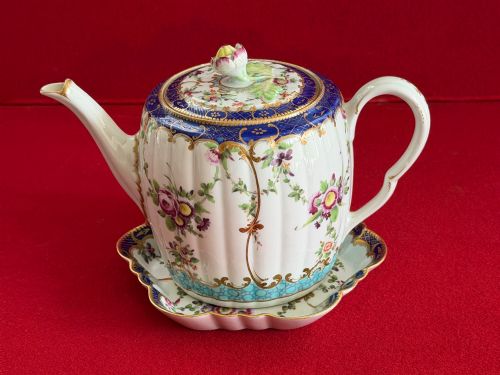
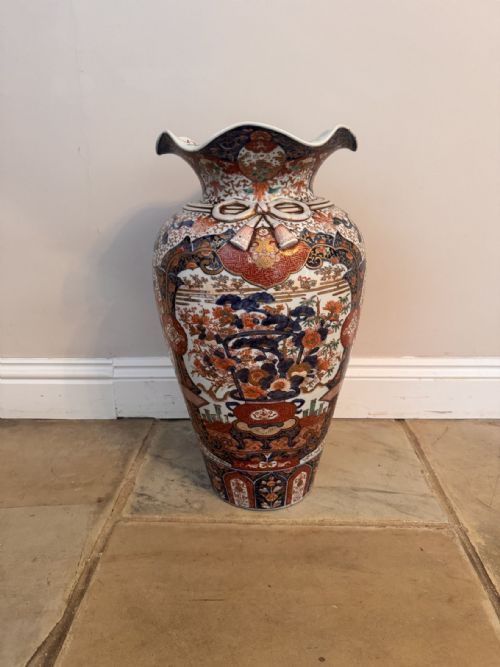
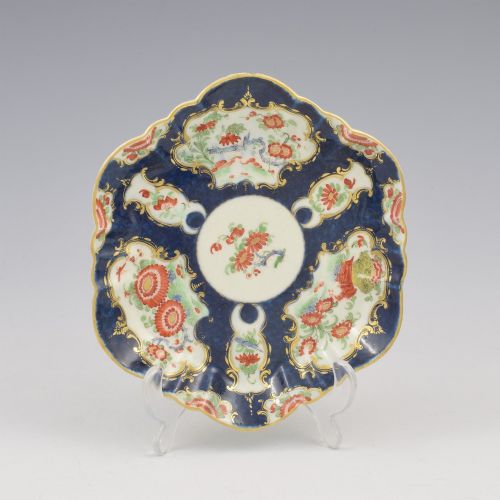
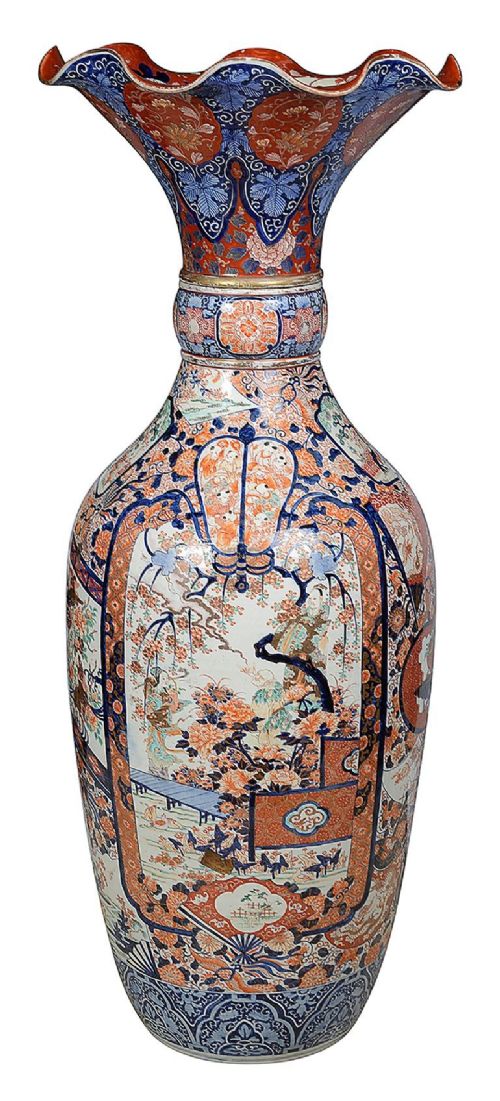
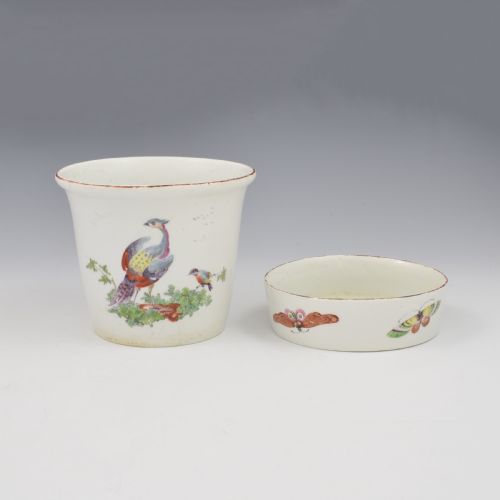
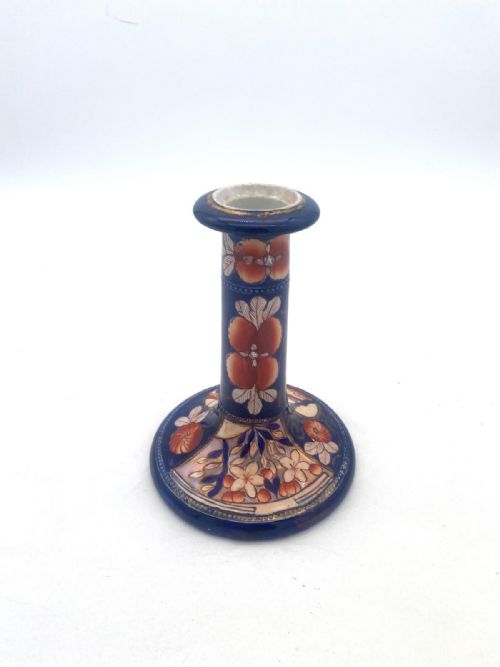
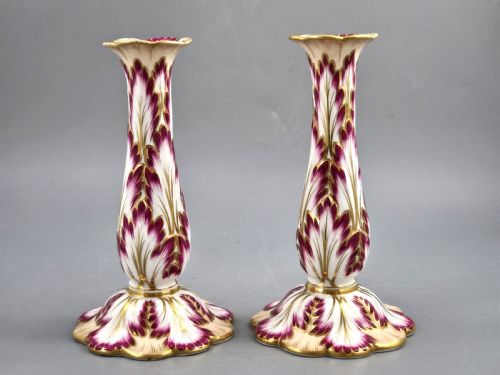
An antique porcelain stand encompasses a variety of support pieces, tea service bases, and display platforms designed to elevate teapots, vases, and tureens. The listings frequently feature eighteenth-century Worcester teapot stands alongside nineteenth-century Imari vase bases and French ormolu-mounted planter stands.
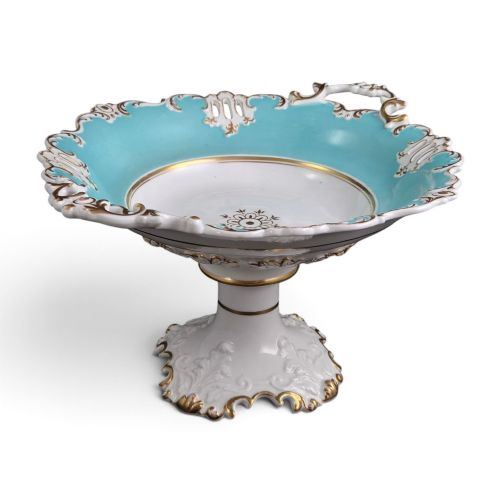
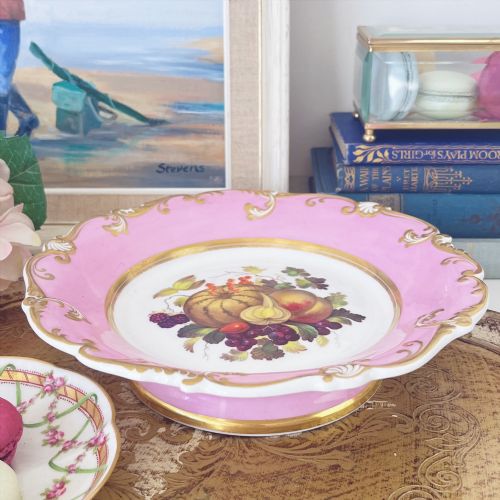
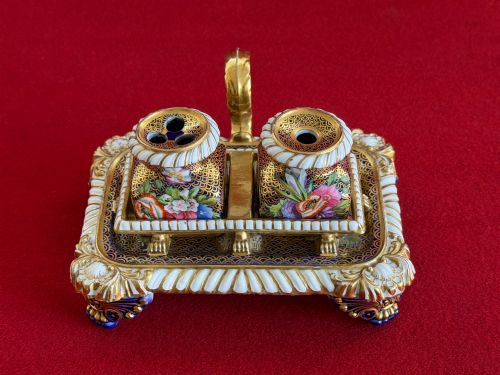
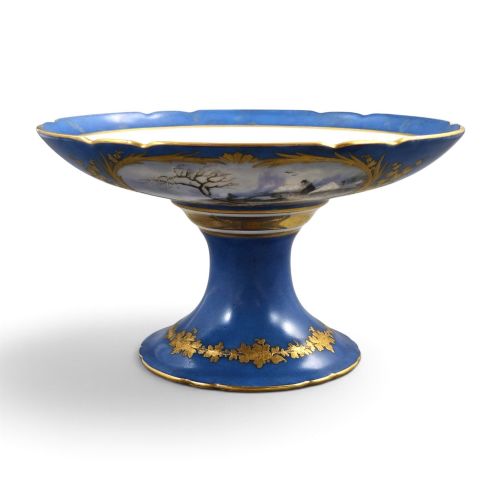
Buyers also encounter specialised forms such as inkstands, tazza bases, and chestnut basket stands originating from English, French, and Asian workshops. These functional objects served to protect table surfaces from heat and moisture while enhancing the display of fine ceramics.
The selection ranges from small Georgian porcelain bases to large Victorian floor-standing planters incorporating ceramic plaques and wooden frames. Each piece reflects the specific domestic habits and decorative tastes of its period of manufacture.
How they were made
The construction of these pieces relies on hard-paste and soft-paste porcelain bodies, bone china, and ironstone, often finished with detailed hand-painting, enamelling, and gilding. Artisans applied cobalt blue underglaze decoration or polychrome enamels in patterns influenced by Chinese export wares and European neoclassical designs.
Many nineteenth-century examples incorporate mixed media, mounting porcelain plaques, bowls, or tiles within frames of ormolu, gilded metal, kingwood, ebonised wood, and burr walnut. This combination of ceramic components with metal mounts or woodwork required the collaborative skills of potters, bronze-founders, and cabinet-makers.
The listings combine eighteenth-century English teapot bases with nineteenth-century Japanese Imari jardiniere stands and French ormolu-mounted furniture pieces.
What varies in quality
Quality in these items is determined by the precision of the ceramic potting, the crispness of the moulded details, and the artistry of the hand-painted decoration. Early pieces from factories like Worcester or Sèvres demonstrate refined paste and delicate brushwork, whereas mass-produced utilitarian wares show simpler execution.
In pieces that combine porcelain with metal mounts or wooden furniture, the integration of the materials dictates the standard of manufacture. Finely chased ormolu mounts and precise joinery distinguish the top tier of production from standard commercial items.
Coalport·H and R Daniel·Davenport·Masons·Ridgway·Sèvres·Derby·Worcester·Nymphenburg·Spode·Bow·Mintons·Walker and Hall·Doulton Burslem·Hicks and Meigh·Royal Vienna·Forester and Son
The Antique Porcelain Stand Glossary
- Tazza
- A shallow bowl or saucer mounted on a stem and foot, used for serving fruit or sweets or as a decorative centrepiece.
- Ormolu
- Gilded bronze used for decorative mounts and fittings on furniture and porcelain objects during the eighteenth and nineteenth centuries.
- Famille rose
- A palette of Chinese porcelain enamel colours dominated by opaque pink, introduced in the Qing dynasty.
- Imari
- A style of Japanese export porcelain featuring deep cobalt blue, iron red, and gilt ornamentation.
- Inkstand
- A portable tray or stand fitted with inkwells, pen holders, and sanders for writing desks.
- Jardiniere
- An ornamental pot or stand designed to hold growing plants or flowers indoors.
Antique Porcelain Stand: Frequently Asked Questions
What was a porcelain stand used for originally?
These items served primarily to support teapots, cups, and serving dishes, protecting polished wooden tabletops from heat and moisture. Larger versions functioned as pedestals for decorative vases, urns, and indoor plants.
Over time, many of these supports became decorative objects in their own right, displayed on mantelpieces and cabinets within affluent homes.
How do I date an antique porcelain stand?
Dating relies on examining the characteristics of the ceramic body, glaze, and factory marks underneath the piece. Hand-painted patterns and stylistic indicators such as Regency or Rococo Revival motifs provide further chronological clues.
Comparing the potting technique and any metal mounts against documented factory output helps narrow the period of manufacture.
Are porcelain stands sold separately from their vessels?
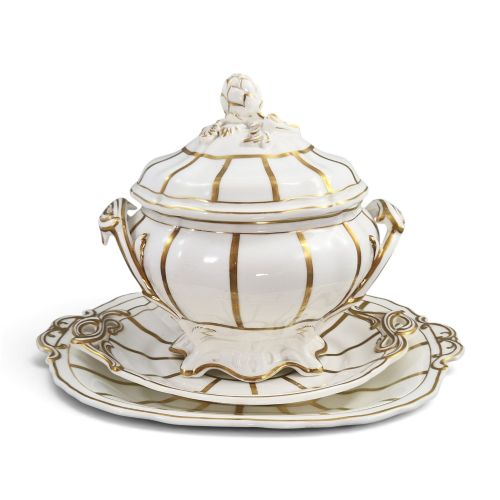
Many pieces on the market were originally produced as components of larger tea or dinner services, such as teapot stands and tureen bases. Over the centuries, these components often became separated from their matching vessels.
Consequently, many stands survive as independent decorative items used today for display or alternative desktop purposes.
How do I care for antique porcelain?
Cleaning requires gentle dusting with a soft, dry cloth to prevent accumulation of dirt on delicate hand-painted surfaces and gilt highlights. Harsh chemical cleaners and immersion in water should be avoided, particularly on pieces with metal mounts or wooden frames.
Displaying the items away from direct sunlight and areas of heavy vibration protects the fragile ceramic and gilt decoration from damage.