




Antique Porcelain Musicians
Antique porcelain musicians bring centuries of European craftsmanship and figurative charm into domestic interiors through figures playing bagpipes, drums and hurdy-gurdies.
Antique Porcelain Musicians
When you search for antique porcelain musicians, you encounter sculptural figures and candlestick groups depicting instrumentalists from the eighteenth, nineteenth and early twentieth centuries. These works range from English figures modelled at Derby and Bow to continental European productions from Meissen, Volkstedt and Samson.
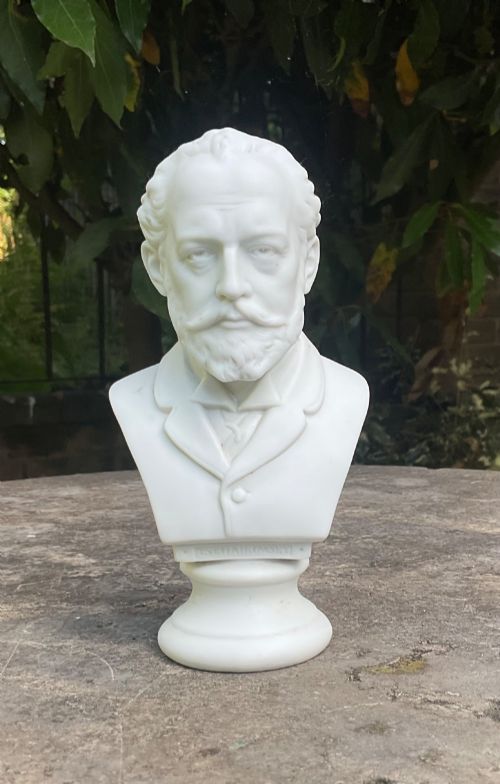
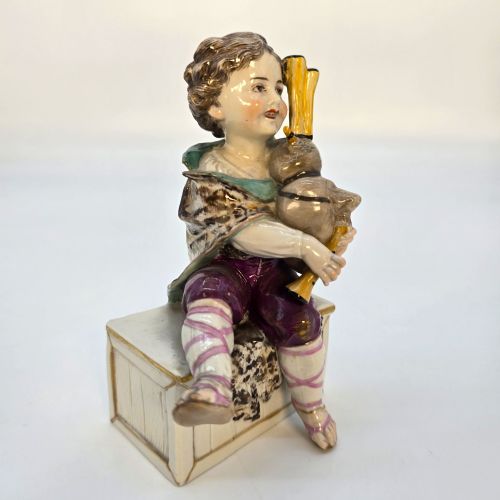
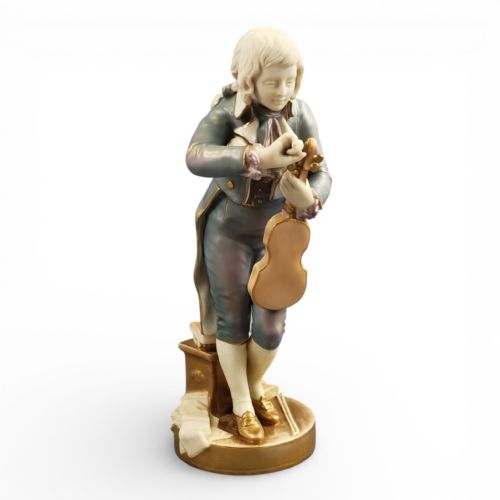
The selections on this page centre on solo figures, pairs and groupings of players with instruments, often integrated into rococo scrollwork or bocage backgrounds. You meet subjects holding bagpipes, mandolins, hurdy-gurdies and drums, alongside related busts such as Tchaikovsky and Mozart.
Makers span Georgian manufactories, Victorian revivals and later European factories utilising both hard-paste and soft-paste bodies. These pieces capture historical performance traditions through detailed painting, gilding and sculptural modelling.
How they were made
Potters built these figures using soft-paste porcelain, hard-paste porcelain or earthenware, shaping the clay in mould sections before hand-finishing details like fingers, floral elements and leaves. Continental and English factories employed skilled modellers to shape the performers and their instruments prior to initial firing.
Surface decoration relies on applied glaze, polychrome enamels and gold leaf or gilding. Enamels were hand-painted onto the fired body before a subsequent low-temperature fixation, whilst bisque porcelain remained unglazed to accentuate the modelled form.
Listings feature hard-paste and soft-paste porcelain alongside bisque and earthenware, spanning Georgian, Victorian and Edwardian periods.
What varies in quality
The sophistication of the glazing, the richness of the gilding and the complexity of associated elements like bocage foliage or ormolu mounts dictate the upper tier of production. Early factory periods, such as patch-mark Derby or eighteenth-century Meissen, demonstrate superior sculptural depth compared to generic nineteenth-century revivals.
Volkstedt Rudolstadt Factory·Meissen·Derby·Royal Worcester·James Hadley·Samson Paris·Eichwald Royal Dux·Alois Hampel·Fürstenberg·Bow
The Antique Porcelain Musicians Glossary
- Bocage
- An applied background of leaves and branches made of porcelain. This decorative backdrop surrounds many eighteenth-century figures.
- Bisque Porcelain
- Unglaced white porcelain fired to a matte finish. This material highlights fine sculptural detail without reflective glaze.
- Soft-paste Porcelain
- An artificial porcelain composition fired at lower temperatures than hard-paste. It absorbs enamels into the soft glaze during firing.
- Hard-paste Porcelain
- A true porcelain made from kaolin and petuntse fired at high temperatures. This dense body resists scratching and holds sharp moulded details.
- Gilding
- The application of gold leaf or powdered gold to highlights and borders. This metal decoration accentuates garments and bases.
Antique Porcelain Musicians: Frequently Asked Questions
What are antique porcelain musicians?
Antique porcelain musicians are sculptural figures and candlestick groups depicting instrumentalists produced by European factories during the eighteenth, nineteenth and early twentieth centuries.
These pieces portray performers playing bagpipes, drums, hurdy-gurdies and mandolins, reflecting historical performance traditions and decorative arts.
How were porcelain musicians used?
These figures served as ornamental table decorations, mantel ornaments and structural candlestick supports in wealthy European homes.
Pairs of musicians placed in rococo scrollwork or ormolu candelabra added visual symmetry and theatrical charm to formal interiors.
How do I identify eighteenth-century pieces?
Eighteenth-century figures typically exhibit soft-paste porcelain bodies, hand-painted polychrome enamels and characteristic factory marks such as early Derby patch-marks or Meissen crossed swords.
Modelling tends to show naturalistic proportions and organic rococo bases rather than the stiffer forms of later revival periods.
What is bocage on a figurine?
Bocage is an applied porcelain background featuring leafy branches and foliage that envelopes the figures.
This decorative technique provides structural support while creating a pastoral garden setting for the musicians.
Are bisque and glazed figures different?
Bisque porcelain is fired without a glossy glaze, leaving a matte, stone-like texture that emphasises delicate sculptural work.
Glazed figures receive a glassy coating before firing, producing a reflective, protective surface that seals the enamel colours.