


Antique Porcelain Bottle
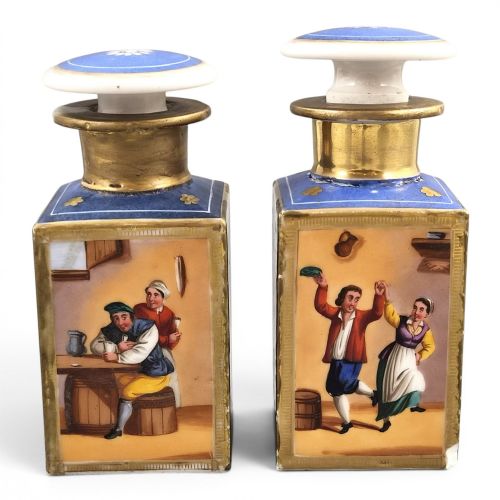
An antique porcelain bottle carries the stories of diverse kilns, from nineteenth-century English scent containers to delicate Chinese snuff flasks.
Antique Porcelain Bottle
An antique porcelain bottle encompasses a diverse range of vessels, spanning domestic perfume containers and large display vases across several centuries. The selection on this page leans heavily toward nineteenth-century examples, incorporating both English manufactories and East Asian export pieces.
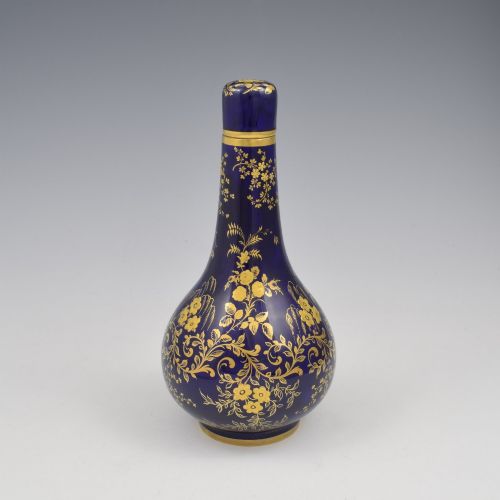
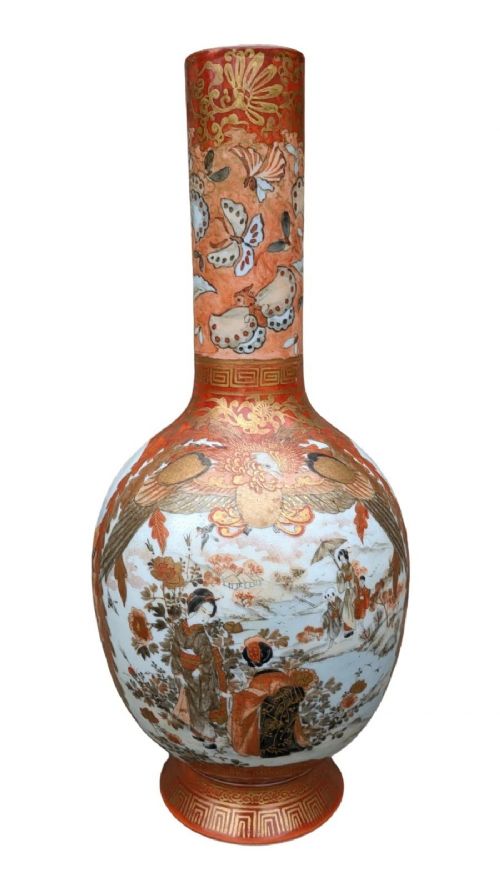
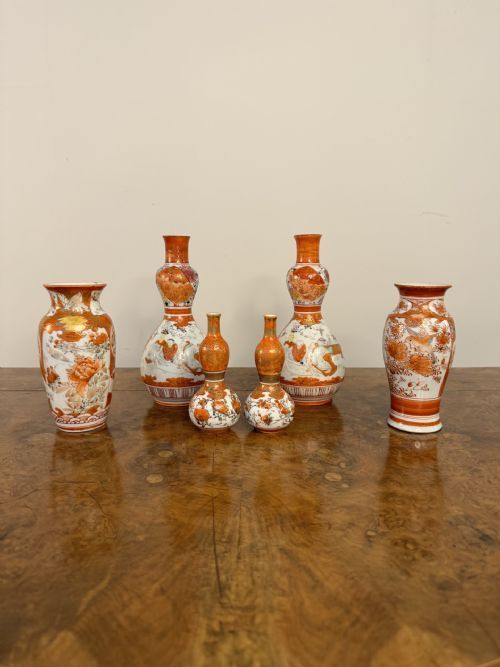
Forms vary considerably from slender-necked vases and bulbous gourd shapes to miniature scent bottles fitted with stoppers. Makers utilised porcelain, ceramic, and ironstone, often augmenting the fired bodies with intricate hand-painted motifs.
How they were made
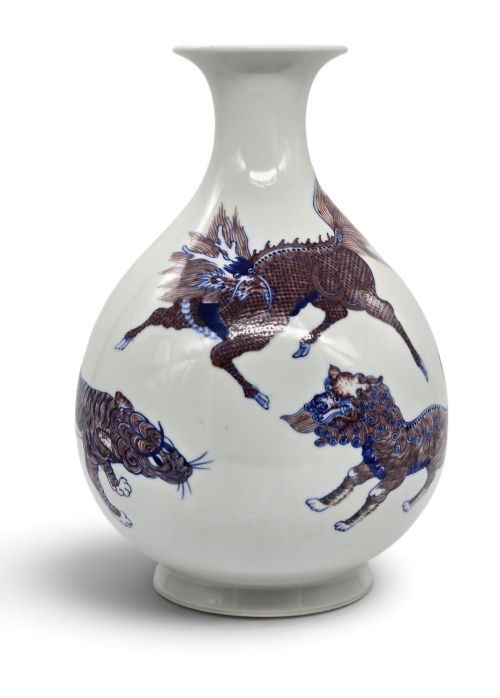
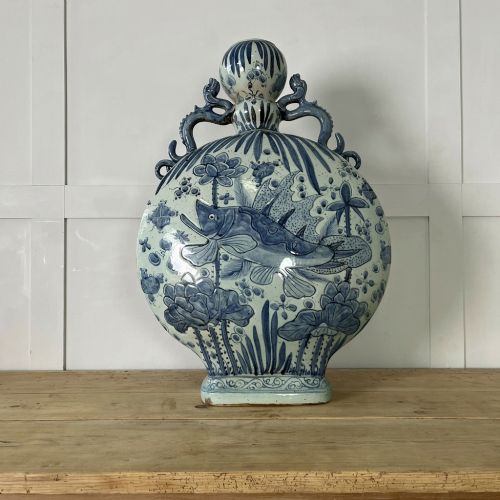
Potters shaped these vessels using fine ceramic pastes and porcelain clays, firing them at high temperatures to achieve durable bodies. Many pieces received cobalt blue underglaze decoration before firing, while others were embellished with enamel paints and gold leaf afterwards.
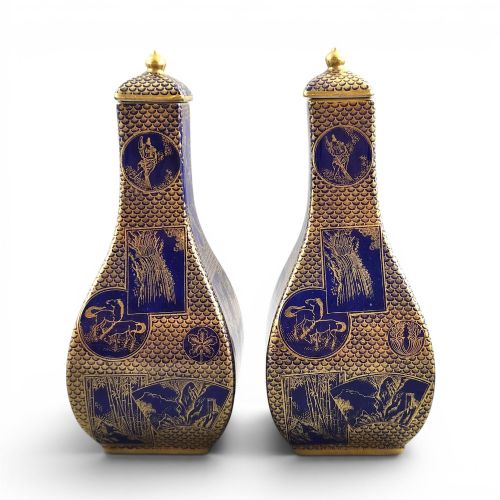
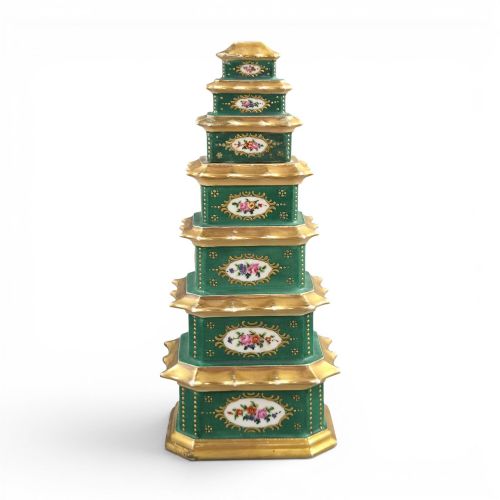
Specialised techniques such as crackle glazes, celadon washes, and iron-red detailing required precise kiln control. Guilds and factories applied gilding and silver mounts to complete the decorative scheme of luxury scent flasks and display vases.
Listings feature porcelain bottles and vases across periods from the seventeenth century through the Edwardian era, incorporating both European factories and Asian export kilns.
What varies in quality
The standard of an antique porcelain bottle depends heavily on the precision of the hand-painted brushwork and the clarity of the glaze. Finer pieces demonstrate control in underglaze blue and iron-red applications, whereas simpler items show hurried execution in floral or figural motifs.
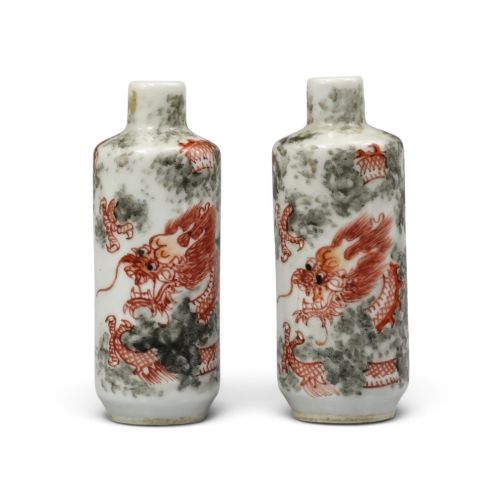
The survival of original stoppers, delicate gilt highlights, and metal mounts significantly alters the standing of a piece. Superior examples retain crisp moulded details, such as fluted bodies or relief dragons, without the smoothing caused by heavy wear or poor restoration.
Royal Crown Derby·Flight Barr And Barr·Sitzendorf·Mason s·Jacob Petit·Stevenson And Hancock·Crown Staffordshire·Macintyre·Royal Worcester
The Antique Porcelain Bottle Glossary
- Underglaze
- Pigment applied to the unfired ceramic body before the glaze is laid over top. This technique protects the painted design beneath a glassy protective layer during high-temperature firing.
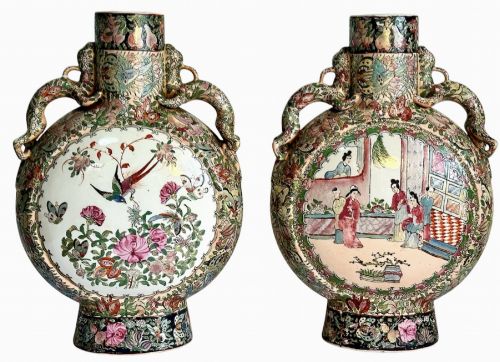
- Famille Rose
- A palette of opaque enamel colours dominated by pink, introduced to Chinese porcelain production in the eighteenth century. Artisans used these soft tones to render detailed floral and figural scenes.
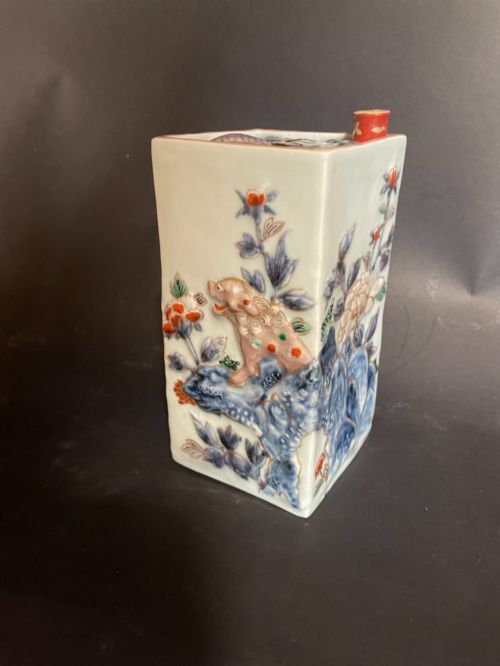
- Imari
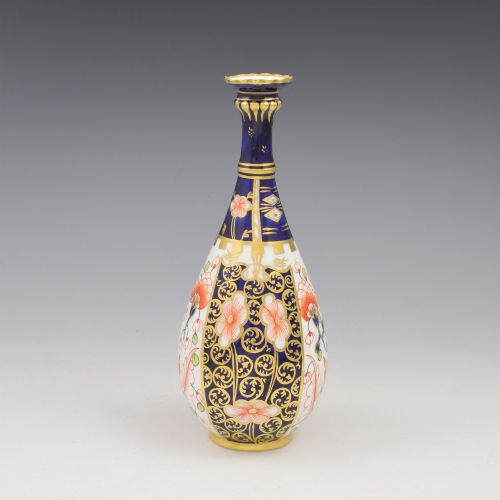
- A style of Japanese export porcelain characterised by a distinct colour scheme of underglaze blue, iron-red, and gilt highlights. The style originated in Arita and was shipped extensively to European markets.
- Bleu de Roi
- A deep, rich royal blue glaze developed at the Sèvres porcelain factory in France during the eighteenth century. Makers frequently paired this intense blue ground with gilt accents and painted panels.
- Celadon
- A pale green or grey-green glaze resembling jade, achieved through iron oxide in a reduction kiln atmosphere. The subtle coloration highlights the carved or moulded relief patterns beneath.
Antique Porcelain Bottle: Frequently Asked Questions
What is an antique porcelain bottle used for?
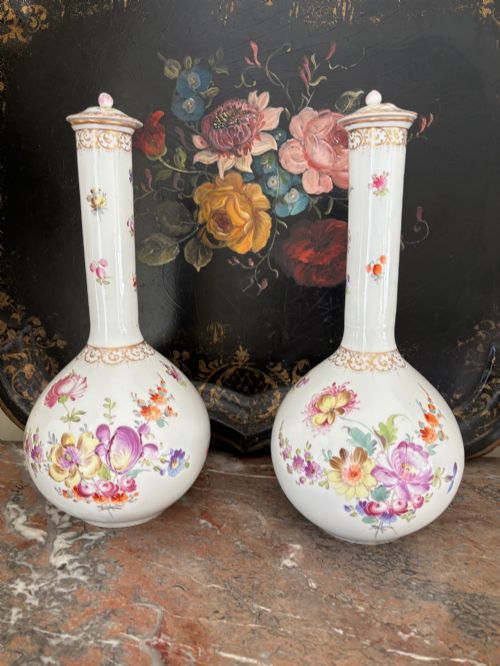
These vessels served various functions depending on their scale, ranging from personal scent and snuff containers to decorative display items. Smaller bottles were designed to hold perfumes or herbal preparations, while larger bulbous or double-gourd forms functioned as ornamental vases in domestic interiors.
Over time, many of these ceramic pieces transitioned from utilitarian objects to prized cabinet items collected for their artistic merit and historical association with specific kilns.
How do I identify the period of a porcelain bottle?
Dating relies heavily on stylistic markers, glaze characteristics, and factory marks stamped or painted on the base. Regency and Victorian English pieces often feature specific floral patterns and gilt borders, whereas Chinese examples may bear dynasty seal marks or reign periods.
Examining the wear on the foot rim and the composition of the paste provides additional clues regarding the age and origin of the ceramic body.
How should I care for antique porcelain?
Display these items away from direct sunlight and areas subject to sudden temperature fluctuations to protect fragile enamels and gold leaf. Cleaning should be limited to gentle dusting with a soft, dry brush rather than immersion in water, particularly for pieces with metal mounts or delicate applied decoration.
Ensuring stable placement on flat surfaces prevents accidental tipping, which remains the primary risk for slender-necked vases and scent bottles with original stoppers.
What is the difference between Imari and famille rose?
Imari ware relies on a specific palette consisting primarily of underglaze blue, iron-red, and supplementary gold leaf, often featuring geometric and floral panels. Famille rose utilises an opaque enamel palette dominated by soft pinks, yellows, and greens to depict elaborate figural and botanical scenes.
These distinct decorative traditions reflect different aesthetic preferences and production periods within Asian export ceramics.