



Georgian Floral Vase
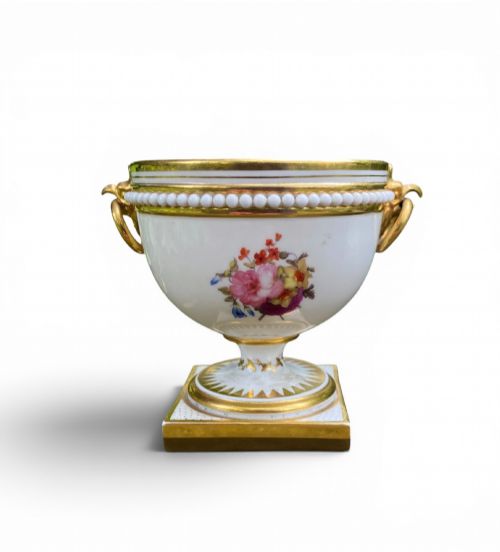
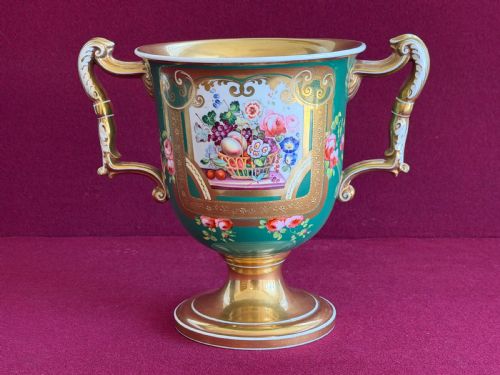
These georgian floral vase examples bring together porcelain, ironstone and mahogany across Regency and 18th Century periods for your collection.
Georgian Floral Vase
A georgian floral vase covers a range of decorative ceramics, spill vases and loving cups spanning the 18th Century, Georgian and Regency periods. You will encounter porcelain and ironstone vessels alongside mahogany furniture featuring vase splats.
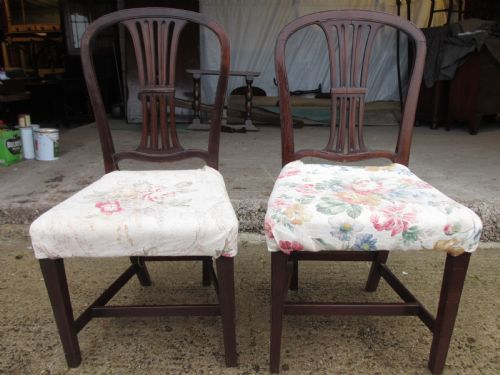
The ceramic pieces bring hand-painted floral and Chinoiserie decoration into the domestic interior, often shaped as urns or cornucopia. Alongside these stand dining chairs incorporating distinctive vase-shaped splat backs.
Materials and methods
Makers shaped these objects using porcelain, ironstone and ceramic bodies, frequently finished with gilding, gold leaf and enamel painting. Artisans applied transfer printing and delicate hand-painting techniques to achieve floral and Chinoiserie motifs.
Cabinet makers utilised mahogany to construct chairs with shaped vase splats, combining structural timber with ornamental design. Ceramic pieces relied on skilled kiln firing and glazing to secure the fresh colours seen on Delftware and porcelain.
Some chairs borrow the word vase simply to describe a piece of wood shaped like a flower holder.
Assessing quality
Quality rests upon the precision of the hand-painting, the crispness of gilding and the clarity of the porcelain body. Pieces decorated by named hands or major potteries display superior technical execution in their enamels and gold leaf.
For furniture, the grade of mahogany and the refined carving of the vase splat determine the standard. Ceramic vessels depend on the balance of the form and the preservation of the original glaze and colours.
Thomas Steel·Spode·Flight Barr and Barr·H and R Daniel·Miles Mason
The Georgian Floral Vase Glossary
- Spill vase
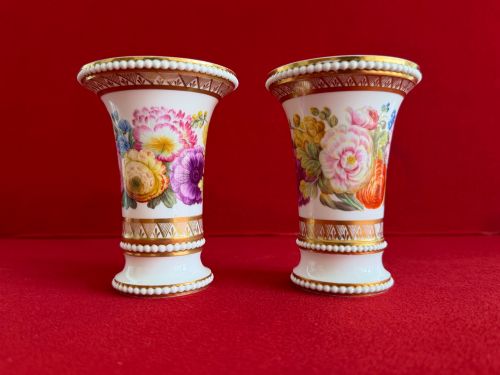
- A small cylindrical vessel designed to hold taper splints used for lighting candles and fires. These ceramic pieces often feature floral painting.
- Gilding
- The application of gold leaf or gold powder to the surface of porcelain or pottery. This technique highlights rims, handles and decorative motifs.
- Ironstone
- A type of durable heavy earthenware patented in the early nineteenth century. It provides a sturdy body for blue transfer printed decoration.
- Garniture
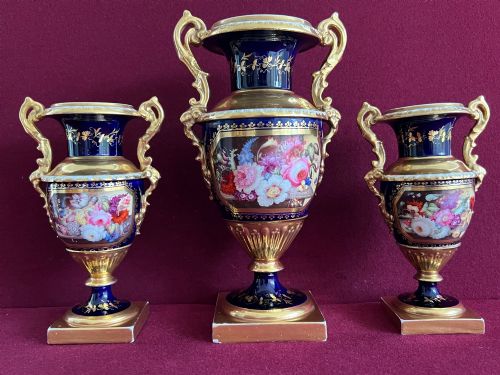
- A set of three or more matching vases or urns designed to be displayed together on a mantelpiece. They share coordinated ceramic bodies and decorative schemes.
- Splat
- The central vertical strip of wood down the back of a chair. In these examples, it takes a distinct vase profile.
Georgian Floral Vase: Frequently Asked Questions
What is a georgian floral vase used for?
These pieces served primarily as decorative ornaments on mantelpieces and side tables, with some smaller spill vases holding taper splints for lighting fires.
Larger urns and garnitures brought colour and botanical artistry into formal reception rooms during the Georgian and Regency eras.
How do I care for antique porcelain?
Keep ceramic vessels away from direct sunlight and dust them gently with a soft dry cloth.
Avoid using water or chemical cleaners on gilt and enamel surfaces to preserve the original painted details.
How can I tell the period?
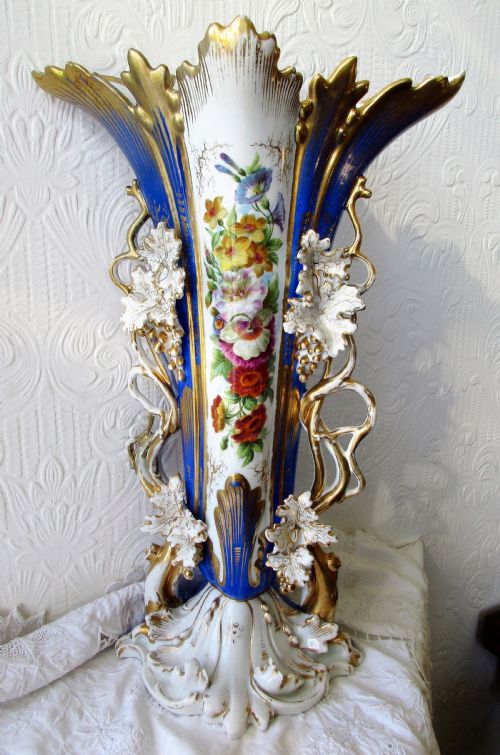
Look to the paste, glaze characteristics and decorative style, noting whether the piece reflects Rococo Revival tastes or earlier Georgian forms.
Factory marks and pattern numbers on the base often help narrow down the production decade.
Are mahogany chairs related to the ceramics?
They share the same design vocabulary of the period, specifically incorporating vase-shaped wooden splats into the chair backs.
Cabinet makers used the term vase to describe this specific central splat silhouette rather than a vessel for flowers.