
18th Century Vase
When you search for an 18th century vase, you encounter ceramics and porcelains shaped by centuries of European and Asian kiln traditions.
18th Century Vase
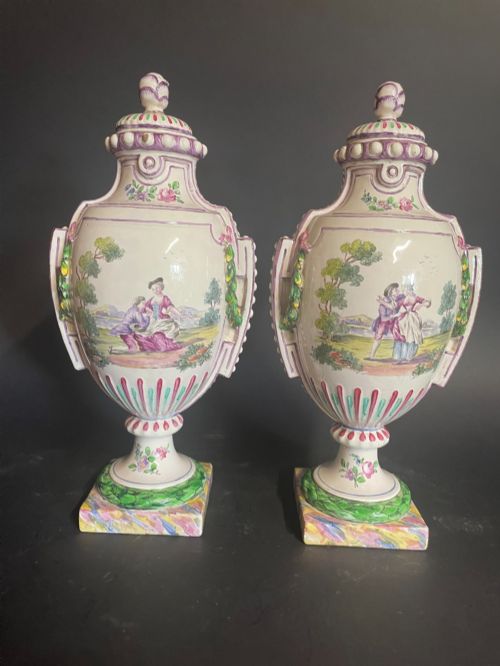
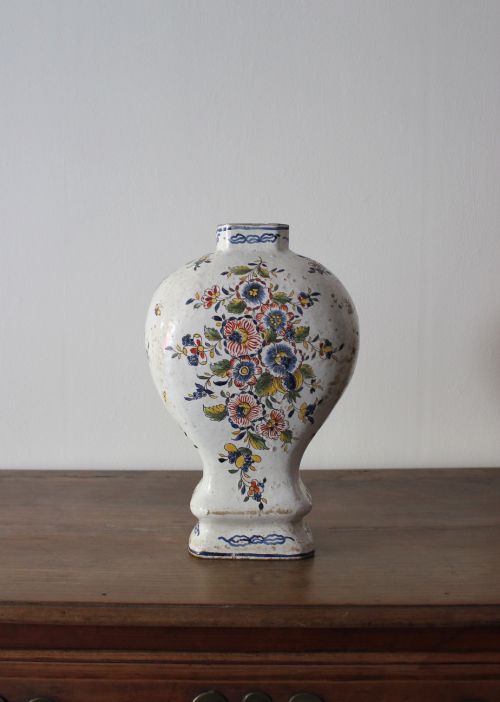
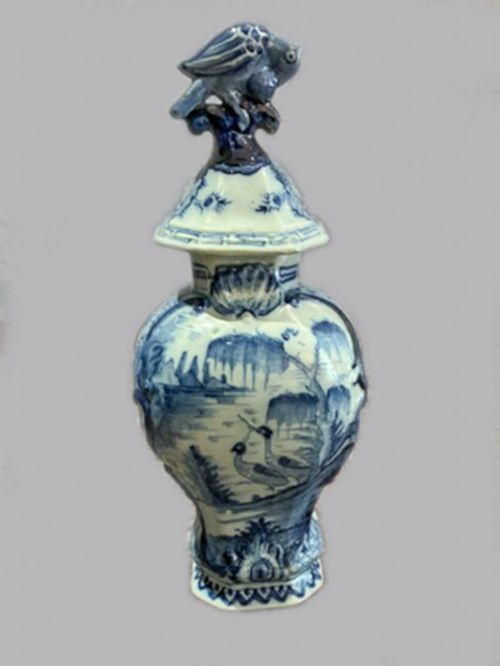
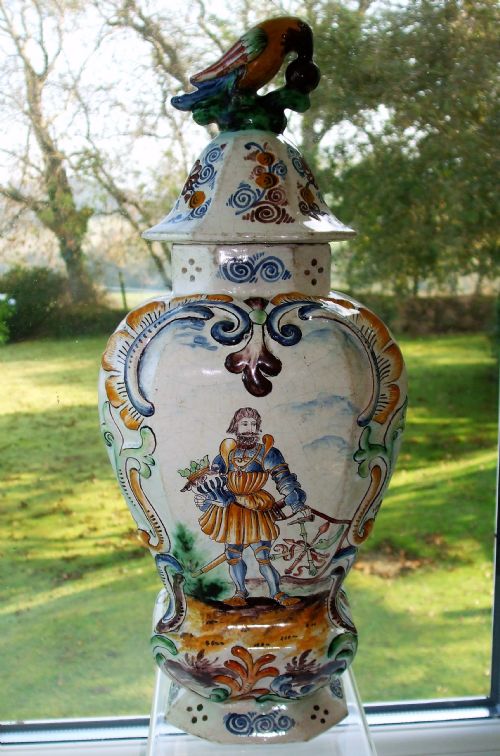
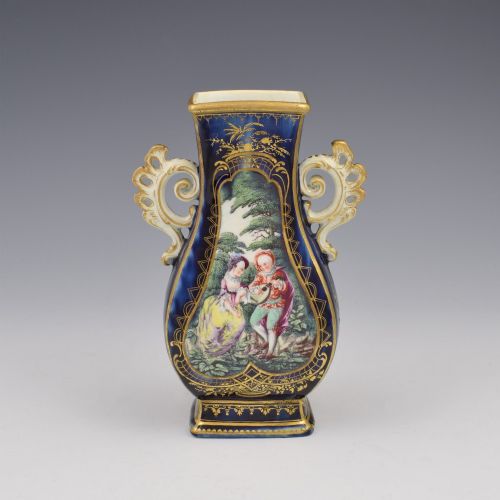
An 18th century vase encompasses vessels produced across European potteries and Asian kilns during a period of immense stylistic exchange. Buyers looking for an 18th century vase will find tin-glazed earthenwares from Delft, Sceaux and Lambeth, alongside porcelain creations from Chinese dynasties and English factories like Chelsea and Derby.
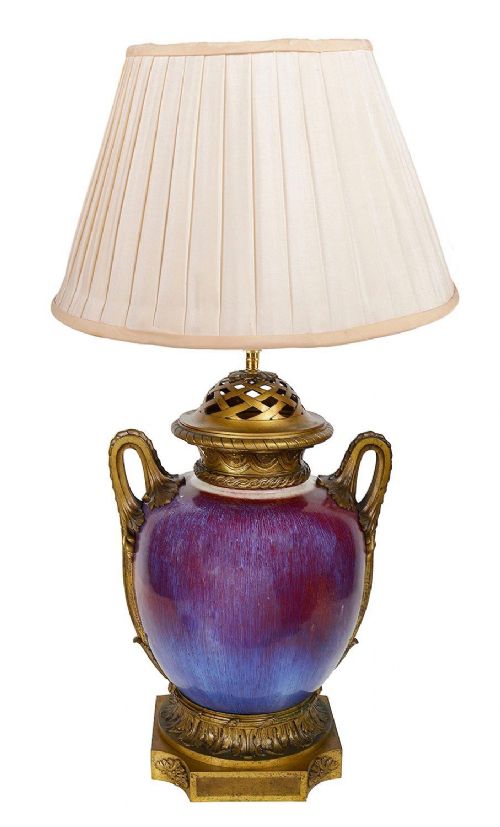
The physical forms range from blue and white baluster jars and lidded garden urns to trumpet vases and pilgrim flasks. Many surviving examples carry conversions into table lamps, adapting historical containers to modern domestic illumination.
Materials and production methods
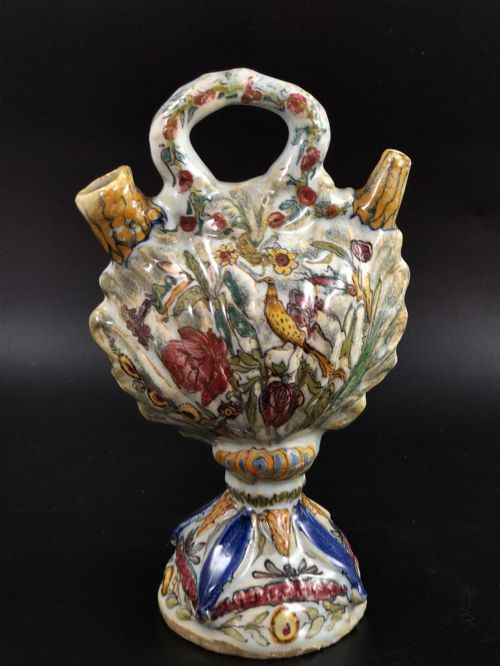
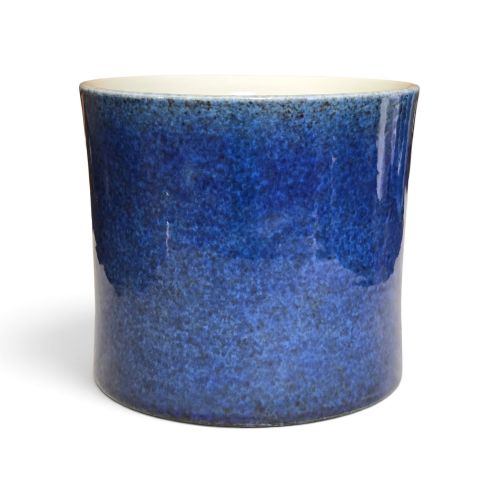
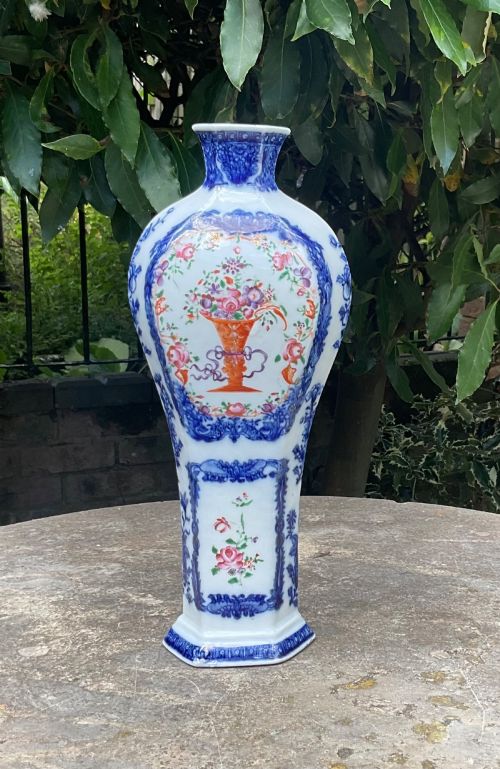
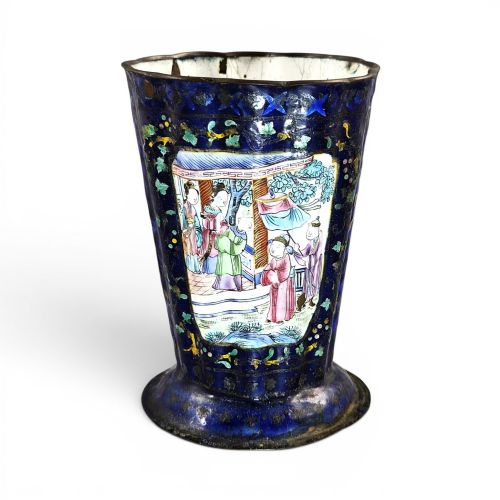
Potters utilised clay bodies covered in tin glazes to create an opaque white surface suitable for painted cobalt blue or polychrome decorations. Porcelain pieces relied on fine-grained pastes fired at high temperatures, often finished with celadon, powder-blue or famille rose enamels.
Makers applied hand-painted pigments directly onto the unfired glaze or used copper and gold leaf accents to enrich the surface detail before secondary kiln firings.
Several vessels crossed oceans in wooden hulls only to spend their retirement holding modern electrical flex.
Distinctions in craftsmanship
The standard of an 18th century vase rests upon the precision of the hand-painted decoration and the purity of the glaze ground. Superior pieces display fluid brushwork, crisp cobalt tones, and well-balanced potting without warping from the kiln firing.
Provenance and factory attribution elevate certain examples, particularly documented works from noted English porcelain manufacturers or authentic regional European faience workshops.
Charles Tozer·Zachariah Boreman
The 18th Century Vase Glossary
- Delftware
- Tin-glazed earthenware produced in Dutch and English centres, typically featuring blue and white designs inspired by imported Asian porcelain.
- Famille rose
- A palette of opaque enamel colours dominated by pink or rose hues, introduced to Chinese porcelain decoration during the Qing dynasty.
- Imari
- Japanese export porcelain decorated in underglaze blue, iron red and gilt, mirroring patterns developed in the Arita kilns.
- Baluster
- A vase form characterised by a rounded body that tapers toward the base and swells outward near the centre.
18th Century Vase: Frequently Asked Questions
How do I identify a Delft vase?
Delft vases typically feature a tin-glazed earthenware body with blue and white or polychrome hand-painted motifs.
They often show crazing in the glaze and weightier earthen construction compared to fine porcelain.
Were these vases made for display?
Many examples served as ornamental garnitures placed upon mantelpieces or furniture tops within wealthy households.
Others functioned as lidded jars for storing dry goods or medicinal herbs in apothecary settings.
Why are some fitted as lamps?
Conversion into table lamps became a popular method during later eras to preserve decorative antique vessels for practical home use.
Wiring often runs through drilled bases or fitted mounts designed to protect the original ceramic body.
What is Chinese export porcelain?
Chinese export porcelain refers to wares manufactured in China specifically for the European market, often adapting Western shapes.
Designs frequently combine traditional Asian flora with forms requested by overseas buyers.