


Antique Planter Box
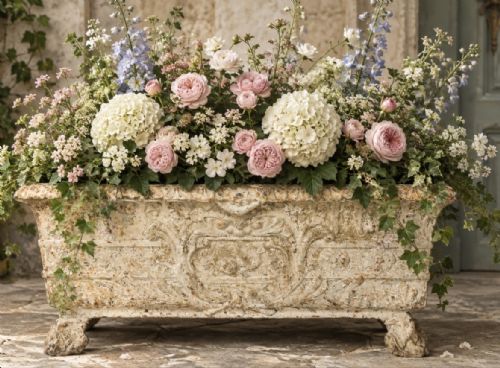
An antique planter box brings rich texture and living greenery together, drawing the eye with period metals, warm woods and classical forms.
Antique Planter Box
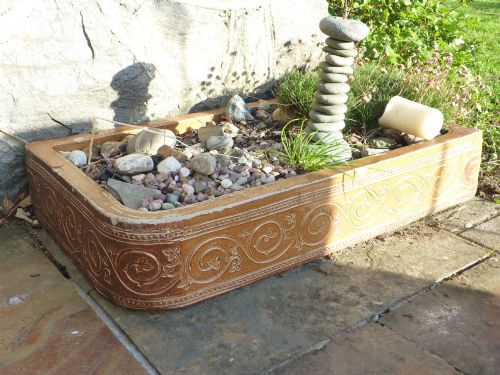
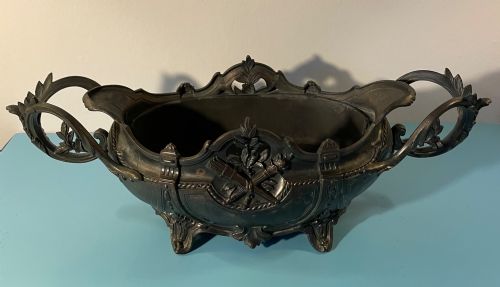
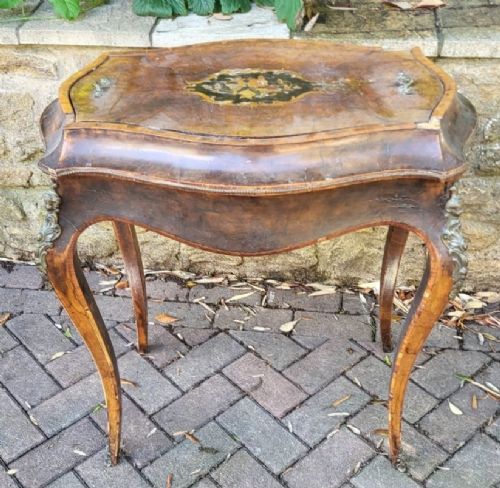
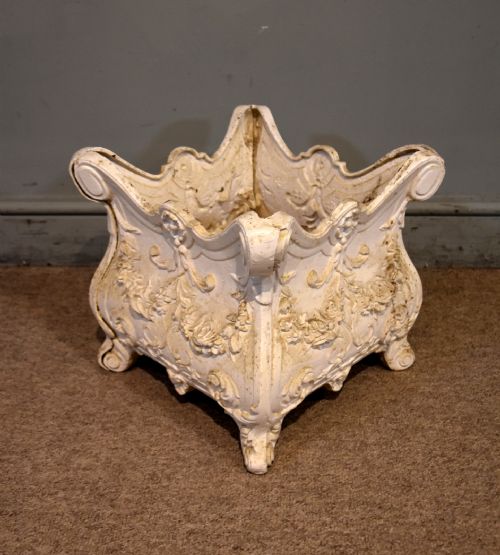
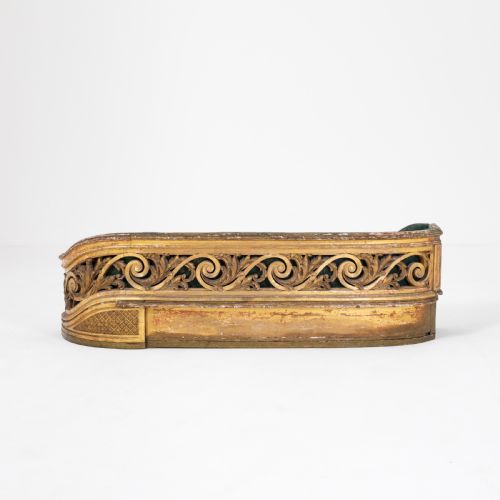
An antique planter box spans practical vessels and decorative indoor jardinieres originating across the nineteenth century, the Edwardian era and the nineteen-thirties. Buyers searching for an antique planter box will encounter everything from heavy cast iron garden troughs to refined mahogany and satinwood indoor plant stands.
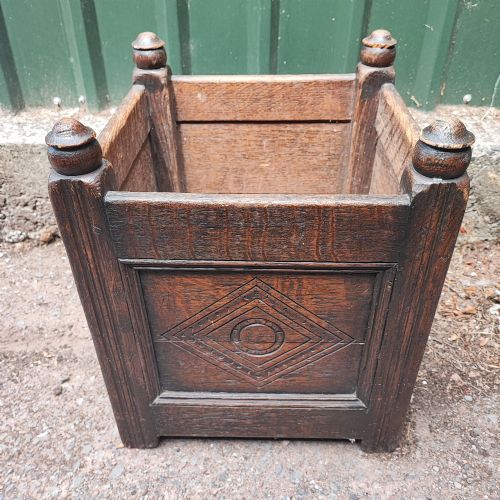
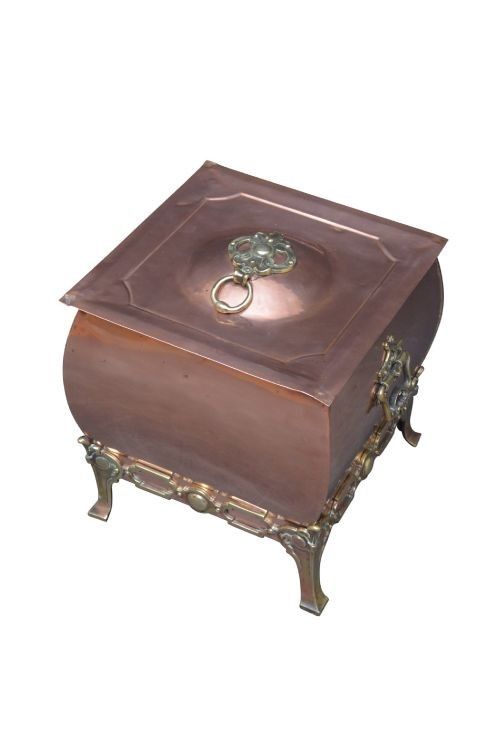
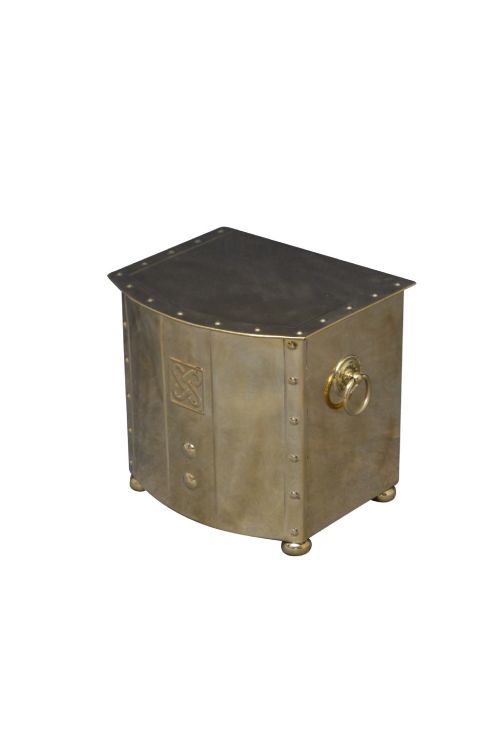
Many examples double as traditional coal buckets, scuttles, wine coolers and cellarettes, reflecting how nineteenth-century households repurposed sturdy containers for greenery. French and English pieces dominate the selection, offering styles ranging from understated country oak to ornate brass repoussé and classical French Empire mounts.
The form adapts easily to modern rooms, serving as a striking hearthside log box or a conservatory focal point. Whether fashioned from weathered wrought iron or polished olive wood, each piece carries distinct historical character.
Materials and Construction
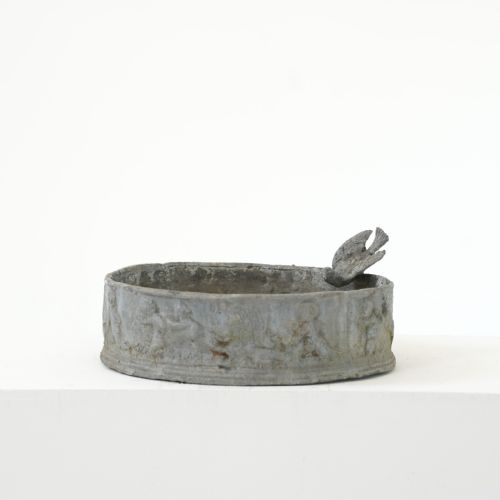
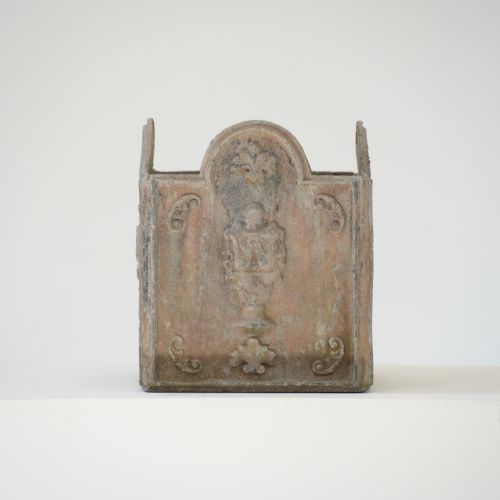
Makers utilised a combination of durable metals and fine timbers, pairing cast iron, copper, brass and zinc with mahogany, oak, walnut and pine. Metal vessels often featured repoussé work, soldered seams and applied decorative mounts, while wooden pieces relied on traditional joinery, inlay and fine carving.
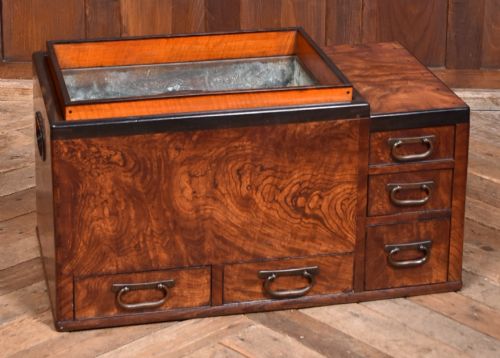
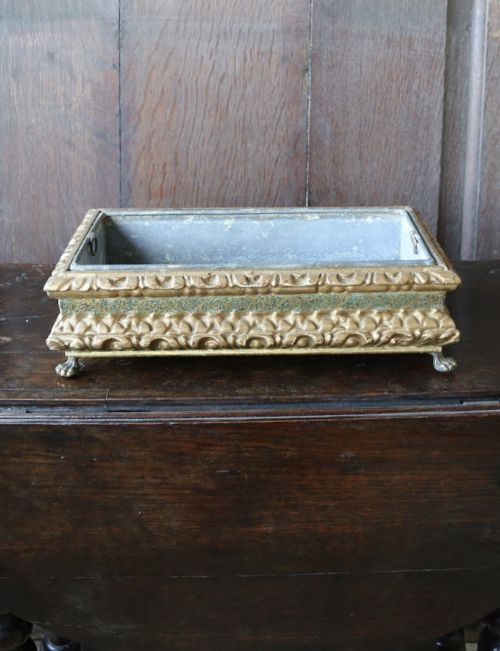
Many brass and copper examples incorporate riveted handles, claw feet or liner inserts designed to hold moisture safely away from the metal body. Wooden containers frequently employed tight-grained hardwoods or protective internal linings to withstand damp soil and daily domestic use.
Assessing Quality and Craftsmanship
Quality rests in the crispness of the casting, the weight of the metal and the integrity of the timber selection. Superior brass and copper pieces display deeply chased relief details and heavy-gauge walls that resist denting, whereas lesser items rely on thin sheet metal with shallow stamping.
In wooden boxes, the standard of the joinery and the richness of the grain define the tier. Fine examples feature carefully matched veneers, intact original liners and secure mounts, while standard pieces show simpler construction intended purely for utility.
Coalbrookdale·Julius Dressler·Guichard Carriès
The Antique Planter Box Glossary
- Jardiniere
- An ornamental pot or stand for holding plants or flowers. These vessels usually sit on low feet or a dedicated pedestal.
- Cellarette
- A lockable container originally used to hold bottles of wine near the dining table. Many period cellarettes share proportions with large planter boxes.
- Repoussé
- A metalworking technique where the artisan hammers the design from the reverse side to form a raised pattern. This method creates tactile, highly decorative surfaces on brass and copper vessels.
- Strapwork
- Flat bands of metal arranged in geometric patterns across a surface. Wrought iron planters often employ strapwork for structural reinforcement and visual rhythm.
- Dough bin
- A deep wooden trough with a lid used traditionally for rising bread. These rustic pine containers translate well into deep interior plant holders.
Antique Planter Box: Frequently Asked Questions
How were antique planter boxes used?
Victorian and Edwardian households utilised these containers both indoors and in protected outdoor garden spaces. Indoor jardinieres held potted ferns and flowering plants to bring nature into formal parlours.
Sturdier metal and wooden boxes served practical roles near hearths and dining rooms as coal bins, log buckets and cellarettes before later finding new life as plant holders.
Can I plant directly into an antique box?
Planting directly inside vintage wood or unprotected metal is generally discouraged because moisture can cause rotting, rust and staining. Using a modern plastic or ceramic liner preserves the interior condition of the antique.
Many period pieces originally included metal liners or removable inserts designed precisely to catch excess water and protect the outer structure.
How do I care for a brass planter?
Care for a brass or copper planter involves dusting regularly with a soft, dry cloth and avoiding harsh chemical cleaners. Preserving the natural patina maintains the historical appearance valued by collectors.
If cleaning is necessary for hygiene or excess tarnish, a gentle polish suitable for antique metals will restore the finish without stripping the underlying surface detail.