



Antique Pink China
When you search for antique pink china, you are looking at domestic wares and decorative pieces defined by rosy colour palettes across centuries of ceramic history.
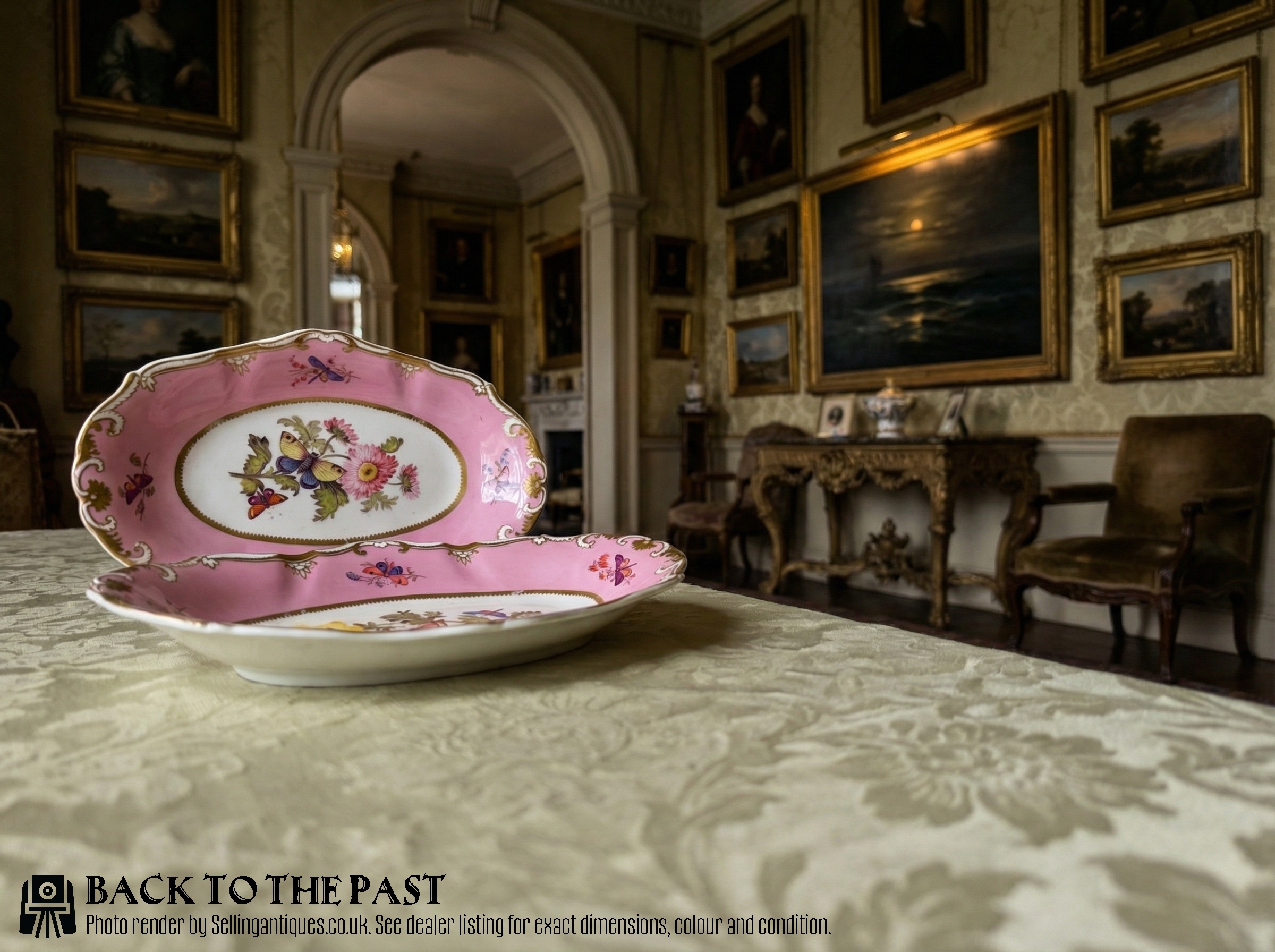
Antique Pink China
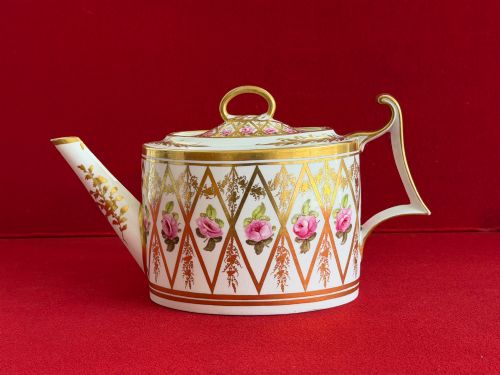
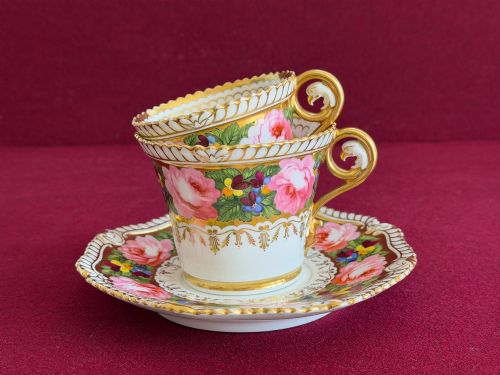
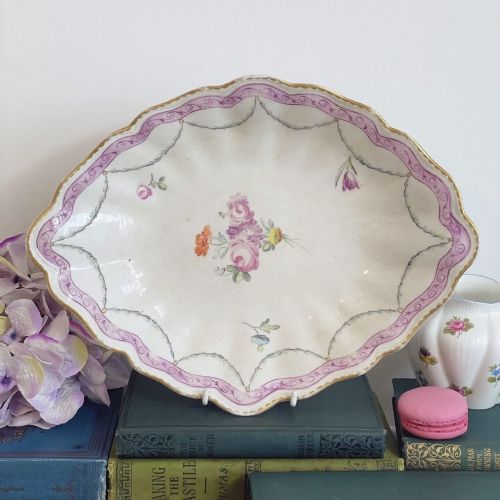
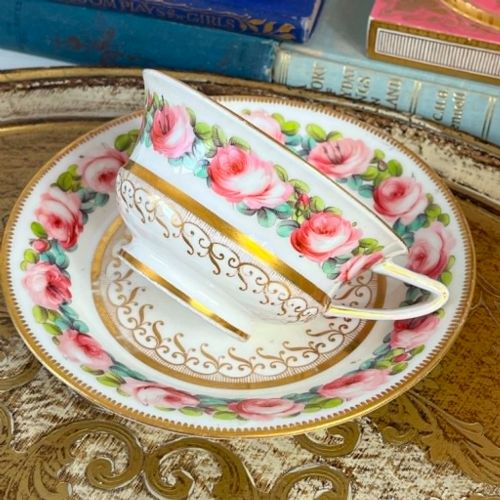
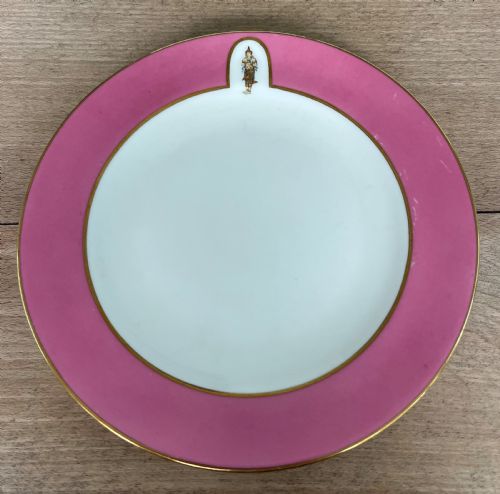
The term antique pink china encompasses porcelain, bone china, and ironstone vessels united by characteristic pink pigments, ranging from pale blush grounds to deep rose medallions and polychrome floral enamel.
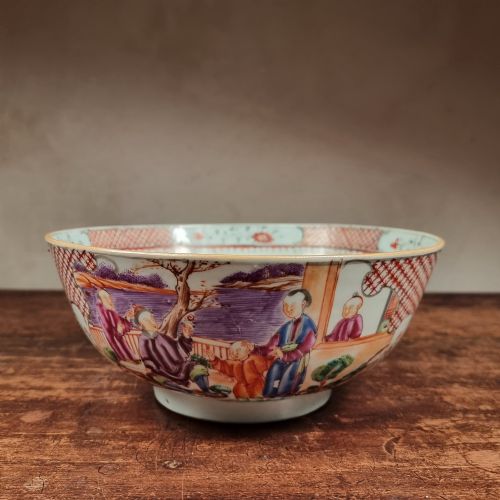
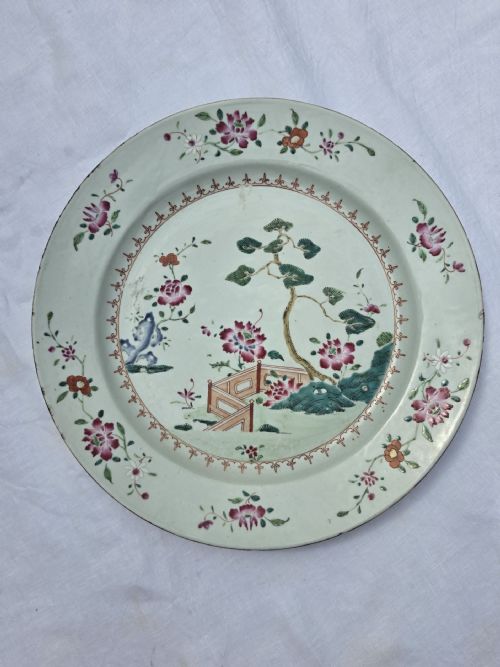
Buyers most frequently encounter 18th and 19th-century teacups, saucers, plates, and large punch bowls originating from English factories and Chinese export kilns.
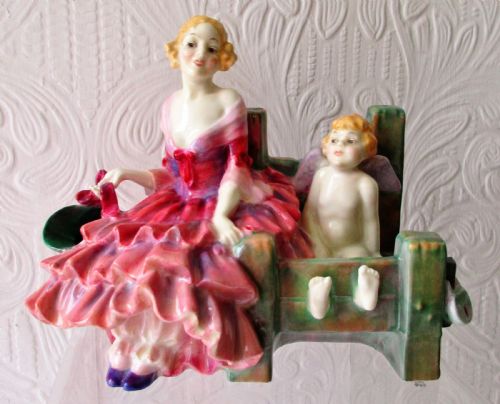
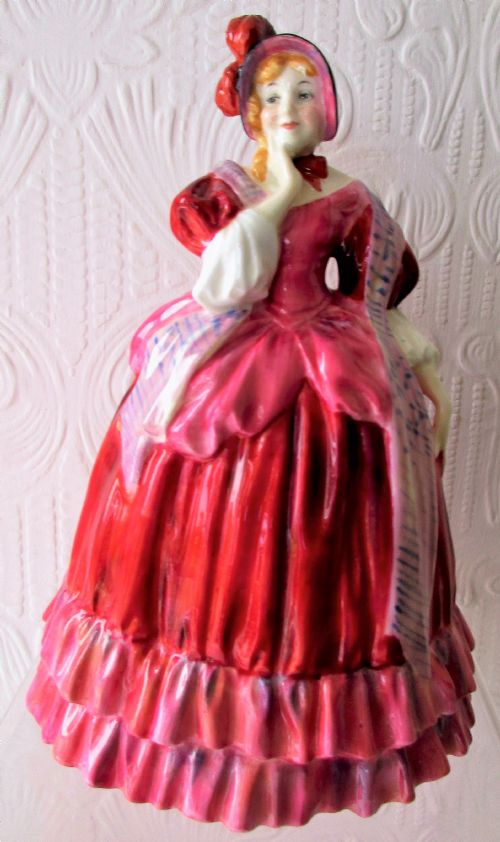
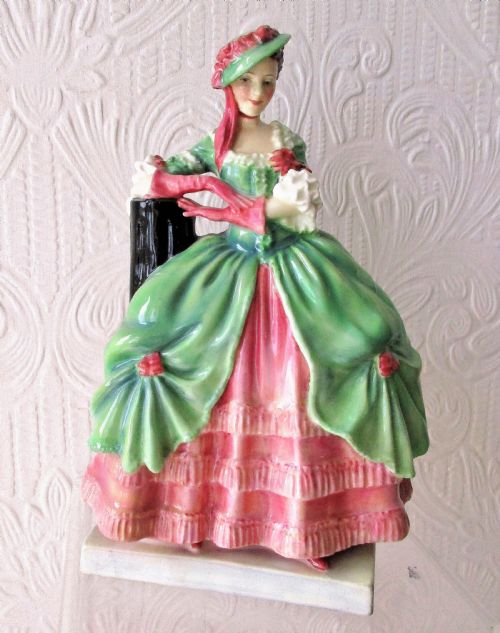
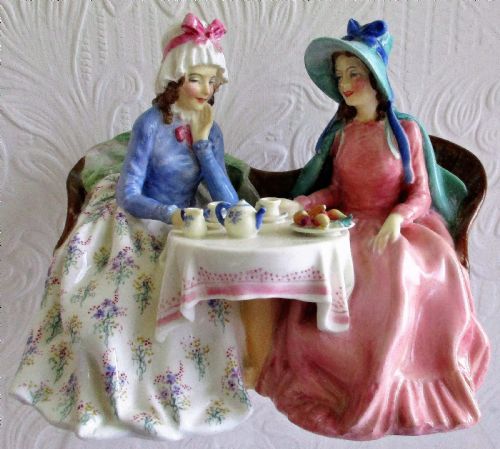
Pieces span utilitarian tea services, decorative dessert plates, and cabinet figures from Georgian, Regency, and Victorian periods.
Materials and Techniques
Potters built these bodies using hard-paste porcelain, soft-paste porcelain, and bone china, often finished with a glossy glaze before decoration.
Artisans applied hand-painted enamels, sometimes incorporating gilt, gold leaf, and transfer-printed motifs to achieve the distinct pink ground colours and floral scenes.
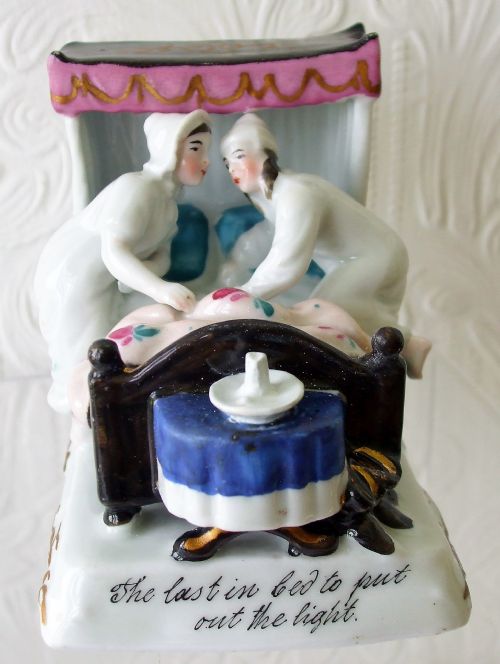
Fairings like 'The Last in Bed to Put Out the Light' brought Victorian mantelpieces a very dry domestic humour.
Judging Quality
Quality rests on the crispness of the hand-painted brushwork, the precision of the gilt work, and the translucency of the porcelain body itself.
Pieces from established factories or skilled export studios display superior pigment saturation and more finely balanced forms than standard commercial output.
The Antique Pink China Glossary
- Bone China
- A type of soft-paste porcelain containing bone ash, developed in England to create a durable, highly translucent body.
- Famille Rose
- A major palette of Chinese ceramic enamels introduced in the 18th century, distinguished by opaque pink and rose colours.
- Gilt
- A thin layer of gold applied to the surface of ceramics for decorative highlights and borders.
- Polychrome
- Decoration utilising multiple distinct colours painted onto the ceramic body or glaze.
- Trio
- A matching set comprising a teacup, saucer, and side plate.
Antique Pink China: Frequently Asked Questions
How do I date pink china?
Dating relies on factory marks, paste composition, and the style of the hand-painted or transferred decoration.
Earlier 18th-century pieces often show different potting weights and glaze pooling compared to Victorian or Edwardian equivalents.
Can I use antique pink china daily?
Most antique tea wares and plates require gentle hand washing rather than dishwasher use to protect the delicate enamels and gilding.
Older porcelains may also possess microscopic glaze crazing that absorbs strong liquids over time.
What is Chinese export porcelain?
Chinese export porcelain refers to ceramics made in China specifically for Western markets, often featuring European coats of arms or floral patterns.
These items travelled great distances by ship during the 18th and 19th centuries.
Why do some pieces feature gold leaf?
Gold leaf and gilding were applied to emphasise the status of the service and highlight rims, handles, and painted reserves.
Master artisans used fired gold that could be burnished to a high metallic shine.