


Antique Pewter Stein
An antique pewter stein brings heft and history to the table, offering a tactile connection to centuries of social drinking.
Antique Pewter Stein
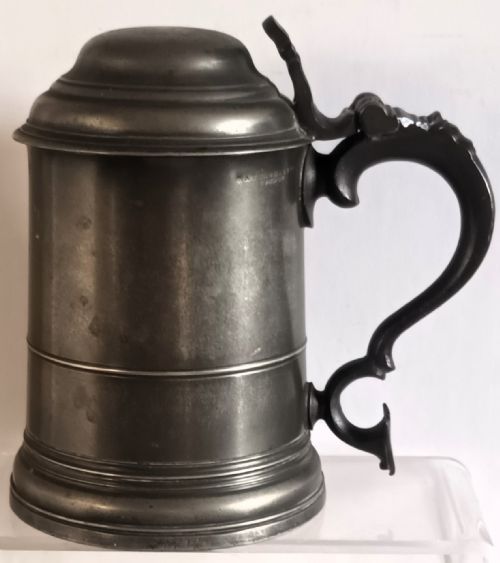
An antique pewter stein covers substantial drinking vessels designed for ale, beer, and cider across the eighteenth and nineteenth centuries. You encounter forms ranging from plain English quart tankards to large German lidded flagons decorated with hops and relief work.
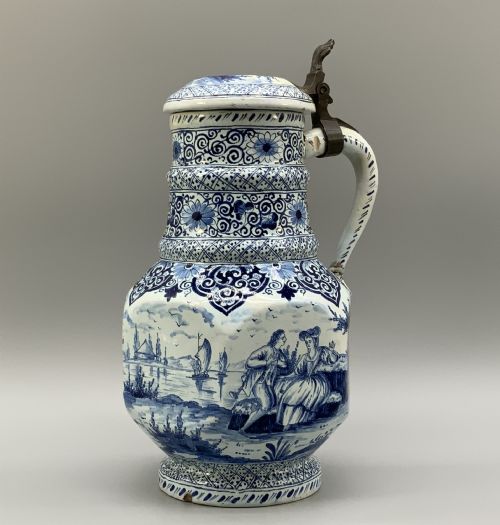
The pieces on this page span the Georgian and Victorian eras into the Edwardian period, alongside Dutch Delftware and Westerwald salt-glazed stoneware mounted in metal. English flat-lid flagons and Victorian quart tankards sit alongside continental German beer steins.
Makers and marks shape these vessels, from regional English touchmarks to Arts and Crafts designs by Archibald Knox for Liberty and Co. The selection balances utilitarian tavern vessels with decorative continental display pieces.
How they were made
The primary metal is pewter, an alloy traditionally composed of tin alloyed with lead, copper, or antimony to achieve durability. Pewter components were cast in moulds, then hammered or turned on a lathe to finish the body and solder the handles and lids.
Other materials appear alongside the metal, including salt-glazed stoneware, tin-glazed earthenware, and copper, particularly in German and Dutch vessels. Silver plating and Old Sheffield Plate coat several British tankards, while glass bottom inserts feature in later drinking vessels.
Listings include eighteenth-century English flat-lid flagons and Victorian quart tankards alongside German stoneware and Arts and Crafts pewter.
What varies in quality
The weight and gauge of the metal define the character of a vessel, with thicker castings holding their form and hinge alignments better over centuries of use. Crispness in touchmarks, maker stamps, and cast relief decoration separates standard production pieces from finer examples.
Design ambition distinguishes simple tavern survivors from masterworks, such as Archibald Knox Tudric pieces or German Baroque flagons. Original lids, thumbpieces, and hinges that remain intact without replacement elevate the integrity of the piece.
Watts & Harton·Burgum & Catcott of Bristol·Archibald Knox for Liberty & Co
The Antique Pewter Stein Glossary
- Pewter
- A malleable metal alloy consisting chiefly of tin, historically combined with lead, copper, or bismuth. It develops a soft grey patina over time.
- Flagon
- A large drinking vessel with a handle and lid, often used for serving ale or wine in domestic and tavern settings. They frequently feature flat or dome lids.
- Touchmark
- A stamp or maker mark impressed into pewter by the metalsmith or guild to indicate origin and standard. These serve to identify makers and production dates.
- Westerwald
- A German region renowned for salt-glazed stoneware pottery, often featuring grey bodies decorated in cobalt blue. Many historical examples received pewter mounts and lids.
- Old Sheffield Plate
- A composite material made by fusing a thin sheet of silver to a thicker copper base, common in eighteenth-century tankards. It produces a rich surface appearance.
Antique Pewter Stein: Frequently Asked Questions
How do I clean antique pewter?
Wash pewter gently in warm water using mild soap, then dry it thoroughly with a soft cloth to preserve the natural surface. Avoid harsh commercial metal polishes that strip away age and historical character.
Leaving a dull, aged patina intact generally maintains the integrity and visual appeal of older tavern vessels.
Can I drink from an antique stein?
Many historical vessels contain lead within the metal alloy or feature old solder repairs, making regular use inadvisable today. Displaying them or using them strictly for dry storage keeps them safe.
If you choose to use one for beverages, check the interior condition and alloy composition first.
How do I spot a fake maker mark?
Genuine touchmarks appear crisp and deep from being struck into the metal while hot or cold, rather than cast as part of the surface. Researching recorded guild registers helps verify authentic British and continental touchmarks.
Blurry or nonsensical stamps usually indicate modern reproduction work.
What is the difference between a tankard and a stein?
Tankards are typically cylindrical drinking vessels with a single handle and a hinged lid, common in Britain and made of pewter or silver plate. Steins generally refer to continental European beer vessels made from stoneware, earthenware, or metal, often featuring detailed relief decoration.
Terminology often overlaps depending on the regional origin and material.