

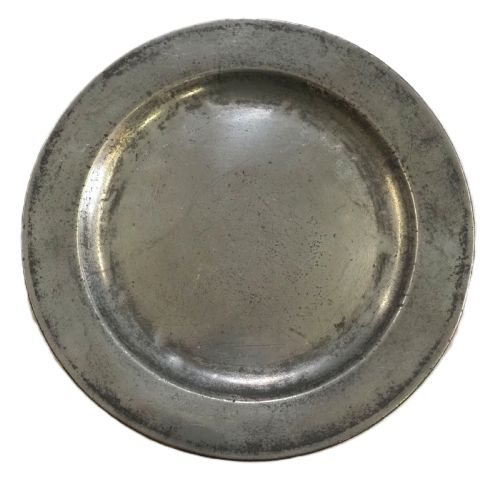


Antique Pewter Platter
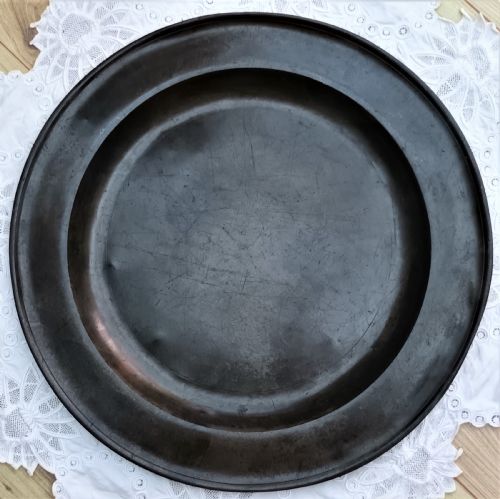
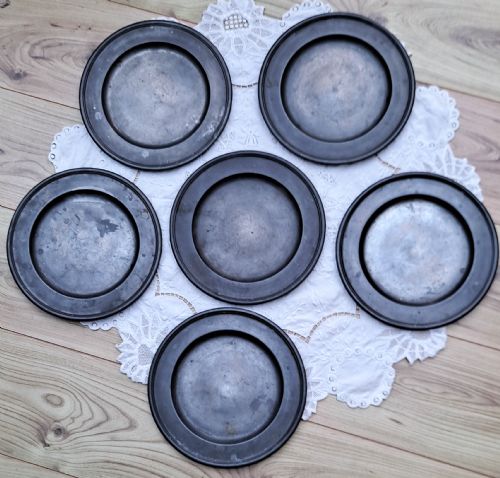
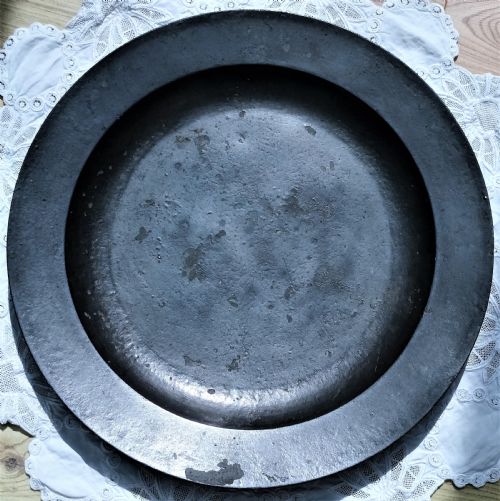
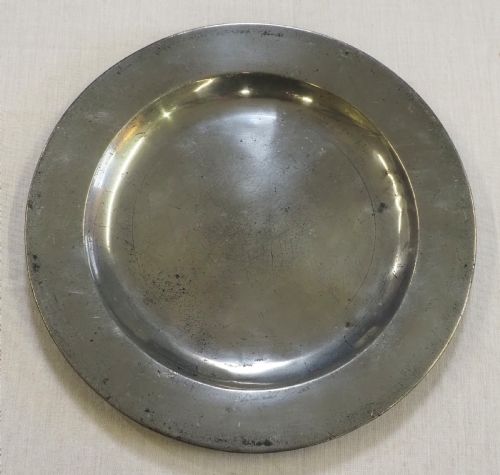
An antique pewter platter provides a weighty surface of considerable substance, spanning broad rim chargers from the seventeenth century to later Georgian plates and Arts and Crafts serving trays.
Antique Pewter Platter
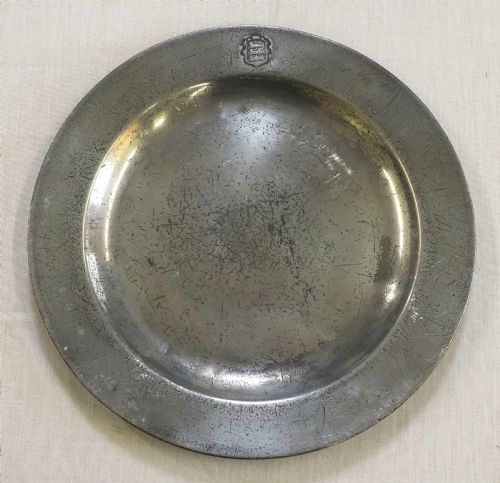
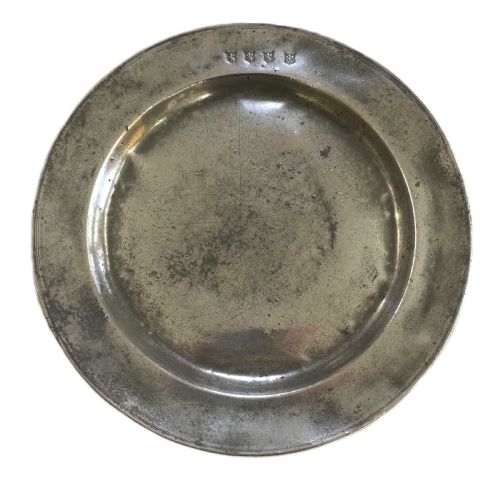
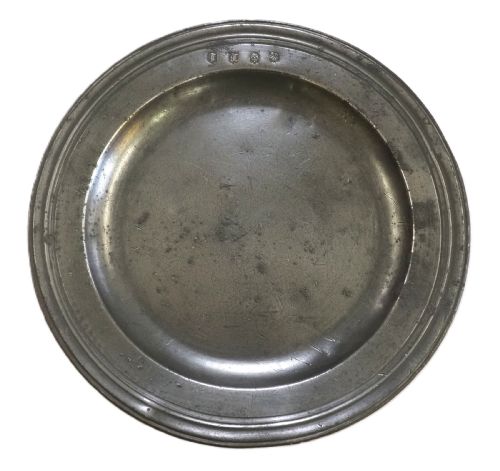
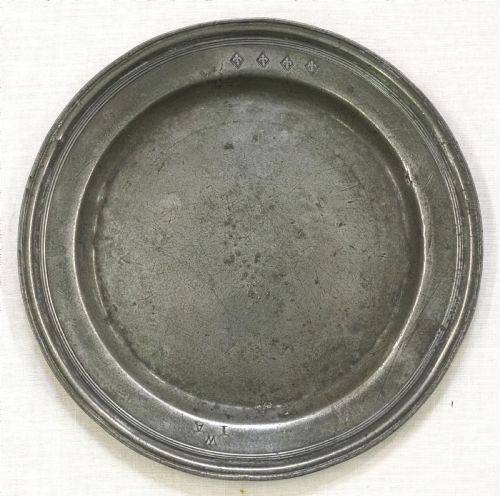
An antique pewter platter encompasses large chargers, broad rim dishes, and plates produced across English workshops from the seventeenth century through to the early twentieth century. The primary forms met on this page include wide Charles II broad rim chargers, eighteenth-century plain rim and reeded plates by named makers, and later Arts and Crafts serving trays.
These pieces served functional dining and display purposes in domestic households, with larger examples designed to hold joints of meat or act as central table chargers. Surviving pieces frequently display family crests, coats of arms, or ownership initials hammered into the metal surface.
How they were made
The objects are formed from metal alloys consisting primarily of tin combined with lead, copper, or antimony to achieve malleability and structural rigidity. Makers shaped the metal by casting the basic plate or charger form before hammering the surface by hand to harden the material and create an even thickness.
Rim variations such as triple reeding, multiple reeding, or incised lines were lathe-turned or worked with specialised irons onto the broad rims. Makers often struck their touchmarks directly into the soft metal surface to record their workshop identity and compliance with guild standards.
Antique Pewter Platter Retail Price Guide 2026
Typical asking prices for pewter platter among the pieces listed under this phrase on Sellingantiques today, from the lower quarter to the upper quarter. They describe what is for sale here now, not the wider market.
The inventory spans the seventeenth century, the Georgian period, and Arts and Crafts productions executed entirely in pewter.
What varies in quality
Quality rests upon the gauge of the metal, the crispness of touchmark stamps, and the integrity of the original rim configuration. Heavy broad rim chargers with deep hammering and well-preserved maker marks represent the upper tier of production.
Proportion and surface preservation dictate desirability, as thinner plates subjected to centuries of vigorous scouring lose their original weight and edge definition. Examples featuring engraved armorial bearings or scarce incised decoration elevate the standard above standard utility wares.
John Duncomb·William Wright·Samuel Smith·T & H Compton·Richard King·Wood & Michell·John Trapp II·John Tubb·Robert Moulins II·Humphrey Evans II·Liberty & Co·Thomas Alderson·Lawrence Dyer·Thomas Haward·Thomas Powell·Edward Leapidge I·Nehemiah Cloudesley·John Barlow·S Duncomb
The Antique Pewter Platter Glossary
- Charger
- A large ornamental or serving plate, typically exceeding sixteen inches in diameter, used for grand dining or display.
- Broad rim
- A wide flat border surrounding the central well of seventeenth-century chargers, offering space for crests and touchmarks.
- Touchmark
- An identifying stamp struck into pewter by the maker or workshop, registered with the Worshipful Company of Pewterers.
- Reeded rim
- A border decorated with parallel raised rings or mouldings, common on late seventeenth-century and eighteenth-century plates.
- Armorial
- A heraldic design or coat of arms engraved or cast onto the metal to signify the original owning family.
Antique Pewter Platter: Frequently Asked Questions
How do I date an antique pewter platter?
Dating relies on stylistic shifts in rim width and edge profiles, moving from seventeenth-century broad rims to narrower eighteenth-century plain and reeded formats. Maker touchmarks recorded in historical guild registers further narrow the exact period of production.
Physical characteristics like all-over hammering patterns and ownership initials also provide reliable chronological markers for comparison.
Were these platters used for everyday dining?
Larger chargers and platters served functional roles on substantial dining tables for presenting meats, while smaller plates handled daily food service. Over time, many transitioned to wall display as ceramic alternatives gained popularity in wealthier households.
Surface wear patterns often indicate the intensity of historic domestic use and subsequent cleaning.
What is the difference between a plate and a charger?
Plates are generally smaller and intended for individual dining portions, whereas chargers measure significantly larger, often exceeding sixteen inches across. Chargers functioned as central serving vessels or decorative wall furnishings rather than standard dinner plates.
Makers devoted greater rim width and heavier gauge metal to chargers to support larger joints of food.
How should I display pewter platters safely?
Displaying these pieces requires stable plate hangers or dedicated display stands that distribute the weight evenly across the rim. Soft metal can distort under sustained pressure, so mounting hardware must avoid pinching or stressing the lead-tin alloy.
Keeping pieces away from damp environments prevents surface oxidation and preserves the historic patina.