


Antique Persian Cushion Cover
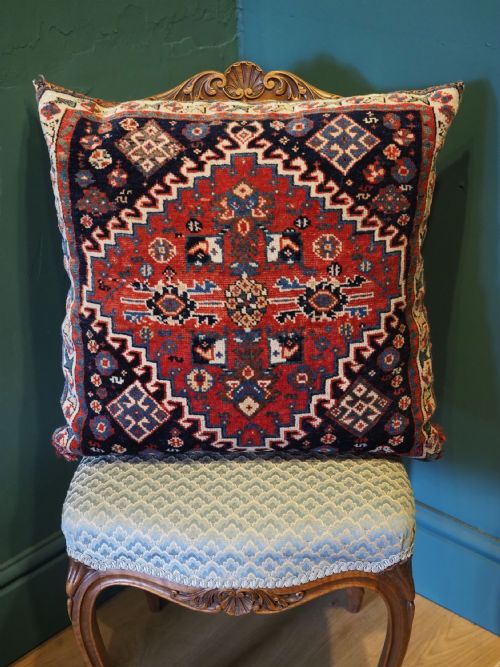
An antique persian cushion cover brings tribal nomadic craftsmanship into a modern interior through patterned wool and kilim textiles.
Antique Persian Cushion Cover
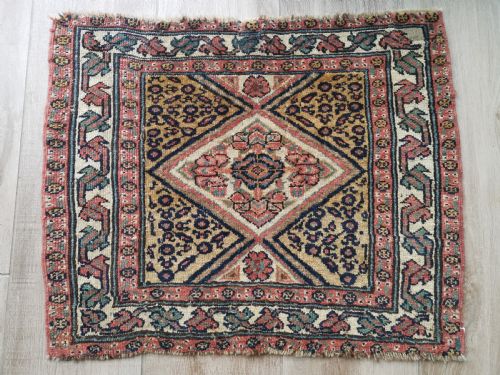
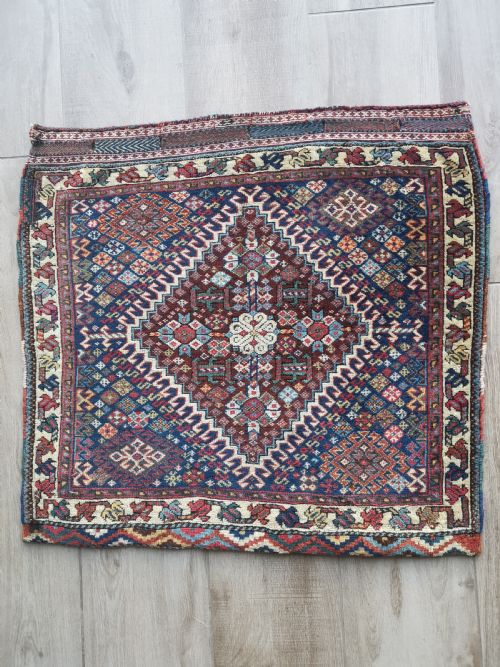
An antique persian cushion cover is typically formed from repurposed nomadic containers, including saddlebags, bagfaces, and storage bags originating from tribal confederations across nineteenth and early twentieth century Persia. The most common examples encountered are cut-down bag faces and kilim fragments constructed by Qashqai, Baluch, Shahsavan, and Afshar weavers.
These textiles served practical functions for pastoral nomads who transported belongings on pack animals before their panels were later adapted into cushions and pillows. Pieces span various regional identities, from the soumak technique of Shahsavan work to the characteristic boteh motifs of Afshar weaving.
Dating ranges primarily from the mid-nineteenth century through the early twentieth century, encompassing periods recorded as the 1850s to the 1920s. Buyers will find both single cushion faces backed with plain weave textiles and complete double-sided vanity bags transformed into soft furnishings.
Materials and technique
Weavers relied on hand-spun wool and occasional goat hair for durability, utilising vegetable and natural dyes derived from regional plants to achieve deep colour palettes. These organic colourants create rich variations across the surface of each textile over decades of exposure and use.
Construction methods vary between pile weaves, flat-woven kilims, and intricate soumak wrapping techniques executed on traditional portable looms. The resulting fabric combines structural rigidity with tactile depth, depending on whether the piece originated as a horse saddlebag or a storage container.
Listings demonstrate regional diversity through pieces attributed to Qashqai, Baluch, Shahsavan, and Afshar nomadic groups dating from 1850 to 1920.
Evaluating the range
Quality rests upon the fineness of the knotting or weave density, the clarity of tribal motifs, and the preservation of the original natural dyes. Superior examples display lustrous wool and distinct iconography, such as bird and dragon designs or balanced geometric layouts.
The integrity of the remaining textile and the skill involved in the original tribal production distinguish exceptional specimens from standard utility bags. Denser wool manipulation and complex structural techniques like soumak indicate superior workshops within nomadic groups.
The Antique Persian Cushion Cover Glossary
- Bag face
- The decorative front panel of a nomadic storage sack, which is frequently repurposed into a cushion cover. This section displays the primary pictorial or geometric design.
- Soumak
- A flat-weave technique involving coloured threads wrapped around vertical warp threads in a herringbone pattern. It provides raised texture and structural stability.
- Boteh
- A stylised almond or pear-shaped motif of Persian origin, commonly found in tribal weaving. It symbolises life and eternity.
- Khorjin
- The Persian term for a double saddlebag used by nomadic tribes for transport. These bags are often divided into individual cushion components by modern restorers.
- Kilim
- A flat-woven textile produced without a pile, created by tightly interlocking horizontal and vertical threads. This technique results in a lightweight, durable fabric.
Antique Persian Cushion Cover: Frequently Asked Questions
What is an antique persian cushion cover?
An antique persian cushion cover is made from historical nomadic bags, including saddlebags and storage pouches woven by tribes like the Qashqai and Shahsavan.
These functional textiles are converted into decorative cushions to preserve tribal weaving traditions for contemporary interiors.
How were these tribal bags originally used?
Nomadic groups utilised these woven containers strapped across pack animals for storage during seasonal migrations across Persia.
They held personal possessions, household goods, and provisions before individual panels were later repurposed into soft furnishings.
How do I care for a wool cushion?
Protect antique wool textiles from direct sunlight to prevent natural dye fading over extended periods in a room.
Gentle surface cleaning or specialist textile maintenance preserves the hand-spun fibres and historic structure of the cover.
How do I identify different tribal styles?
Tribal attribution relies on distinct design structures, colour choices, and weaving techniques specific to regions such as Fars or Azerbaijan.
Shahsavand pieces often feature soumak work with birds and dragons, while Afshar items frequently display prominent boteh motifs.