





Persian Rug Wall Hanging
These Persian rug wall hanging examples are woven and embroidered tribal textiles transformed into display pieces, bringing rich regional history directly into domestic interiors.
Persian Rug Wall Hanging
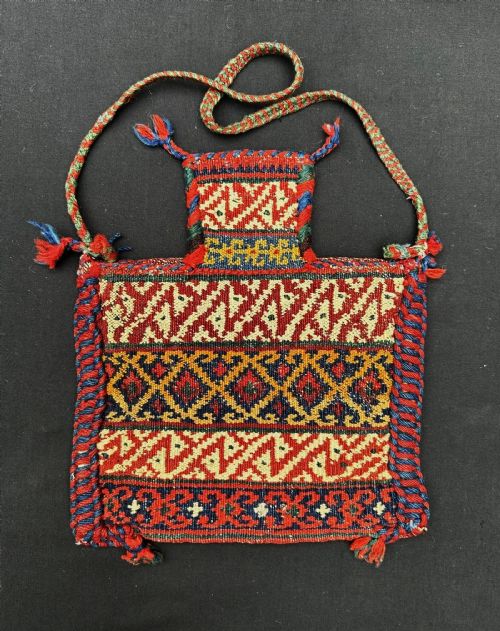
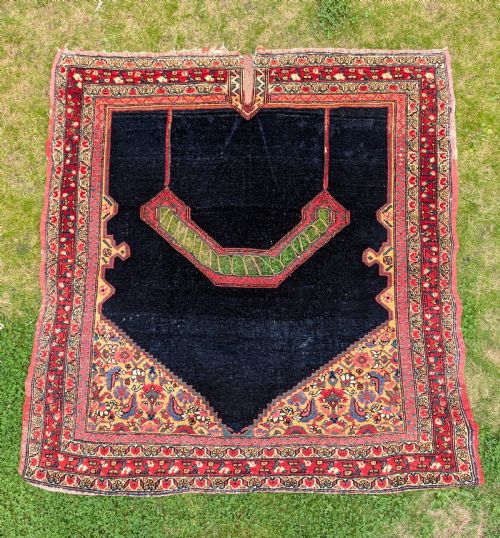
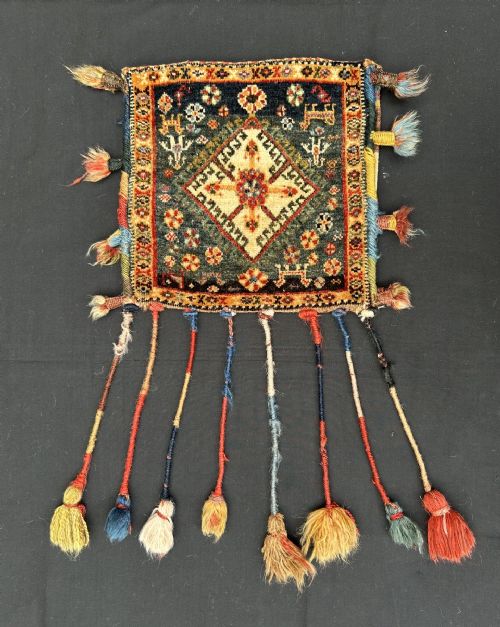
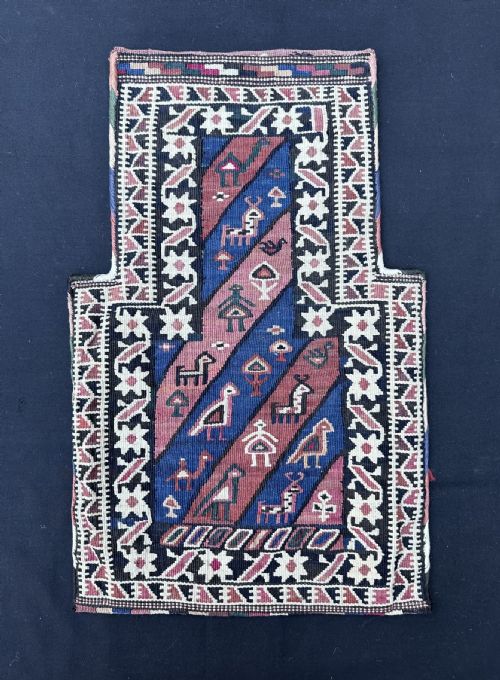
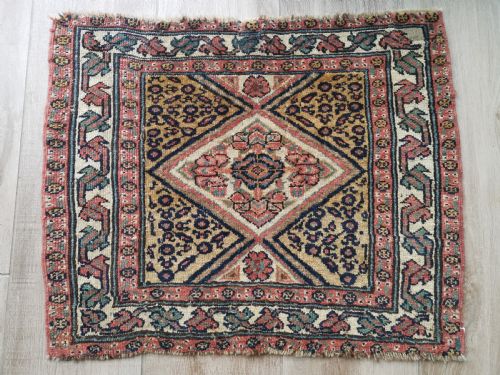
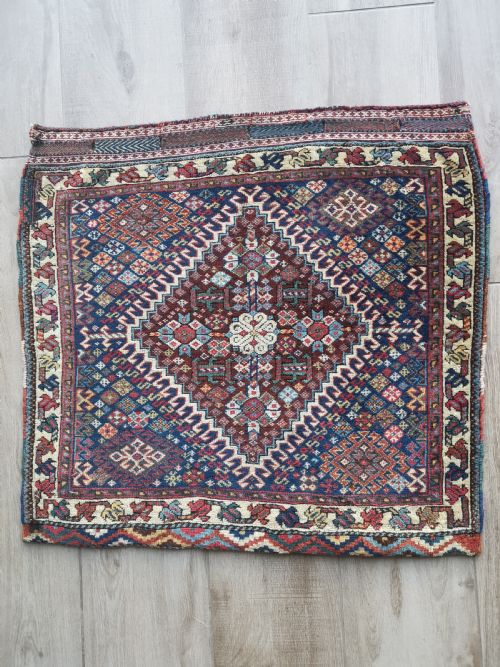
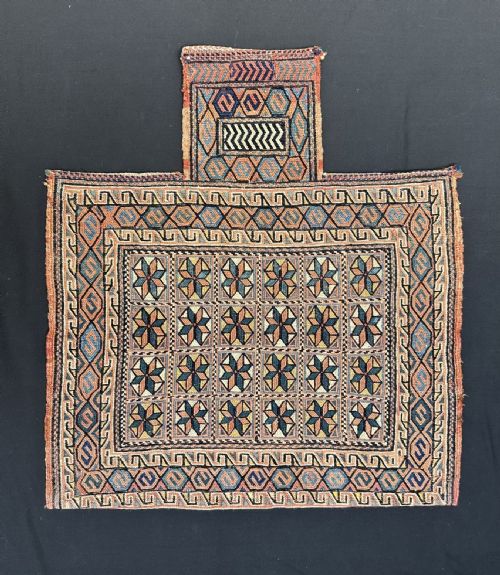
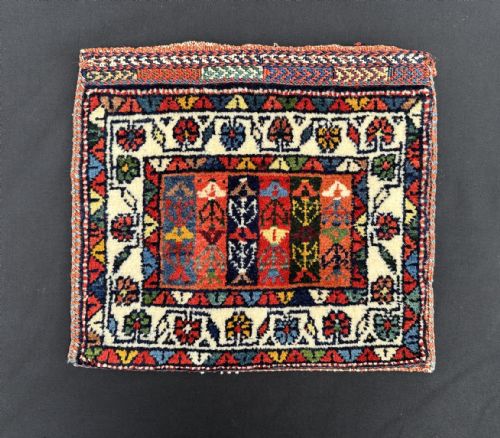
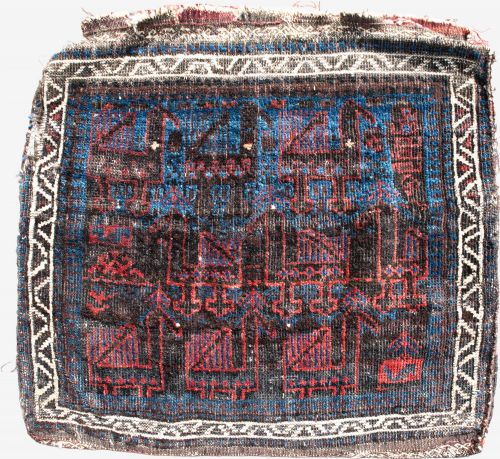
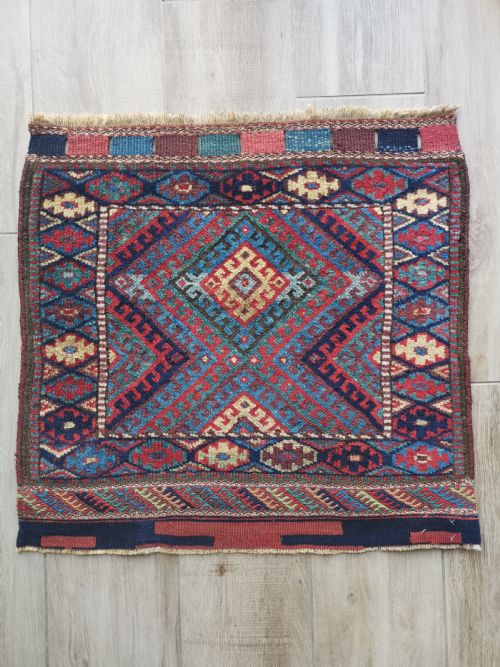
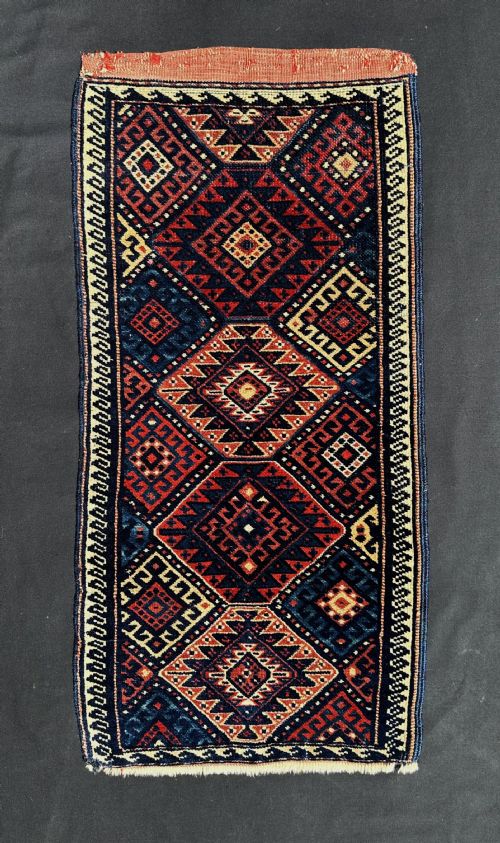
When you examine a persian rug wall hanging, you are typically looking at utilitarian tribal textiles such as saddle bags, salt bags, vanity bags, and sofreh bread cloths rather than conventional floor carpets. These items originate from nineteenth- and early-twentieth-century nomadic and village confederacies across Persia, including the Qashqa'i, Afshar, Bakhtiari, and Shahsavan.
How they were made
The materials rely predominantly on hand-spun wool and cotton foundations, paired frequently with natural dyes that yield deep, enduring tonalities. Certain specialty pieces incorporate silk thread and wool felt, particularly within the Rasht embroidery tradition.
Weaving techniques span pile structures, flatweaves such as sumac, and detailed surface needlework. Artisans constructed these items using local resources native to specific provinces like Kerman, Fars, and Khorassan.
Listings draw from nineteenth- and early-twentieth-century periods, utilising wool, cotton, silk, and felt materials.
What varies in quality
Quality rests upon the fineness of the weave, the complexity of the tribal iconography, and the integrity of the natural dyes. Pieces exhibiting dense knotting or precise needlework demonstrate superior technical execution by the weaver.
Condition and completeness also dictate distinction within the range. Intact bags, fully preserved sofreh bread cloths, and well-maintained embroideries retain greater historical legibility than fragmented panels.
The Persian Rug Wall Hanging Glossary
- Sofreh
- A spread or cloth used for dining or for handling bread dough during meal preparation. These textiles often feature minimalist geometric fields suited for flat display.
- Chanteh
- A small nomadic vanity bag or personal carrier. They are prized for compact, highly concentrated tribal designs.
- Khorjin
- A traditional pair of saddlebags designed for transport on pack animals. When opened flat, they form large rectangular surfaces ideal for hanging.
- Sumac
- A supplementary weft-wrapping technique that produces a durable, structurally distinct flatweave surface. It allows for crisp diagonal lines in tribal motifs.
- Rasht embroidery
- A traditional needlework style from northern Persia utilising couched silk threads and applique on wool felt. This technique creates vibrant pictorial panels.
Persian Rug Wall Hanging: Frequently Asked Questions
What is a persian rug wall hanging made of?
These pieces consist primarily of hand-spun wool, cotton foundations, and natural dyes sourced across various Persian provinces. Certain textile forms additionally incorporate silk thread and wool felt.
The specific combination depends on whether the item is a woven pile bagface, a flatwoven sofreh, or a needleworked embroidery panel.
How do I hang a textile safely?
Hanging requires distributing the weight evenly across the entire upper edge to prevent stress fractures in the aged foundation threads. Methods often involve conservation-grade Velcro stitching or custom fabric sleeves.
Direct mounting with nails or pins damages the historical fabric and should be strictly avoided.
Which tribes made these pieces?
The inventory records work from numerous nomadic and confederated groups, including the Qashqa'i, Afshar, Bakhtiari, Shahsavan, and Baluch. Each group utilised distinct colour palettes and geometric vocabularies.
Geographic origins span southern, western, and north-eastern regions of Persia.
How old are these textile items?
The available pieces date predominantly from the nineteenth and early twentieth centuries, spanning periods from roughly eighteen-fifty to nineteen-twenty.
Exact dating relies on stylistic analysis, material wear, and structural characteristics typical of specific tribal workshops.