


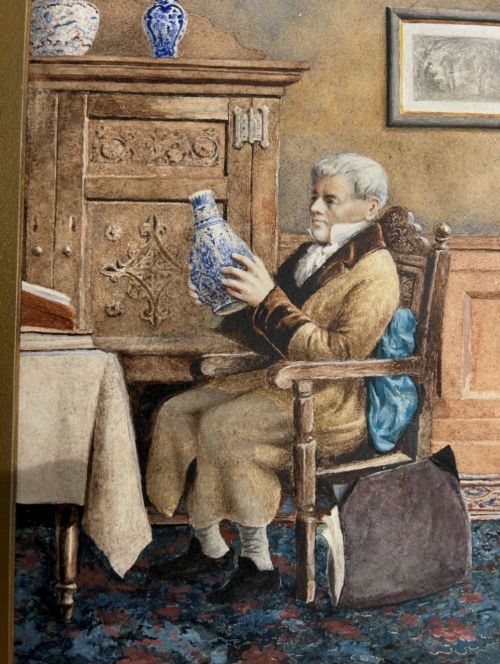
Antique Paper Portrait Artwork
Antique paper portrait artwork brings centuries of faces, silhouettes, and studies into rooms through ink, watercolour, and pastel.
Antique Paper Portrait Artwork
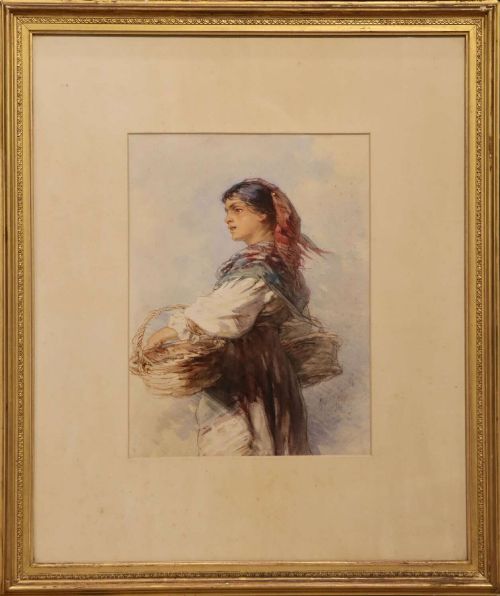
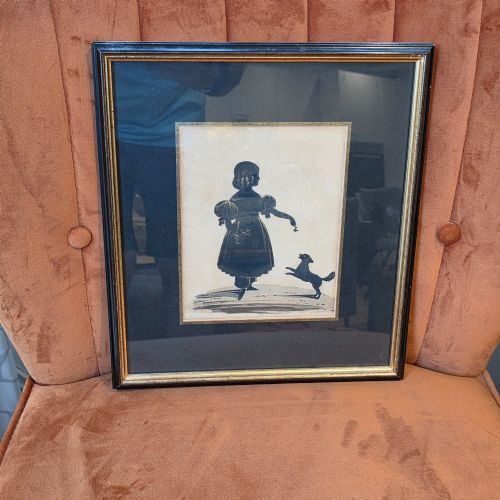
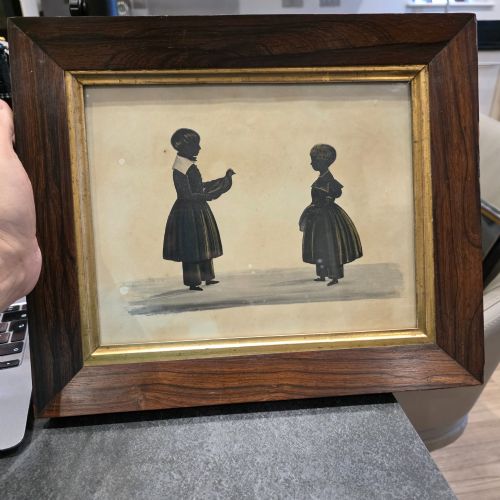
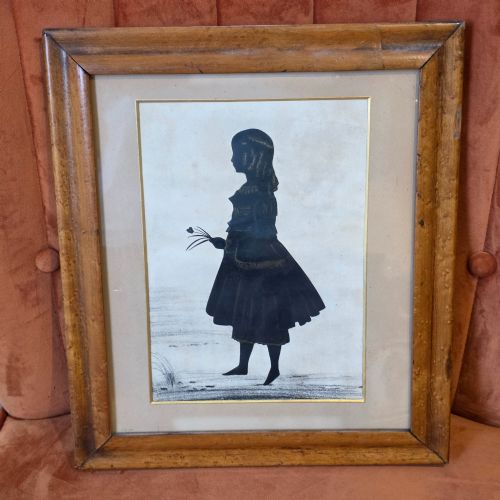
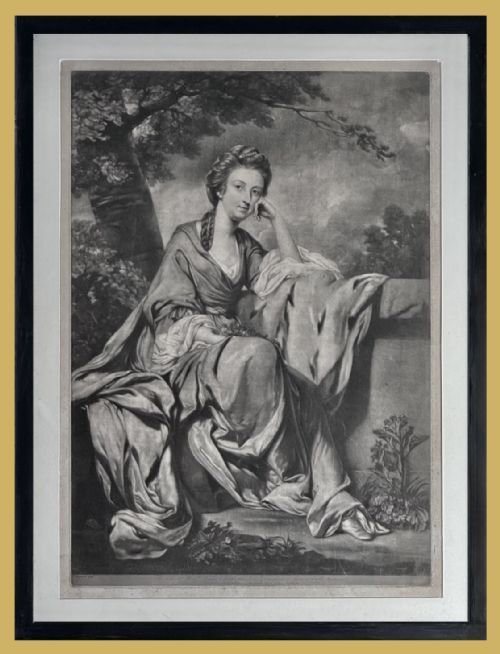
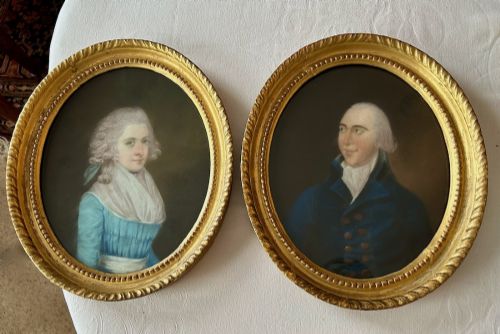
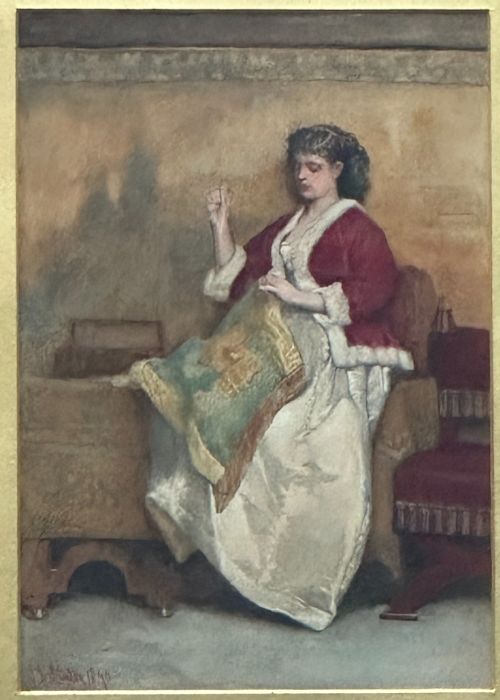
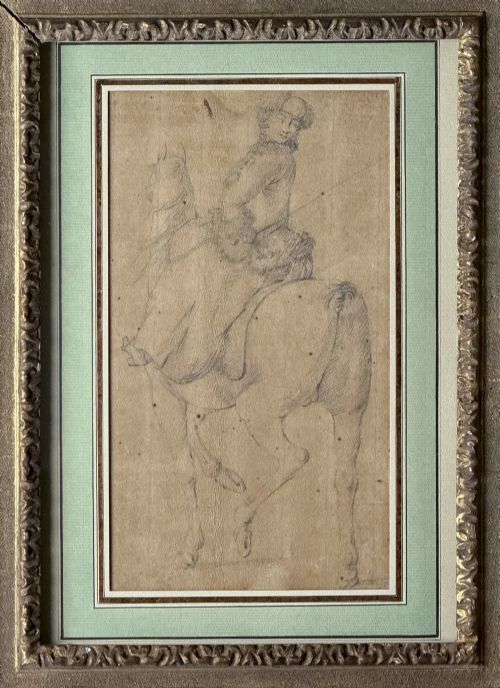
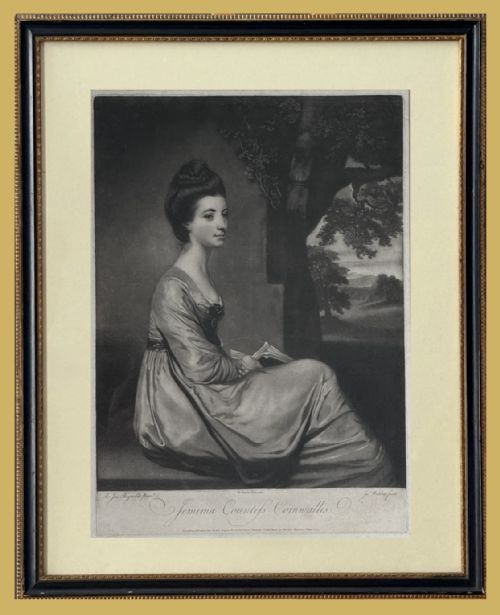
When buyers search for antique paper portrait artwork, they encounter everything from delicate cut-paper silhouettes to layered pastel studies and fine mezzotint engravings. The selection spans the eighteenth and nineteenth centuries, featuring Georgian, Regency, and Victorian subjects rendered on paper and framed behind glass.
Most pieces on this page lean towards British and European portraiture, taking the form of framed drawings, watercolours, and early print editions. Gentlemen, ladies, children, and historical figures emerge from the flat surface through the precise hands of past artists and printmakers.
How these works were created
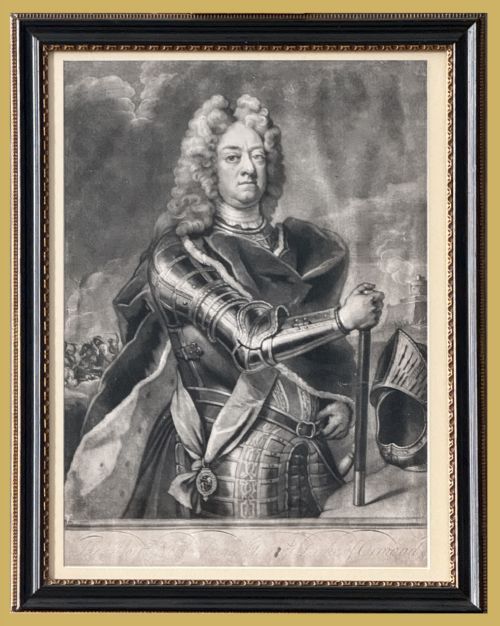
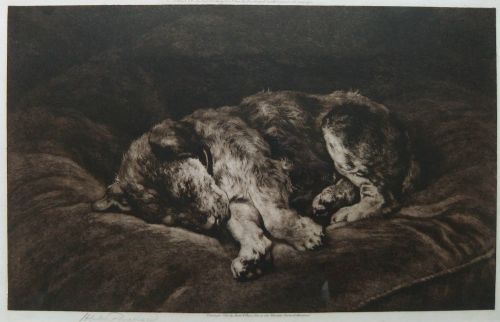
Printmakers employed copper plates to produce mezzotints and engravings, transferring inked images onto paper with heavy pressure. Framed works were then set beneath protective glass within timber frames, sometimes finished with gilded accents.
The listings span from the seventeenth century through the Georgian, Regency, and Victorian eras into the nineteen-sixties, utilising paper, ink, watercolour, and pastel.
What separates works within this range
Quality rests upon the sureness of the hand behind the ink line, the delicacy of the pastel blending, or the crispness of a mezzotint strike from the copper plate. Early cut-paper silhouettes show varying degrees of precision in the scissors work, distinguishing a hurried profile from a masterly likeness.
The survival of the paper sheet itself dictates much of the standing, alongside the strength of the original attribution to a known artist or school. Original framing and the preservation of pigment vibrancy without excessive fading elevate individual examples.
John Simon·Michael Dahl·William James Hubard·Edward Fisher·Sir Joshua Reynolds·John Smith·G. Kneller·James Watson·Thomas John Horsley·Herskind·John Russell·Thomas Watson·Francois Boucher·Augustin Edouart·Augustus John·Robert Williams·Sir Peter Lely·Valentine Green·Maria Hadfield Cosway·James MacArdell·Jacobus Howbraken·Sir Godfrey Kneller·Adam Buck·Carl Haag
The Antique Paper Portrait Artwork Glossary
- Mezzotint
- A printmaking process where the copper plate is roughened to produce dark tones, and scraped to create lighter areas. This technique allows for rich tonal gradations in portraiture.
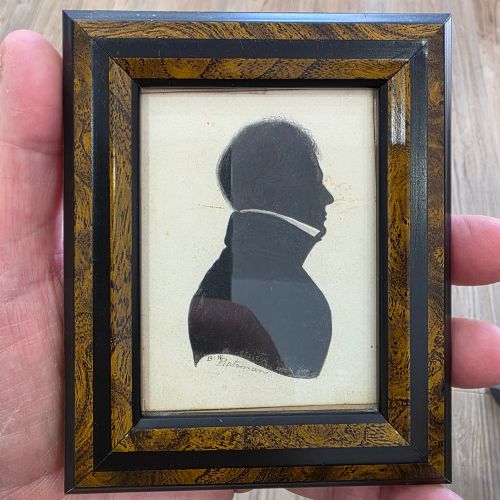
- Silhouette
- A portrait cut from dark paper or painted in profile, popular for capturing likenesses before photography. The form often includes highlights in gold leaf or watercolour.
- Gouache
- An opaque water-based paint that provides solid, flat areas of colour on paper. It frequently appears alongside watercolour and pencil in nineteenth-century drawings.
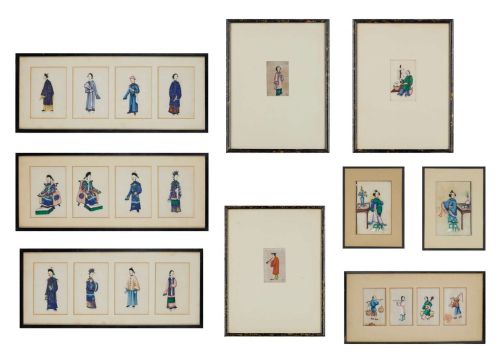
- Pith painting
- Watercolours painted on the spongy cellular pith of the Tetrapanax papyrifer plant, common in nineteenth-century export art from China.
Antique Paper Portrait Artwork: Frequently Asked Questions
How do I identify a cut-paper silhouette?
Cut-paper silhouettes consist of dark paper profiles mounted against a lighter background, sometimes enhanced with delicate brushwork in gold leaf or watercolour. Close inspection reveals the physical edges of the cut paper where the profile meets the backing sheet.
Many examples from the nineteenth century are housed in original wooden frames behind glass, occasionally bearing signatures or gallery labels on the reverse.
How should I care for works on paper?
Paper portrait artwork requires protection from direct sunlight to prevent the fading of watercolours, pastels, and inks. Keeping pieces away from moisture and sudden temperature changes safeguards the paper support and framing.
Glazing protects the surface from dust and handling, while professional framing ensures the artwork does not touch the glass directly.
How are periods distinguished in these portraits?
Stylistic shifts in costume, hair, and framing help assign periods to unsigned works, alongside any recorded dates or artist signatures. Eighteenth-century examples often display powdered wigs and formal attire, while Regency and Victorian pieces show evolving fashions and distinct framing materials.
Paper types and printing techniques also offer clear indicators of the era in which the artwork was produced.