


Victorian Portrait Drawing
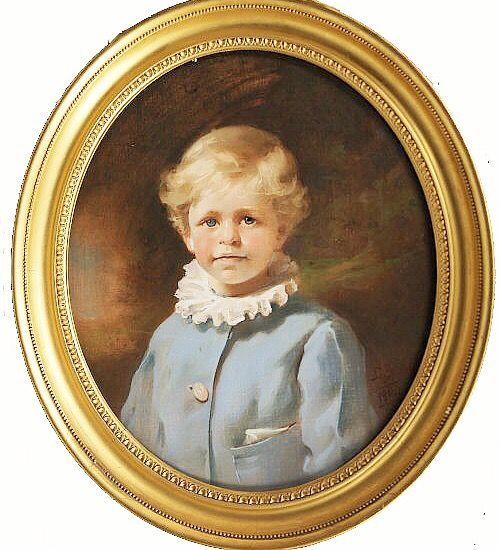
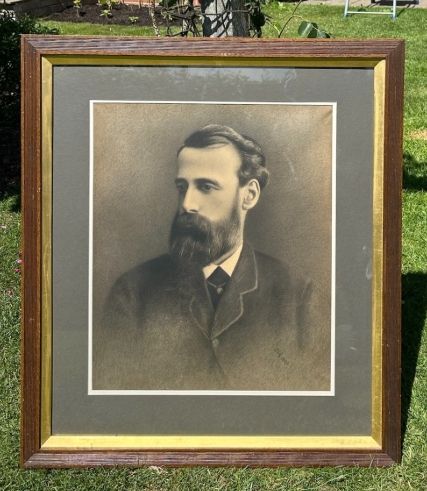
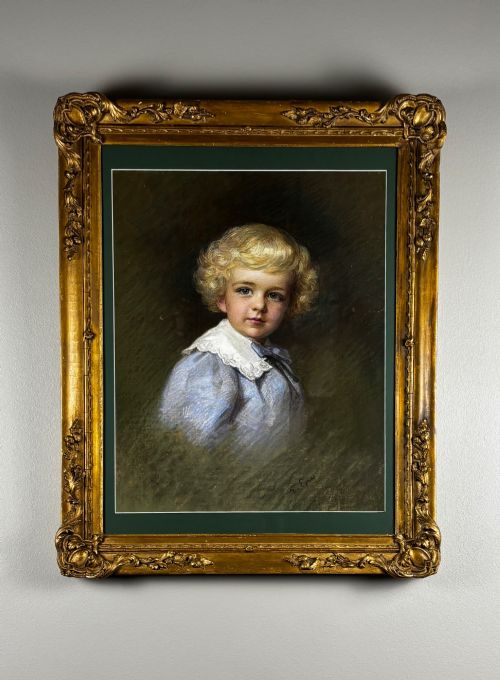
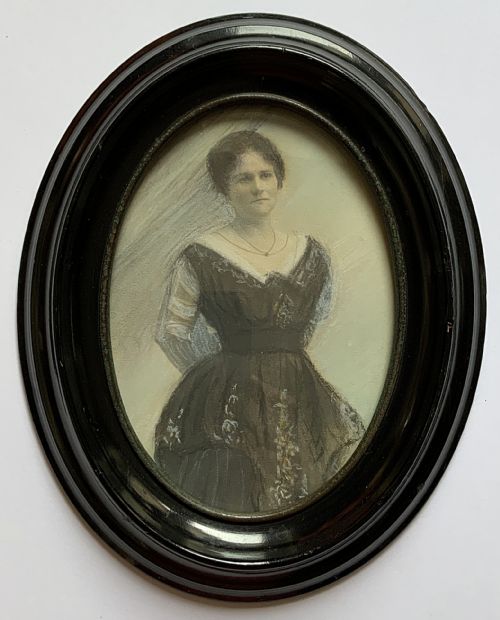
These pieces are a victorian portrait drawing, capturing figures in charcoal, pastel, and pencil for the wall.
Victorian Portrait Drawing
A victorian portrait drawing records likenesses of sitters from the nineteenth century, executed on paper or canvas. These works take the form of framed wall art, often presented behind glass in wooden or gilt gesso frames.
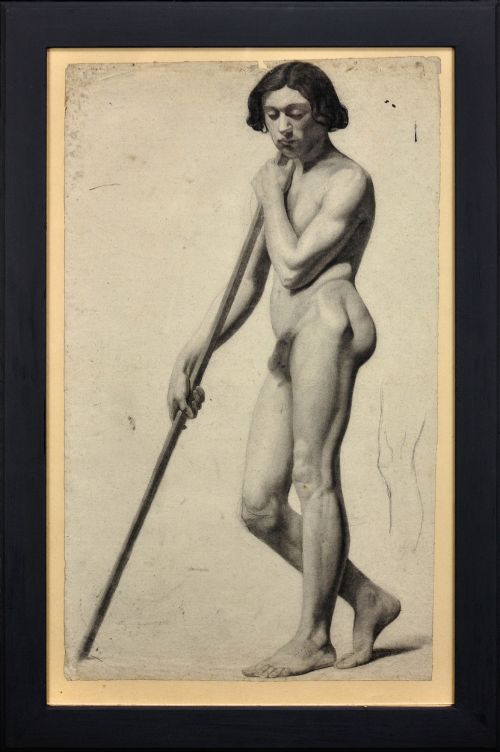
The selections on this page span the Victorian and Edwardian periods, including academic life studies and informal sketches. Subjects range from gentlemen and children with their dogs to literary figures and historical personages.
Originating largely from British and French schools, these pieces demonstrate the varied techniques utilised by portraitists of the era. Buyers encounter both intimate pencil studies and large-scale pastel works.
How They Were Made
Artists built these images using dry media such as charcoal, graphite, chalk, and pastel applied to paper or canvas supports. Pencil and graphite provided fine lines for facial structures, whilst pastel and chalk introduced colour and soft shading.
Watercolour frequently combined with pastel or pencil to add depth and tone to the composition. Finished works were secured within wooden and gilded frames, often protected behind glass to preserve the fragile media.
The listings include materials such as paper, glass, wood, pastel, charcoal, watercolour, chalk, and graphite across the nineteenth and early twentieth centuries.
What Varies in Quality
Quality rests upon the draughtsmanship and the artist's ability to capture the psychological depth of the sitter. Skilled handling of anatomy and expression distinguishes a professional life study from a simpler sketch.
The preservation of the paper and the vibrancy of the dry media dictate the condition of the piece over time. Original frames matching the period also influence the integrity of the artwork.
Leon Sprinck·Emily Eyres·Henry Arthur Roberts·J Bizo·Sir Edwin Landseer·Theobald Chartran·Josiah Gilbert·John Parry·Baden Powell·George Richmond·Alexander Melville·Sir William Charles Ross
The Victorian Portrait Drawing Glossary
- Pastel
- A medium consisting of powdered pigment and a binder, yielding matte colour applied directly to paper or canvas. Artists utilised this for rich portraits.
- Academic Realism
- A style of painting and drawing produced under the influence of European academies, prioritising accurate anatomy and academic life studies. These works show strict adherence to traditional training.
- Gesso
- A plaster mix applied to wood frames as a base for gilding. This material created ornate decorative borders around Victorian artwork.
- Graphite
- A form of carbon used to create pencil drawings with fine grey lines. It formed the basis of many nineteenth-century preparatory sketches.
Victorian Portrait Drawing: Frequently Asked Questions
How should I hang a victorian portrait drawing?
Protect fragile charcoal and pastel works from direct sunlight by placing them away from windows. Hang them securely on interior walls using proper picture hooks.
Keep them away from areas with high humidity to prevent damage to the paper and the wooden frame.
What subjects appear in these drawings?
Portraits depict a wide range of individuals, from gentlemen and ladies with their pets to prominent writers and historical figures. Academic life studies of male figures also occur.
Some pieces record specific sitters by name, whilst others remain anonymous studies from English and French schools.
Are these drawings original works?
The listings consist of original hand-drawn or hand-painted works executed in graphite, charcoal, chalk, pastel, and watercolour. Each piece represents a unique nineteenth-century creation.
Artists worked directly on paper or canvas, producing singular portraits rather than mass-produced prints.
How do I identify the period of a drawing?
Dates often appear within the titles, signatures, or associated documentation recorded by dealers. Costume, hair styling, and framing styles also offer clues to the decade of creation.
Nineteenth-century works typically display characteristic academic techniques and period framing materials.