


19th Century Portrait Sketch
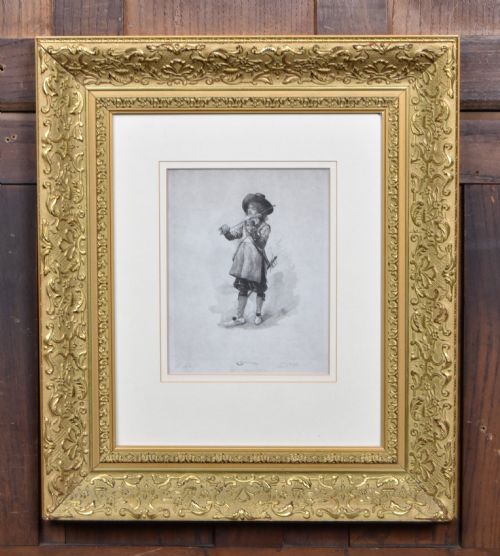
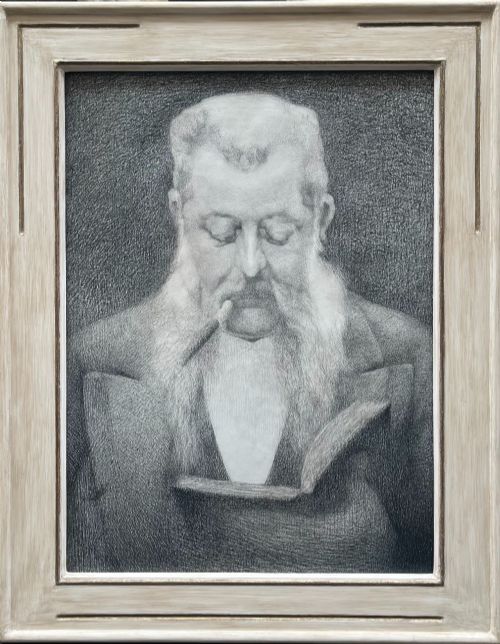
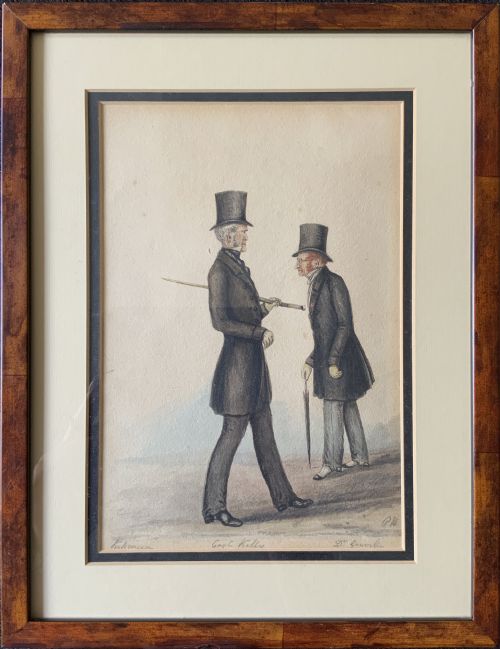
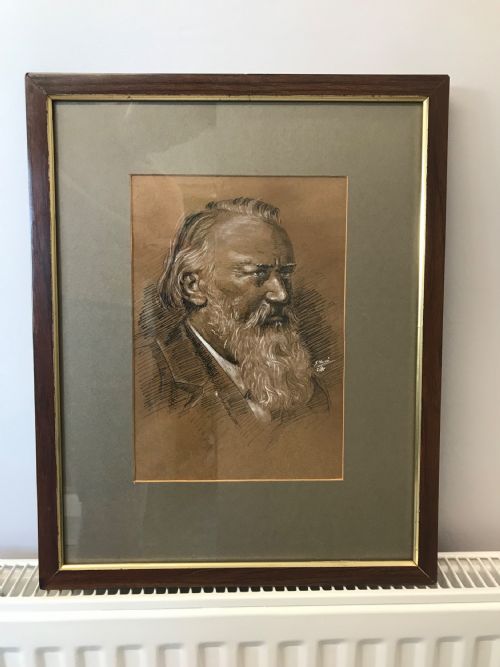
These 19th century portrait sketch examples capture faces from the past through direct, hand-drawn lines on paper.
19th Century Portrait Sketch
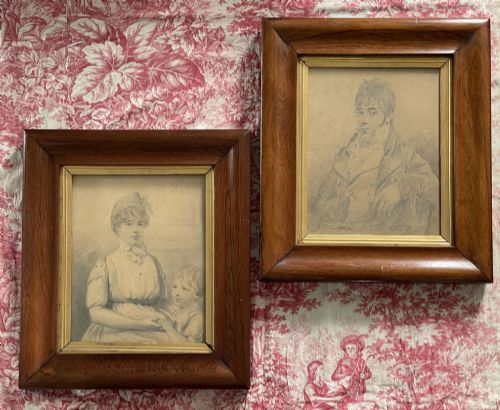
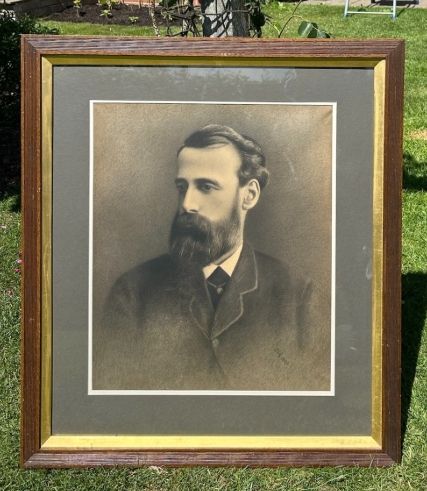
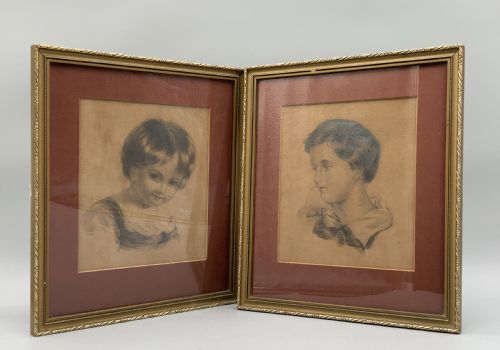
A 19th century portrait sketch captures the likeness of individuals from the 1800s down to the end of the Victorian era. These original works record sitters ranging from children and gentlemen to writers and public figures.
The selections available here include single studies, pairs, and occasional sets executed across the Regency and Victorian periods. Most examples present as framed drawings or paintings behind glass within period frames.
Originating from English and French schools primarily, the works span informal caricature, academic life studies, and finished portraiture. They offer direct insight into how people recorded appearance before the widespread use of photography.
Materials and techniques
Artists relied on dry media such as graphite, charcoal, chalk, and pencil applied directly to paper. These materials allowed for rapid observation and delicate shading.
Watercolour, pen ink wash, gouache, and pastel frequently supplement the dry lines to introduce colour or tonal depth. Glazing with glass protects these fragile organic materials within wood frames.
Listings feature paper works in graphite, charcoal, chalk, and watercolour across Regency and Victorian periods.
Variations in quality
The ability of the hand to render proportion, expression, and structural bone beneath skin dictates the artistic merit of each sheet. Strong draughtsmanship separates perceptive likenesses from stiff copies.
Preservation of the paper surface and the integrity of the media matter significantly. Intact framing, minimal foxing, and strong contrast elevate certain examples above faded or heavily damaged sheets.
Henry Arthur Roberts·Theobald Chartran·Henri Josephe Hesse·George Richmond·Sir William Charles Ross
The 19th Century Portrait Sketch Glossary
- Graphite
- A form of carbon used for drawing, commonly known as pencil lead. It produces fine grey lines and smooth tonal gradients.
- Charcoal
- Burned organic material that creates dense, dark black marks with soft edges. It allows for dramatic shadows and rapid sketching.
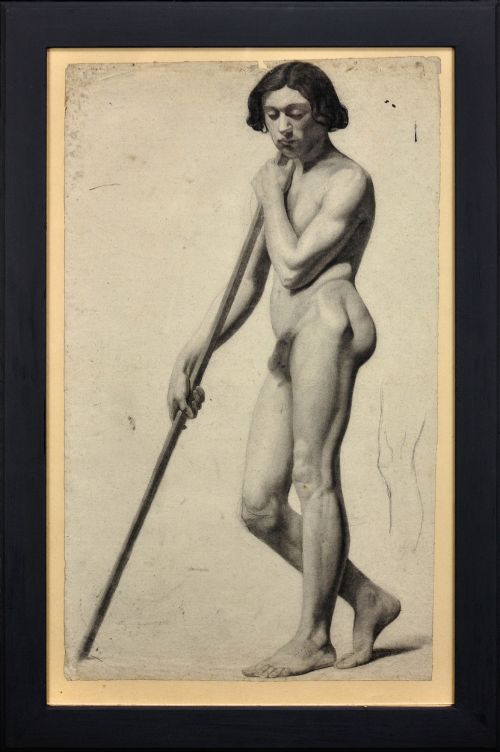
- Academic life study
- A drawing made from a live model, often a nude figure, executed as part of formal artistic training. These exercises emphasise anatomical accuracy and proportion.
- Gouache
- An opaque water-based paint that provides solid areas of colour. It is often layered over pencil or ink to highlight details.
- Foxing
- Brown spots or discoloration on older paper caused by chemical reactions over time. It is a common feature of nineteenth-century paper goods.
19th Century Portrait Sketch: Frequently Asked Questions
How should I frame and display these drawings?
Drawings on paper require protection from direct sunlight to prevent the ink and pigments from fading. Framing behind glass with acid-free backing preserves the paper over time.
Keep them in rooms with stable humidity levels to avoid warping the wood frames or damaging the delicate surface media.
How can I tell the period of a sketch?
Clothing, hairstyles, and framing styles offer primary clues to the date of execution. Regency pieces display distinct attire from later Victorian or 1890s works.
Signatures, inscriptions, and artist records provide further documentation for dating specific sheets. Paper types and watermark evidence also help establish the era.
Were these sketches meant to be finished art?
Some pieces served as quick preparatory studies for larger oil paintings, while others were complete works intended as keepsakes. Academic life studies functioned as training exercises for student artists.
Caricatures and portrait drawings often existed independently as portable records of friends, public figures, or family members.