

Antique Painted Tray
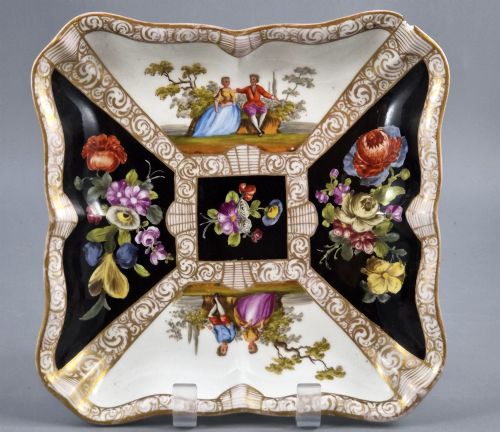
An antique painted tray brings hand-rendered botanical motifs, gilt highlights and historical scenes directly to a room, functioning as a decorative centrepiece or a repurposed table.
Antique Painted Tray
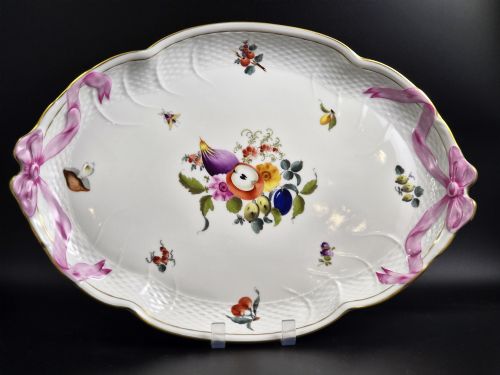
An antique painted tray encompasses functional serving pieces and decorative surfaces created across the eighteenth, nineteenth and early twentieth centuries. Surviving examples reflect periods including the Georgian and Victorian eras, alongside Regency, Chinoiserie and Rococo Revival design movements.
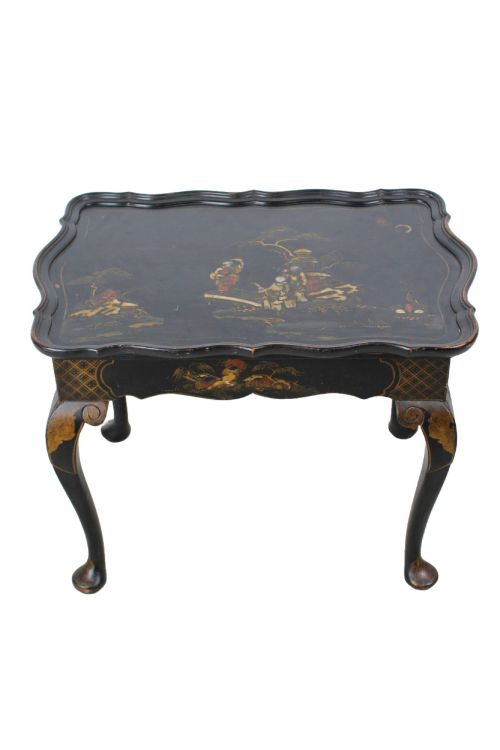
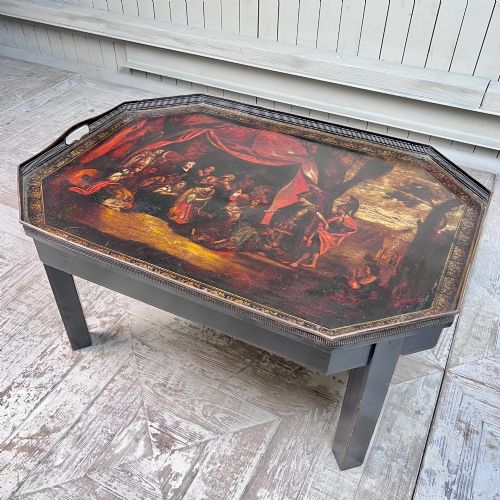
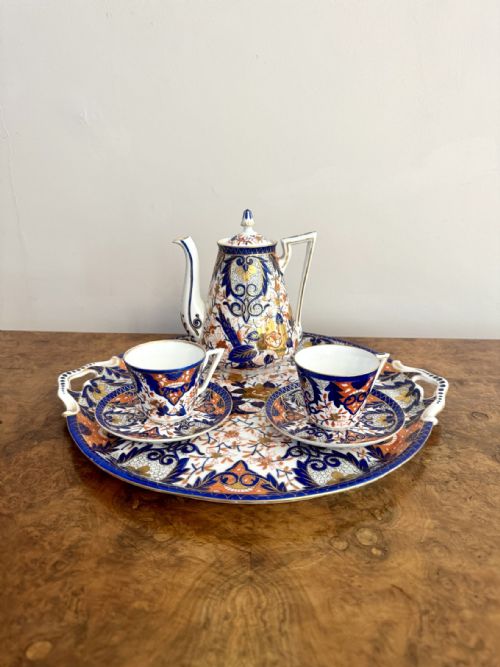
Papier-mâché and toleware form the most common foundational substrates for these pieces, alongside wood and various ceramics. Formats span deep serving dishes, octagonal plates, card baskets and waiter trays, frequently mounted onto custom stands to function as occasional furniture.
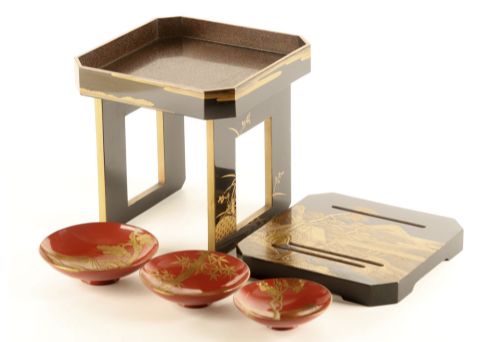
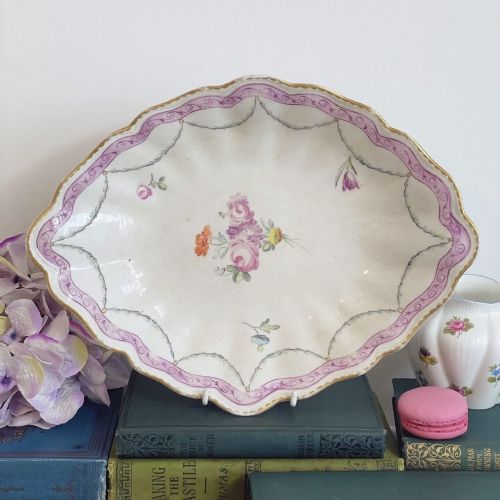
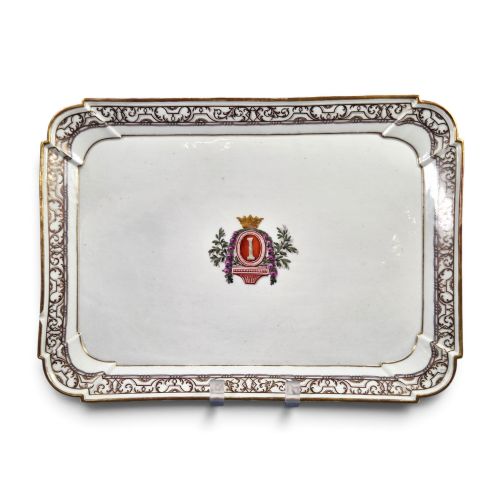
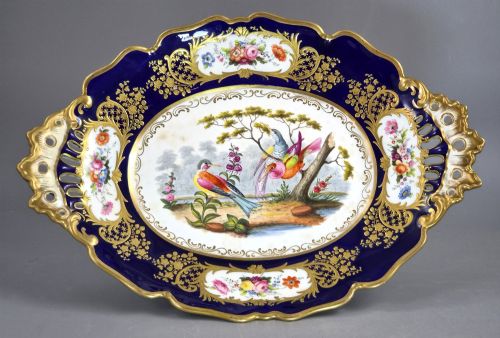
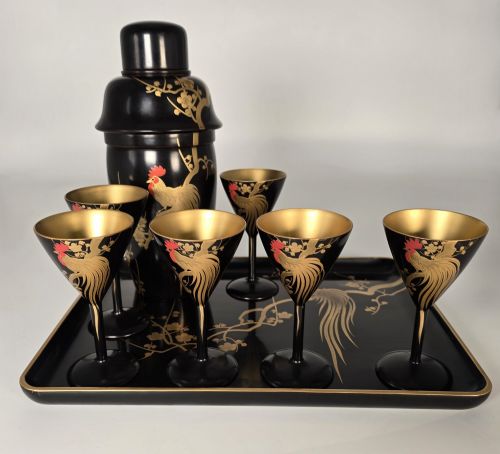
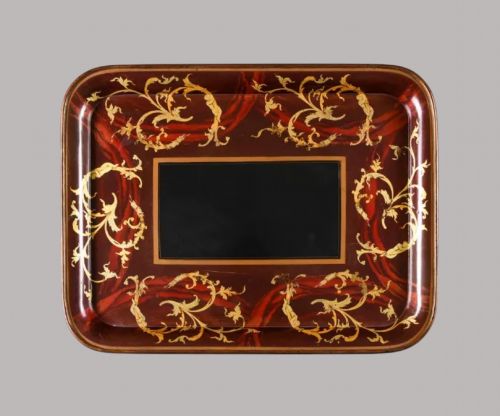
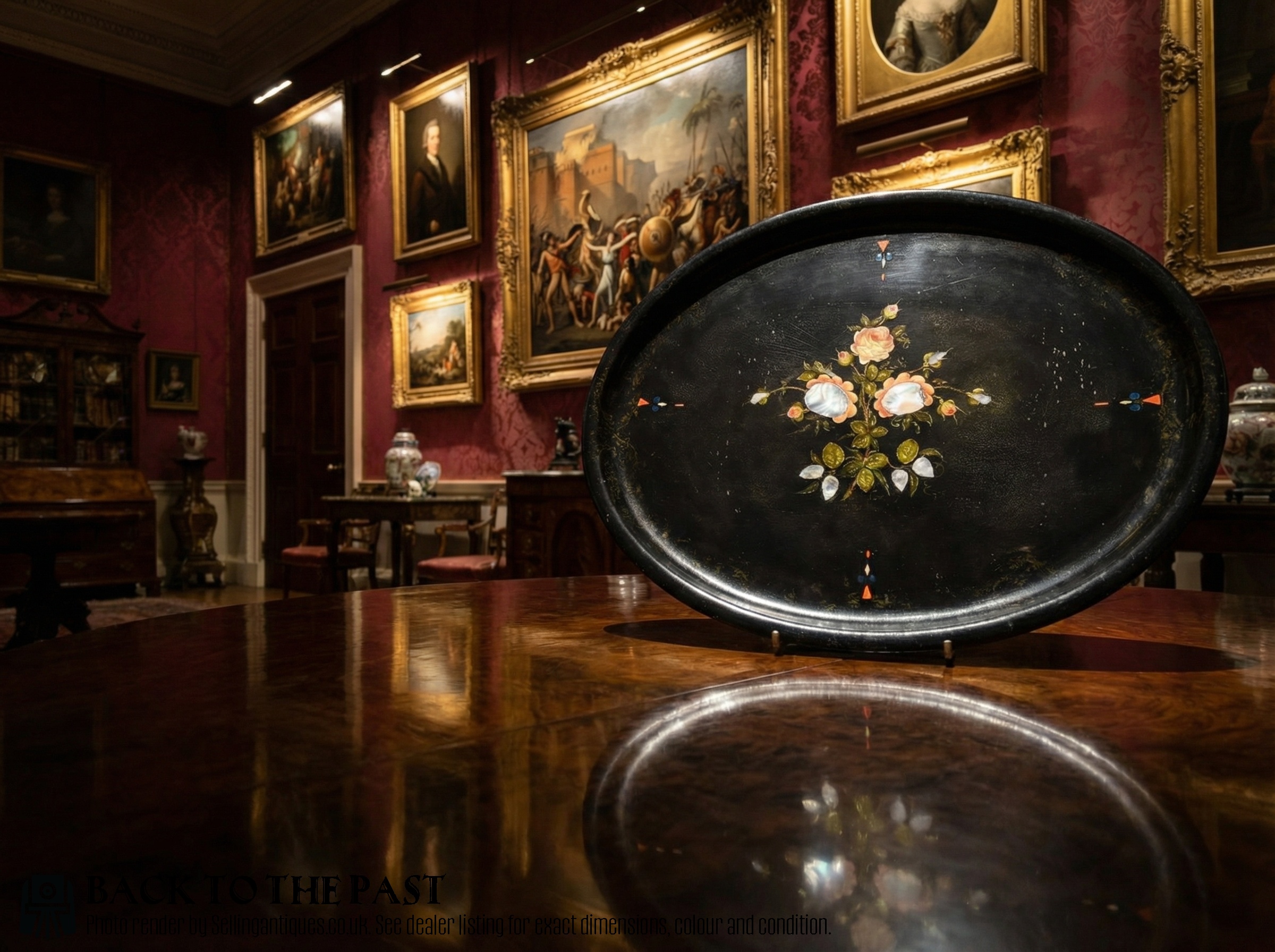
The decorative schemes applied to these items range from intricate floral compositions and ornithological studies to historical tableaux and landscape views. Makers utilised hand-applied pigments, gold leaf and lacquer finishes to build rich surfaces that retain their original character.
How they were made
Papier-mâché trays required layers of paper pasted together, compressed, and baked to form a rigid blank before receiving black japanning and hand-painted details. Toleware items utilised shaped sheet metal coated in tin and finished with protective dark varnish or opaque paint layers.
Artisans applied polychrome pigments and gold leaf by hand, sometimes incorporating mother-of-pearl inlay into the surface design before sealing the lacquer. Wood supports and porcelain bodies were similarly decorated using traditional kiln-fired enamels and hand-brushing techniques.
What varies in quality
The standard of an antique painted tray depends heavily upon the precision and complexity of its hand-rendered decoration. Pieces bearing finely detailed portraits, botanical accuracy or elaborate Chinoiserie motifs sit higher in the tier than those with generic, repetitive stamping or minimal border work.
The integrity of the underlying material dictates longevity, particularly with papier-mâché and toleware surfaces that are susceptible to warping, flaking or rust. Surviving items that retain their original japanning, uncompromised gilt highlights and authentic mounting stands command greater historical interest.
Coalport·Meissen·Royal Worcester·Coalbrookdale·Copeland and Garrett
The Antique Painted Tray Glossary
- Papier-mâché
- A composite material made from paper pulp or sheets of paper mixed with glue, moulded under pressure, and dried until rigid. This substance provided a lightweight yet durable base for Regency and Victorian serving trays.
- Toleware
- Lacquered or enamelled sheet metal items produced extensively during the eighteenth and nineteenth centuries. The metal base received multiple coats of paint and protective varnish to create a dark, glossy surface.
- Japanning
- A European imitation of East Asian lacquerwork achieved through the application of heat-dried varnishes and dark enamels. This technique created the deep, reflective black grounds characteristic of many nineteenth-century pieces.
- Chinoiserie
- A European artistic style reflecting Chinese aesthetic influences, featuring whimsical landscapes, pagodas, and exotic birds. This motif appeared frequently on papier-mâché and wood surfaces during the Georgian and Victorian periods.
- Polychrome
- Multi-coloured decoration applied to ceramics, metal or wood using various pigments. The term describes items painted in several distinct hues rather than a single monochromatic tone.
Antique Painted Tray: Frequently Asked Questions
What were antique painted trays used for?
These items served primarily for carrying tea sets, serving dishes or wine glasses in formal households. They were also utilised as decorative card baskets or letter trays on parlour tables.
Over time, many surviving specimens were fitted with folding wooden bases to convert them into permanent occasional tables or coffee tables.
How do I clean an antique painted tray?
Maintenance requires only a soft, dry cloth to remove dust from the surface. Moisture, harsh detergents and abrasive cleaning tools must be avoided to protect the delicate paint layers and gold leaf.
Water can penetrate crazed varnish or weaken papier-mâché bases, leading to permanent lifting of the decorative layers.
How can I tell papier-mâché from metal?
Papier-mâché feels warm to the touch and has a slightly fibrous weight compared to sheet metal. Toleware is colder and reacts differently to light, often revealing iron corrosion where the paint has chipped away.
Gentle tapping provides another clue, as pressed paper produces a duller sound than coated tin or iron.
Are these trays suitable for daily use?
Original pieces are best treated as display objects or gentle decorative surfaces rather than heavy-use kitchenware. Heat, moisture and friction from daily dining wear down the historical lacquer and hand-painted details.
Placing felt pads beneath items resting on the surface helps prevent scratching the aged finish.