
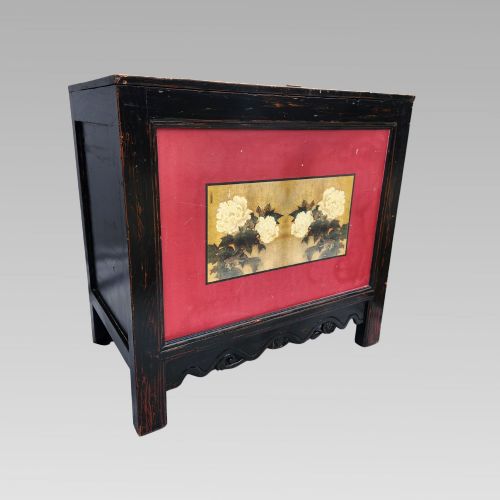


Antique Painted Blanket Chest
An antique painted blanket chest brings practical storage and regional folk artistry together, offering durable pine and pigment decorated across centuries.

Antique Painted Blanket Chest
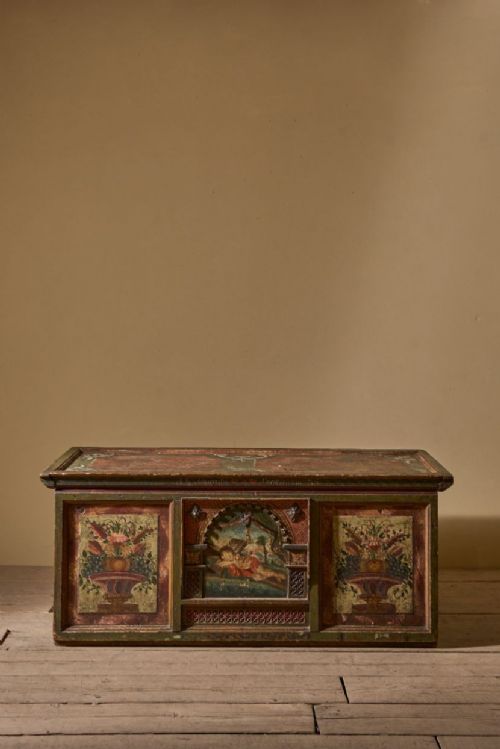
An antique painted blanket chest provides robust household storage through hinged lids and deep interior wells designed for linens, clothing, and domestic goods. The pieces appearing here span centuries from the Georgian and Regency eras through the Victorian period and into the early twentieth century, showing origins across Britain, Sweden, Hungary, China, and the wider European continent.
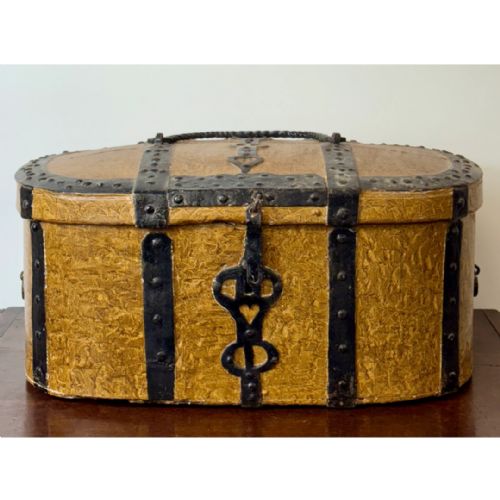
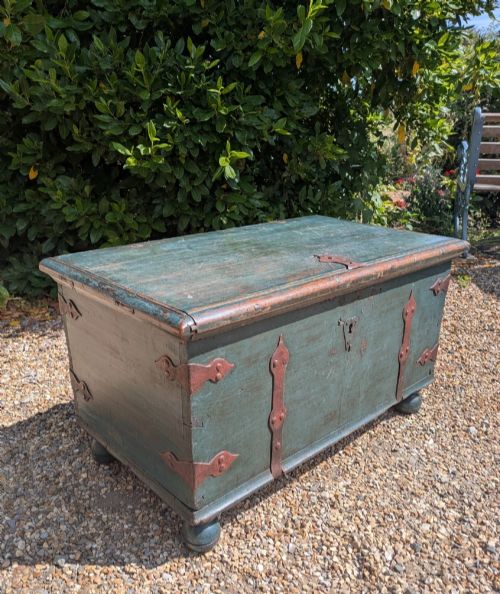
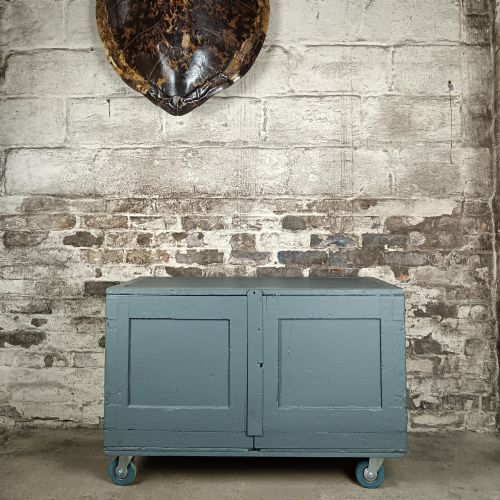
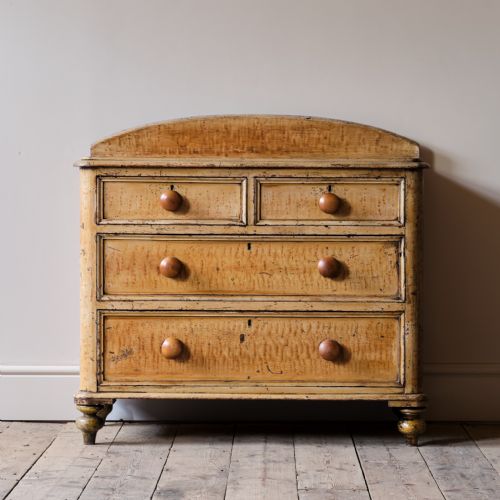
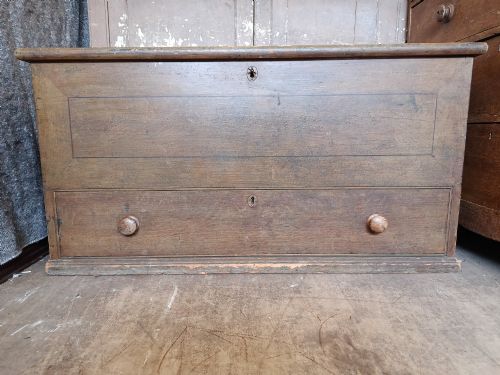
Buyers meet varied forms ranging from heavy marriage chests and mule chests fitted with bottom drawers to travel trunks, campaign chests, and rustic country boxes. Pine forms the primary wooden body of these pieces, frequently enhanced by hand-applied pigments, scumble glazes, floral motifs, and lacquered finishes.
Regional styles dominate the selection, encompassing Scandinavian country pieces, European folk art, Chinese export lacquer, and Victorian maritime or domestic designs. These storage items served practical daily functions in homes, on travels, or during maritime voyages before surviving as decorative focal points in modern interiors.
Materials and construction methods
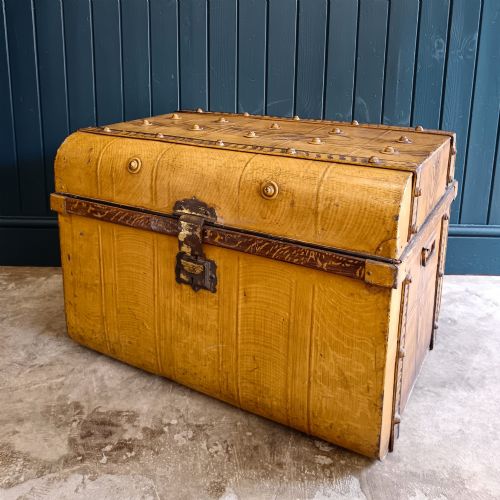
Makers built the structural carcases primarily from solid pine, joining panels with dovetails or simple pegged joints to withstand heavy domestic use and transport. Lids frequently feature sturdy hinges, while larger marriage chests and travel trunks incorporate hand-forged iron strapwork, brass corners, or metal bracing for added resilience.
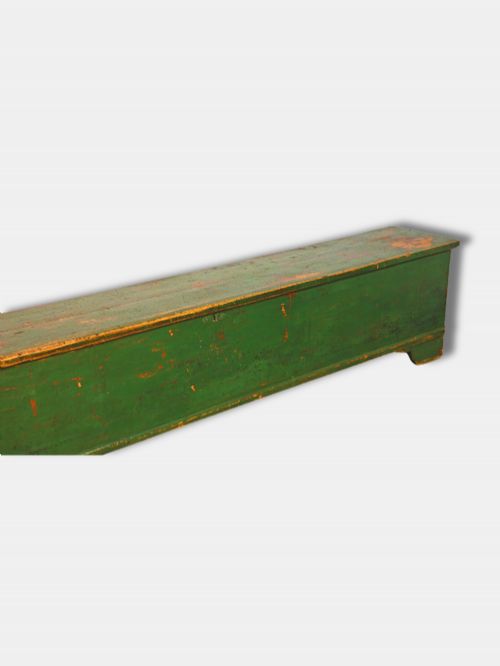
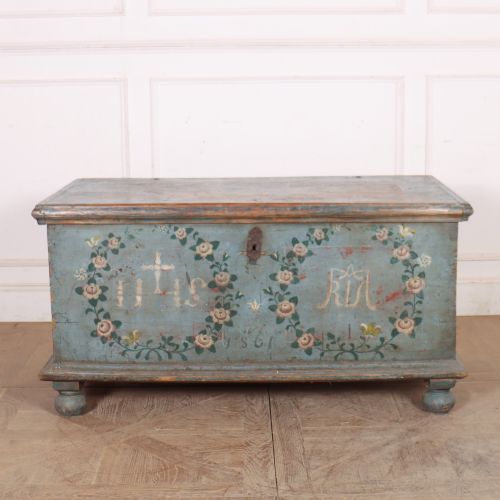
Surfaces received layers of pigment, plant-based oils, or lacquer applied directly to the wood to protect the substrate and provide decorative colour. Artisans painted floral patterns, scumble grain effects, or Chinoiserie motifs by hand, leaving brush marks and surface variations that document historical workshop practices.
The listings on this site span the Georgian, Regency, and Victorian periods, with materials ranging from pine and wrought iron to lacquer and pigment.
Factors that distinguish individual pieces
Quality rests significantly on the survival of original surface paintwork and decorative pigment rather than later repainting or stripping. Pieces retain greater character when the primary decorative scheme, whether folk floral motifs or scumble glaze, remains largely undisturbed by modern restoration.
The sophistication of regional craftsmanship and ironmongery separates standard utility boxes from high-status marriage chests or specialised campaign pieces. Hand-forged strapwork, dovetailed carcase construction, and well-executed stylistic details indicate superior workshop output from periods such as the Georgian and Regency eras.
The Antique Painted Blanket Chest Glossary
- Mule chest
- A storage chest fitted with one or more drawers beneath the main internal compartment. This form bridges the traditional blanket box and the chest of drawers.
- Scumble pine
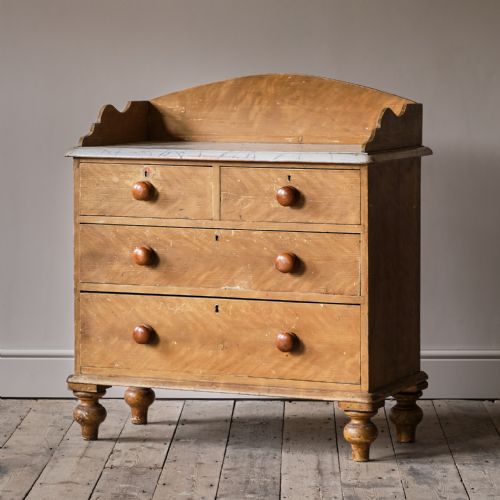
- Pine treated with a translucent glaze manipulated with combs, brushes, or rags while wet to imitate finer wood grains or create patterned textures. This technique was popular on nineteenth-century domestic furniture.
- Marriage chest
- A decorative storage trunk commissioned or given to celebrate a wedding, frequently inscribed with dates and initials. These pieces display distinct regional folk art styles.
- Strapwork
- Metal bands or strips of iron fixed across the corners and panels of a chest to reinforce joints and protect edges. Hand-forged examples are typical on older travel and storage trunks.
- Chinoiserie
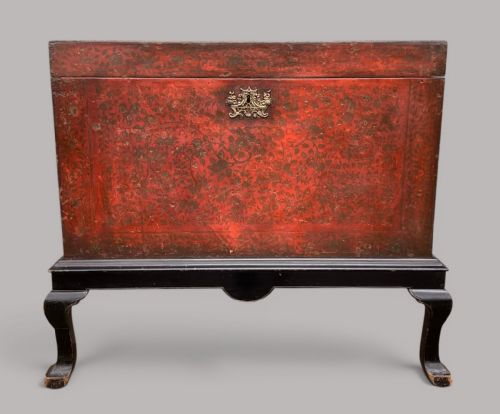
- European decorative motifs inspired by Chinese art and lacquerware, featuring landscapes, figures, and floral arrangements. This style appears on imported and domestic storage chests from the eighteenth century onward.
Antique Painted Blanket Chest: Frequently Asked Questions
What were antique painted blanket chests used for?
Households utilised these deep chests to store heavy woollen blankets, bed linens, garments, and personal valuables safe from dust and pests. Their sturdy construction also allowed them to double as benches or tables within smaller rooms.
Travellers and military officers later employed reinforced variants for transporting personal equipment during journeys. Over time, their primary function shifted from utilitarian storage to decorative display within domestic interiors.
How do I care for original paint on pine?
Protect fragile pigmented surfaces by positioning the chest away from direct sunlight and maintaining stable indoor humidity levels. Dust the exterior gently with a dry, soft cloth without applying modern liquid polishes or chemical cleaners.
Avoid placing damp items directly onto painted wooden surfaces to prevent lifting the historic finish. Gentle care preserves the underlying scumble glazes and hand-painted details for future decades.
Where were these painted chests made?
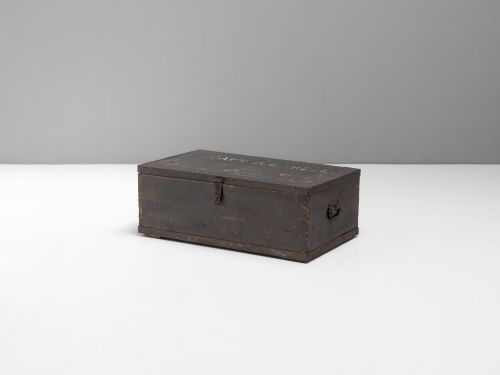
Many examples originate from rural European regions including Sweden, Hungary, and Alpine districts where local folk art traditions flourished. British workshops also produced significant quantities of painted pine blanket boxes and estate-made tool chests.
Additionally, trade routes brought lacquered and decorated trunks from China and India to Western markets. Each geographic origin imparted distinct stylistic traits to the construction and decoration of the box.
How do I date an antique painted chest?
Examine the construction methods, such as hand-cut dovetails, forged iron hinges, and the type of fixings used to join the carcase boards. Older pieces from the Georgian era often display heavier timber sections and simpler, robust joinery compared to later Victorian items.
Paint analysis and stylistic indicators like regional folk motifs or nineteenth-century scumble finishes help narrow the period of manufacture. Examining the wear patterns around handles and keyholes provides further clues to the age of the piece.