
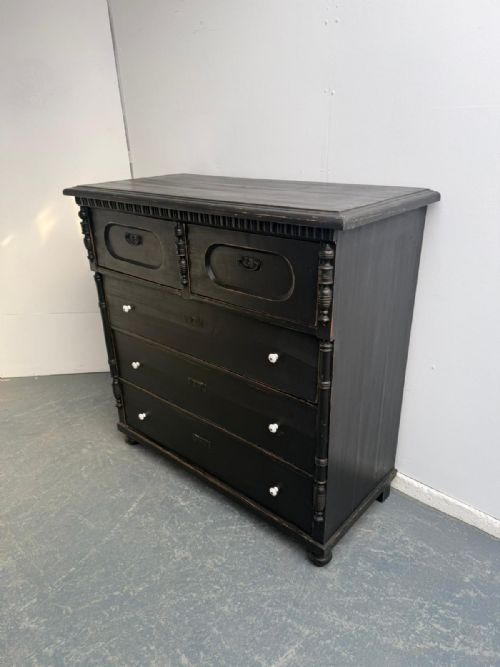


Black Painted Wooden Chest
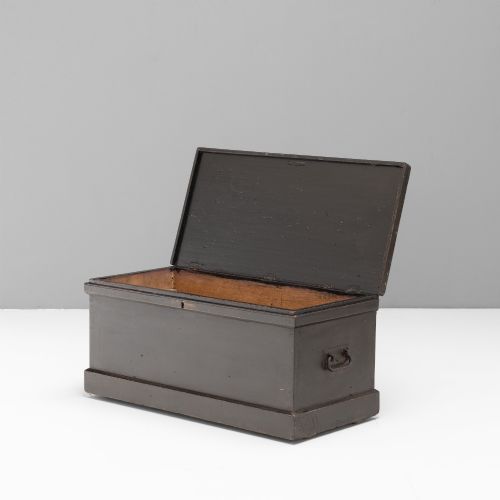
A black painted wooden chest offers sturdy storage combined with the character of aged surfaces, making it a practical choice for any interior.

Black Painted Wooden Chest
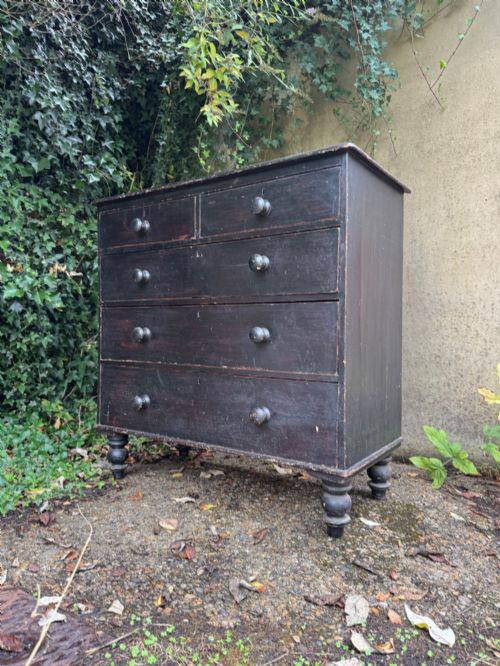
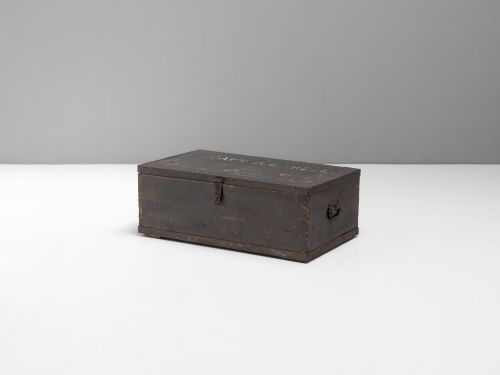
When searching for a black painted wooden chest, buyers encounter a diverse selection ranging from robust travel trunks to domestic chests of drawers and storage boxes. The most common versions appearing here are nineteenth century painted pine pieces originating from domestic, maritime, or Scandinavian contexts.
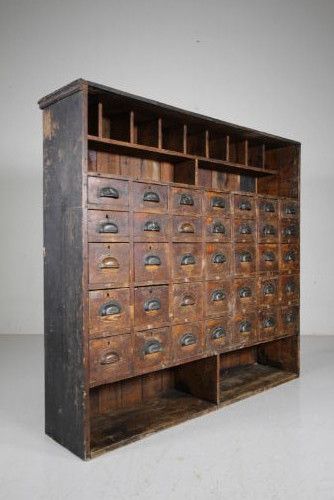
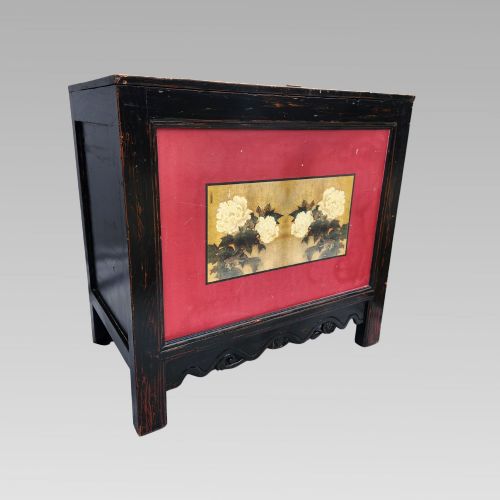
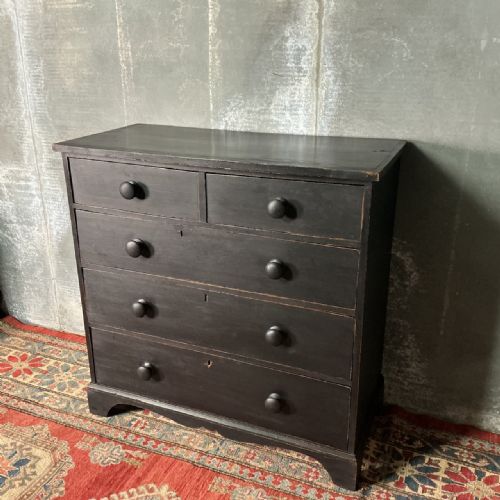
These items span periods from the eighteenth century through the early twentieth century, taking the form of blanket boxes, commodes, campaign trunks, and multi-drawer banks. Regional variations include traditional Chinese lacquer storage pieces, Swedish strong boxes, and English campaign equipment.
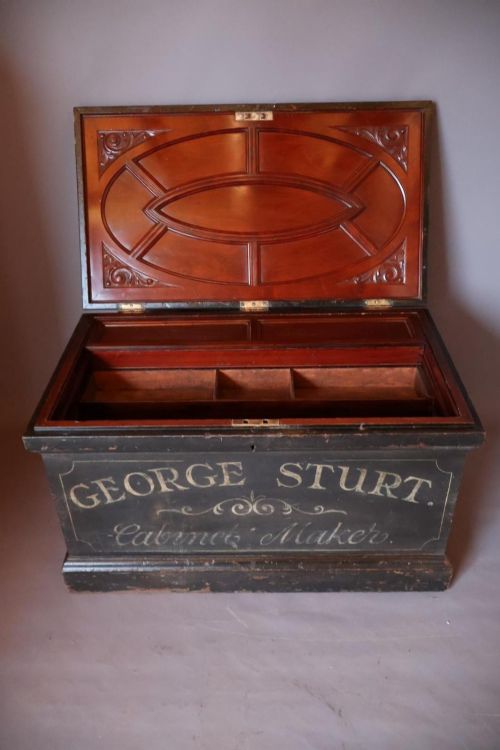
The functionality of these objects varies just as much as their geography, serving as document boxes, tool chests, and haberdashery cabinets. Their shared trait is a dark painted or ebonised exterior applied to a wooden carcase, creating a striking focal point in a room.
Materials and construction
Makers constructed these pieces primarily from pine, wood, and metal, utilising robust joinery suitable for travel and heavy daily use. Iron and brass hardware such as carrying handles, strapwork, and key escutcheons reinforced the corners and lids of trunks and strong boxes.
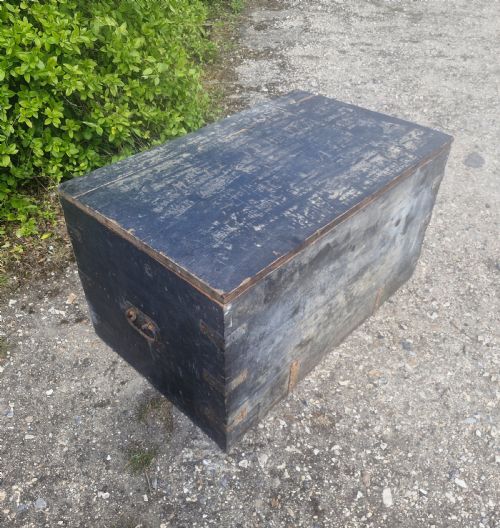
Surfaces received layers of dark paint, ebonising, or lacquer, sometimes decorated with stencilling, pokerwork, or floral chinoiserie motifs. Over time, this pigment patinated significantly, showing wear that reveals the underlying timber grain.
Several trunks bear the ghosts of long-forgotten journeys, retaining original travel labels and military regiment stencil marks.
Assessing quality and craftsmanship
The distinction between standard utility items and finer examples rests on the integrity of the original surface and the sophistication of the joinery. Pieces featuring untouched folk art decoration, original paintwork, or specialised compartments command greater appreciation among collectors.
Proportions and hardware also dictate the standard of a piece, with well-balanced dimensions and heavy brass fittings elevating a simple pine box into a distinguished item. The survival of maker's marks, original locks, and intact interior paper linings further separates exceptional examples from ordinary ones.
The Black Painted Wooden Chest Glossary
- Campaign trunk
- A portable storage chest designed for military officers on the move, typically fitted with flush brass handles and corner brackets to withstand travel.
- Ebonised
- Wood treated with a stain or finish to imitate expensive ebony, a technique popular during the Regency period.
- Kist
- A traditional Scottish or Scandinavian wooden chest or box used for storing household goods and personal belongings.
- Pokerwork
- A method of decorating wood by burning designs onto the surface with heated metal tools, seen on nineteenth century boxes.
- Chinoiserie
- European decorative motifs inspired by Chinese art and design, frequently applied in gold and black lacquer on storage chests.
Black Painted Wooden Chest: Frequently Asked Questions
What were campaign trunks used for?
Officers utilised these sturdy chests to transport uniforms, documents, and personal equipment during military campaigns across the British Empire. Their clever modular design allowed them to pack tightly onto animals or wagons.
Today, these versatile pieces serve well as coffee tables or accent storage units in living spaces, offering hidden capacity for blankets and books.
How do I care for painted wood?
Keep painted wooden chests away from direct sunlight and radiators to prevent the dry timber from splitting and the paint from flaking further. Dust gently with a dry, soft cloth and avoid chemical cleaning agents.
Applying a microcrystalline wax can protect fragile original paintwork, but test any product on a hidden area first to ensure compatibility with aged finishes.
Are these chests waterproof?
Historic maritime and travel chests were often sealed with pitch, canvas linings, or tight-fitting lids to protect contents from sea spray and heavy rain during transit. However, centuries of ageing mean modern seals may no longer be entirely airtight or waterproof.
Treat them as indoor furniture rather than dependable outdoor storage solutions to preserve the interior timbers and historic hardware from moisture damage.
How can I date a painted chest?
Examine the construction methods, such as hand-cut dovetails, forged iron nails, and the type of wood used in the carcase and secondary linings. Nail types and saw marks provide strong clues regarding whether a piece originates from the eighteenth, nineteenth, or early twentieth century.
Paint analysis and style markers like Regency ebonising or Victorian folk art motifs also help narrow down the decade of manufacture.