




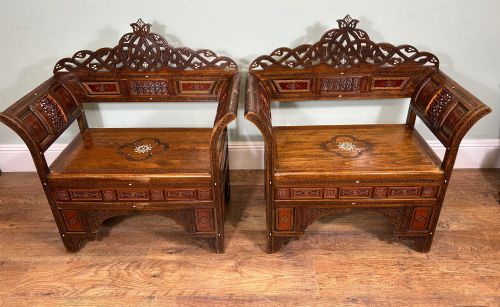
Antique Ottoman Seat
An antique ottoman seat offers a practical place to rest feet or store linen while bringing period character to a room.
Antique Ottoman Seat
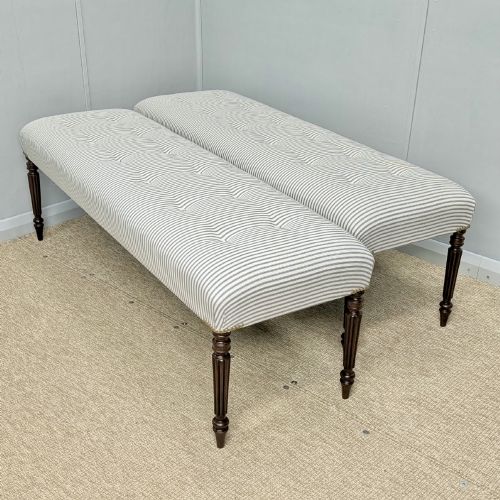
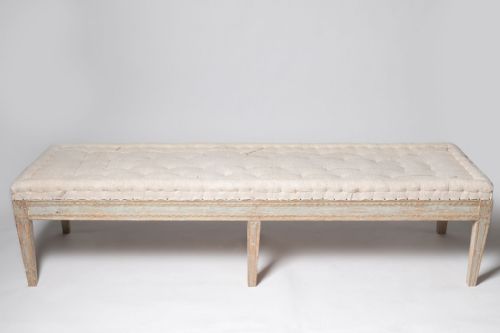
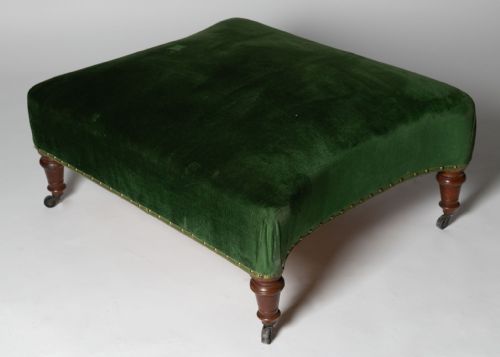
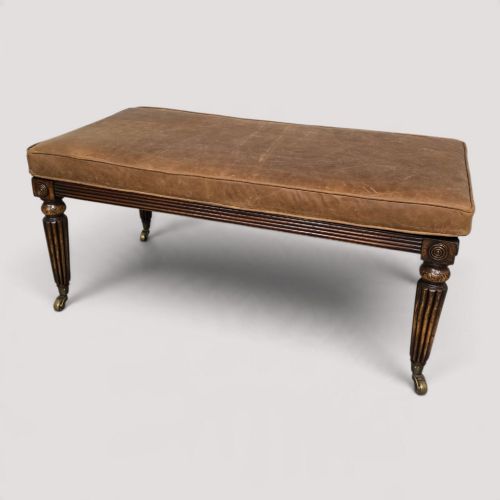
An antique ottoman seat combines low seating with functional storage, appearing across nineteenth-century and early twentieth-century listings as box stools, window seats, and long benches. These pieces emerge in styles ranging from Victorian and Edwardian upholstery to Regency rosewood and carved oak revivals.
Buyers frequently encounter upholstered box ottomans alongside piano stools, dressing table seats, and deep footstools adapted for modern living. The form shifts from hinged storage trunks covered in velvet or needlework to open wooden frames with cane or silk cushions.
Materials and construction methods
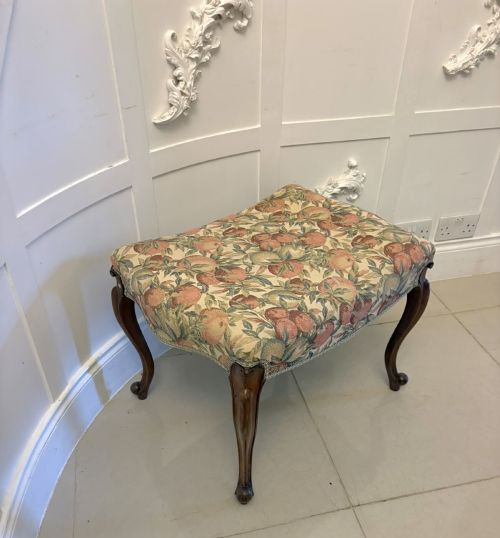
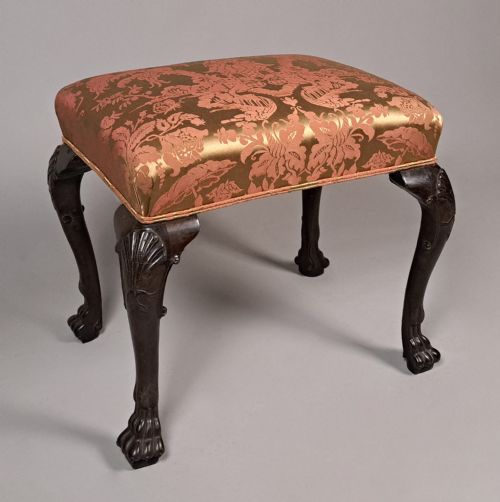
Cabinetmakers built the foundational frames of these seats using dense hardwoods such as mahogany, walnut, and oak, frequently employing turned legs, cabriole supports, or intricate carved details. Exotic timbers like rosewood and gonçalo alves appear alongside painted or gilded finishes in continental and revival pieces.
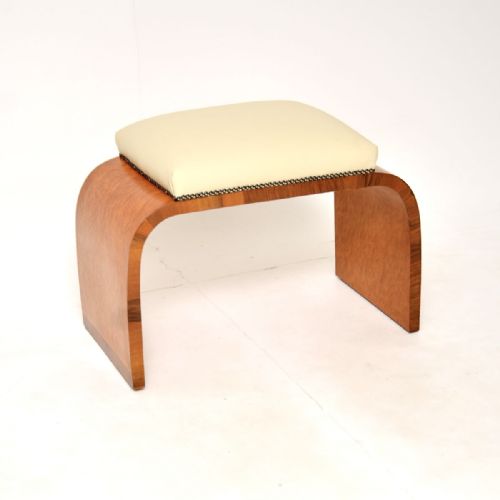
Upholstery techniques involve buttoned fabrics, leather, linen, and patterned textiles secured over firm padding, occasionally incorporating internal box hinges for storage compartments. Decorative elements include mother-of-pearl inlay, brass mounts, and detailed needlework seats.
Antique Ottoman Seat Retail Price Guide 2026
Typical asking prices for ottoman seat among the pieces listed under this phrase on Sellingantiques today, from the lower quarter to the upper quarter. They describe what is for sale here now, not the wider market.
Many Victorian ladies kept sewing supplies hidden inside their box stools, meaning today's storage compartments occasionally still hold stray pins.
Distinctions in craftsmanship
Superior examples reveal themselves through the integrity of the timber framing, the precision of hand-carved ornamentation, and the depth of joinery within storage boxes. Finer pieces maintain original structural elements and authentic period upholstery textiles rather than modern replacements.
The distinction between standard production and exceptional work rests on the harmony of proportions, the quality of secondary timbers inside storage compartments, and the refinement of turned or cabriole supports.
Miles & Edwards·Harry and Lou Epstein·Howard & sons
The Antique Ottoman Seat Glossary
- Cabriole leg
- A furniture leg that curves outward at the knee and tapers inward to an ankle, mimicking an animal limb. This form appears frequently on walnut and mahogany seating from the eighteenth century onward.
- Needlework
- Hand-stitched textile work utilising wool or silk yarn on a canvas mesh backing. It is commonly found covering the tops of nineteenth-century footstools and dressing seats.
- Stretcher
- A horizontal wooden brace connecting the legs of a stool or chair for added stability. These can be plain, cross-shaped, or feature turned decoration.
- Ebonised
- Timber treated with a chemical finish or dark stain to imitate expensive ebony. This treatment was popular during the Victorian period for decorative frames.
- Curule
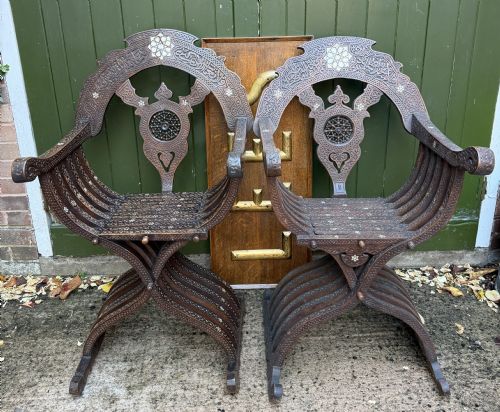
- An ancient Roman shape featuring intersecting curved legs that form an X-frame. Nineteenth-century makers revived this classical design for formal stools.
Antique Ottoman Seat: Frequently Asked Questions
What is an antique ottoman seat?
An antique ottoman seat is a low piece of upholstered furniture designed for sitting or resting feet, often featuring a hinged lid that opens to reveal a storage compartment for blankets or textiles.
These versatile forms encompass long window seats, dressing stools, and box ottomans produced primarily during the Victorian and Edwardian eras.
How were antique ottomans used historically?
Historically, these seats served multiple functions in drawing rooms, bedrooms, and halls as places to change shoes, play the piano, or store needlework and linens.
Their dual nature as seating and concealed storage made them essential items in nineteenth-century domestic interiors.
How do I style an antique ottoman seat today?
An antique ottoman functions effectively at the foot of a bed, beneath a window, or as a central coffee table alternative when topped with a sturdy tray.
Mixing these traditional forms with modern seating introduces texture and historical contrast into contemporary living spaces.
How do I tell different periods apart?
Distinguishing periods relies on observing timber choices, leg shapes, and upholstery styles, such as heavy mahogany frames from the mid-nineteenth century or lighter satinwood and inlay from the Edwardian period.
Revival styles often borrow decorative motifs from earlier Queen Anne or Chippendale eras while retaining the construction methods of their actual date of manufacture.