


1930s Vanity Stool
A 1930s vanity stool brings period character to a dressing room, offering low seating shaped by Art Deco and regional English workshops.
1930s Vanity Stool
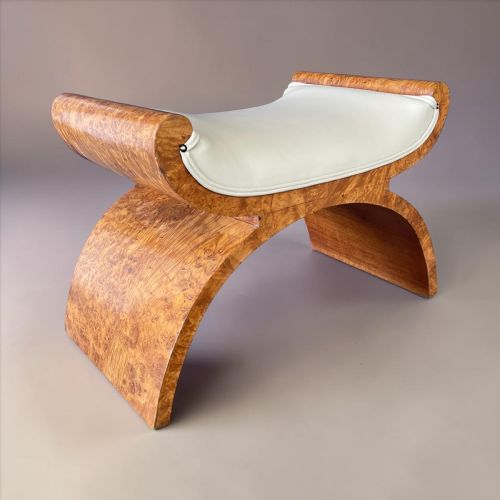
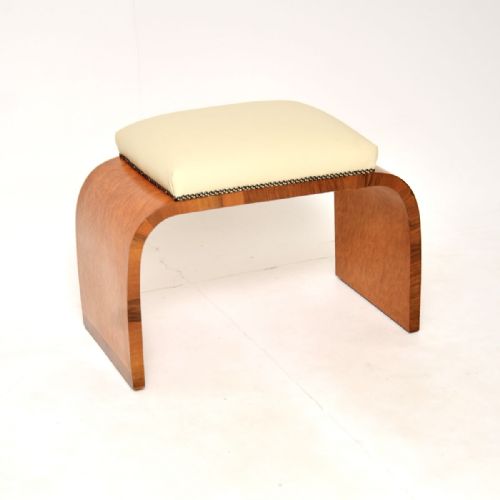
A 1930s vanity stool takes several forms across this selection, appearing most frequently as a dressing table stool or piano stool alongside occasional pairs and larger suites. These seats originate predominantly from the 1930 period, though related examples surface from 1920.
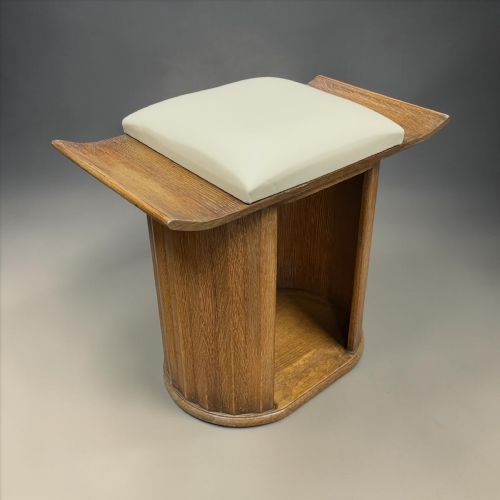
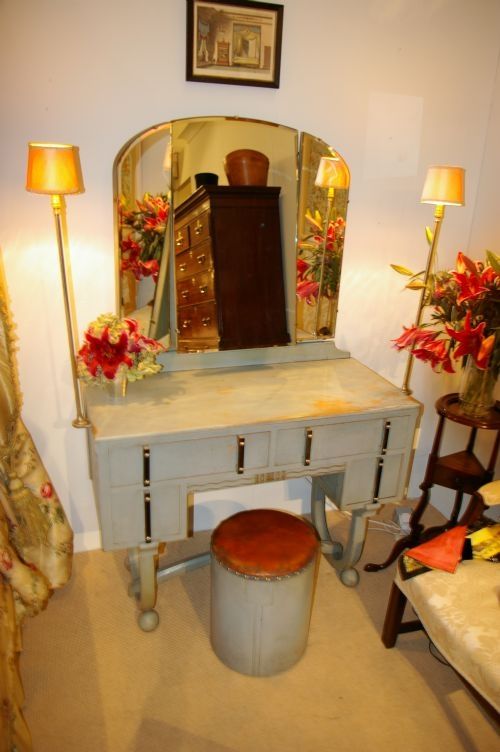
The dominant style is Art Deco, accompanied by Cotswold School pieces and French Rococo Revival or Louis XV Revival designs. Forms range from simple rectangular seats to drum-shaped stools with storage and matching dressing chest combinations.
How they were made
Construction relies on timber framing utilising oak, walnut, burr walnut, figured walnut, sycamore, birds eye maple, and painted wood. Artisans shaped these woods into clean geometric lines or curved silhouettes characteristic of the era.
Upholstery forms a key part of the construction, employing leather, fabric, and velvet for the top covers. Some pieces incorporate built-in storage compartments beneath the seat.
Listings feature woods including oak, walnut, burr walnut, sycamore, and birds eye maple alongside leather, fabric, and velvet upholstery.
What varies in quality
Quality separates ordinary utilitarian seating from pieces bearing distinct maker attributions and finer timber selections like burr and figured walnut or birds eye maple. The choice of surface finish and the preservation of original leather or fabric upholstery mark the distinction between standard production and exceptional studio work.
Construction complexity also dictates standing, particularly where drum shapes, internal storage solutions, or matched suites demonstrate advanced cabinetmaking skills.
Harry and Lou Epstein·B North and Son·Rowley Gallery
The 1930s Vanity Stool Glossary
- Art Deco
- A design style characterised by sleek geometric shapes, streamlined forms, and modern industrial materials that dominated the interwar period.
- Burr Walnut
- A timber figured with swirling grain patterns caused by tree growths, highly prized for decorative veneer work on high-end furniture.
- Birds Eye Maple
- A maple wood variety featuring small circular markings that resemble tiny eyes, used to create distinctive pale veneered surfaces.
- Cotswold School
- An English craft movement focused on traditional hand-tool woodworking methods and honest construction, often associated with oak furniture.
- Dressing Stool
- A low seat designed specifically for use at a dressing table or vanity, frequently upholstered to match bedroom furnishings.
1930s Vanity Stool: Frequently Asked Questions
What is a 1930s vanity stool used for?
These pieces function primarily as seating at a dressing table or vanity for grooming routines. Many also double as piano stools or include internal storage compartments for small items.
Their compact size allows them to tuck neatly beneath tables when not in use, making them practical for smaller dressing rooms.
Are these stools comfortable for daily use?
Most feature padded upholstered tops covered in leather, fabric, or velvet designed for seated comfort during daily grooming. The sturdy wooden frames provide reliable support.
Newer replacement top covers appear on some surviving examples to maintain usability.
How do Cotswold School pieces differ?
Cotswold School examples focus on traditional craftsmanship and solid oak construction rather than the sleek veneered surfaces typical of urban Art Deco design. These pieces emphasise honest joinery and regional English workshop traditions.
They frequently arrive paired with matching dressing chests rather than as standalone vanity seating.