




Art Deco Vanity Seat
An art deco vanity seat brings 1930s elegance to a dressing room, offering low seating designed specifically for the dressing table.
Art Deco Vanity Seat
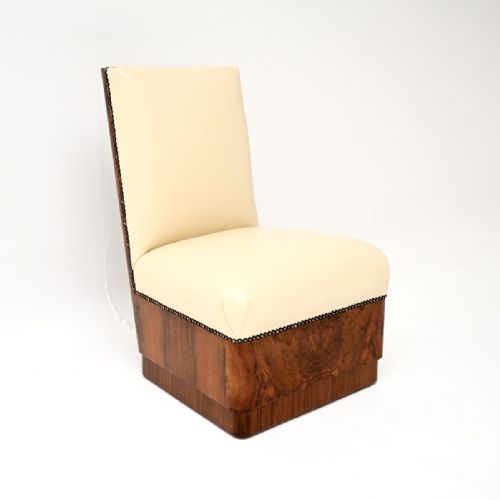
When searching for an art deco vanity seat, buyers encounter low bedroom chairs, dressing table stools, dressing stools, and piano stools dating from 1930. These pieces function as compact seating designed for daily use at a dressing table or vanity.
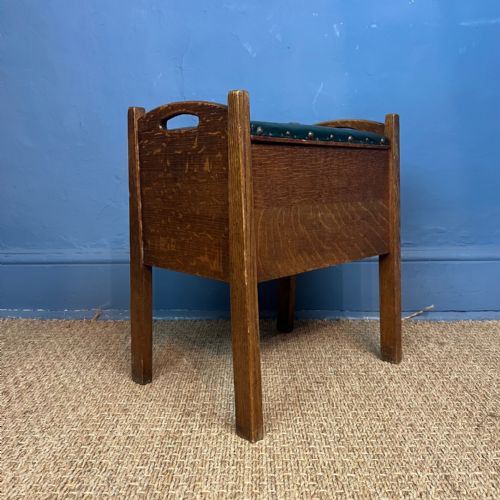
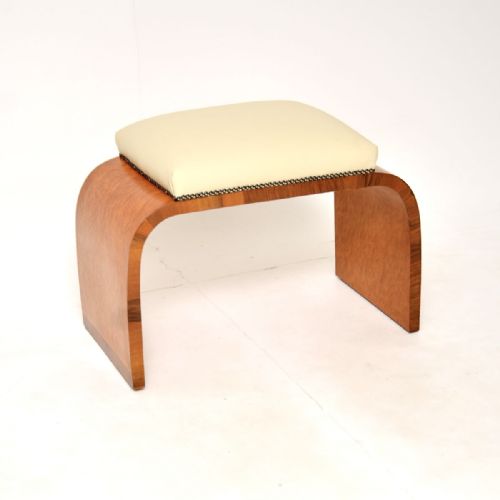
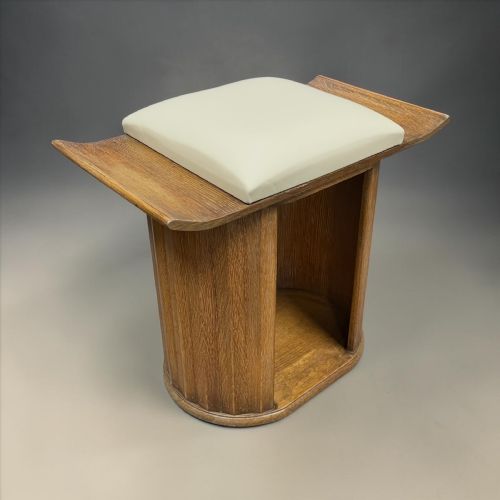
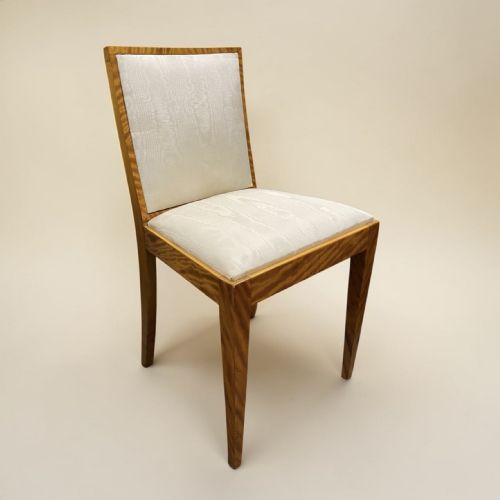
The selections on this page span several specific forms, including drum-shaped oak stools with storage, rectangular walnut and leather stools, and distinctive geometric bedroom chairs. Most examples originate from English workshops operating in the 1930 period.
Some variations incorporate dual purposes, serving interchangeably as piano stools or dressing stools alongside storage compartments. The prevalence of 1930 dates confirms a tight chronological window for these specific furnishings.
Materials and construction
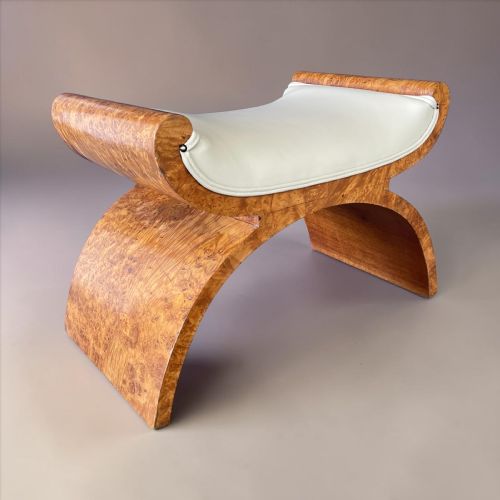
Cabinet makers utilised a combination of hardwoods and exotic veneers, notably burr walnut, oak, birds eye maple, and sycamore. These timbers formed the structural frames and decorative outer surfaces characteristic of the 1930 style.
Upholstery completed the functional design, employing leather, velvet, and various fabric covers such as new flowery top covers. Metal elements also appear occasionally in the framework, supporting the geometric aesthetic of the period.
Art Deco Vanity Seat Retail Price Guide 2026
Typical asking prices for art deco vanity seat among the pieces listed under this phrase on Sellingantiques today, from the lower quarter to the upper quarter. They describe what is for sale here now, not the wider market.
Current listings feature pieces exclusively from the 1930 period, constructed in materials including burr walnut, oak, leather, and velvet.
Judging quality in 1930 seating
Quality separates standard utilitarian items from pieces produced by notable cabinet makers through the choice of surface veneer and timber selection. Burr walnut and birds eye maple finishes demonstrate superior material grading compared to plain oak or standard timbers.
The integration of functional attributes, such as built-in storage within a drum-shaped frame, distinguishes more ambitious designs from basic stools. Furthermore, attribution to known makers elevates the standing of a piece within the art deco category.
Harry and Lou Epstein·Bath Cabinet Makers·B. North and Son
The Art Deco Vanity Seat Glossary
- Art Deco
- A design style of the 1930s characterised by sleek geometric shapes, streamlined forms, and modern industrial materials. This aesthetic dominates the profiles of all listed seating.
- Birds Eye Maple
- A figured wood showing small circular patterns resembling bird eyes. Makers selected this decorative veneer for high-end cabinet work.
- Burr Walnut
- Timber taken from a tree growth featuring intricate, swirling grain patterns. It provided a luxurious surface for 1930 dressing furniture.
- Dressing Stool
- A backless seat intended for use at a dressing table. These low forms fit neatly beneath the kneehole of a vanity.
- Sycamore
- A pale hardwood utilised by English makers for light-toned frames. It contrasts with darker walnut elements in multi-tone compositions.
Art Deco Vanity Seat: Frequently Asked Questions
What is an art deco vanity seat used for?
These pieces provide low seating positioned in front of a dressing table or vanity for grooming routines. They also function occasionally as piano stools or casual bedroom chairs.
Many examples include hidden storage compartments beneath the top cover to hold small personal items. Their compact dimensions allow them to tuck neatly beneath furniture when not in use.
Are these seats comfortable for daily use?
The low profile and padded leather or fabric tops provide sturdy, supportive seating designed for short periods at a dressing table. Upholstery varies from original hides to modern replacement covers.
Buyers often select them for their combination of compact comfort and striking visual presence in a bedroom setting.
Which woods are common in these stools?
English workshops frequently employed oak, walnut, sycamore, and birds eye maple for the frames and decorative surfaces. Burr walnut veneers appear on finer examples to create dramatic grain patterns.
These materials reflect the standard cabinet-making practices of English makers active during the 1930 period.