
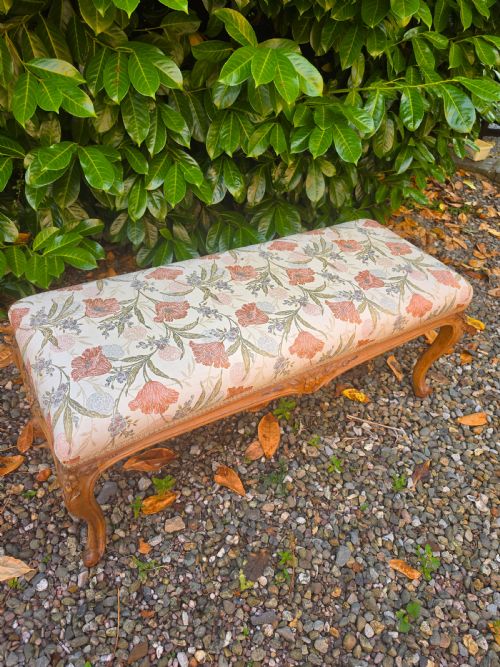
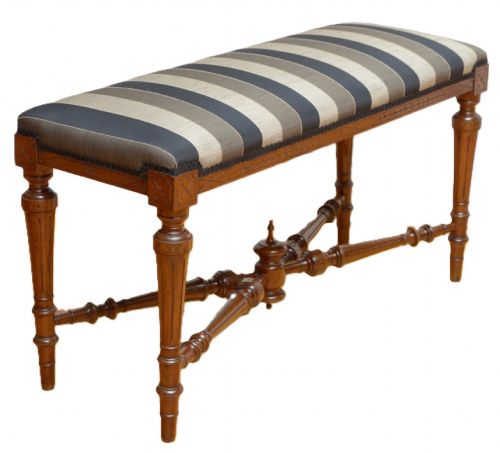

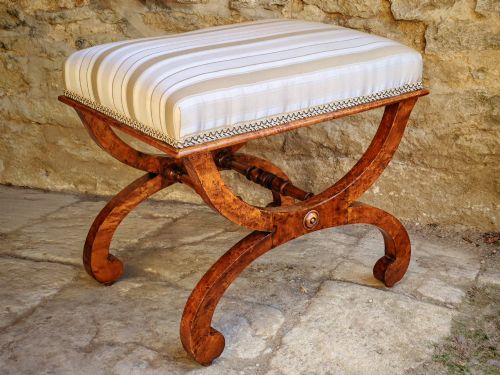
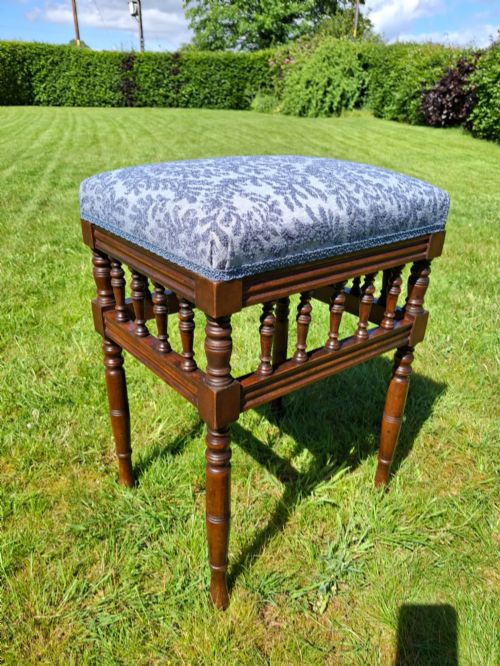


Padded Piano Stool
These padded piano stool pieces bring genuine period character to a room, offering comfortable seating with distinct traditional craft.
What a padded piano stool is
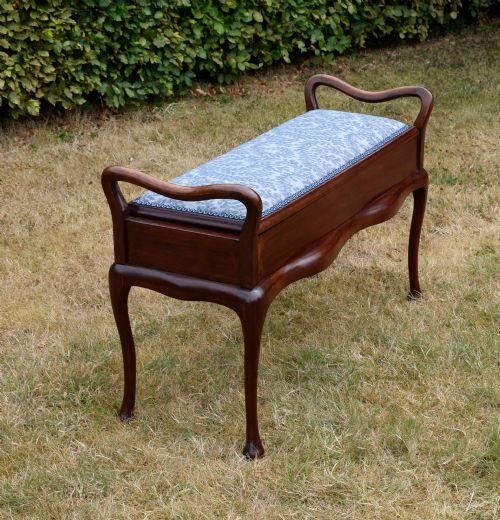
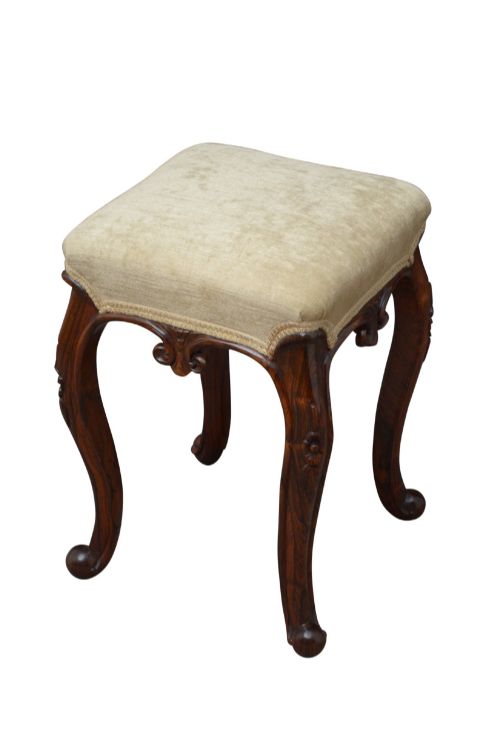
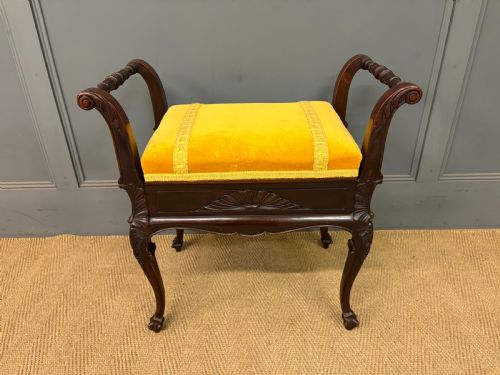
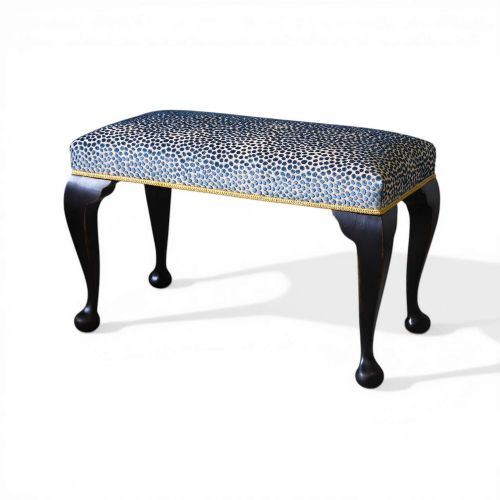
A padded piano stool provides a practical seat designed specifically for keyboard players, combining sturdy timber frames with cushioned tops. These pieces span several distinct eras, bringing functional seating into domestic spaces.
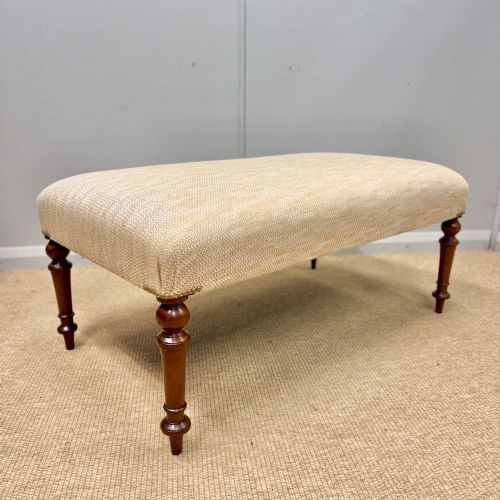
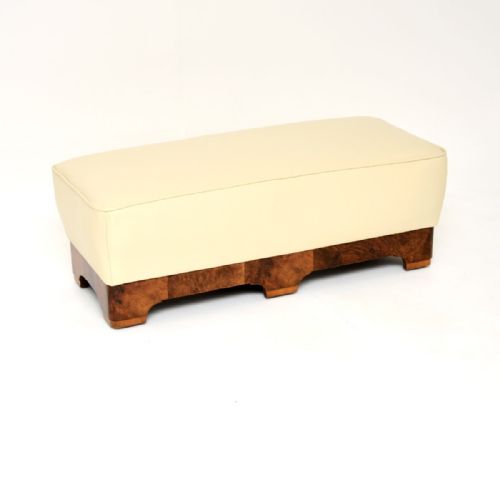
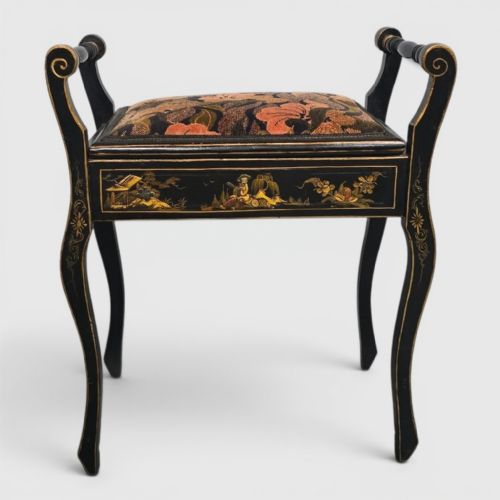
The versions most commonly met here include Victorian, Edwardian, and Art Deco examples. They frequently double as dressing table stools or general footstools, reflecting adaptable domestic use across different decades.
How they were made
Frames are constructed from timber such as walnut, mahogany, and birds eye maple, showcasing the natural grain of the wood. Metal and brass components frequently appear in castors and hardware, supporting mobility and structural strength.
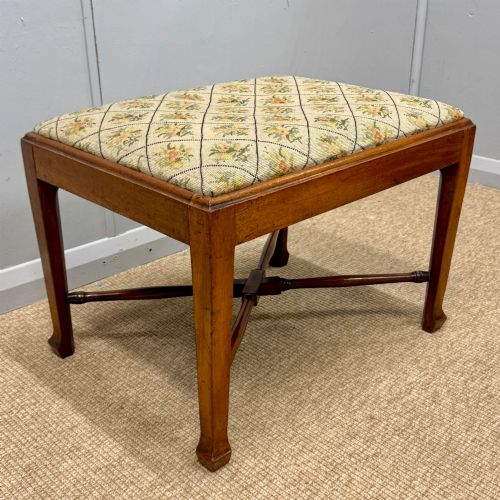
Upholstery involves materials like leather, fabric, wool, and textile, often styled with deep buttoning or needlepoint. Craftsmen secured these soft coverings over padded interiors to ensure lasting comfort during long periods of sitting.
Retail Price Guide 2026
Typical UK retail prices for padded piano stool, calculated from the Sellingantiques database of over a million retail prices indexed since 2003. This retail price guide relies exclusively on Sellingantiques data; no external sources or auction records are used, so the figures do not describe the wider market.
What varies in quality
Quality rests upon the selection of timber and the precision of the joinery used in the frame. Superior examples demonstrate careful attention to wood grain selection, particularly in walnut and maple pieces.
The standard of upholstery and the finish of the padding dictate the overall execution. Finer stools exhibit durable needlepoint or leather work that remains tight and supportive across the decades.
The Padded Piano Stool Glossary
- Castor
- A small wheel fitted to the base of a furniture leg to facilitate movement. These metal fittings appear on several Victorian examples.
- Needlepoint
- A type of counted thread embroidery stitched onto canvas. This textile technique creates detailed decorative patterns on stool tops.
- Buttoning
- A method of upholstery where recessed buttons pull the fabric tight into the padding. This technique creates a distinctive quilted surface texture.
- Birds Eye Maple
- A figure in maple wood that resembles small, swirling eyes. This decorative veneer appears on Art Deco pieces.
Frequently Asked Questions
What is a padded piano stool?
A padded piano stool is a small seat built with a cushioned top for keyboard use. These pieces often double as dressing table stools.
They utilise timber frames like walnut and mahogany, combined with leather or fabric upholstery.
How do I date a piano stool?
Dating relies on observing stylistic details and materials characteristic of specific eras. Victorian examples often feature deep buttoning and castors.
Later Art Deco pieces utilise woods like birds eye maple and geometric rectangular forms. Edwardian pieces frequently draw upon earlier historical styles.
Can I use these stools elsewhere?
These stools adapt easily to various rooms beyond the music room or parlour. They function well as dressing table seats or low footstools.
Their compact rectangular shapes allow them to tuck neatly beneath tables or against walls.
What materials are common?
Timber forms the primary structural material, with walnut and mahogany appearing frequently. Brass and metal hardware support components like castors.
Upholstery materials include leather, wool, fabric, and textile needlepoint over padded interiors.