



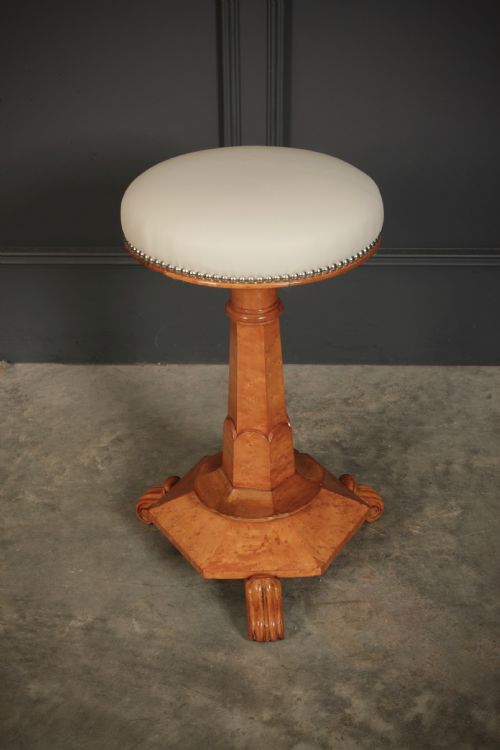
Cream Leather Stool
These cream leather stool examples combine period timber frames with practical upholstered seating, offering versatile elegance for traditional and modern rooms alike.
Cream Leather Stool
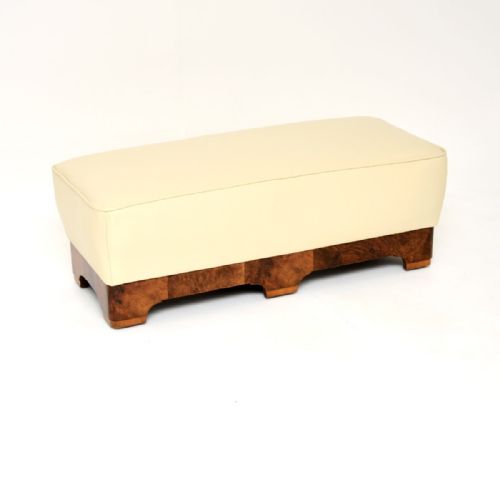
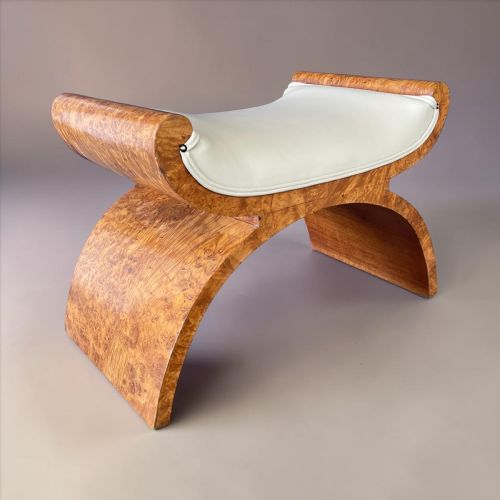
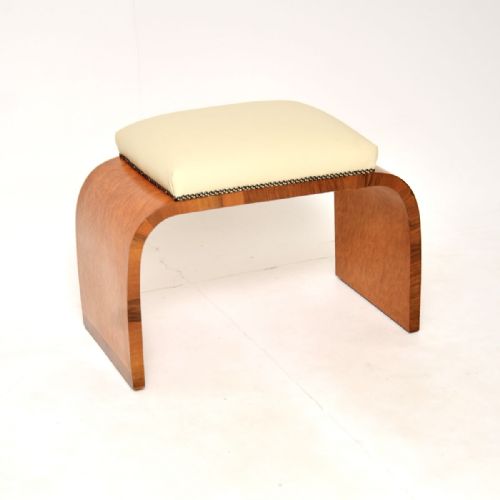
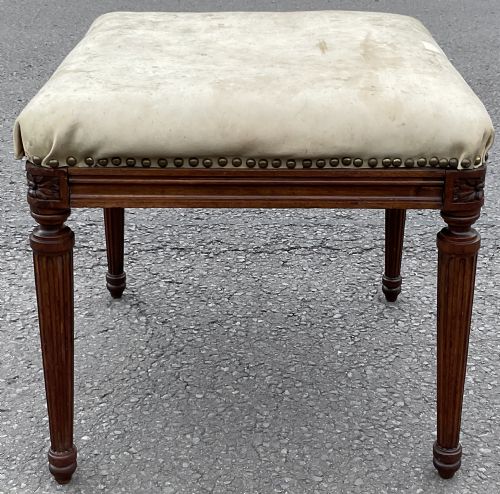
A cream leather stool brings together practical seating and period craftsmanship, appearing in forms ranging from dressing table seats to low library window stools. When buyers search for a cream leather stool, they typically encounter pieces from the Victorian era up through the Art Deco period of nineteen thirty.
The selection includes rectangular walnut dressing table stools, piano stools, and upholstered footstools framed in mahogany, burr walnut, or birds eye maple. Lower long stools and compact musicians stools also feature frequently, offering distinct shapes tailored to specific domestic rooms.
How they were made
Makers constructed the structural frames of these pieces using solid timbers like mahogany and walnut, alongside decorativeveneers such as burr walnut and birds eye maple. Brass hardware and painted wood surfaces sometimes accent the primary wooden structures.
Upholstery techniques applied cream leather across the seating surfaces, occasionally incorporating buttoned detailing seen on nineteenth century library window designs. The combination of dense hardwood frames and fitted leather creates durable, supportive furniture.
Musicians needed steady perches, resulting in specialised seating that made practicing the piano slightly more tolerable.
What varies in quality
The distinction between standard examples and superior pieces rests upon the choice of veneer and the precision of the frame joinery. Finer items utilise choice cuts of burr walnut or birds eye maple rather than plain timber.
Makers who paid careful attention to the grain alignment and upholstery finish produced more cohesive designs. The presence of documented workshop attribution further separates standard production items from workshop pieces.
Harry and Lou Epstein
The Cream Leather Stool Glossary
- Burr walnut
- A highly figured wood grain obtained from the wart growths of walnut trees. It provides decorative patterning on table and stool tops.
- Birds Eye Maple
- A figure in maple wood that resembles tiny, swirling eyes packed together. This veneer creates a distinctive speckled surface texture.
- Dressing stool
- A low seat designed specifically for use at a dressing table or vanity. These are built at heights suitable for seated grooming.
- Library window stool
- A long, sturdy bench style seat traditionally placed beneath large windows in private libraries. They often feature buttoned upholstery.
- Musicians stool
- An adjustable or fixed height seat created for musicians while playing instruments. They appear frequently in twentieth century forms.
Cream Leather Stool: Frequently Asked Questions
What rooms suit a cream leather stool?
These stools fit well in bedrooms as dressing table seats or in living spaces as supplementary seating near windows. Their compact footprints allow them to tuck easily beneath tables or beside larger furniture.
Neutral cream leather paired with wood frames like walnut or mahogany bridges traditional and modern interiors smoothly. They function practically as footrests or casual perches.
How do Art Deco stools differ from Victorian ones?
Art Deco examples from nineteen thirty favour clean geometric lines and striking veneers like burr walnut and birds eye maple. Victorian pieces rely on heavier timbers such as mahogany and often feature turned legs or buttoned leather upholstery.
Understanding these decorative shifts helps date individual items accurately. The proportion and finish reflect the prevailing design standards of their respective decades.
Are these stools comfortable for daily seating?
The upholstered leather tops provide firm support suitable for short periods at a dressing table or piano. Their padded surfaces balance utility with decorative presence.
Heavier library stools and long benches offer stability for extended seating. The underlying wooden frames ensure structural longevity.
How should I care for cream leather?
Cleaning requires gentle dusting with a soft cloth and occasional treatment with suitable leather conditioners to maintain suppleness. Avoiding direct sunlight prevents the cream tone from fading.
Timber frames benefit from simple polishing with traditional wax. This keeps the wood grain nourished and preserves the antique finish.