
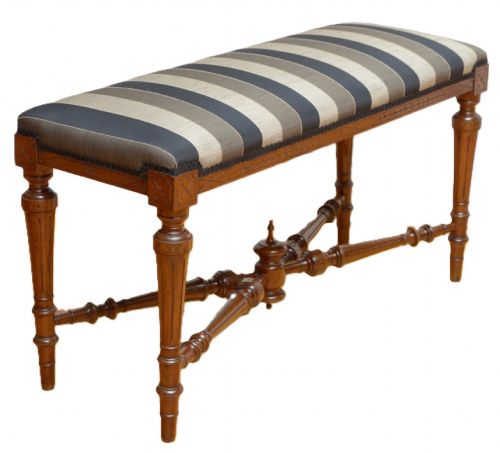


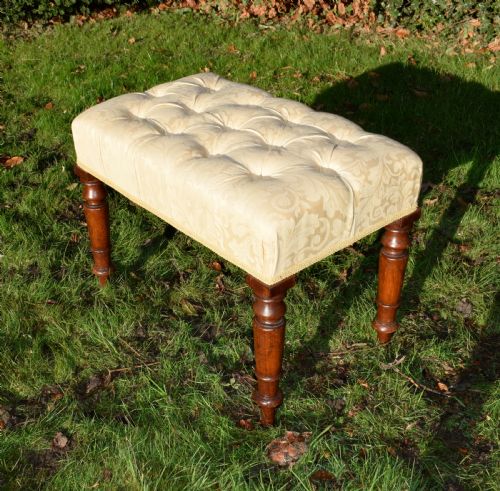
Walnut Piano Bench
A walnut piano bench brings solid timber and practical seating together, offering a sturdy perch for musicians and dressing tables alike.
Walnut Piano Bench
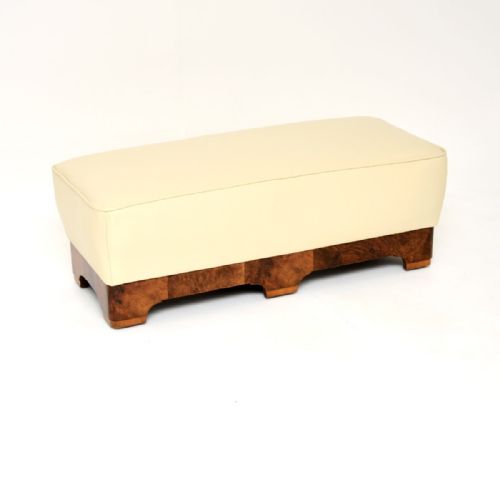
A walnut piano bench serves as a functional seat near keyboard instruments, though many examples function equally well as dressing table stools or window seats. You encounter forms spanning the Victorian era through the Edwardian period and into the Art Deco style of 1930.
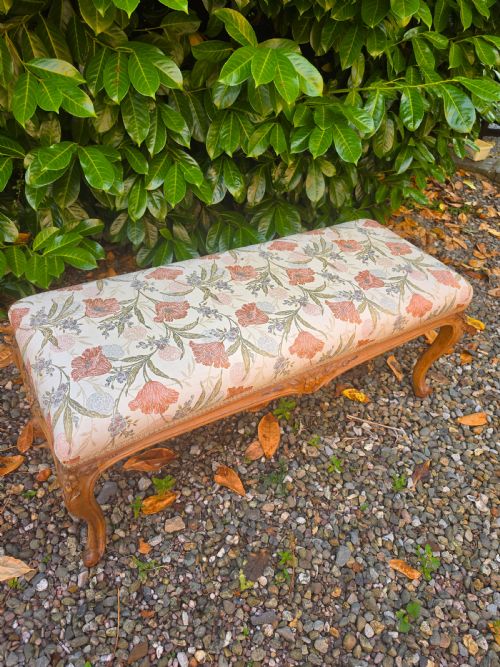
The objects take various shapes, including rectangular benches, duet forms for two players, and pieces featuring storage beneath the seat. Construction relies heavily on walnut timber, often paired with fabric, leather, or needlepoint upholstery.
Origins stretch across the nineteenth and twentieth centuries, taking inspiration from Regency, Queen Anne, and Georgian styles. These benches bridge the gap between utility and decorative furnishing in domestic spaces.
How They Were Made
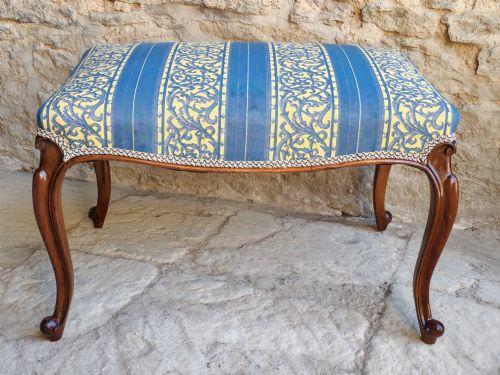
Craftsmen shaped these benches using solid walnut and burr walnut veneers, sometimes supporting the frames with secondary timbers like oak. Woodworking techniques involved carved cabriole legs, turned supports, and sturdy frame joints.
Upholstery completed the pieces, utilising textiles, buttoned fabrics, and cream leather secured over padding. Brass details occasionally appeared on hinges or decorative mounts, particularly on pieces featuring storage compartments.
Listings feature walnut piano benches spanning the nineteenth century through the 1930s Art Deco period, incorporating materials like leather, oak, and brass.
What Varies in Quality
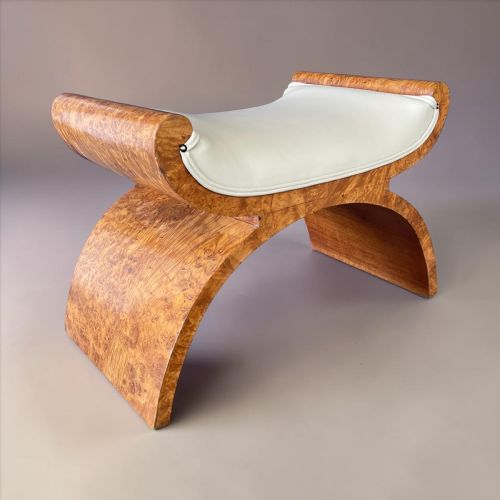
The fineness of the timber grain sets examples apart, with burr walnut veneers displaying rich, swirling patterns that elevate the visual weight of the frame. Carved elements demonstrate distinct variations in depth and precision, distinguishing simple production from ambitious cabinet work.
Upholstery choices and the preservation of original leather or textile coverings heavily influence the character of each piece. Structural integrity in the joints and the smooth operation of fall-front storage compartments define the better-executed survivals.
Harry and Lou Epstein·Eavestaff
The Walnut Piano Bench Glossary
- Burr walnut
- A figured wood grain obtained from tree growths, highly prized for its decorative swirling patterns on tabletops and stool frames.
- Cabriole leg
- A furniture leg that curves out and then in, commonly ending in a pad or ball and claw foot on period seating.
- Duet stool
- An extended bench designed to seat two players side by side at a piano or keyboard.
- Fall-front
- A hinged panel that drops forward to reveal interior storage space, often found on specialised seating.
- Needlepoint
- A type of canvas work embroidery traditionally used to cover seat pads with intricate patterns.
Walnut Piano Bench: Frequently Asked Questions
Are these benches comfortable to use daily?
Most examples provide firm support suitable for playing an instrument or sitting at a dressing table. The padding depends on the original upholstery style and its subsequent restoration.
Many benches feature upholstered tops in leather or fabric that handle regular sitting well. Taller or wider duet versions offer ample room for two people.
How do I identify a Victorian walnut piano bench?
Victorian pieces often display darker timber tones, carved cabriole legs, and traditional buttoned upholstery. Look for structural clues like nineteenth-century joinery methods.
Proportions tend to be heavier than later twentieth-century designs. Stylistic nods to earlier eras, such as Rococo revival motifs, frequently appear on these mid-nineteenth-century items.
Can I use a piano bench in a hallway?
These long rectangular seats fit well in narrow spaces like corridors or bedrooms as window seats. Their sturdy wooden frames support casual sitting while putting on shoes.
Benches with internal storage compartments provide a convenient place to hide small household items. The walnut finish coordinates easily with other antique wooden furniture.
What is the difference between an Art Deco and a Victorian bench?
Art Deco benches from the 1930s favor clean geometric lines, smooth burr walnut veneers, and minimalist leather upholstery. Victorian versions lean towards ornate carvings, curved cabriole legs, and textured fabrics.
Art Deco pieces emphasise the natural grain of the wood without heavy ornamentation. Victorian examples showcase the skill of the carver through elaborate frame details.