

Antique Dressing Table and Stool
These pieces for antique dressing table and stool combine practical seating with period craftsmanship, bringing matched or complementary design to bedroom spaces.
Antique Dressing Table and Stool
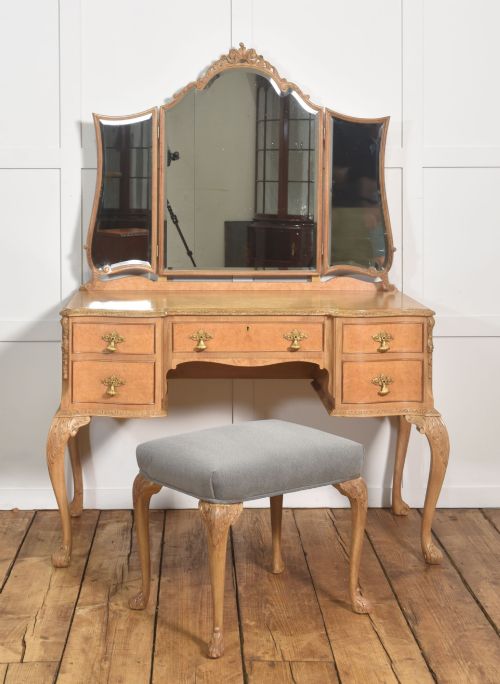
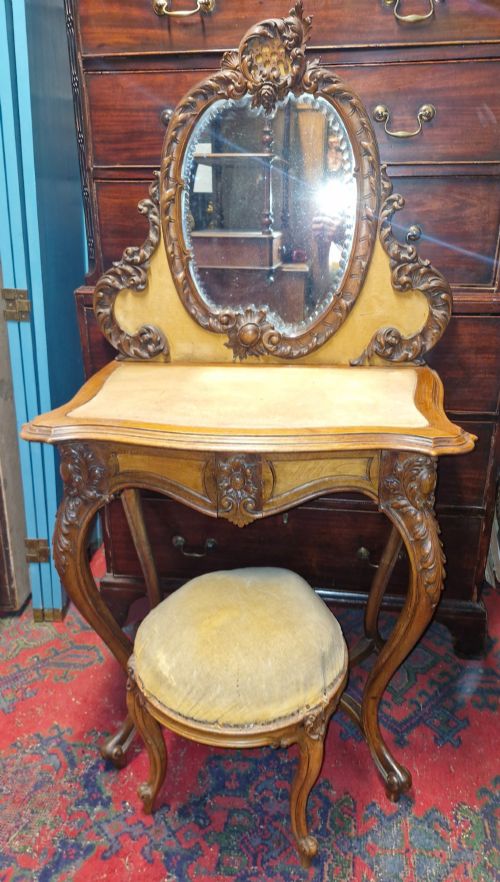
An antique dressing table and stool brings together a functional vanity surface, often fitted with mirrors, and a low seat designed to match or coordinate in period style. The tables range from Victorian mahogany designs with triple mirrors to walnut Edwardian pieces and bird's eye maple Art Deco dressing units.
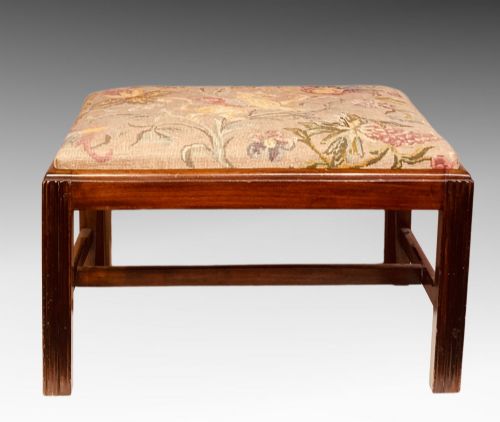
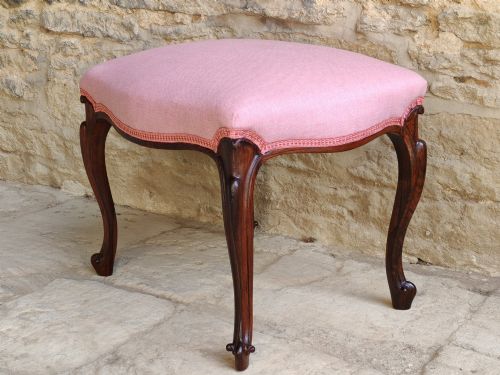
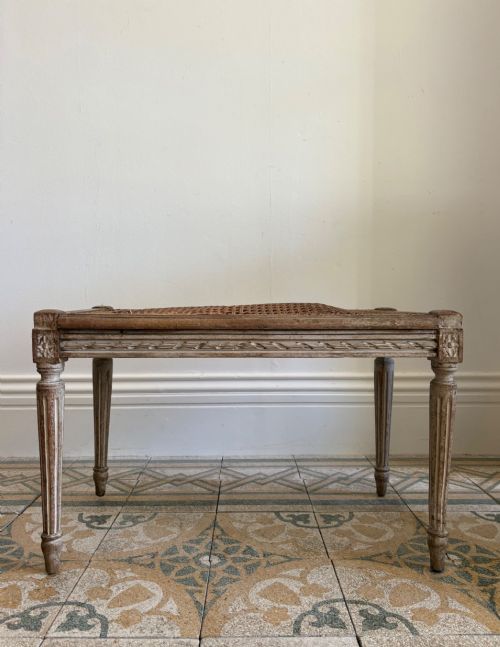
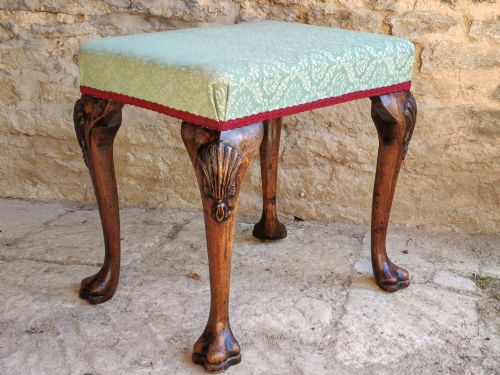
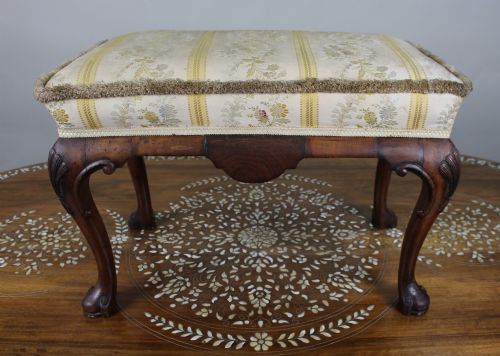
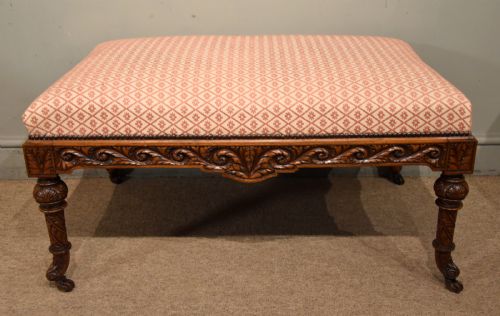
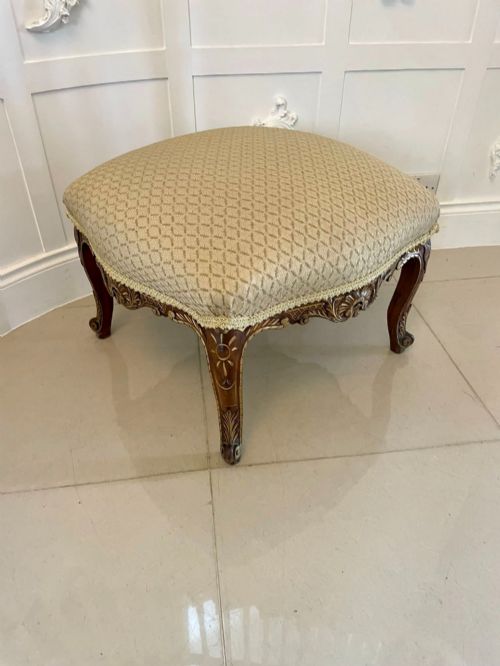
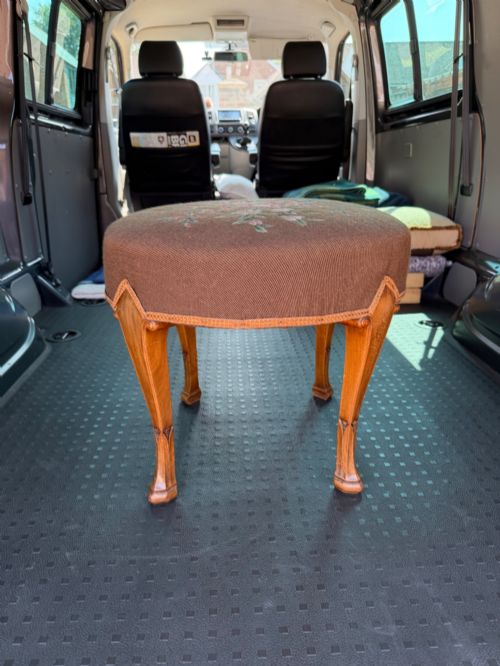
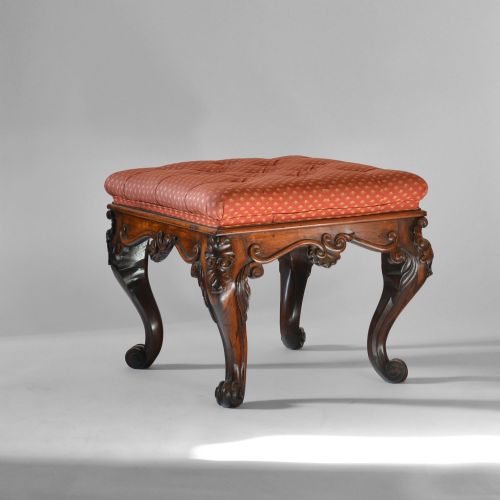
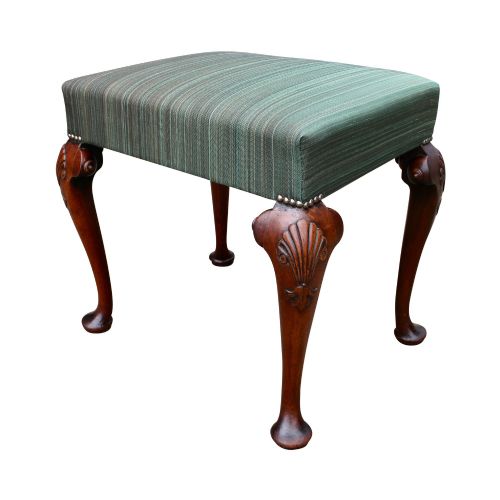
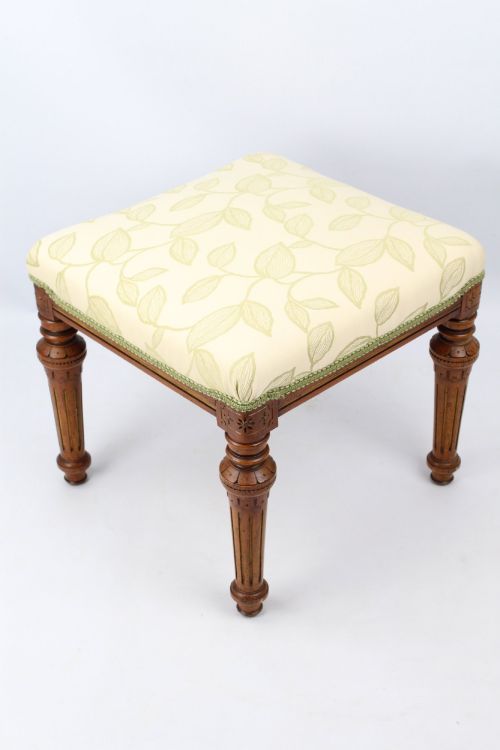
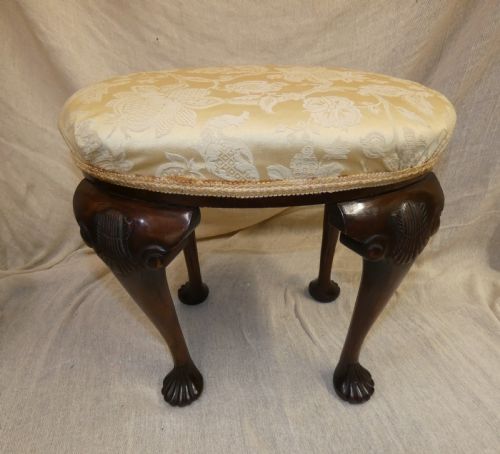
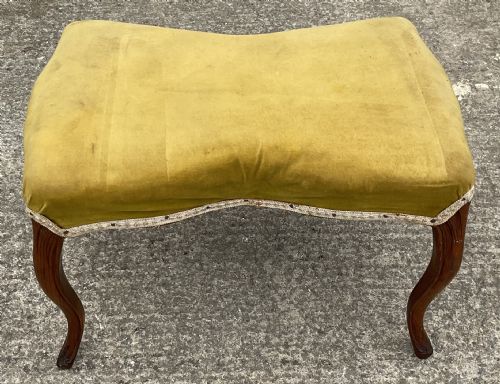
The seating portion appears in numerous forms across these listings, from simple upholstered footstools and cabriole leg stools to revolving chairs and pieces with integrated storage. Buyers frequently find walnut and mahogany constructions from the nineteenth century alongside later twentieth-century iterations.
The aesthetic vocabulary spans Victorian carving, Queen Anne revival curves, Edwardian ebonised finishes, and geometric Art Deco lines. Matching sets survive alongside individual stools paired historically with dressing furniture sharing similar woods and periods.
Materials and construction methods
Cabinet makers utilised dense hardwoods including mahogany, walnut, rosewood, and satinwood for frames and table structures, often employing solid timber alongside figured veneers. Carved details, cabriole legs, turned supports, and bobbin turnings reflect the prevailing stylistic demands of each decade from the early nineteenth century onward.
Upholstery techniques applied to seats involved textile coverings such as fabric, velvet, leather, and needlepoint over padded foundations. Brass fittings appear on adjustable mechanisms and castors, while specialised pieces incorporate painted surfaces or gilt oak finishes.
Antique Dressing Table and Stool Retail Price Guide 2026
Typical asking prices for dressing table and stool among the pieces listed under this phrase on Sellingantiques today, from the lower quarter to the upper quarter. They describe what is for sale here now, not the wider market.
Some nineteenth-century dressing stools include revolving mechanisms, allowing users to spin in place while managing their morning routine.
Distinctions in construction and finish
The standard of carving and timber selection dictates the distinction between standard production items and finer workshops. Crispness in hand-carved walnut or mahogany foliage, balanced proportions in cabriole legs, and the clever integration of revolving mechanisms or storage compartments indicate superior workmanship.
The integrity of the frame construction and the quality of secondary timbers affect longevity. Pieces retaining original show woods alongside sympathetically renewed upholstery demonstrate careful preservation of the original design intent.
Harry and Lou Epstein
The Antique Dressing Table and Stool Glossary
- Cabriole leg
- A furniture leg that curves outward at the knee and tapers inward toward the foot, mimicking animal limbs. This form appears frequently on Victorian and Queen Anne style dressing stools.
- Bobbin leg
- A turned wooden support shaped like a string of bobbins or spools, popular during the mid-nineteenth century. It adds rhythmic texture to rosewood and walnut frames.
- Bird's eye maple
- A figure in maple wood resembling tiny swirling eyes, often utilised in twentieth-century Art Deco furniture. The grain provides distinctive pattern and visual depth.
- Goncalo Alves
- A dense exotic hardwood with contrasting dark brown streaks, sometimes utilised by nineteenth-century cabinet makers for distinctive dressing table stools.
- Gilt
- A thin layer of gold leaf or paint applied to wood surfaces to impart metallic lustre. Victorian pieces occasionally employ this technique on carved details.
Antique Dressing Table and Stool: Frequently Asked Questions
Are dressing stools sturdy enough for daily use?
Most period stools are built from solid hardwoods like mahogany and walnut, offering robust daily support. Checking joint tightness ensures structural reliability for regular seating.
Periodic maintenance of the wooden frame keeps the piece stable. Avoid placing excessive weight on adjustable swivel mechanisms to preserve internal hardware.
How do I match an antique stool to a table?
Matching relies on comparing the primary wood species, such as walnut or mahogany, and observing the stylistic period. Edwardian and Victorian pieces often share corresponding leg profiles and finish tones.
Height proportions matter as much as style when pairing separate items. A stool must fit comfortably beneath the kneehole of the dressing table while matching the surface height.
What indicates an Art Deco dressing stool?
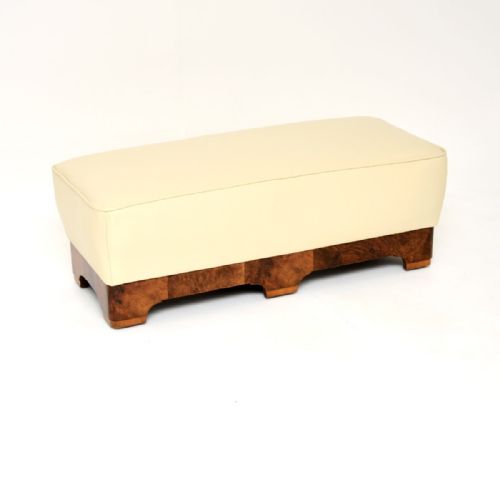
Art Deco pieces typically feature geometric forms, streamlined silhouettes, and materials like bird's eye maple or contrasting leather upholstery. These designs emerged around nineteen thirty.
Such stools often incorporate practical storage compartments within the seat frame. The absence of heavy historic revival carving distinguishes them from Victorian equivalents.
Can I reupholster an antique stool safely?
Replacing upholstery fabric is a common practice that refreshes the textile without altering the wooden frame. Traditional stuffing methods can be retained during restoration.
Careful removal of old tacks prevents damage to antique rails. Utilising period-appropriate materials maintains the integrity of the piece.