



Upholstered Bedroom Bench
An upholstered bedroom bench offers a practical seat at the foot of the bed or dressing table, bringing period character and comfort to the room.
Upholstered Bedroom Bench
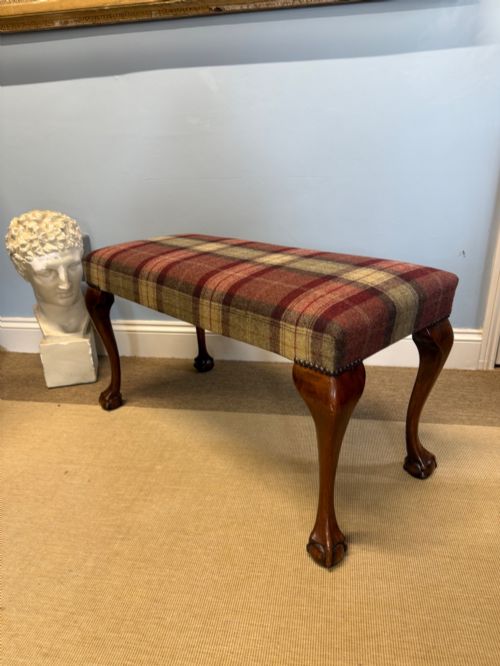
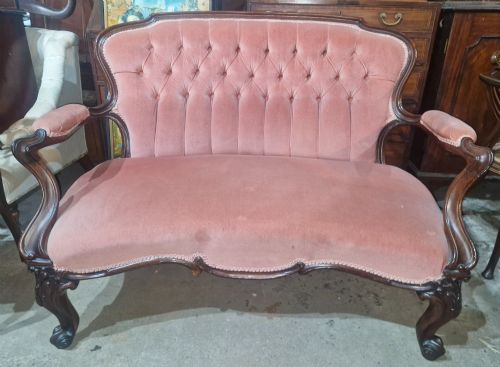
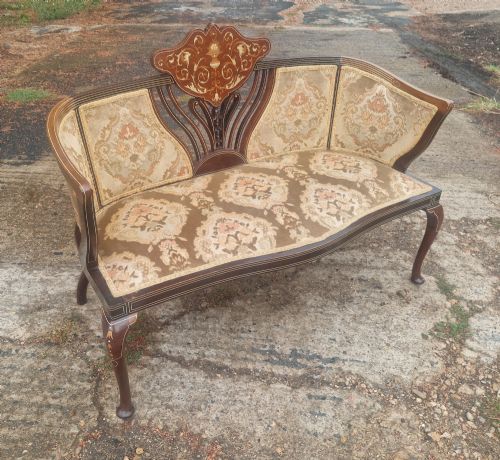
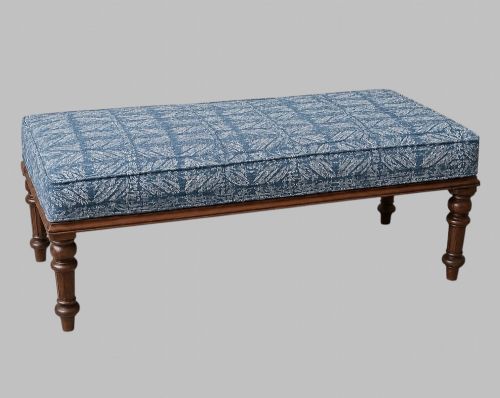
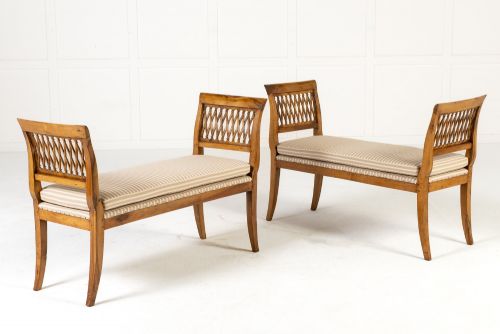
An upholstered bedroom bench encompasses various seating forms designed for the sleeping chamber, including window seats, dressing table stools, duet stools and end of bed sofas. These pieces appear across multiple periods ranging from the nineteenth century through the Edwardian era and into the Art Deco years.
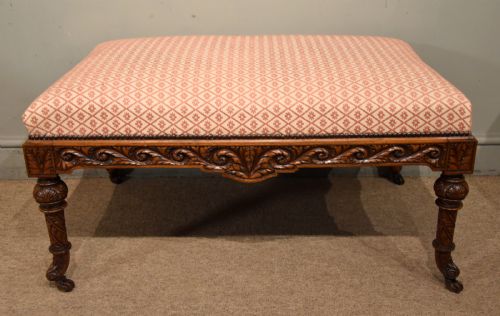
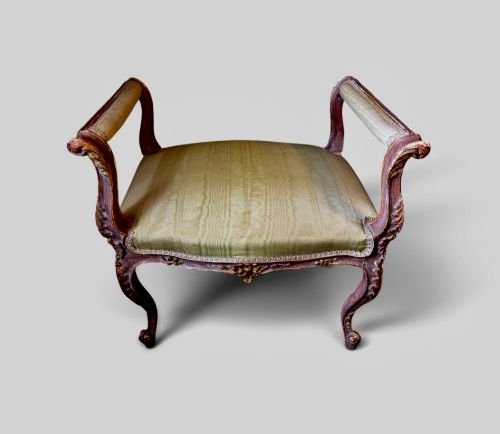
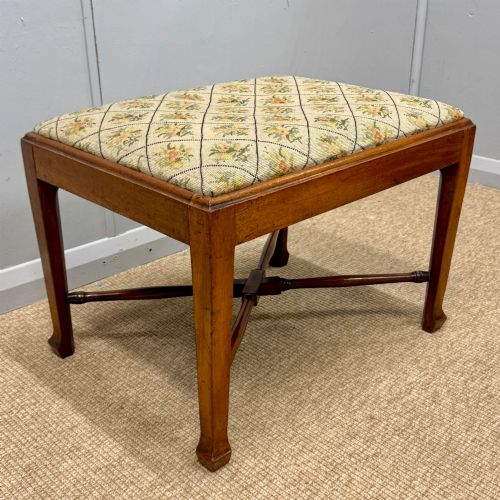
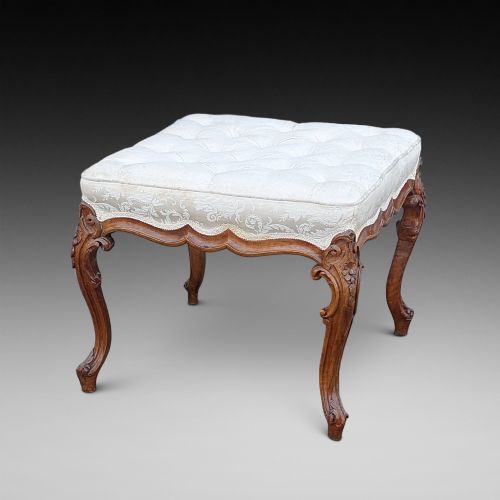
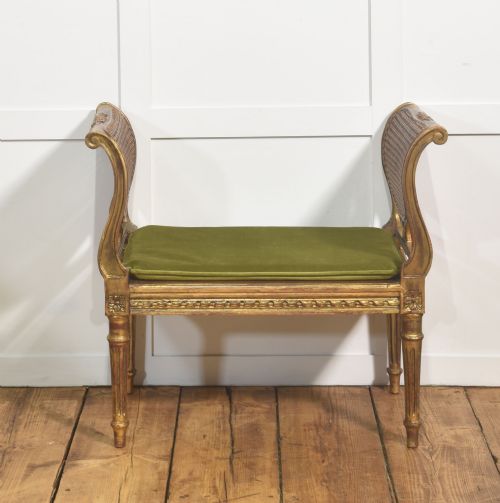
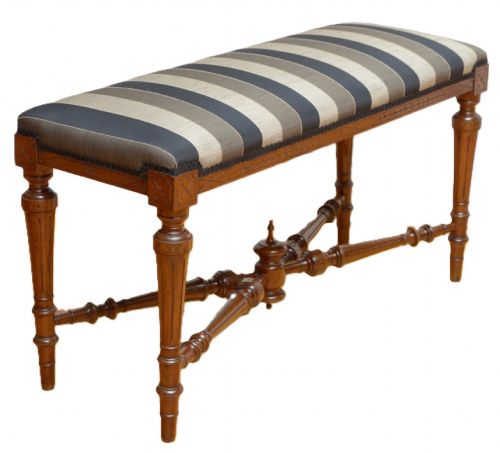
The selections on this page lean heavily toward Victorian walnut frames, Edwardian inlaid mahogany designs, and French-influenced giltwood window seats. Buyers frequently encounter longer duet stools, petite sofas, and low dressing stools suited for placement at the base of a bed.
Origins vary from English workshops to French makers and Swedish Biedermeier examples, showing diverse regional interpretations of domestic comfort. Structural formats range from simple rectangular footstools to elegant window seats with arm supports or chair backs.
Materials and construction methods
Cabinetmakers utilised solid timbers such as mahogany, walnut, satin birch, sycamore, and pine for the foundational frames, often applying decorative inlay, bone details, or carved ornamentation. Giltwood and ebonised finishes appear frequently on pieces influenced by French Neoclassical and Louis XVI styles.
Upholstery relies on traditional fabric selections including velvet, linen, needlepoint, and contemporary patterned textiles applied over padded seat bases. Structural support is provided by turned, fluted, cabriole, or twisted rope legs, alongside occasional cross stretchers and cane inserts.
Period origins span nineteenth-century Victorian designs, Edwardian inlaid seating, and Art Deco walnut pieces.
Distinctions in construction and design
The refinement of the carved wood elements and the sophistication of timber selection set superior examples apart from standard utilitarian seating. Finely figured walnut, intricate marquetry inlay, and giltwood frames indicate higher workshop execution.
Original structural integrity and the quality of the timber joints dictate the enduring stability of the frame. Pieces retaining crisp carving and balanced proportions represent the upper tier of period production.
Harry Lou Epstein
The Upholstered Bedroom Bench Glossary
- Window seat
- A long, upholstered stool designed originally to fit within a window recess, frequently featuring arm supports or an open frame.
- Duet stool
- An extended bench designed to accommodate two seated players at a piano or dressing table.
- Cabriole leg
- A furniture leg that curves outward at the knee and tapers inward toward the foot, often ending in a pad or scroll.
- Cross stretcher
- Wooden bracing members connecting the lower legs of a stool or bench to provide structural rigidity.
- Satinwood
- A durable, lustrous timber native to India and Ceylon, valued for its pale yellow colour and smooth grain in fine inlay work.
Upholstered Bedroom Bench: Frequently Asked Questions
How do I choose the right size bench for my bed?
Measure the width of your bed frame to ensure the bench sits comfortably within its span without protruding past the mattress edges. Shorter stools work well for dressing tables, while longer window seats or duet benches suit the full width of standard beds.
Consider the clearance needed around the base of the bed for movement. A bench should leave adequate pathway space in the bedroom while offering a practical surface for sitting or placing garments.
What is the difference between a window seat and a dressing stool?
Window seats typically feature longer rectangular proportions, sometimes with end arms or low backs designed for sitting beside natural light. They often incorporate decorative wood frames such as carved walnut or giltwood.
Dressing stools are generally more compact and taller, built specifically to slide neatly beneath a dressing table. Their designs focus on mobility and straightforward seating during grooming routines.
Can these benches be used in hallways or living rooms?
These versatile seats function effectively in entryways as hall benches for removing shoes or in living spaces as supplementary seating. Narrow window seats and duet stools fit easily along hallway walls or beneath windows outside the bedroom.
Their decorative wood frames and varied upholstery allow them to integrate smoothly into different rooms. Placing a period bench in a hallway introduces a practical resting place paired with historic character.
How do I identify an Edwardian bench?
Edwardian benches often display lighter satinwood or mahogany timbers enhanced with delicate inlay work, bone details, or subtle stringing. The silhouettes tend to favour refined elegance, reflecting the revival styles popular at the start of the twentieth century.
Construction from this period frequently includes upholstered end of bed sofas and slender window seats with tapered legs. The overall aesthetic balances traditional nineteenth-century comfort with a brighter, airier visual presence.