

Antique Orientalist Statue
An antique orientalist statue captures nineteenth and early twentieth-century interpretations of Near Eastern and North African figures through detailed metalwork and ceramics.
Antique Orientalist Statue
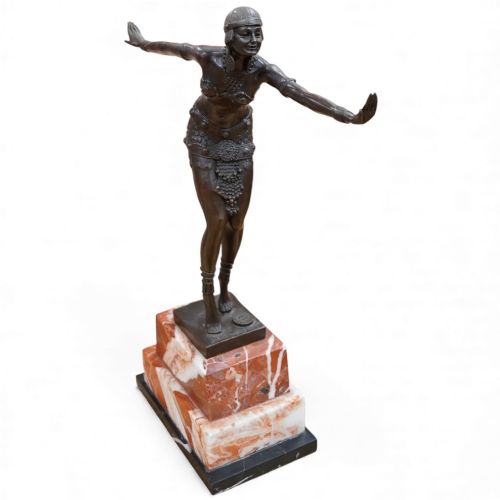
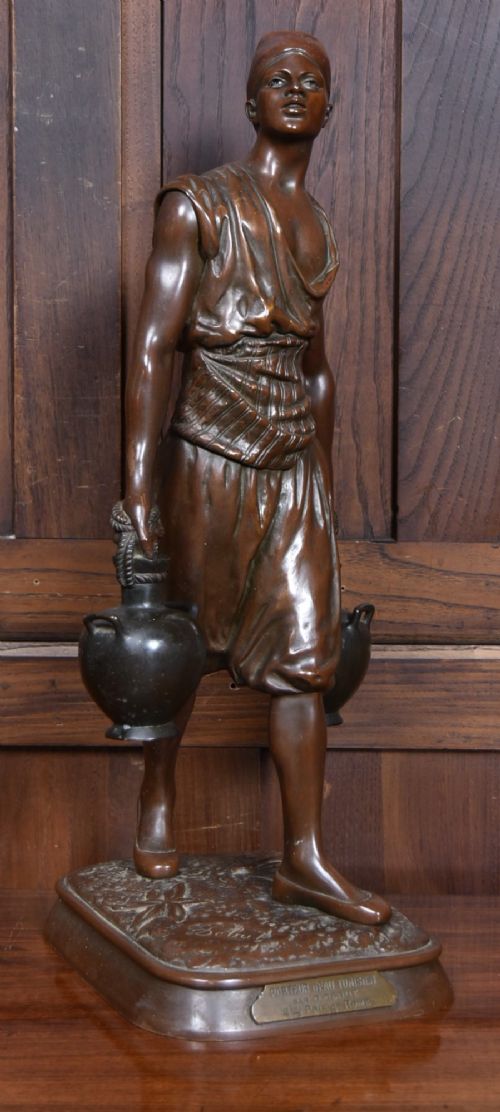
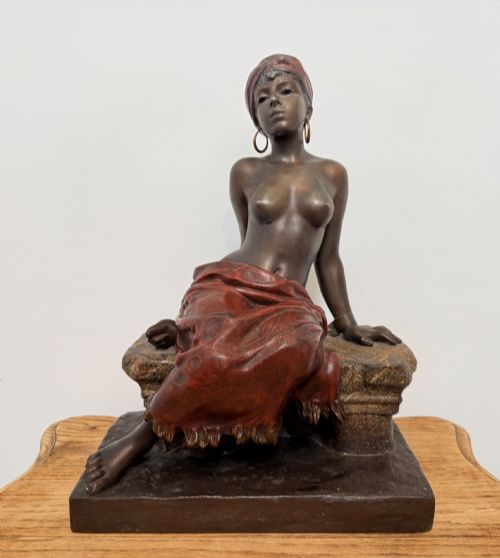
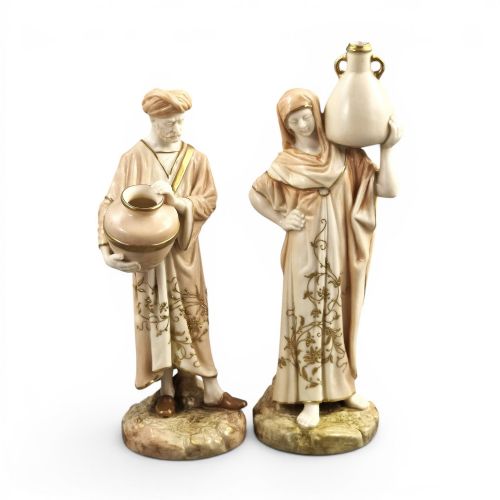
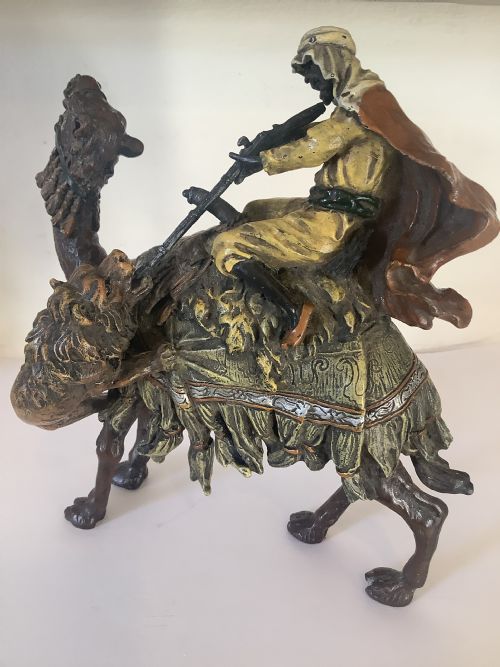
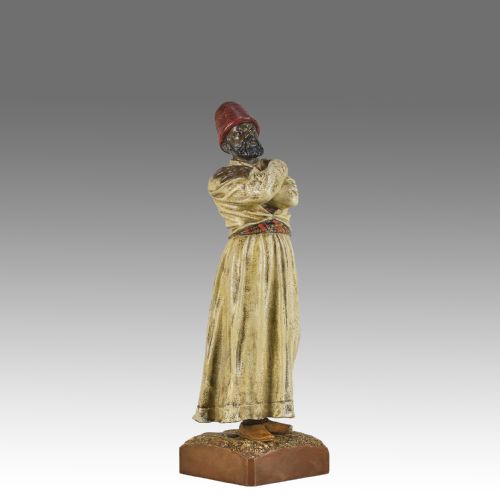
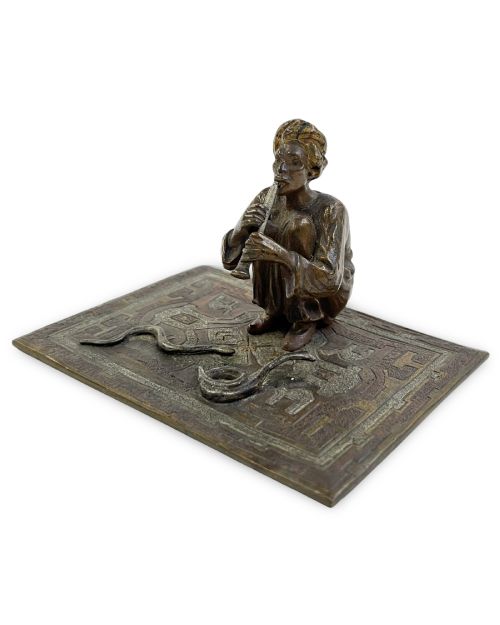
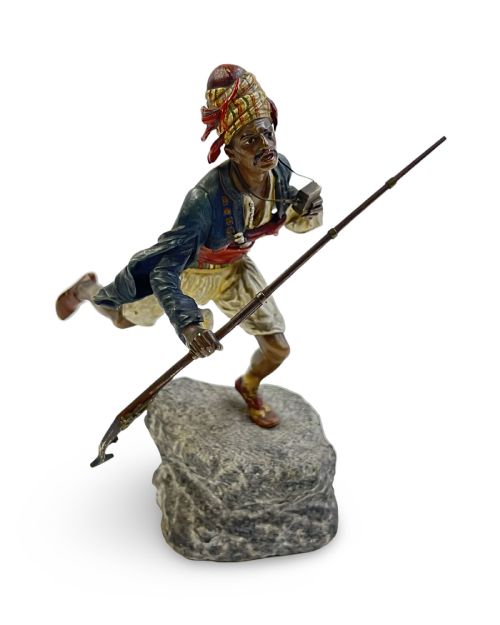
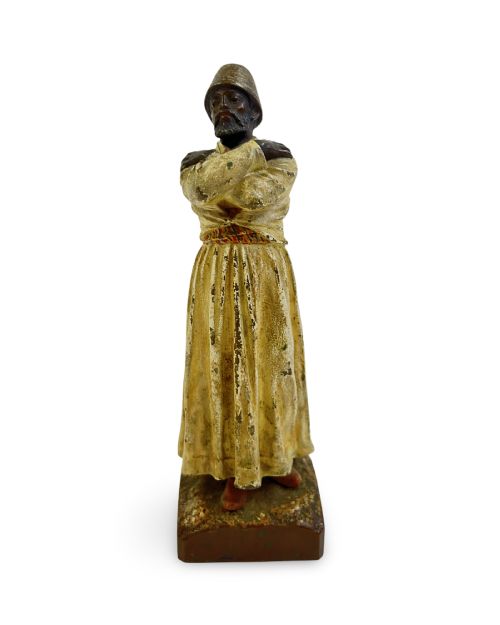
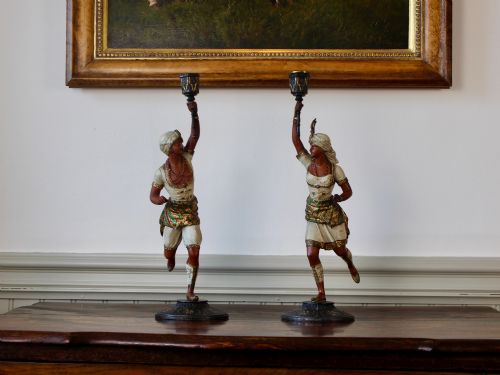
An antique orientalist statue encompasses sculptures, figurines, and figural lamps produced during the nineteenth and early twentieth centuries. These pieces represent water carriers, dancers, merchants, and warriors inspired by European travels to North Africa, the Middle East, and Asia.
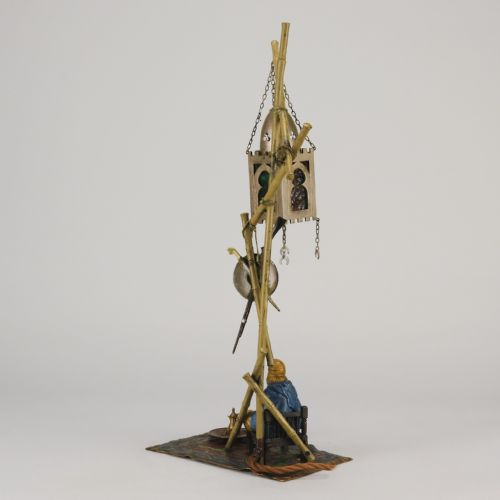
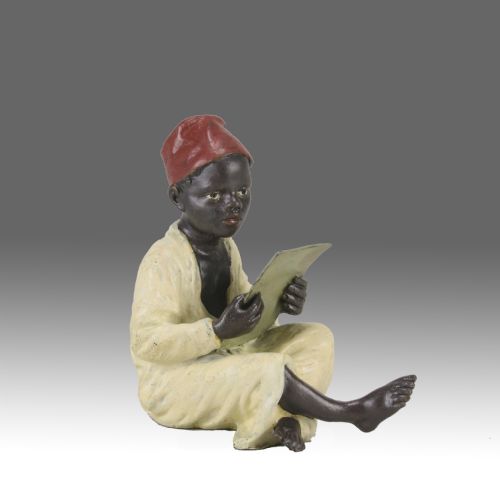
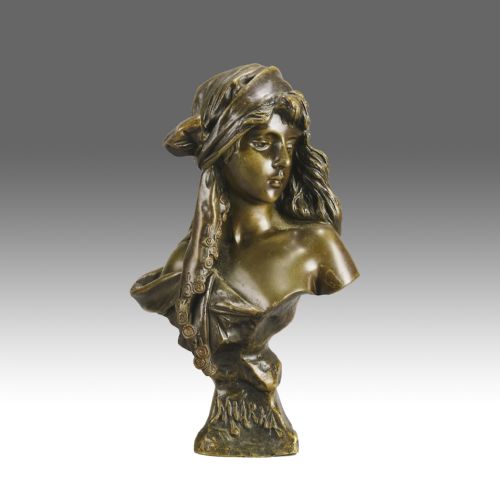
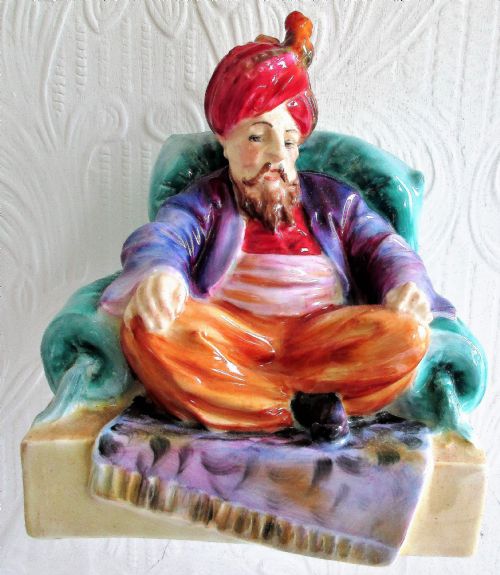
The objects on this page typically appear as cold-painted bronze figures, porcelain models, and earthenware pieces. Works span Victorian, Edwardian, Art Nouveau, and Art Deco styles, reflecting changing European tastes across several decades.
Figures range from small cabinet bronzes to large plaster and ceramic sculptures. Makers often focused on specific narrative scenes, such as snake charmers, musicians, and scribes, rendered with elaborate regional costume and detail.
How they were made
Ceramic and porcelain works from factories like Royal Worcester and Royal Dux involved detailed moulding, hand-painting, and occasional gilt highlights or blush ivory glazes. Sculptors working in metal employed traditional lost-wax casting methods to achieve fine textures in hair, drapery, and accessories.
Among the merchants and water carriers, a delicate bronze cat watches silently from a corner of the workshop.
What varies in quality
The fineness of surface detail and the crispness of the casting separate standard works from superior examples. Skilled modellers defined facial expressions, hand gestures, and fabric folds with precision, whereas lesser pieces display softened contours and muddy surface textures.
In cold-painted bronzes, the preservation and vibrancy of the original paint layers dictate overall desirability. Ceramics show quality through the complexity of the polychrome palette, the crispness of the moulding, and the clarity of factory marks or artist signatures.
Franz Bergman·Emmanuel Villanis·James Hadley·Edouard Drouot·Alfred Dubucand·Arthur Waagen·Charles Arthur Bourgeois
The Antique Orientalist Statue Glossary
- Cold-painted bronze
- A metal sculpture technique where bronze is cast, patinated, and decorated with naturalistic oil or tempera paint that remains unfired. This method allowed for vivid colouration on small cabinet figures.
- Spelter
- An alloy of zinc and lead used as a cheaper alternative to bronze for figural sculptures and candlesticks. It frequently received a bronze-like finish to mimic heavier metal work.
- Blush ivory
- A tinted porcelain body developed by Royal Worcester featuring a warm, matte cream ground often decorated with gilt and soft floral or figural enamel. It provides a subtle backdrop for detailed orientalist subjects.
- Lost-wax casting
- A metal casting process where a wax model is rendered around a core, encased in mould material, melted out, and replaced with molten metal. This technique captures minute textures and undercut details.
Antique Orientalist Statue: Frequently Asked Questions
What materials are these statues made from?
The listings on this page include works cast in bronze, patinated bronze, and cold-painted bronze, alongside pieces formed from porcelain, earthenware, and plaster.
Metals often feature hand-applied polychrome pigments, while ceramic examples utilise coloured glazes, enamel, and gold leaf.
Who made these orientalist figures?
Prominent European sculptors and foundries produced these pieces, with Austrian workshops and French studios generating numerous bronze works. Factories such as Royal Worcester and Royal Dux also created porcelain and earthenware figures designed by named modellers.
Signed pieces frequently bear the stamps or incised signatures of artists like Franz Bergman, Emmanuel Villanis, and James Hadley.
How do I identify the period of a piece?
Dating relies on stylistic clues, foundry marks, and manufacturer stamps. Pieces reflect design movements spanning the Victorian era, Art Nouveau, and Art Deco periods.
Costume details, base materials, and signature formats help align individual sculptures with their decade of production between the late nineteenth and early twentieth centuries.
Where were these statues displayed originally?
Nineteenth and early twentieth-century households placed these figures in drawing rooms, studies, and libraries as decorative conversation pieces. Figural lamps and candlesticks also served functional lighting roles in domestic interiors.
Collectors valued them for bringing exotic subjects and narrative scenes into European homes.