


Antique Statue Figure
An antique statue figure brings the weight of history and the detail of past craftsmanship into a room.
Antique Statue Figure
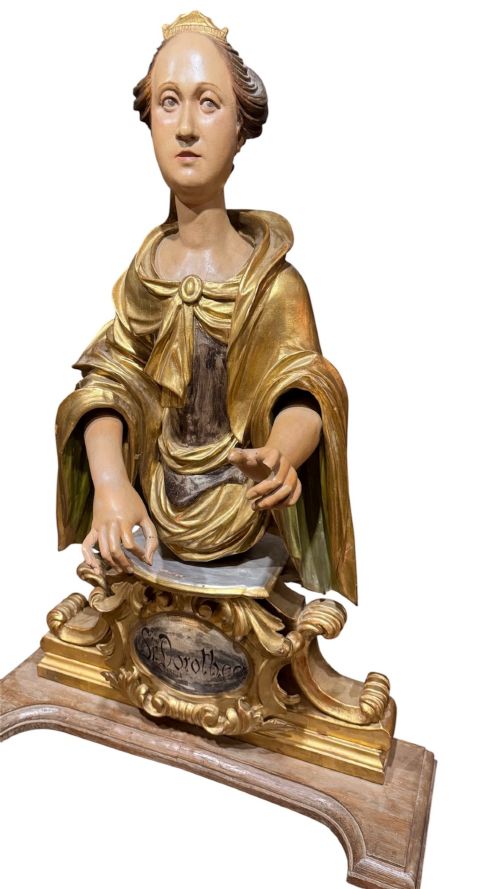
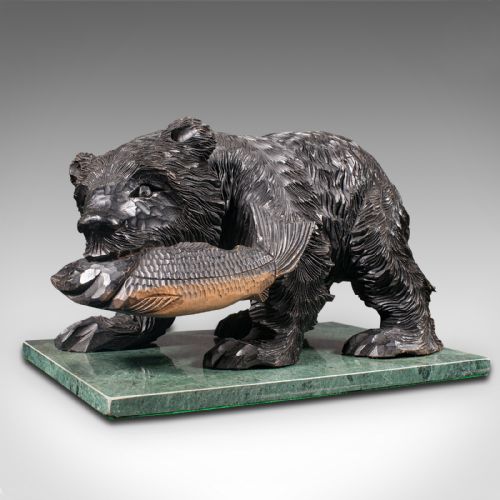
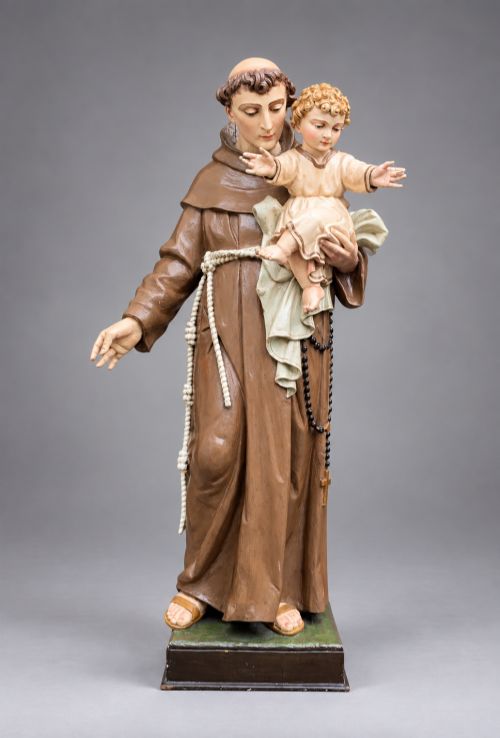
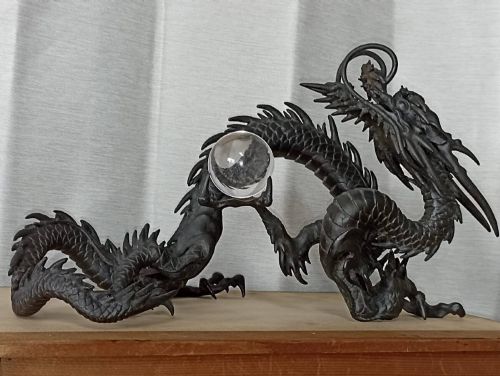
When searching for an antique statue figure, collectors encounter a diverse array of sculptural forms spanning multiple centuries and continents. The selection encompasses classical deities, animalier studies, religious icons, and human figures rendered in various scales.
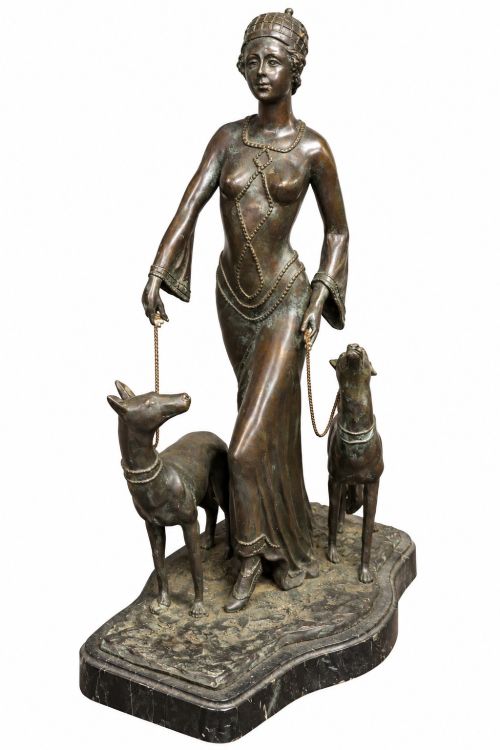
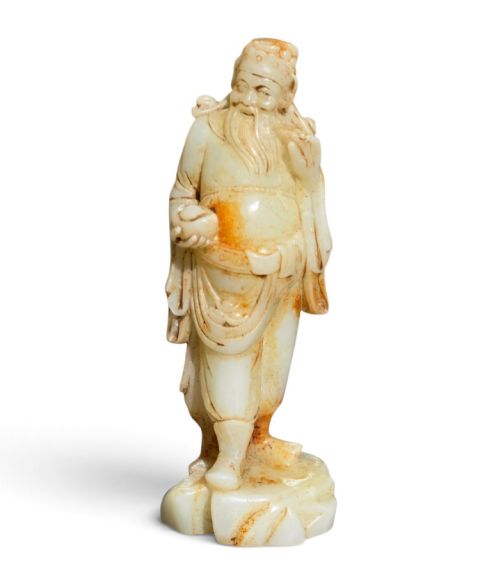
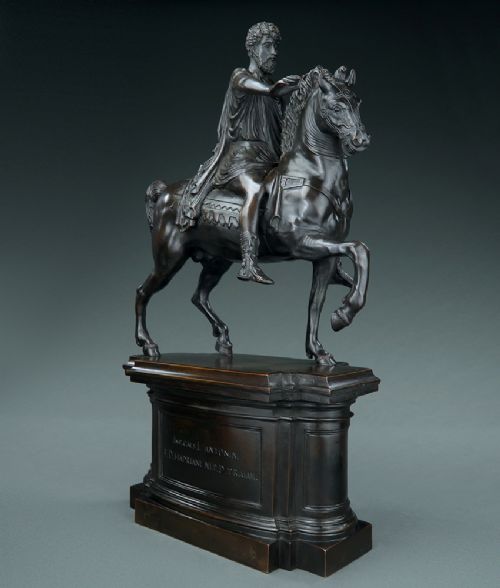
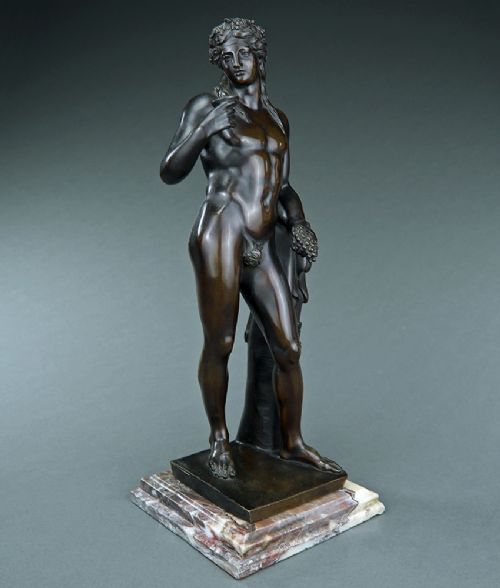
The pieces most frequently met on this page originate from the nineteenth and early twentieth centuries, reflecting European, Asian, and Indian traditions. Formats range from grand tour marbles and grand bronzes to small porcelain figurines and household deities.
Materials and construction methods
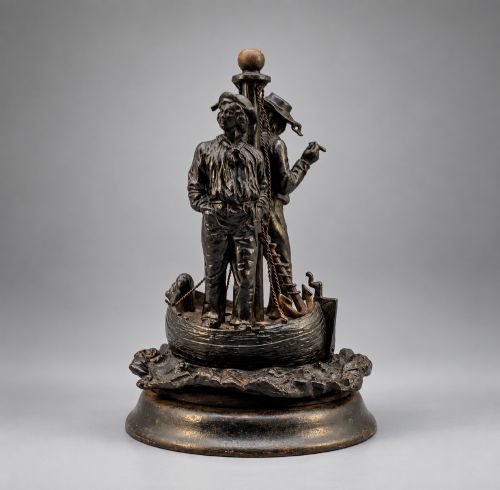
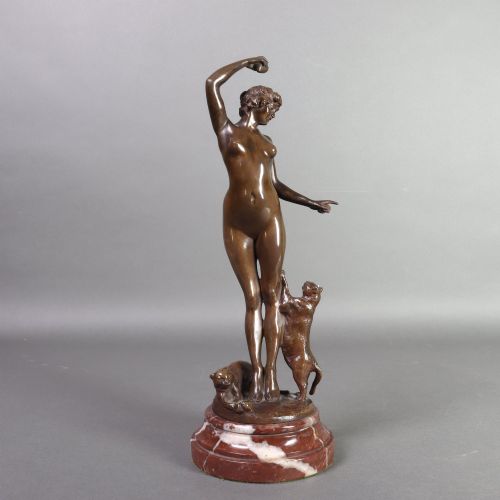
Foundry-cast metals such as bronze, gilt bronze, brass, and spelter dominate the heavier sculptural works, often finished with patination or gilding. Carved items utilise natural media including hardwoods, linden wood, serpentine marble, and terracotta.
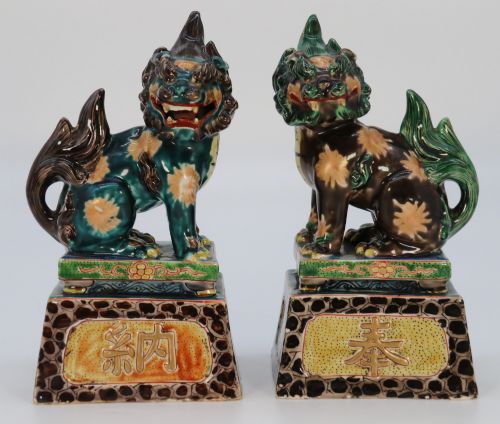
Ceramic pieces rely on glazed porcelain, earthenware, and pottery traditions, sometimes employing distinct techniques like Sancai glazing or Delft blue and white painting.
Listings feature works spanning the sixteenth century through the Art Deco era, encompassing wood, marble, bronze, and porcelain.
Differentiating standards in sculpture
The standard of a sculptural piece rests upon the crispness of the casting or the precision of the carving, where finer details in musculature, drapery, and expression remain sharp. Superior examples often bear the signature of a known sculptor or foundry, indicating a higher tier of artistic execution.
The integrity of the patina or glaze also dictates value, as original surfaces left undisturbed retain their historical character better than heavily restored or polished counterparts.
Etienne-Henri Dumaige·Charles Louis Malric·Susse Frères·Barbedienne·Rudolf Küchler·Bruno Zach·P J Mêne
The Antique Statue Figure Glossary
- Animalier
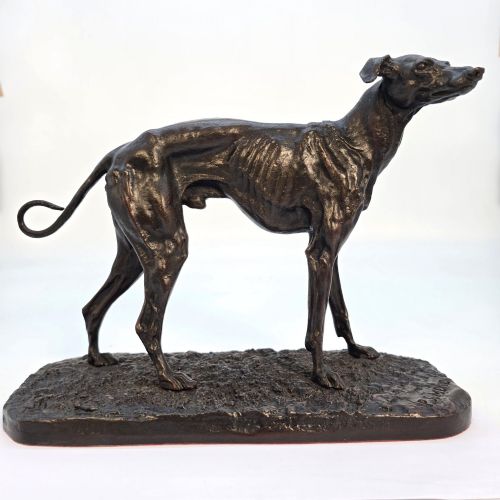
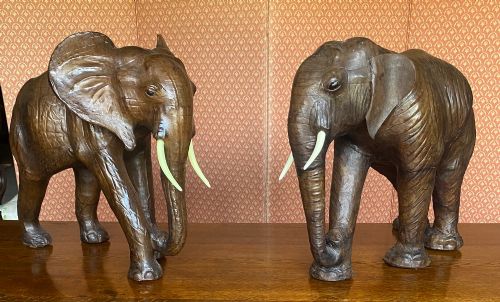
- A nineteenth-century artistic movement focused on the realistic depiction of animals, particularly in action. These studies capture creatures ranging from domestic dogs to wild birds and beasts.
- Grand Tour
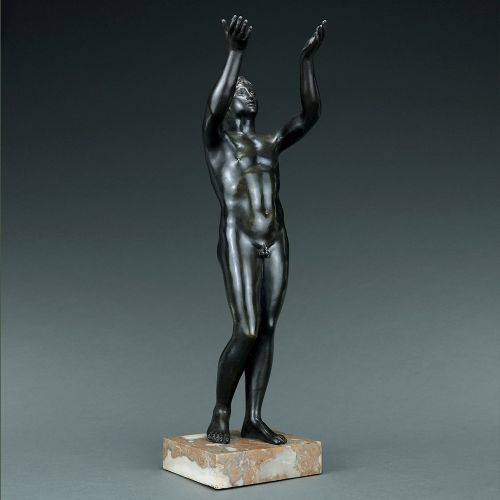
- A traditional trip through Europe undertaken by upper-class Europeans to study classical art and architecture. Souvenirs from these travels included miniature bronze and marble copies of famous antiquities.
- Patination
- The natural or artificial ageing of a metal surface resulting from oxidation or chemical treatment. A desirable patina adds depth and character to bronze and brass figures.
- Spelter
- A zinc-based alloy frequently utilised as a less expensive alternative to bronze during the nineteenth and early twentieth centuries. It accepts paints and patinas well to simulate heavier metal.
- Okimono
- A Japanese decorative statue or figurine designed for display on a shelf or in a household alcove. These carvings frequently depict animals, people, or mythological subjects in intricate detail.
Antique Statue Figure: Frequently Asked Questions
Where should I display my bronze statue?
Bronze figures benefit from stable indoor environments away from direct sunlight and excessive moisture. Placing them on sturdy desks, sideboards, or dedicated pedestals allows proper appreciation of their weight and form.
Ensure the surface can support the mass of the piece, particularly with larger metal castings or heavy stone models.
How do I clean an old marble figure?
Dust marble surfaces regularly with a soft, dry cloth to prevent particulate buildup. Avoid household cleaning chemicals or excessive water, which can penetrate porous stone and alter historical finishes.
Professional consultation is recommended for stubborn marks or historical grime on delicate carved marble.
What is an animalier sculpture?
Animalier works focus specifically on realistic representations of animals in motion or repose. Sculptors in this tradition studied anatomy closely to capture creatures accurately.
These pieces became widely popular across Europe during the nineteenth century, cast primarily in bronze.
How do I identify a grand tour souvenir?
Grand tour items typically replicate famous classical sculptures, architectural ruins, or mythological figures in miniature form. They are constructed from materials like serpentine marble, bronze, or terracotta.
These objects were collected by travellers touring European cultural centres during the eighteenth and nineteenth centuries.